Review · MEXICO CITY
Mexico City: Historic Center Walking Tour with Murals
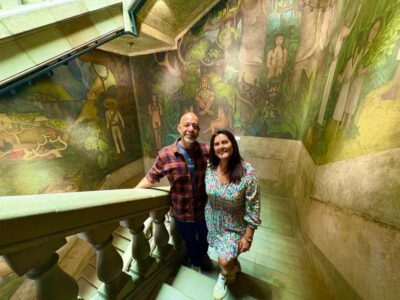
Mexico City’s mural movement turns public buildings into history books. In three hours, you follow the work of Diego Rivera and other major artists from the Former College of San Ildefonso to the Palacio de Bellas Artes, with the symbolism explained instead of left as a colorful blur.
I like the art-history focus, and I like that guide Balaam brings in archaeology, politics, and the relationship between Rivera and Frida Kahlo. A small treat of tamales has even been part of the experience. The main drawback is that the exact buildings can change by weekday, and the tour is not suitable for wheelchair users.
- San Ildefonso begins the story: See where Mexican muralism took shape among former college courtyards and walls.
- Three major mural sites guide the route: The Ministry of Public Education, Bellas Artes, and the Diego Rivera Mural Museum form the core stops.
- Balaam brings serious context: He explains symbols, artistic methods, social conflict, and Mexican culture in clear terms.
- Tuesday requires a change of plan: The Ministry of Public Education is closed, so the Diego Rivera Mural Museum is used instead.
- Museum tickets are included: You pay for the guide and entries together, with no separate museum queue to arrange.
- Expect a walking tour, not a city transfer: Transportation is not included, so wear good shoes and arrive ready to walk.
Why Mexican muralism makes a good walking tour
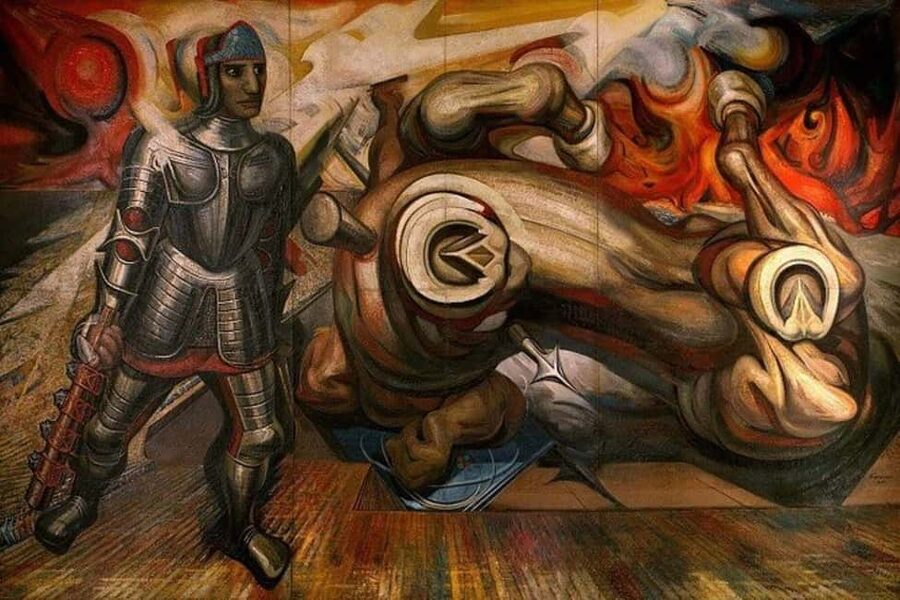
Mexican muralism is easier to understand when you see it in the buildings where it was created. These are not small framed paintings in quiet galleries. They cover walls, stairways, and public interiors, often addressing workers, indigenous culture, revolution, education, religion, and class.
That setting matters. A mural in a government school or cultural palace was meant to reach ordinary people, not just collectors. You can look at a figure, a gesture, or a group of workers and then ask why the artist placed it there. The guide’s job is to connect those visual clues to the society that produced them.
This tour also gives you a useful way into the Diego Rivera and Frida Kahlo story. Their relationship is not treated as a separate celebrity tale. Instead, it helps explain the artistic circles, political beliefs, and personal tensions behind the work.
You should not expect a general sightseeing tour with a quick photo stop at each attraction. The focus is art, context, and the Mexican muralist movement. If you want dates, names, and explanations of symbolism, this is a strong match. If you prefer to wander silently and set your own pace, three hours with a guide may feel more structured than you want.
Starting at the Former College of San Ildefonso
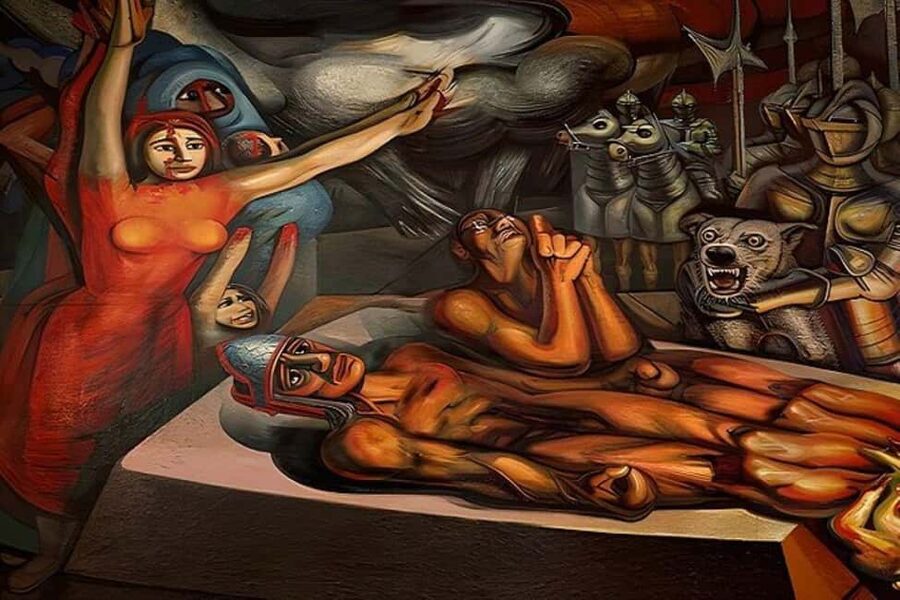
The Former College of San Ildefonso is the natural starting point because it places you near the roots of modern Mexican muralism. The building itself gives the tour a strong opening: historic educational spaces, large-scale art, and a direct link between public education and public art.
You begin by looking closely rather than simply walking through. A guide can point out how murals use scale, placement, color, and clusters of figures to direct your eye. You might notice that the walls are not decorated at random. The artwork is part of the architecture and part of the message.
This is also where the tour begins to show why Mexican muralism cannot be separated from politics. The artists were not only painting attractive scenes. They were presenting ideas about Mexico, its people, its past, and its future. The explanations help you see the difference between a historical scene and a political statement.
Allow yourself time to look up and around. Much of the experience is visual, and comfortable shoes make the walking between indoor sites easier. Bring water, since the tour lasts three hours and transportation between locations is not included.
More Mural Tours in Mexico
- CDMX: Xochimilco, Coyoacan, Frida Kahlo Museum & Murals Tour
★ 4.4 · 3,025 reviews - Cancun Street Food Tour with Food Stalls, Local Market and Murals
★ 5.0 · 723 reviews - Mexico City; ART NACO : Murals & Street Art Bike Tour
★ 5.0 · 284 reviews
Reading the murals at the Ministry of Public Education
The Museo de Sitio de la Secretaría de Educación Pública receives about 45 minutes on the usual route. This is one of the key stops because the building holds murals tied to education, labor, social change, and the daily life of Mexico.
The Ministry of Public Education is especially useful for understanding the idea of art in public service. The murals were placed where people could encounter them as part of ordinary civic life. That gives the work a different purpose from art made for a private home or a specialist gallery.
Your guide explains the figures and scenes in social and political context. That makes a real difference. Without help, you might see a crowd, a worker, or a revolutionary figure without knowing the argument the artist is making. With context, the same image becomes part of a debate about power, inequality, identity, and national pride.
This stop is the part of the tour most affected by the calendar. The Ministry is closed on Tuesdays. On that day, the route changes to the Diego Rivera Mural Museum, so check the operating day when you book. The change does not remove the mural theme, but it does mean that your buildings and artwork will differ from the standard route.
Palacio de Bellas Artes and the largest names
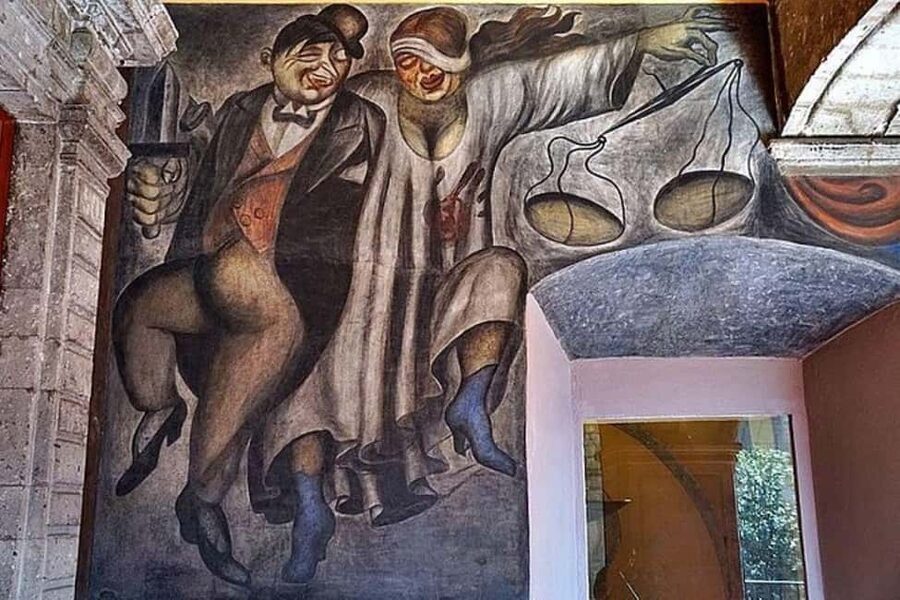
The Palacio de Bellas Artes is scheduled for about 45 minutes and is likely to be the most familiar name on the route. It is a major cultural venue, but the real point here is not simply to admire the building. You go inside to examine its murals and understand how Mexican art was presented in a national cultural setting.
The Palacio brings together some of the movement’s most important artists and ideas. The guide helps you compare styles, subjects, and techniques instead of treating every mural as the same. Look for differences in how artists handle crowds, movement, historical events, and symbols of Mexican identity.
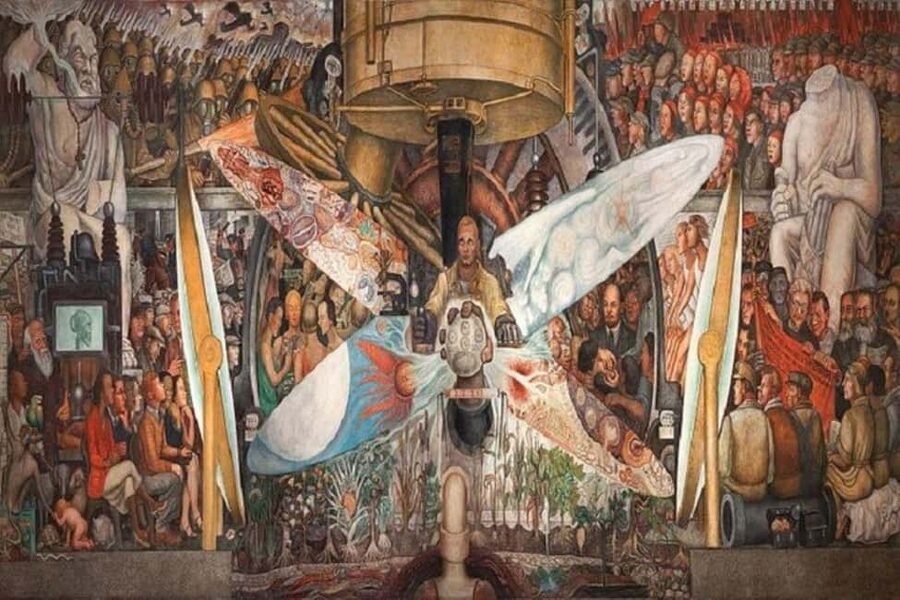
This is also a good place to connect Rivera’s work with the wider muralist movement. Rivera matters greatly, but he was not working in isolation. The tour’s value comes from showing how major artists responded to one another and to the country’s social changes.
You may find this stop busier or more formal than the earlier sites. That is part of the trade-off. Bellas Artes is an important cultural building, but it can feel less intimate than a smaller museum. The guide helps keep the visit focused, especially when there is a lot to take in.
One practical warning deserves attention: the National Palace is not part of this tour. Some booking descriptions have created confusion about that. The National Palace has also been closed for about six years according to the information provided, so do not book this experience expecting a National Palace mural visit.
The Diego Rivera Mural Museum in 30 minutes
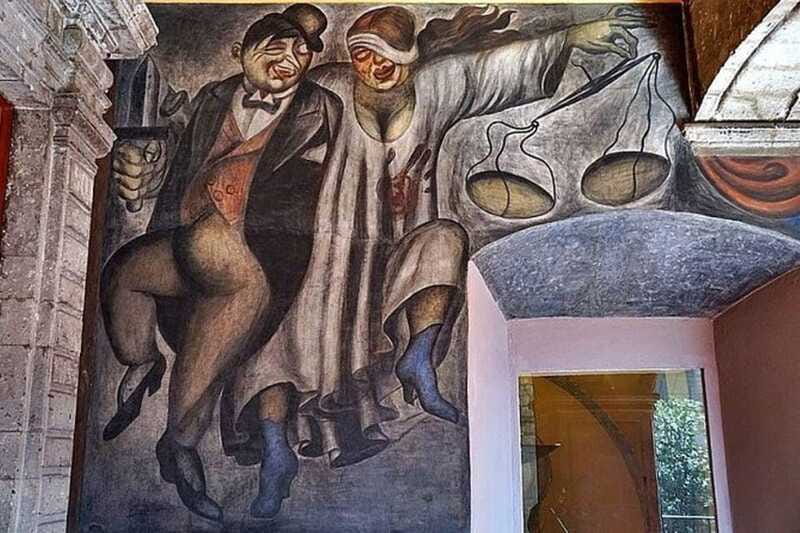
The Diego Rivera Mural Museum receives about 30 minutes and offers a more concentrated final stop. It is particularly useful on Tuesdays, when the Ministry of Public Education is closed, but it can also sharpen your understanding of Rivera’s work after seeing other mural sites.
A shorter museum visit can be a benefit. By this point, you have already learned how to look for political symbols, social groups, historical references, and links to Mexican identity. You can use those tools right away instead of starting from scratch.
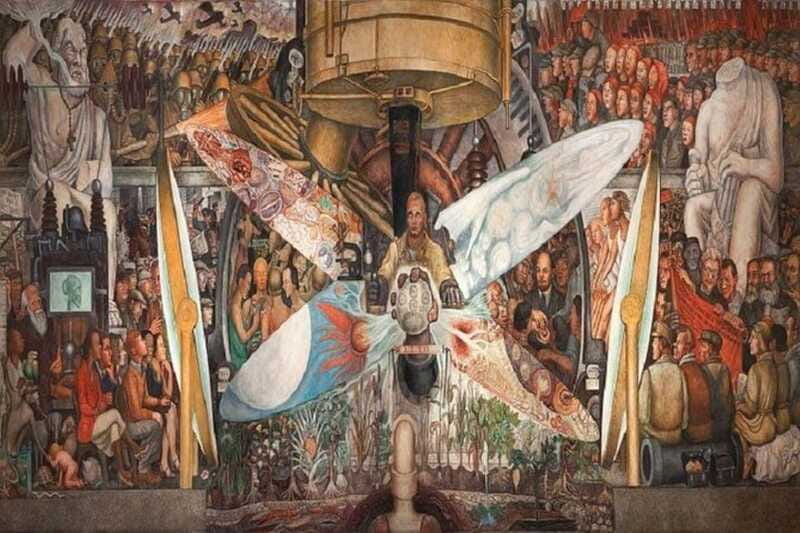
The museum also helps bring the tour back to Rivera as an individual artist. His work often contains many figures and layers of meaning, and the guide can help you follow the composition without getting lost in its scale. This is where the personal and political sides of Rivera’s work come together most clearly.
Thirty minutes is not a long time for a museum. You should see it as a focused stop, not a chance to inspect every corner at leisure. If you have a strong interest in Rivera, you may want to return independently later, though the tour gives you a useful first reading of the work.
More Mural Tours in Mexico City
- Walking Tour – Impressive murals in Historical Center of Mexico City
★ 5.0 · 224 reviews - Muralist Art Semi Private Walking Tour in Mexico City Downtown
★ 5.0 · 188 reviews - Mexico City: Art Naco, murals & street art bike tour
★ 4.7 · 166 reviews - Xochimilco floating gardens, Coyoacan and UNAM murals
★ 4.0 · 53 reviews
Balaam’s approach to the art
The guide can make or break a mural tour. Balaam is the named guide associated with this experience, and his background in history and archaeology shapes the way he explains the work. He does not only identify the painter and title. He connects symbols to society, politics, art, and Mexican culture.
That approach suits you if you like asking questions. The tour is designed to allow conversation, so you can stop on a detail and ask why it matters. Balaam also adjusts explanations to the people in front of him, making complicated themes easier to follow without flattening them.
His strongest quality is the ability to make the murals readable. Mexican muralism can feel overwhelming at first because the paintings contain so many faces, objects, and historical references. A good guide gives you a few paths into the image and lets you build from there.
There is also a human touch. During one tour, Balaam shared tamales with the group. That is not presented as a guaranteed part of every booking, so do not choose the tour for food. Still, it shows the sort of personal welcome you may encounter.
The guide is available in English or Spanish. If art history usually feels too academic, this format should be approachable. If you already know a great deal about Rivera, Kahlo, and Mexican muralism, you will get the most value by using the walking time for detailed questions.
What the three-hour schedule feels like
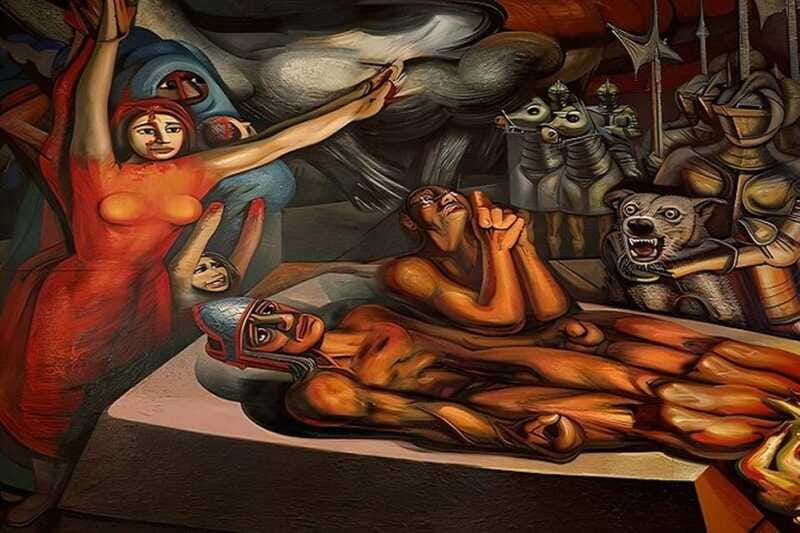
Three hours is long enough to build a story but short enough to fit into a day of sightseeing. You visit several important sites without spending an entire day indoors. The stops themselves account for about two hours, leaving the rest for walking, transitions, and discussion.
The pace will not feel like a race, but you should still arrive prepared to keep moving. This is a walking tour through the Historic Center, and no transportation is included. Wear comfortable shoes, carry water, and bring a camera. Flash photography is not allowed.
The timing also creates a useful rhythm. San Ildefonso introduces the movement, the Ministry expands the social message, Bellas Artes gives you a wider cultural frame, and the Diego Rivera Mural Museum brings the focus back to one central artist. On Tuesdays, the order of ideas remains similar even though the buildings change.
Museum schedules are the main logistical issue. The Ministry of Public Education closes on Tuesdays, and the route uses the Diego Rivera Mural Museum instead. Check the starting time and weekday before you set other plans around the tour.
Is the tour good value?
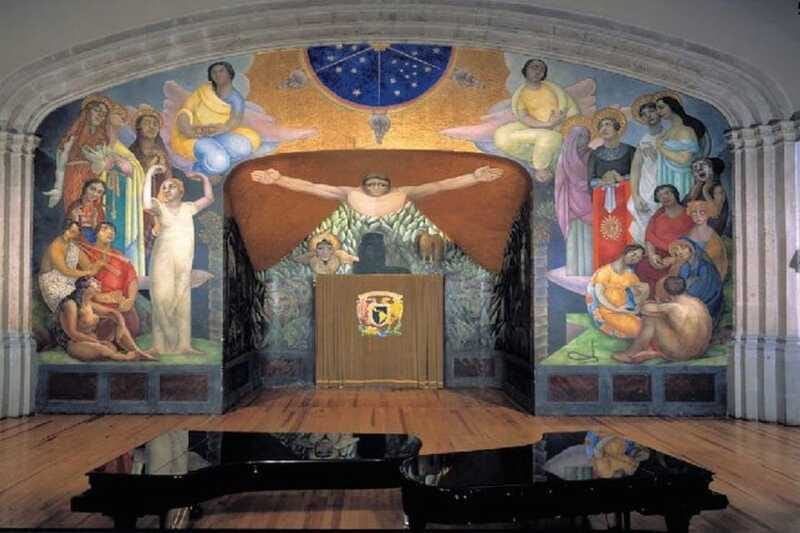
No price is provided here, so I cannot judge it by a specific peso amount. I would judge value by what is included: a live guide, museum entrance tickets, three hours of focused interpretation, and visits to several important mural locations.
That can be good value if you would otherwise enter the museums without knowing what to look for. The guide’s historical and artistic context is the main purchase. You are not only paying to walk from one building to another. You are paying for help connecting images, people, and ideas.
The value is also stronger for first-time visitors to Mexican muralism. You can see four impressive murals or mural groups, learn about Rivera and Kahlo, and gain a working picture of the movement in one morning or afternoon. Returning visitors may still enjoy it, especially if they want a closer look at symbolism.
The price would be harder to justify if you only want photographs or already plan to spend hours reading about the artists on your own. This is not a flexible hop-on experience. The route and timing are set around museum access and a guided explanation.
Museum tickets are included, but gratuity is not. Transportation is also not included, so plan your own way to the starting point and between locations if needed.
Who will enjoy this mural walk
I would recommend this tour to you if you want Mexican history explained through art. It suits couples, solo visitors, families with older children, and anyone curious about Rivera, Kahlo, political art, or Mexico City’s cultural center.
It is especially useful for people who find museums hard to read alone. The guide gives you a clear thread and helps you notice details that you might otherwise pass by. It also works well for art lovers who want more than a list of painters and dates.
You should think twice if walking for three hours is difficult, if you need step-free access, or if you want to explore at your own pace. The experience is not suitable for wheelchair users. You also need to accept that Tuesday changes the route.
Book with care if you are specifically seeking the National Palace. It is not included. Choose this tour for the mural sites listed here, not for a palace visit.
Should you book it?
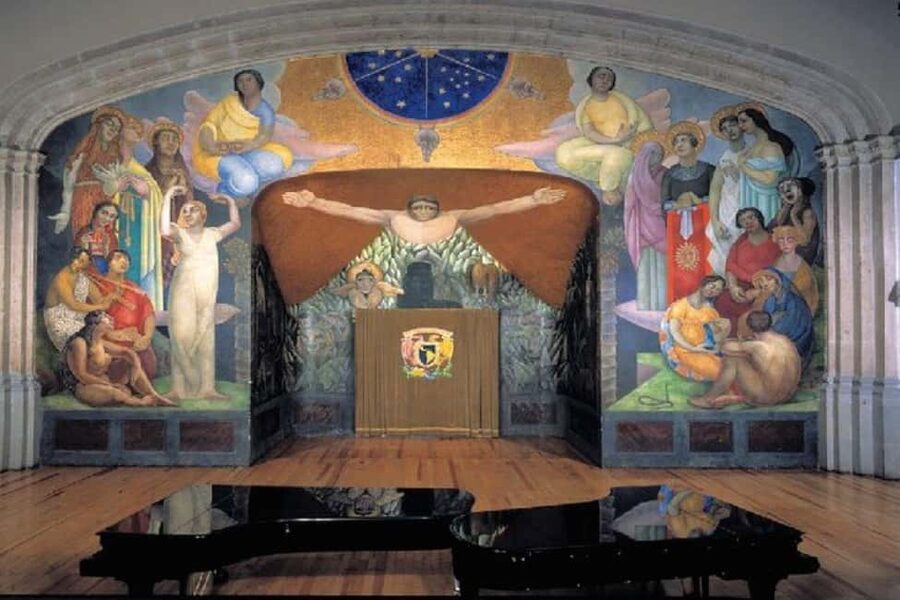
Book this tour if you want to understand why Mexican murals matter, not just see large paintings on walls. The combination of San Ildefonso, Bellas Artes, the Ministry of Public Education, and the Diego Rivera Mural Museum gives you a well-shaped introduction to the movement.
I would give it extra weight if Balaam is your guide. His history and archaeology background, clear explanations, and willingness to tailor the discussion add real value. The Tuesday substitution is manageable, but check it before booking.
Skip it if you dislike guided schedules, cannot manage a walking route, or want the National Palace. For most visitors interested in art and Mexico’s social story, though, this is a thoughtful three-hour use of your time in the Historic Center.
FAQ
How long does the Mexico City mural tour last?
The tour lasts three hours.
Which languages are available?
The live guide is available in English and Spanish.
Which places are visited?
The route begins at the Former College of San Ildefonso and includes the Ministry of Public Education, the Palacio de Bellas Artes, and the Diego Rivera Mural Museum. The buildings visited can change by weekday.
What happens on Tuesdays?
The Ministry of Public Education is closed on Tuesdays. On that day, the Diego Rivera Mural Museum is visited instead.
Are museum tickets included?
Yes. Museum entrance tickets and guide service are included.
Is transportation included?
No. Transportation is not included, so you need to make your own arrangements for getting to the starting point and around the walking route.
Is the tour suitable for wheelchair users?
No. The activity is not suitable for wheelchair users.
More Street Art Walking Tours in Mexico City
- Mexico City: The Murals of Mexico Semiprivate Walking Tour
★ 5.0 · 2 reviews - Mexico City: History on Walls. Mexican Murals Walking Tour
★ 5.0 · 2 reviews
More Street Art Walking Tours in Mexico
- History and Murals: Walking Tour Guadalajara
★ 5.0 · 237 reviews - Mexico City: Diego Rivera’s Murals Guided Walking Tour
★ 5.0 · 49 reviews - Guided Walking Tour Describing UNAM Murals and Revolution
★ 5.0 · 8 reviews - Street Art Walk
★ 4.5 · 7 reviews
Freshly painted around Mexico
- Xochimilco floating gardens, Coyoacan and UNAM murals★ 4.0 · 6 reviews
- UNAM: Murals & Revolution★ 4.9 · 8 reviews
- Street Art & Cemetery Cultural Tour – half day★ 5.0 · 3 reviews
- Graffitis & Munchies biketour Playa del Carmen★ 4.5 · 18 reviews
- Street Art Walk★ 4.5 · 7 reviews
- Diego Rivera’s murals, hidden treasures★ 5.0 · 21 reviews
- Tour Women Muralists : Strokes that resist Mexico City★ 5.0 · 7 reviews
- Private Street Art Tour in Rome★ 4.0 · 4 reviews
Mexico City Street Art Tours, compared.

Xochimilco, Coyoacan and Frida Kahlo with Optional Lunch
Read our review →
CDMX: Xochimilco, Coyoacan, Frida Kahlo Museum & Murals Tour
Read our review →
Mexico City; ART NACO : Murals & Street Art Bike Tour
Read our review →
Walking Tour – Impressive murals in Historical Center of Mexico City
Read our review →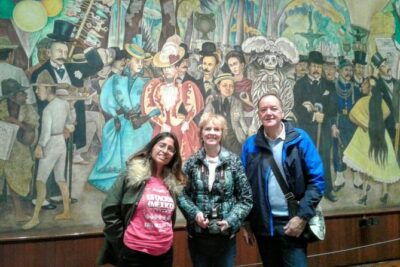
La Catrina & Muralism: Diego Rivera’s Legacy & Frida Kahlo
Read our review →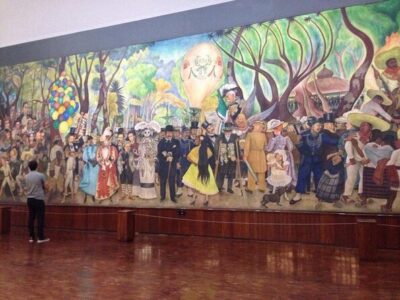
Muralist Art Semi Private Walking Tour in Mexico City Downtown
Read our review →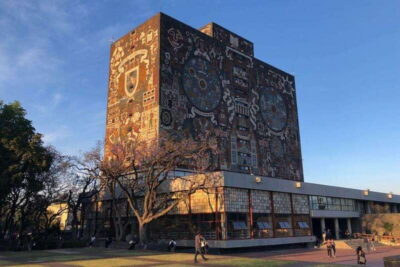
Xochimilco floating gardens, Coyoacan and UNAM murals
Read our review →