Review · MEXICO CITY
Mexico City: History on Walls. Mexican Murals Walking Tour
Mexico’s mural movement turns public walls into history books. On this four-hour walk, you’ll see how Rivera, Orozco, Siqueiros, and other artists used huge paintings to explain revolution, labor, Indigenous cultures, class, and world events to ordinary people. Bellas Artes is the natural starting point, but the tour also takes you into less formal places, including a market and a rooftop with views of the Historic District.
I like the mix of famous museum works and murals in everyday public buildings. I also like that the guide has an academic degree in art history, history, or architecture, which matters when a painting is packed with political symbols. The main drawback is the pace and terrain: this is a walking tour in sun or rain, and it is not suitable for people with mobility impairments.
Key points at a glance
- Rivera, Orozco, and Siqueiros at Bellas Artes: Compare the three leading figures of Mexican muralism in one major cultural setting.
- A market used as a classroom: See 1930s murals created as part of a public project meant to bring culture and education to ordinary people.
- A rooftop pause: Take a break with a coffee and a view over Mexico City’s Historic District.
- Art shaped by revolution and war: Read murals about labor, social class, Mesoamerican culture, and the grief of the Holocaust.
- A choice of final focus: Follow Rivera’s scenes of Mexican work and festivals, or visit Orozco’s former high school murals and their critique of society.
- Small-group format: The group is limited to 10, with headsets supplied for larger groups.
Why Mexican walls became public history books
The Mexican mural movement grew in the early 1920s, after the Revolution had changed the country’s politics and social order. Public art became a way to teach history and argue about Mexico’s future. Instead of placing paintings only in private homes or elite galleries, artists covered government buildings, schools, markets, and other public spaces.
That setting is central to this tour. You are not only looking at paintings. You are seeing the places where Mexico tried to explain itself to a broad public, much of it with limited access to formal education. A mural could show farmers, workers, Indigenous traditions, political leaders, religious images, and scenes from national history in one enormous composition.
Your guide will help you read those images rather than simply point out the names of artists. Look for the tension between celebration and criticism. Rivera often presented labor and national culture on a grand scale. Orozco could be far harsher, exposing social divisions and the damage caused by power. Siqueiros brought a forceful political edge and a sense of movement to his work.
The tour also connects Mexican muralism to Mesoamerica. Ancient cultures are not treated as a distant preface to modern Mexico. Their symbols, stories, and visual forms became part of the country’s effort to build a national identity after years of conflict.
More Mural Tours in Mexico
- CDMX: Xochimilco, Coyoacan, Frida Kahlo Museum & Murals Tour
★ 4.4 · 3,025 reviews - Cancun Street Food Tour with Food Stalls, Local Market and Murals
★ 5.0 · 723 reviews - Mexico City; ART NACO : Murals & Street Art Bike Tour
★ 5.0 · 284 reviews
Starting at Bellas Artes with three major muralists
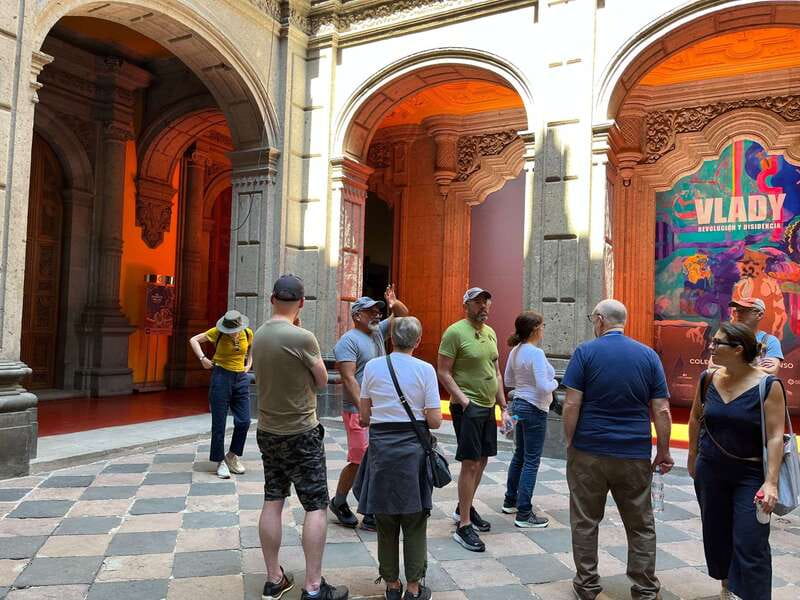
Meet your guide in front of the main entrance to the Fine Arts Palace, known as Bellas Artes. This is a useful meeting point because the building brings together several of Mexico’s best-known murals and offers a clear introduction to the scale of the mural project.
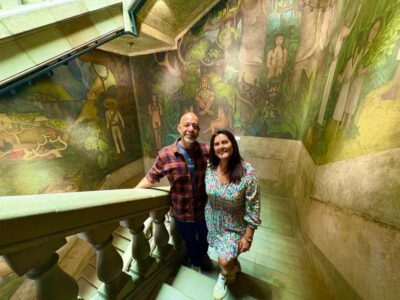
Inside, you’ll see works by Diego Rivera, David Alfaro Siqueiros, and José Clemente Orozco, the three names most closely linked with Mexico’s major mural tradition. Seeing them in the same building makes comparison easier. You can pay attention to the different ways each artist handles bodies, crowds, political ideas, and national history.
Rivera’s murals often reward a slow look at the people filling the scene. Workers, farmers, and historic figures may appear in the same visual argument. Siqueiros tends toward force and motion, while Orozco often gives his scenes a darker, more uneasy mood. These are broad patterns, not simple rules, and your guide can point out the exceptions.
Bellas Artes also lets you see artists beyond the central trio. The tour includes work connected with Rufino Tamayo, González Camarena, and Rodríguez Lozano. That wider selection keeps the visit from becoming a three-name checklist. It shows that Mexican muralism was a large artistic movement, with different ideas about politics, identity, color, and modern art.
A practical note: a museum stop can feel calm compared with the outdoor sections, but the tour still covers a lot in four hours. If you want to study every mural at length, this may feel brisk. If you want a guided map of the movement, the pace is useful.
A colonial palace and the sorrow of war
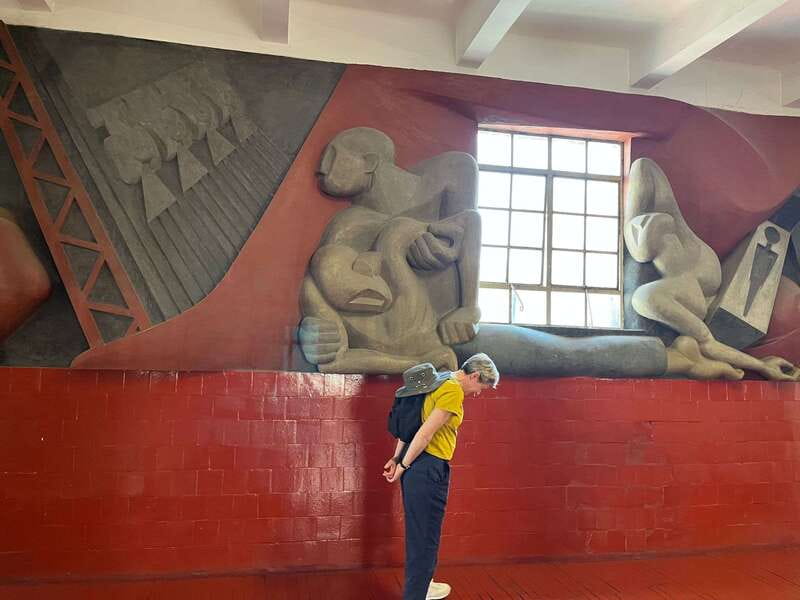
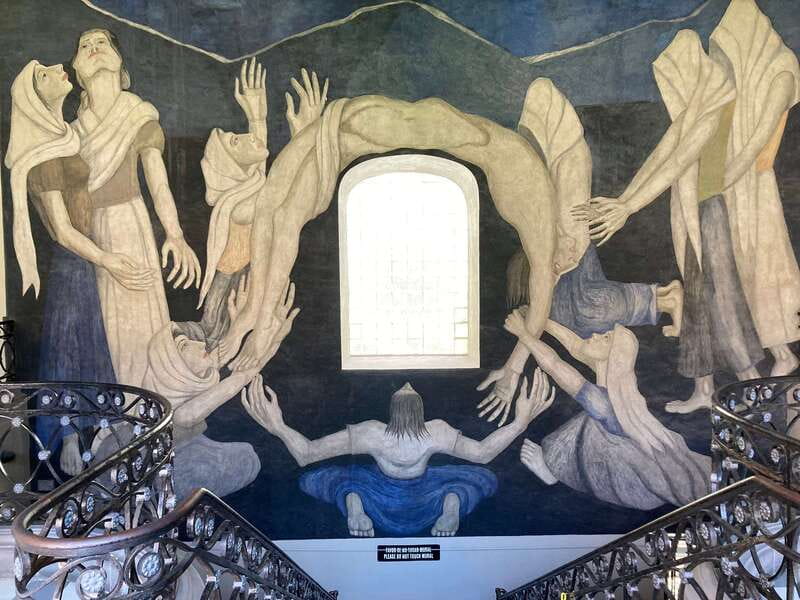
One part of the route takes you to a former colonial palace with a mural tied to the Second World War. The painting expresses grief over the Holocaust, placing a world crisis inside a building associated with Mexico’s colonial past.
This stop broadens the story. Mexican muralism was not limited to local politics or scenes of village life. Its public walls could respond to events beyond Mexico, including mass violence in Europe. The contrast between the old palace and the modern subject gives the work extra weight.
Pay attention to the change in tone. Murals about national labor or festivals may feel expansive and crowded with activity. A work about the Holocaust asks for a different response. It shows how the mural format could carry grief as well as education and political argument.
Your guide’s academic training is especially useful here. Historical murals can contain references that are not obvious at first glance, and a short explanation can help you understand why a particular building, event, or figure appears in the composition.
Coffee, sun, and a rooftop view
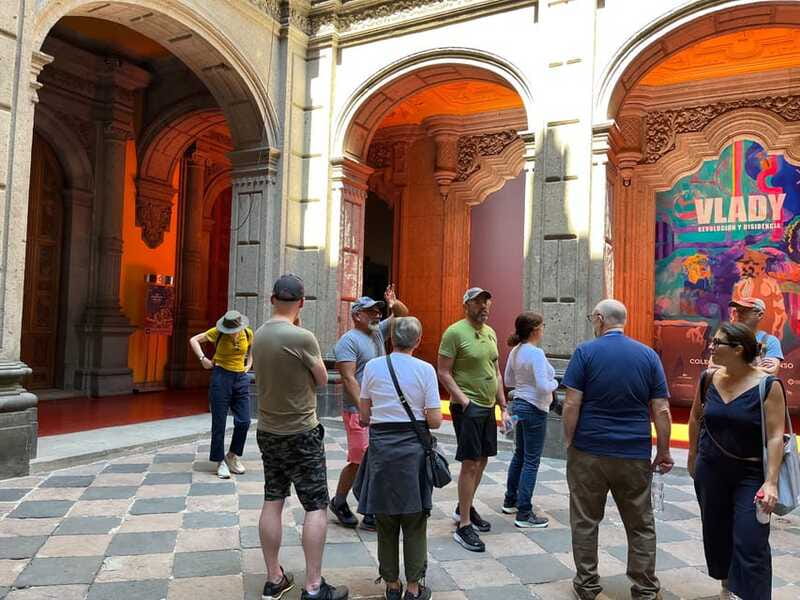
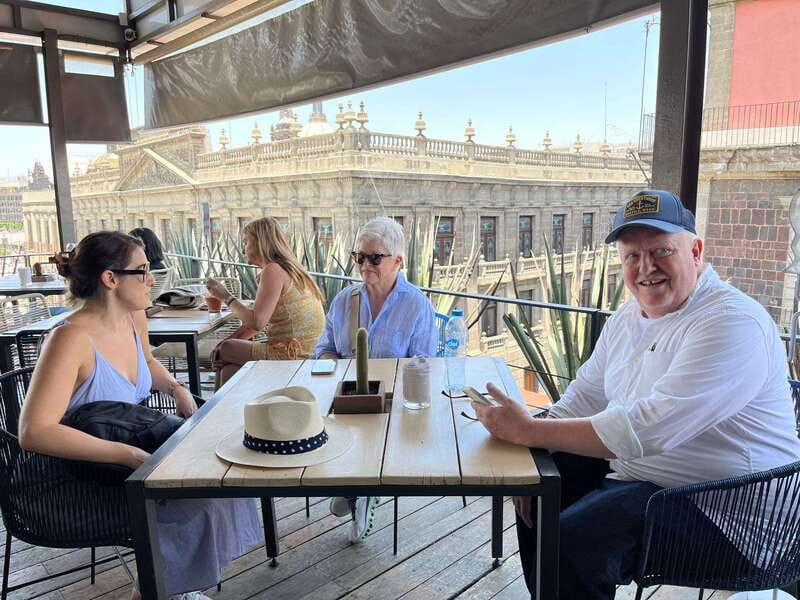
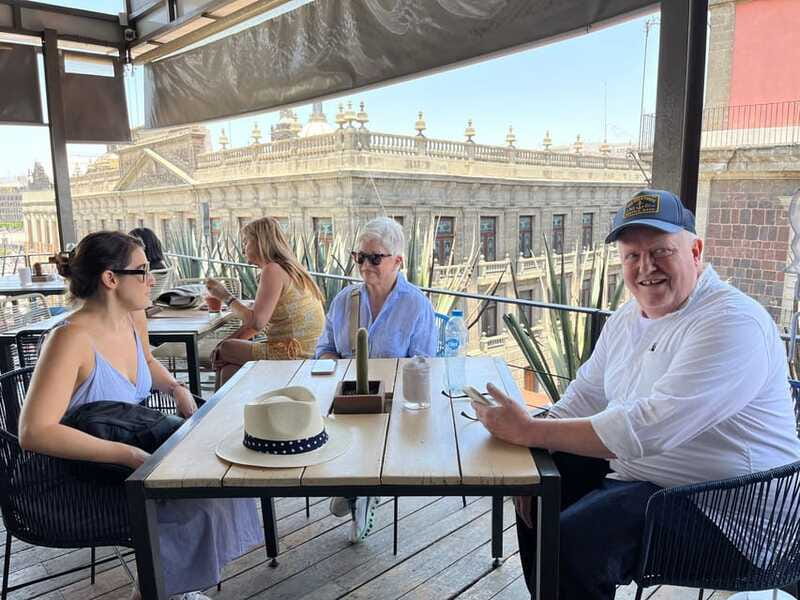
After several indoor and outdoor stops, you’ll pause at a rooftop for coffee and a view of the Historic District. Food and drinks are not included, so plan to pay for your own cup.
This break is a small but smart part of the route. Four hours on foot can be tiring, especially under the Mexico City sun. The rooftop gives you time to rest your feet while looking at the city from above. It also shifts your attention from painted walls to the urban setting around them.
Use this pause to connect the tour’s themes. Public murals were placed in buildings used by many people, not isolated studios. From the rooftop, you can think about how these works fit into the wider center of Mexico City, where historic buildings, public institutions, markets, and daily life sit close together.
Do not treat the coffee stop as a full meal break. The tour includes no food or drinks, and the stop is described as a chance to enjoy coffee and the view. Eat before the tour if you know you need more than a light pause.
More Mural Tours in Mexico City
- Walking Tour – Impressive murals in Historical Center of Mexico City
★ 5.0 · 224 reviews - Muralist Art Semi Private Walking Tour in Mexico City Downtown
★ 5.0 · 188 reviews - Mexico City: Art Naco, murals & street art bike tour
★ 4.7 · 166 reviews - Xochimilco floating gardens, Coyoacan and UNAM murals
★ 4.0 · 53 reviews
Murals inside a working market
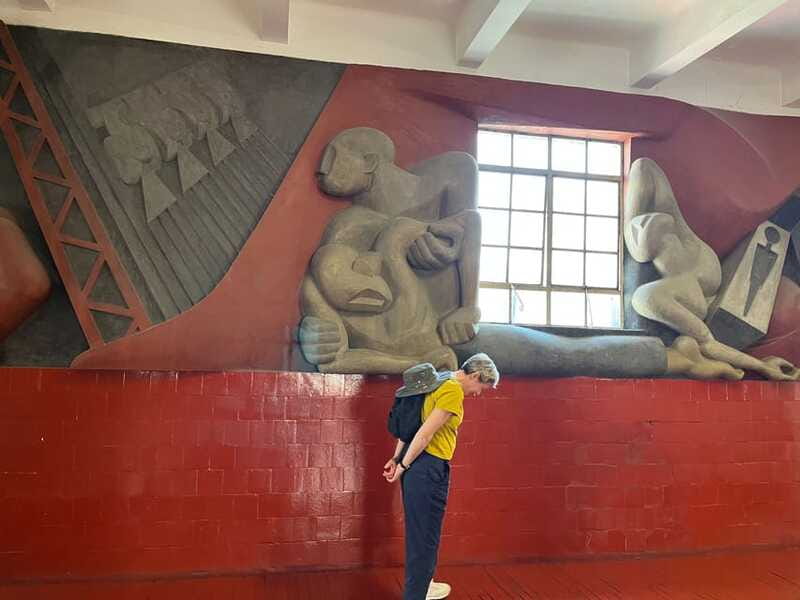
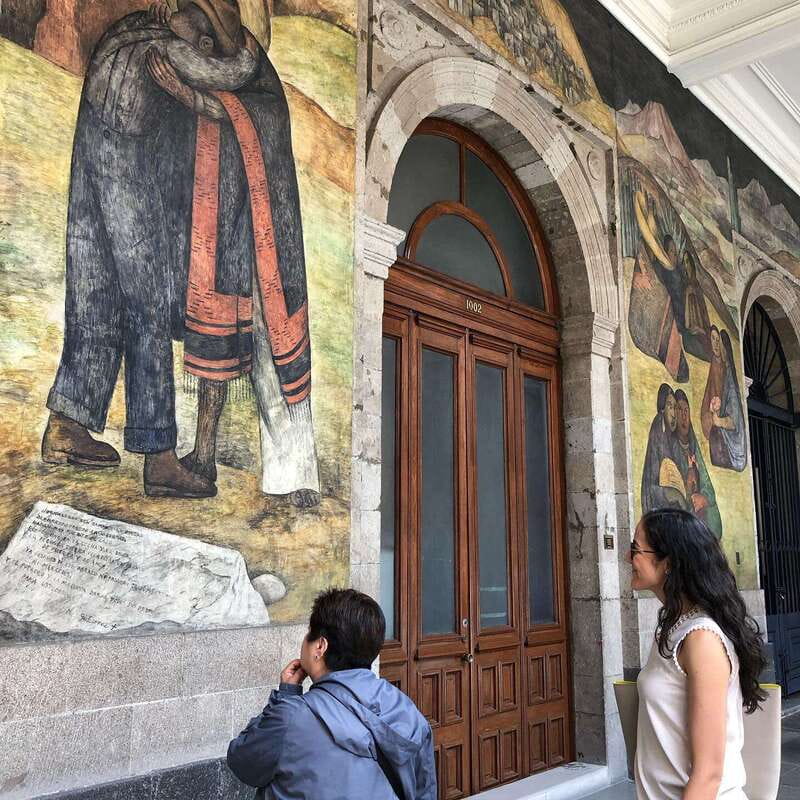
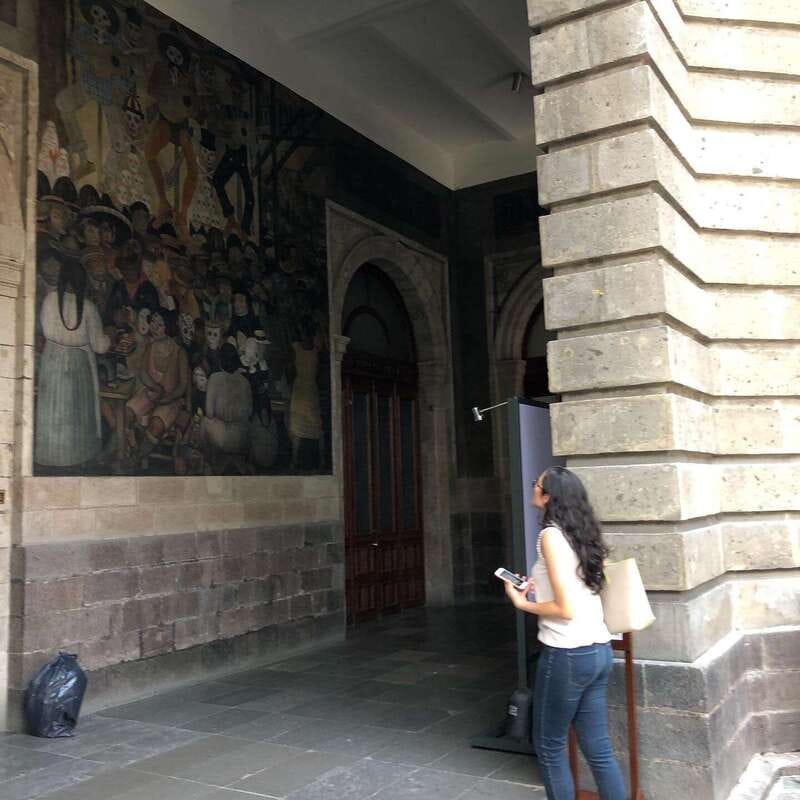
The market section is one of the most distinctive parts of the route. You’ll see 1930s murals by Mexican and foreign artists in a market, created within the wider mural project that aimed to bring art, culture, and education to the public.
This setting explains the movement better than a gallery alone can. A market is a place of trade and daily routines, not a quiet art room. Putting murals there made art part of ordinary life. The message was direct: history and culture belonged to the public.
The market murals also show that the project involved more than the country’s most famous names. Mexican and foreign artists took part, and the works helped turn a public building into an educational space. You may find the market stop less polished than Bellas Artes, but that is part of its value. It shows the mural idea operating in a practical, everyday setting.
Stay alert to the difference between seeing a mural in a formal museum and seeing one in a market. Your surroundings affect the way you read the art. Here, commerce, movement, and public access are part of the story.
Rivera’s Mexico of work and celebration
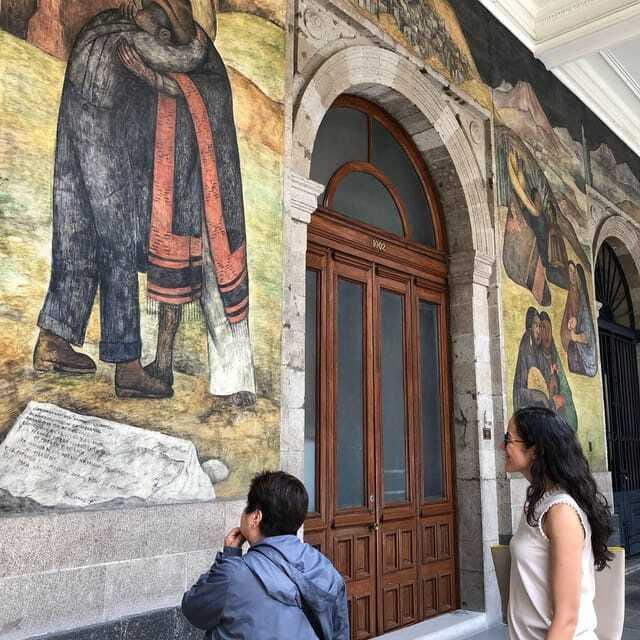
One possible section focuses on Diego Rivera murals made in the 1920s. These works describe labor and festivities from across the country, giving you a broad view of Mexican life as artists and officials wanted it presented in the post-Revolutionary period.
Rivera’s strength is his ability to organize a huge amount of information into a single visual world. Workers and craftspeople matter. So do festivals, regional customs, and the many kinds of labor that support a country. The murals ask you to see Mexico as a nation built by ordinary people, not only by political leaders.
The word whole matters here. The works are not limited to one city or one social group. They aim to show a national picture, with regional traditions and daily work brought into one composition. That makes this section especially useful if you want to understand how art helped create a shared idea of Mexico.
Rivera’s approach can also feel idealized. His paintings may celebrate workers and national culture more readily than they question every political decision. Your guide can help you notice both the pride and the selectiveness in that vision.
Orozco’s former high school and a sharper critique
The alternative final section takes you back to post-Revolutionary Mexico through a former high school where José Clemente Orozco painted murals in the 1920s. Here the emphasis is on his criticism of Mexico’s social classes.
This choice gives the tour a different ending from Rivera’s national scenes. Orozco’s work can be more skeptical and severe, asking who benefits from power and how social divisions shape public life. In a school, those questions would have been seen by students and staff rather than only by art specialists.
The building itself matters. A former high school makes the link between art and education plain. These murals were not made simply to decorate a prestigious room. They were part of a public argument about the country young people were inheriting.
You may prefer this section if you like political criticism more than national celebration. You may prefer the Rivera focus if you want scenes of work, festivals, and regional culture. The supplied route presents these as an either-or choice, so check the exact option available when you book.
How the tour handles a large subject in four hours
Four hours is enough to create a strong framework, but not enough to examine every mural in museum-study detail. That is not a flaw if you approach the tour as an introduction with serious historical context.
The limited group size, up to 10 people, should make it easier to hear the guide and ask questions. For larger groups, headsets are provided. The tour is offered in English or Spanish, and the guide has a graduate academic degree in art history, history, or architecture.
No guide’s name is provided in the tour details, so you should not expect to select a particular person. What you can expect is a live guide who explains the art in one of the two listed languages and connects the works to Mexico’s political and cultural changes.
Wear comfortable shoes, bring a hat, and use sunscreen. The tour runs rain or shine. The combination of museum interiors, public buildings, market space, and outdoor walking means you should dress for changing conditions rather than assume the entire visit will be indoors.
The route is not suitable for people with mobility impairments. That limitation deserves careful attention because the tour is built around walking between several sites, not simply sitting in one museum.
Is $218 a fair price?
At $218 per person, this is a costly walking tour. The price makes more sense if you place a high value on expert interpretation, museum admission, a small group, and access to several mural settings in one organized route.
You are paying for more than entry to Bellas Artes. The experience links the main muralists with a market project, a former colonial palace, a rooftop stop, and either Rivera’s national scenes or Orozco’s school murals. Finding and understanding all those places on your own would require planning, research, and separate admissions where applicable.
Still, the value depends on your interest. If you mainly want quick photographs of famous murals, $218 is hard to justify. You could spend less on a museum visit and use a guidebook or audio material for background. If you want the political and cultural reasons behind the paintings, the academic guide and small-group format give the price a stronger case.
Food, drinks, and hotel transport are not included. You need to reach Bellas Artes on your own and budget for anything you buy during the coffee break. Free cancellation up to 24 hours before the tour and a reserve-now, pay-later option make planning less risky, but they do not change the basic price.
Who should book this mural walk?
I would choose this tour if you already care about art, Mexican history, public education, or the political role of culture. It also suits anyone who wants more than a standard central-city sightseeing walk.
You do not need to know the muralists in advance. The tour is designed to explain why the movement developed in the 1920s and how its ideas shaped public buildings. Still, a little preparation helps. Look up the names Rivera, Orozco, and Siqueiros before you go, then use the tour to compare them in person.
This is less suited to people who dislike long walks, need step-free access, or want a relaxed museum morning. The rain-or-shine policy and four-hour duration require practical preparation. Bring water for yourself, protect yourself from the sun, and wear shoes you can trust.
Should you book it?
Book this tour if you want Mexican muralism explained as public history, not treated as a collection of pretty walls. The market murals and the choice between Rivera’s national scenes and Orozco’s social criticism add useful depth to the Bellas Artes visit.
Skip it if the $218 price is beyond your budget or if you prefer to explore at your own pace. For the right audience, though, the small group, academic guide, museum access, and unusual public settings make this a focused way to understand why Mexico put its history on walls.
FAQ
Where does the tour meet?
Your guide will wait in front of the main entrance to the Fine Arts Palace, also called Bellas Artes.
How long does the tour last?
The walking tour lasts four hours.
What languages are available?
The tour is available in English and Spanish.
How large is the group?
The tour is limited to 10 participants.
Are museum tickets included?
Yes. Museum tickets are included in the tour price.
Is hotel pickup included?
No. Hotel pickup and drop-off are not included.
Are food and drinks included?
No. Food and drinks are not included. The route includes a chance to enjoy coffee at a rooftop stop, but you pay for your own refreshments.
What should I bring?
Bring comfortable shoes, a hat, and sunscreen.
Does the tour run in bad weather?
Yes. The tour takes place rain or shine.
Is the tour suitable for people with mobility impairments?
No. The tour is not suitable for people with mobility impairments.
Can I cancel for a refund?
You can cancel up to 24 hours in advance for a full refund.
Do I have to pay when I reserve?
No. A reserve-now, pay-later option is available.
More Street Art Walking Tours in Mexico City
- Mexico City: Historic Center Walking Tour with Murals
★ 5.0 · 6 reviews - Mexico City: The Murals of Mexico Semiprivate Walking Tour
★ 5.0 · 2 reviews
More Street Art Walking Tours in Mexico
- History and Murals: Walking Tour Guadalajara
★ 5.0 · 237 reviews - Mexico City: Diego Rivera’s Murals Guided Walking Tour
★ 5.0 · 49 reviews - Guided Walking Tour Describing UNAM Murals and Revolution
★ 5.0 · 8 reviews - Street Art Walk
★ 4.5 · 7 reviews
Freshly painted around Mexico
- Xochimilco floating gardens, Coyoacan and UNAM murals★ 4.0 · 6 reviews
- UNAM: Murals & Revolution★ 4.9 · 8 reviews
- Street Art & Cemetery Cultural Tour – half day★ 5.0 · 3 reviews
- Graffitis & Munchies biketour Playa del Carmen★ 4.5 · 18 reviews
- Street Art Walk★ 4.5 · 7 reviews
- Diego Rivera’s murals, hidden treasures★ 5.0 · 21 reviews
- Tour Women Muralists : Strokes that resist Mexico City★ 5.0 · 7 reviews
- Private Street Art Tour in Rome★ 4.0 · 4 reviews
Mexico City Street Art Tours, compared.
Xochimilco, Coyoacan and Frida Kahlo with Optional Lunch
Read our review →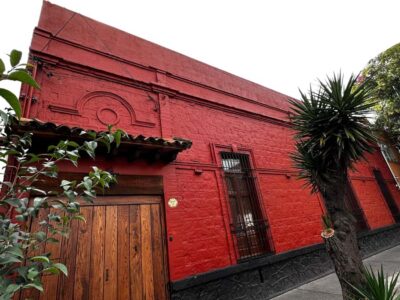
CDMX: Xochimilco, Coyoacan, Frida Kahlo Museum & Murals Tour
Read our review →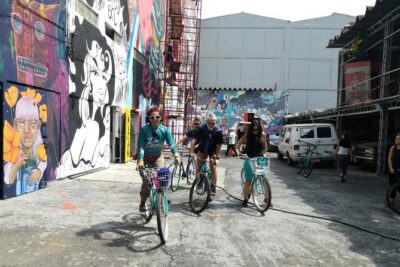
Mexico City; ART NACO : Murals & Street Art Bike Tour
Read our review →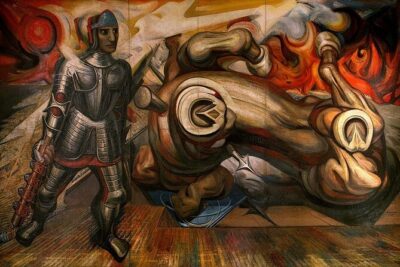
Walking Tour – Impressive murals in Historical Center of Mexico City
Read our review →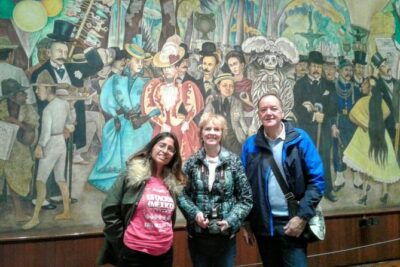
La Catrina & Muralism: Diego Rivera’s Legacy & Frida Kahlo
Read our review →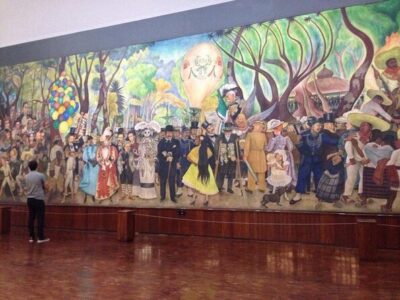
Muralist Art Semi Private Walking Tour in Mexico City Downtown
Read our review →
Xochimilco floating gardens, Coyoacan and UNAM murals
Read our review →