
Review · MEXICO CITY
La Catrina & Muralism: Diego Rivera’s Legacy & Frida Kahlo
Mexico City’s mural tradition is not wall decoration. It is history told in paint, often with workers, revolutionaries, Indigenous figures, and political arguments filling the frame. This 2.5-hour walk brings that story together through San Ildefonso, Museo Vivo del Muralismo, Museo Mural Diego Rivera, and Palacio de Bellas Artes.
I like two things right away: museum admission and public transportation are included, and the small group size is capped at 12. I also like the guides’ personal approach. Addy, Sofía, Ulysses, Waryor, Diana, David, and others are praised for making complicated art and politics easy to follow.
The main caution is timing. The planned route takes about 2 hours 30 minutes, but passionate guides may spend longer at the murals, sometimes more than four hours. Bring water and a snack, and do not schedule a tight lunch appointment afterward.
Key points
- See La Catrina in its most famous setting: Museo Mural Diego Rivera presents one of Mexico’s best-known mural scenes, tied to Día de Muertos and national identity.
- Visit the place where Rivera and Kahlo met: San Ildefonso adds a human story to the art history.
- Look beyond the headline museums: Guides may point out murals in markets and less obvious corners that are easy to miss alone.
- Follow muralism beyond Rivera: The route connects Rivera with José Clemente Orozco and David Alfaro Siqueiros.
- Keep your walking shoes on: This is an active outing with a lot of standing and movement between sites.
- Pay $66.14 for a small, guided art lesson: The price includes museum tickets and transit, which makes it more useful than a simple sightseeing walk.
Why Mexican muralism matters
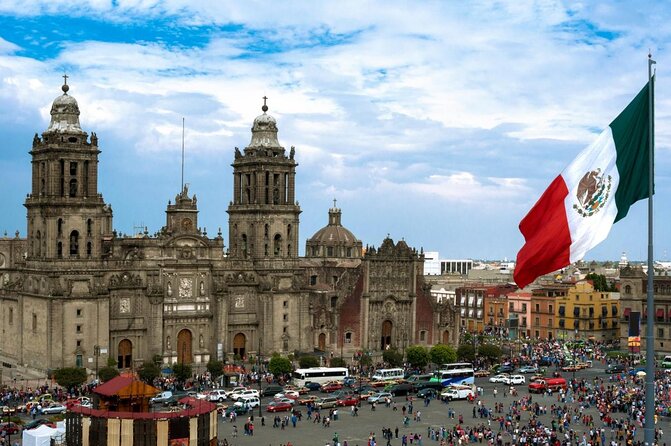
Mexican muralism grew into one of the major art movements of the 20th century, and this tour explains why it mattered beyond galleries. After the Mexican Revolution, murals became a public way to discuss workers, Indigenous communities, education, religion, poverty, conflict, and the country’s changing identity.
That public role is the key. You are not just looking at a large painting and searching for Diego Rivera’s signature. You are learning how a wall could serve as a classroom, a political statement, and a national story.
I especially value the way this subject connects art with ordinary life. Rivera’s work is often crowded with people, tools, food, clothing, and scenes of labor. Orozco and Siqueiros bring their own views and tensions to the story. A guide helps you see why these artists did not always agree and why their murals can feel both celebratory and sharply critical.
The experience is offered in English and uses one language throughout. That matters in a tour built around symbols and political references. You have a better chance of following the details without constantly switching between explanations.
More Muralism Tours around Mexico:
- Xochimilco, Coyoacan and Frida Kahlo with Optional Lunch
★ 4.5 · 7,320 reviews - CDMX: Xochimilco, Coyoacan, Frida Kahlo Museum & Murals Tour
★ 4.4 · 3,025 reviews - Muralist Art Semi Private Walking Tour in Mexico City Downtown
★ 5.0 · 188 reviews
Starting at San Ildefonso with Rivera and Kahlo
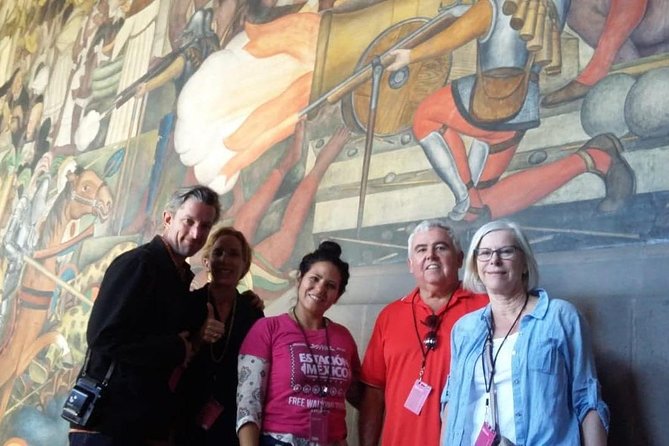
The meeting point is the former Colegio de San Ildefonso, at Justo Sierra 16 in Centro Histórico. The tour begins at 11 a.m., with admission included.
The building is important before the guide even begins discussing its art. San Ildefonso witnessed the beginning of the relationship between Diego Rivera and Frida Kahlo, the couple most closely linked with Mexican modern art. A short introduction here gives you a personal entry into a movement that can otherwise feel very large and academic.
Expect about 35 minutes at this first stop. The guide introduces Rivera’s life and work, then places his relationship with Kahlo within Mexico’s artistic world. I like this choice because it gives you a person before giving you a movement. Rivera is easier to understand once you have a sense of the artist behind the public murals.
This is also a useful place to ask questions. Guides such as Addy and Sofía have been praised for explaining art in clear language, while Ulysses and Waryor are known for adding context about Mexican society and the events that shaped the muralists.
Do not expect a full Frida Kahlo museum visit here. The focus is Rivera, the early connection with Kahlo, and the setting where that story began.
Reading three levels at Museo Vivo del Muralismo
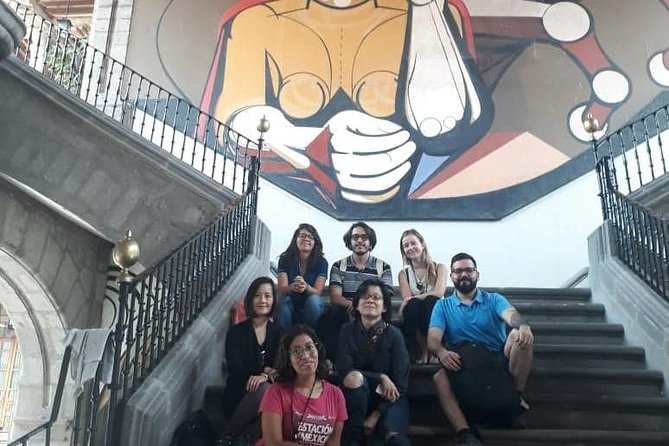
The next stop is Museo Vivo del Muralismo, a site arranged across two courtyards and three levels. About 35 minutes is allotted here, with admission included.
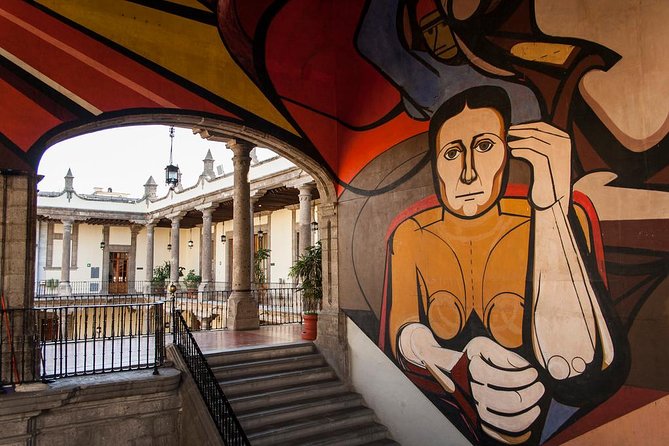
The layout gives you a chance to see mural art in an architectural setting rather than as a single isolated work. Courtyards and multiple floors change the way you move through the paintings. You can look at the art itself, then consider how public buildings shape the way people encounter it.
This is where the tour’s broader focus becomes clear. Although Rivera is the best-known name in the title, Mexican muralism is not a one-artist story. The route can bring in José Clemente Orozco and David Alfaro Siqueiros, two other major muralists whose work carries different political moods and visual styles.
I would pay attention to the guide’s explanation of symbols here. A painted crowd, a worker, a religious image, or a historical figure may carry more than one meaning. The best part of the tour is not simply being told what appears in a scene. It is learning how to ask why that person or event was included, and whose version of Mexico the artist is presenting.
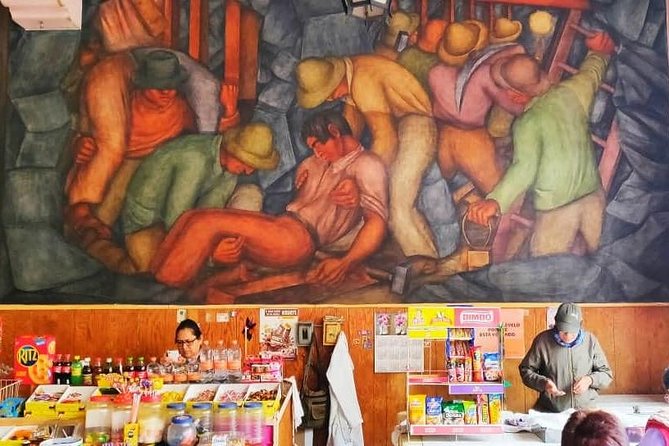
Some guides may also show you public art in markets or less obvious areas near the route. That is a real advantage over visiting only the famous museums. You might pass a mural without noticing it on your own, while a guide who knows the area can point out its location and explain its place in the larger story.
La Catrina and the Museo Mural Diego Rivera
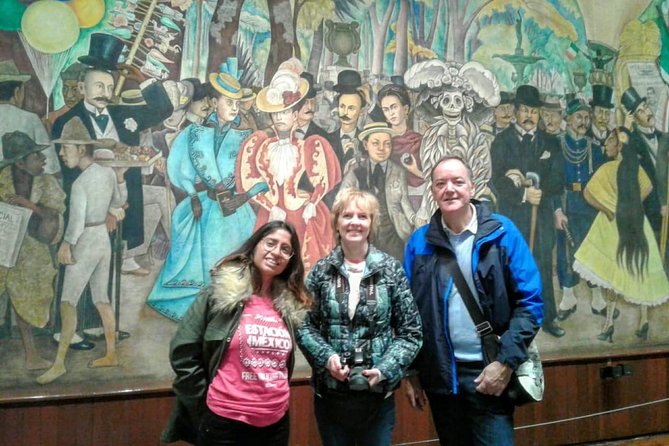
The third stop is Museo Mural Diego Rivera, with roughly 30 minutes set aside. The central work features La Catrina, the elegant skeleton associated with Día de Muertos.
For many people, this is the visual high point of the walk. La Catrina is instantly recognizable, but the mural gives the figure more weight than a colorful symbol on a souvenir. The work brings together death, class, politics, memory, and Mexican identity in a single scene.
A guide is especially useful here because large murals can overwhelm you. There is so much to see that you may miss smaller figures or relationships between the people in the composition. The explanation helps you move from that looks impressive to I understand what this scene is doing.
I also like the way this stop ties Rivera’s art to the larger Día de Muertos tradition without reducing the subject to decoration. La Catrina has become an international image, but the mural lets you consider how the figure works within a Mexican cultural and political setting.
The museum is compact compared with a full-day art museum visit, which helps keep the route focused. At the same time, 30 minutes may feel short if you want to study every part of the painting. If the guide is spending extra time on questions, the schedule may stretch.
More Street Art Tours around Mexico:
- Cancun Street Food Tour with Food Stalls, Local Market and Murals
★ 5.0 · 723 reviews - Mexico City; ART NACO : Murals & Street Art Bike Tour
★ 5.0 · 284 reviews - History and Murals: Walking Tour Guadalajara
★ 5.0 · 237 reviews - Walking Tour – Impressive murals in Historical Center of Mexico City
★ 5.0 · 224 reviews
Ending at Palacio de Bellas Artes
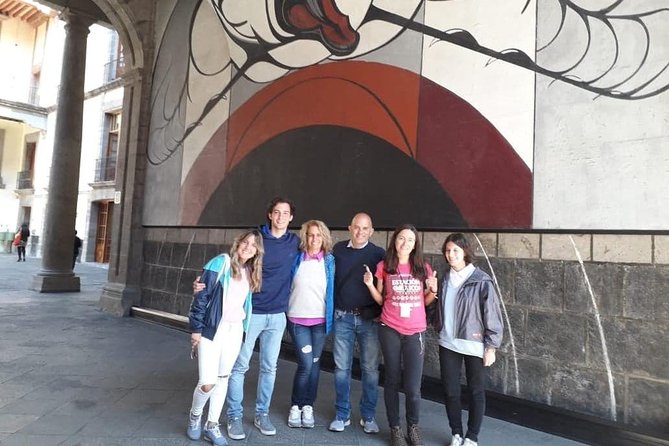
The walk finishes at Palacio de Bellas Artes, Mexico City’s major cultural venue. About 30 minutes is planned here, and this final stop brings the Rivera story to a strong close.
The focus is Rivera’s controversial mural created in the United States and later preserved at Bellas Artes. That detail gives the work a useful political edge. Rivera’s art was never only about style. His murals could challenge power, class, and public ideas about who deserved to be represented.
The setting also matters. Bellas Artes is not merely a convenient endpoint. It gives the tour a sense of arrival, placing Rivera’s work inside one of the city’s most important cultural buildings.
Some people have requested Bellas Artes as part of their route, and the guide may offer practical suggestions for what to do nearby after the tour. The walk ends close to the Palace of Fine Arts on Avenida Juárez, so you can continue exploring Centro Histórico or stop for food in the area.
The route can vary if museum availability changes. That is worth keeping in mind if you are booking mainly for one specific work. The provider notes that sites may be adjusted, so ask at the start if a particular mural is your top priority.
The guides make the difference
The strongest feature of this experience is the human guide. The subject covers politics, art theory, revolution, class, and national identity, but the best guides keep it understandable.
Addy is described as warm, friendly, lively, and strong at explaining murals. Sofía is repeatedly associated with passion and clear teaching, especially when showing public art in places you might not find alone. Ulysses is praised for bringing out the less obvious details of buildings and for explaining how Mexican history shapes the paintings.
Waryor, also called Warrior or Guerrero, has led particularly personal walks. His strength is storytelling, with plenty of attention to artists, locations, and the city around the murals. One account describes him continuing the experience later so a missed mural could still be seen. That shows the kind of flexibility that can make a small-group tour feel personal.
Other guides, including Diana, David, and Erin, are noted for connecting the art to Mexican culture and history. The exact guide is not guaranteed, but the experience clearly depends on choosing a person who can tell the story, not just lead you from door to door.
The small maximum of 12 people helps. You can ask questions without speaking over a large crowd, and the guide can adjust the pace when the group is interested in a certain mural. On a very small departure, you may even have an almost private walk, though that depends on the day.
How much walking and standing should you expect?
This is an active city walk. You move through museums and central streets, use public transportation, and spend much of the time standing.
That does not mean you need to be an athlete. Most people can participate, and the route begins and ends in central locations near public transportation. Still, you should wear comfortable shoes and plan for more time on your feet than the 2.5-hour duration might suggest.
There is no scheduled food or drink stop listed. Because the route begins at 11 a.m., an extended version can run into lunchtime. I would carry water and a small snack, especially if you like to linger over paintings or ask many questions.
The practical issue is not just physical effort. A longer tour can affect the rest of your day. If the guide follows the planned schedule, you should finish around early afternoon. If the group spends extra time in museums or adds public art stops, you may finish much later.
Is $66.14 a fair price?
At $66.14 per person, this is not the cheapest way to see downtown murals. It is also more than wandering through the area with a map. The price includes museum admissions, public transportation, and an English-speaking art guide, which makes the value easier to judge.
I think the cost is fair if you want interpretation rather than a checklist of buildings. The murals are public art, but their meaning is not always obvious. A good guide can show you how the paintings connect to the Revolution, Mexican society, Día de Muertos, and the artists’ competing views.
The small group limit also matters. You are paying for access to a person who can answer questions and adjust the conversation, not just for entry tickets.
The value is weaker if you already have strong knowledge of Rivera, Orozco, and Siqueiros and prefer to study works at your own pace. In that case, you might want to visit the museums independently and spend longer at each painting.
The tour has a 4.7 rating from 197 ratings, with 93 percent recommending it. Those figures suggest strong satisfaction, but I would still book with the timing warning in mind. The most common practical concern is that the experience can run far beyond the advertised length.
Who should book this mural walk?
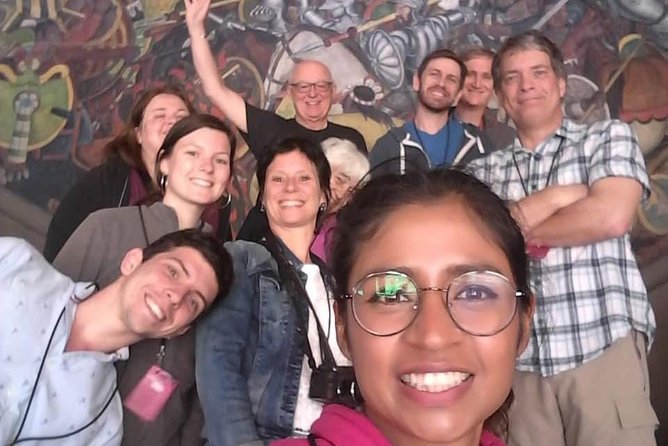
I would recommend it to first-time visitors who want a meaningful introduction to Mexico City’s Centro Histórico. It is also a strong choice for art students, teachers, mural painters, and anyone who wants to understand why Mexican public art carries so much political weight.
Families can enjoy it if children or teenagers are comfortable walking, standing, and listening to a sustained explanation. One parent and a 14-year-old found the small setting especially useful because they could ask many questions.
Solo visitors may get the most flexibility from the format. A small group makes it easier to speak with the guide, and the route can feel more like an informed walk with a local art specialist than a fixed bus excursion.
I would be more cautious if you have limited mobility, need regular sitting breaks, or have a strict schedule. The available information says most people can participate, but it also makes clear that the outing involves movement and long periods of standing.
The meeting point is convenient, and the end near Bellas Artes gives you a useful base for the rest of the day. Free cancellation is available up to 24 hours before the 11 a.m. start time. Inside that window, changes and refunds are not accepted.
Should you book it?
Book this tour if you want Mexican muralism explained through people, politics, and place. The strongest reasons are the small group, included museum tickets, access to less obvious murals, and guides such as Addy, Sofía, Ulysses, and Waryor who bring real feeling to the subject.
Skip it if you want a short, quiet museum visit with no fixed pace. Also skip it if you cannot spare extra time after lunch, since the walk may run much longer than 2 hours 30 minutes.
For most art-minded visitors, I think the price earns its place in a Mexico City itinerary. Bring water, wear good shoes, keep your afternoon open, and let the guide show you why these murals are more than colorful walls.
FAQ
How long does the tour last?
The planned duration is approximately 2 hours 30 minutes. It may run longer if the guide spends extra time explaining the murals or answering questions.
What language is the tour offered in?
The tour is offered in English and uses one language throughout.
Where does the tour begin?
It begins at the former Colegio de San Ildefonso, Justo Sierra 16, Centro Histórico, Mexico City.
Where does the tour end?
It ends near Palacio de Bellas Artes on Avenida Juárez in Centro Histórico. The guide provides suggestions for nearby activities and places to eat.
Are museum tickets and transportation included?
Yes. Admission to the museums and public transportation are included. Food and drinks are not included.
What happens if I need to cancel?
You can receive a full refund if you cancel at least 24 hours before the experience start time. Cancellations or changes made less than 24 hours before the start are not accepted and are not refunded.
Freshly painted around Mexico
- Xochimilco floating gardens, Coyoacan and UNAM murals★ 4.0 · 6 reviews
- UNAM: Murals & Revolution★ 4.9 · 8 reviews
- Street Art & Cemetery Cultural Tour – half day★ 5.0 · 3 reviews
- Graffitis & Munchies biketour Playa del Carmen★ 4.5 · 18 reviews
- Street Art Walk★ 4.5 · 7 reviews
- Diego Rivera’s murals, hidden treasures★ 5.0 · 21 reviews
- Tour Women Muralists : Strokes that resist Mexico City★ 5.0 · 7 reviews
- Private Street Art Tour in Rome★ 4.0 · 4 reviews
Mexico City Street Art Tours, compared.

Xochimilco, Coyoacan and Frida Kahlo with Optional Lunch
Read our review →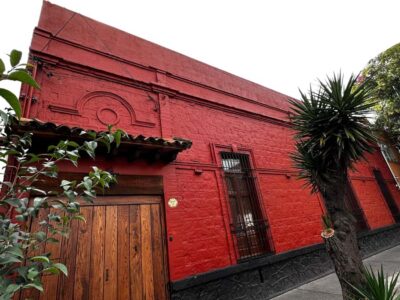
CDMX: Xochimilco, Coyoacan, Frida Kahlo Museum & Murals Tour
Read our review →
Mexico City; ART NACO : Murals & Street Art Bike Tour
Read our review →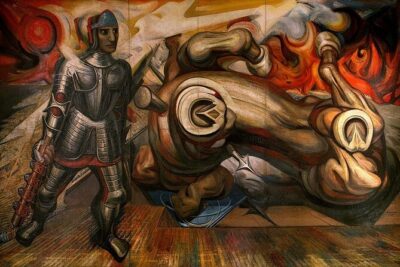
Walking Tour – Impressive murals in Historical Center of Mexico City
Read our review →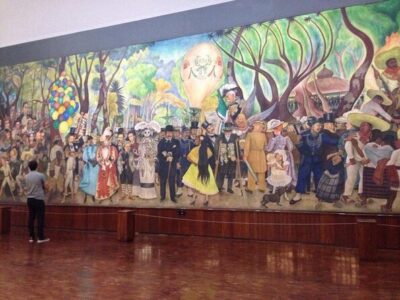
Muralist Art Semi Private Walking Tour in Mexico City Downtown
Read our review →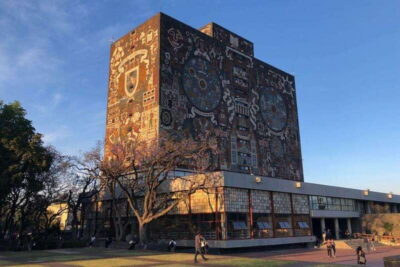
Xochimilco floating gardens, Coyoacan and UNAM murals
Read our review →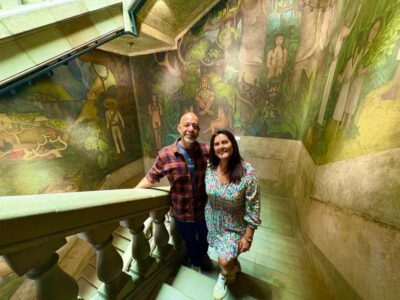
Mexico City: Diego Rivera’s Murals Guided Walking Tour
Read our review →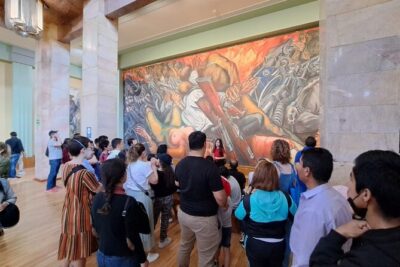
Browse the lists this tour appears in