
Review · ROME
Rome street art tour: off the beaten path with a local guide
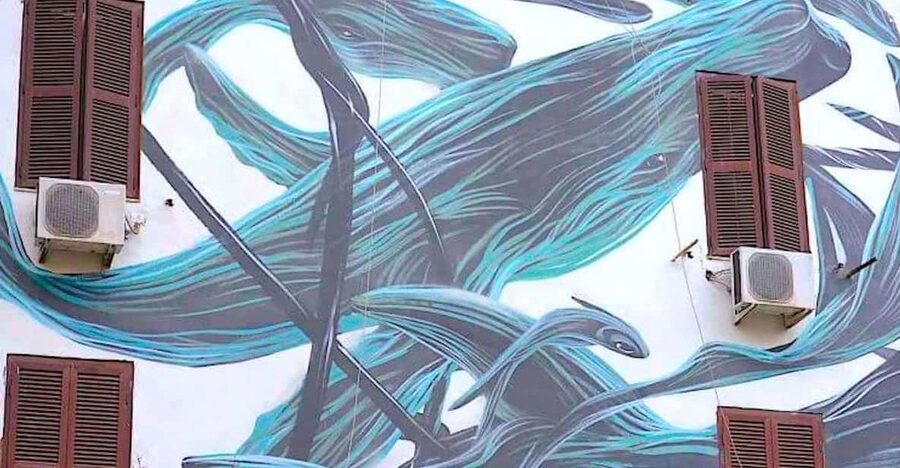
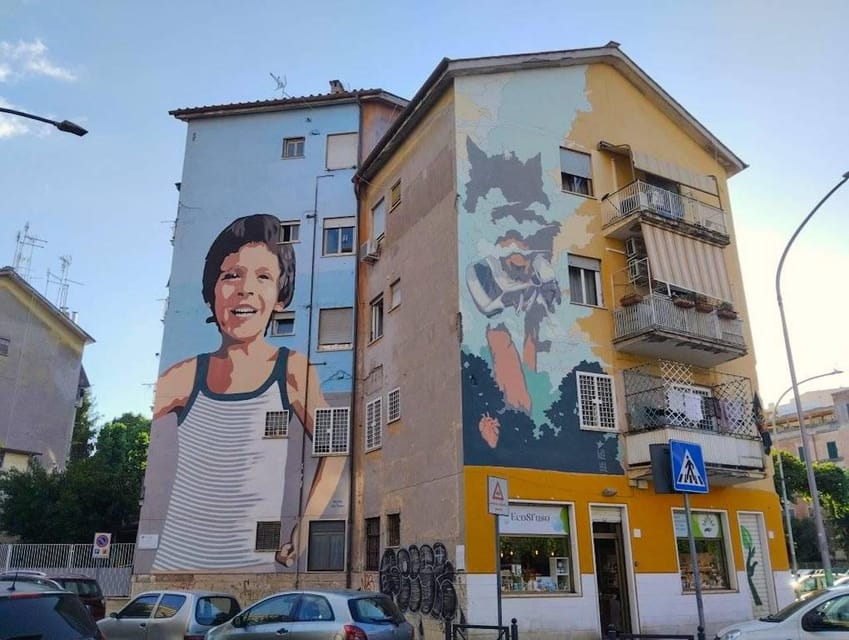
Rome’s street art is at its best when it leads you into places you would not think to visit. This walk takes you through Garbatella and Tor Marancia, two Roman neighborhoods far from the usual monument trail, with about 30 murals along a 4-kilometer route. I like the mix of public art and local history, and I like that Lisa, a Rome-born guide, connects each area to the people and events that shaped it.
You should know that this is a real urban walk, not a quick stroll between photo stops. Comfortable shoes are required, summer sun can be strong, and the stated timing varies between 2.5 and 3 hours. If you want Rome’s famous ancient sights, this is not the right tour. If you want a quieter, more local side of the city, it is a strong choice.
Key points at a glance
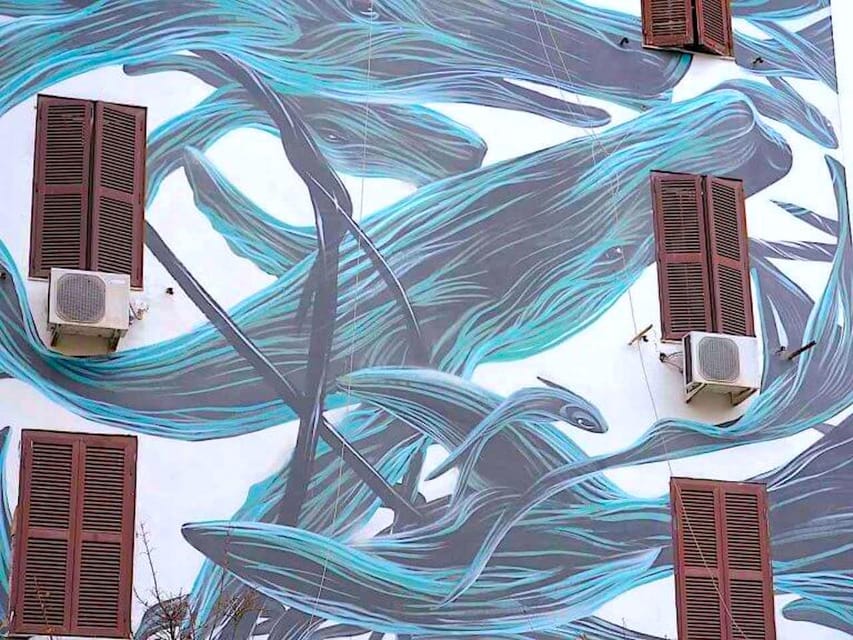
- About 30 murals: See a broad range of Roman street art and learn about the artists behind it.
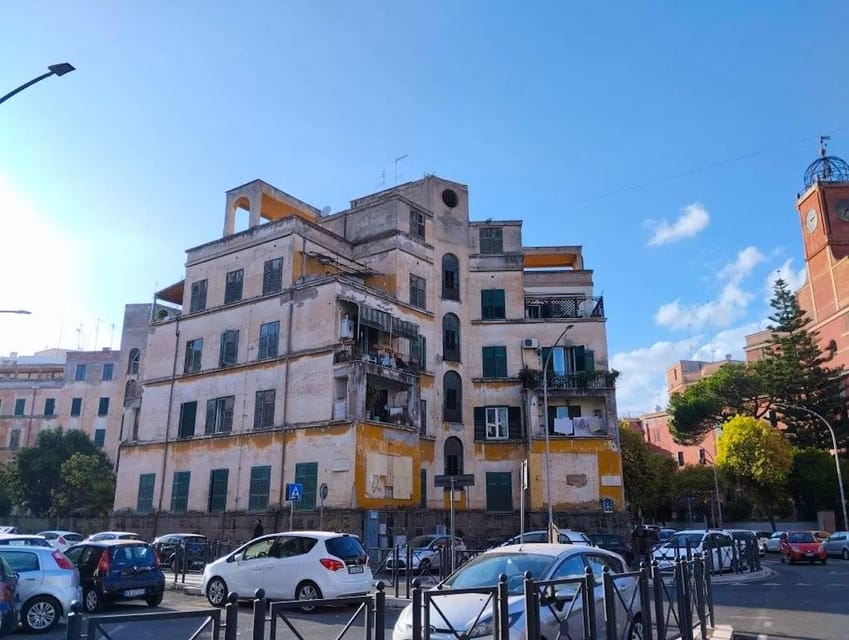
- Garbatella’s unusual design: Walk through a neighborhood shaped by early 20th-century architects, with architecture unlike almost anywhere else in Rome.
- Tor Marancia’s open-air art museum: Explore a district where large-scale contemporary murals turn ordinary walls into public art.
- Lisa’s local perspective: Your English-speaking guide was born and raised in Rome and focuses on neighborhood stories as well as art.
- A 4-kilometer circular route: Begin and end at Garbatella Metro station, with no need to arrange a second pickup point.
- Optional gelato stop: You may pause at a highly regarded gelateria, though the treat costs extra.
Why this street art walk feels different from central Rome
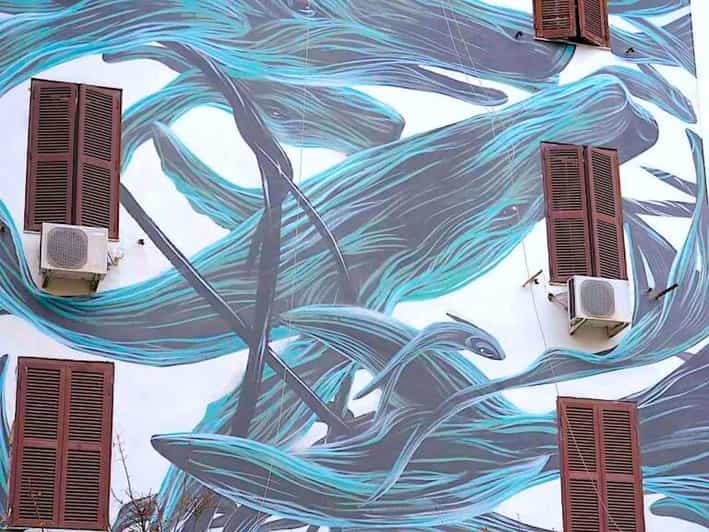
Most first visits to Rome revolve around ancient ruins, grand churches, fountains, and crowded squares. Those sights deserve their place, but they show only one side of the city. This tour shifts your attention to working neighborhoods where art appears on apartment blocks, blank walls, and public spaces.
I like that the murals are not treated as isolated decorations. Lisa explains the areas that host them, so you see how public art fits into Rome’s modern identity. The result is less a gallery visit and more a walk through two districts with their own character.
The route covers about 4 kilometers in a loop. That matters because you are not simply dropped beside a mural, shown a wall, and sent back to the center. You move through streets and squares, connect one art project to another, and return to the same Metro stop at the end.
The route is also a useful break from Rome’s crowds. Garbatella and Tor Marancia are not the city’s standard first-day stops, and the walk gives you a quieter setting for seeing local architecture and contemporary art. You still get a strong sense of Rome, just not the postcard version.
More Alternative Street Art Tours in Italy:
- Budapest: Street Art and Underground Movements Walking Tour
★ 5.0 · 365 reviews - Berlin: Street Art and Alternative Tour
★ 4.7 · 98 reviews - San Antonio E-Bike Tour: Murals, Street Art and Hidden Gems
★ 5.0 · 88 reviews
Meeting Lisa at Garbatella Metro station
The meeting point is the exit of Garbatella Metro station, beside a small colored amphitheater. This is a sensible starting place, since Garbatella is on Metro Line B, the blue line. You can also reach it by local bus.
Once you come out of the station, look for Lisa at the colored amphitheater. She introduces the route, explains the stops, and gets the group moving into the neighborhood. Her background matters here. She was born and raised in Rome, and the tour is built around her familiarity with areas that many people skip.
The English-language format makes the walk easy to follow if you do not speak Italian. The strongest praise for this experience centers on Lisa’s friendly manner, clear English, storytelling, and grasp of both the murals and the districts around them. That combination is important. Street art can be visually impressive, but the stories give you a reason to look twice.
Starting at a Metro station also makes this tour easy to fit into a Rome itinerary. You do not need a private transfer or a complicated meeting location. Allow enough time to reach Garbatella, especially if you are crossing the city from a hotel near the historic center.
Garbatella: Roman architecture beside public art
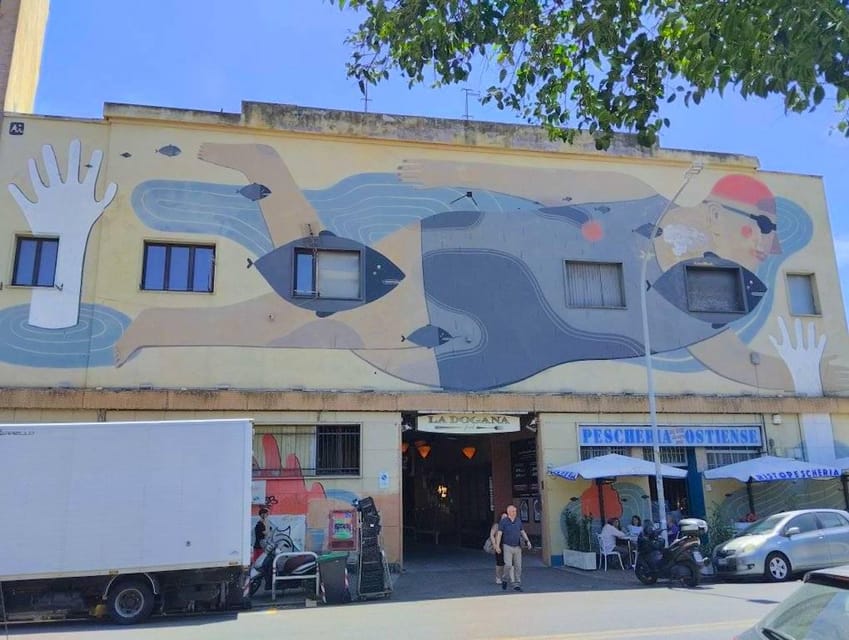
The first part of the walk explores Garbatella. The neighborhood is known for a design unlike the grand historic center, and the tour highlights buildings and urban spaces shaped by architects in the early 20th century.
You will see murals alongside the neighborhood’s distinctive architecture and monuments. The appeal comes from the contrast: painted walls bring contemporary color and ideas, while the surrounding streets show an older plan for city living. It is a good place to notice how Rome keeps adding new layers without erasing all the earlier ones.
Garbatella is especially valuable for people who enjoy cities as living places rather than collections of famous monuments. You are not only looking at art. You are also seeing how a Roman district functions, how its buildings are arranged, and how public projects have changed the feel of certain streets.
The murals themselves vary in subject and style. The tour does not give you just one repeated kind of artwork. Lisa explains their history and authors, helping you understand why particular walls matter. Since the walk includes around 30 works across both neighborhoods, you get a broad look at Rome’s street art scene rather than one signature piece.
Bring your camera. The setting offers more than flat wall photographs, since the murals are seen in relation to streets, buildings, monuments, and public spaces. Still, do not expect every mural to be perfectly preserved or staged for photography. Outdoor art changes with weather, maintenance, and the city around it.
An optional gelato stop can break up the walk here. The gelato is not included in the $41 price, so bring a little extra if you want it. This is a pleasant addition rather than a central part of the tour, and you should not count on it as a formal meal break.
Tor Marancia and its open-air contemporary art museum
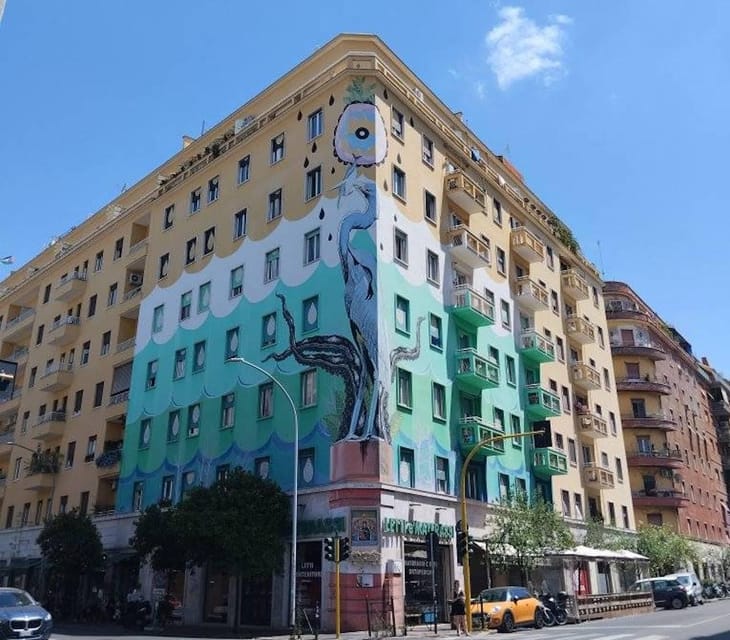
From Garbatella, the route continues to Tor Marancia. This neighborhood is the tour’s biggest visual surprise, especially if your picture of Rome is built around ancient stone and Renaissance decoration.
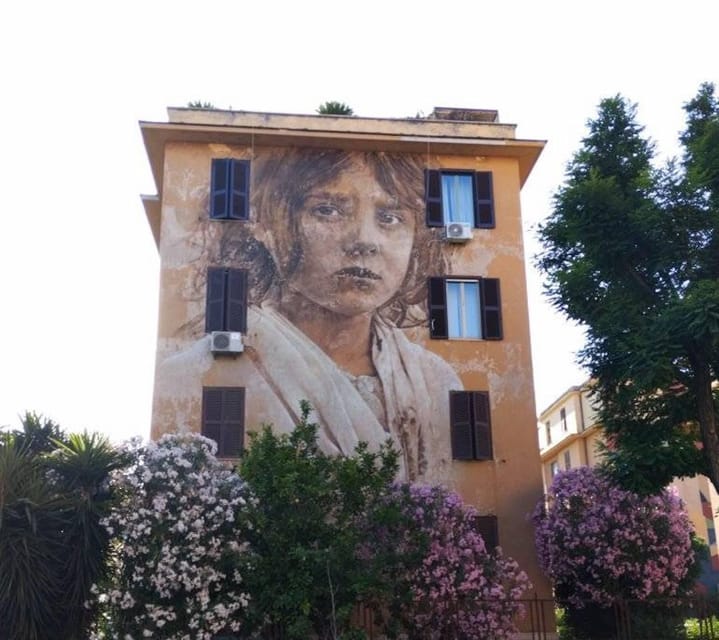
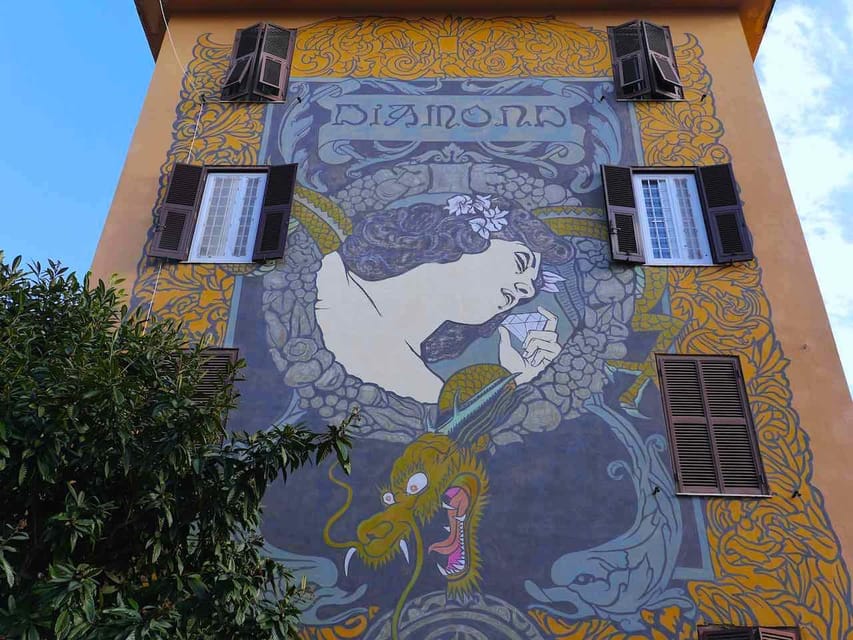
Tor Marancia is presented as an open-air museum of contemporary art. Large murals turn the neighborhood into an outdoor exhibition, and the scale of the work gives the area a different energy from Garbatella. Here, you can spend time looking at composition, color, faces, symbols, and the way each work changes the building around it.
The art is not kept behind museum doors. It shares space with ordinary streets and homes. That makes the experience more immediate, but it also means you should approach it as public art in a real neighborhood, not as a polished indoor collection. Lisa’s explanations help connect the paintings to their authors and to the area itself.
This stop is a good reason to choose the tour instead of trying to find murals on your own. You could locate some of the artwork with enough research, but you would miss the links between the neighborhoods and the context behind the projects. You also would not have the same help noticing works that might be easy to pass without a guide.
Tor Marancia can feel like a sharp change from the classic Roman route. That is part of its value. You are seeing how the city supports contemporary expression in places that are not usually part of a short Roman holiday.
More guided art walks around Italy:
- Pisa Street Art Self-Guided Bike Tour
★ 5.0 · 36 reviews - London: Street Art and Graffiti Guided Walking Tour
★ 4.9 · 1,354 reviews - Berlin: City Street Art Guided Walking Tour
★ 4.8 · 1,051 reviews - Palermo: Graffiti and Street Art Guided Tour in English
★ 4.8 · 684 reviews
The walk back through more murals
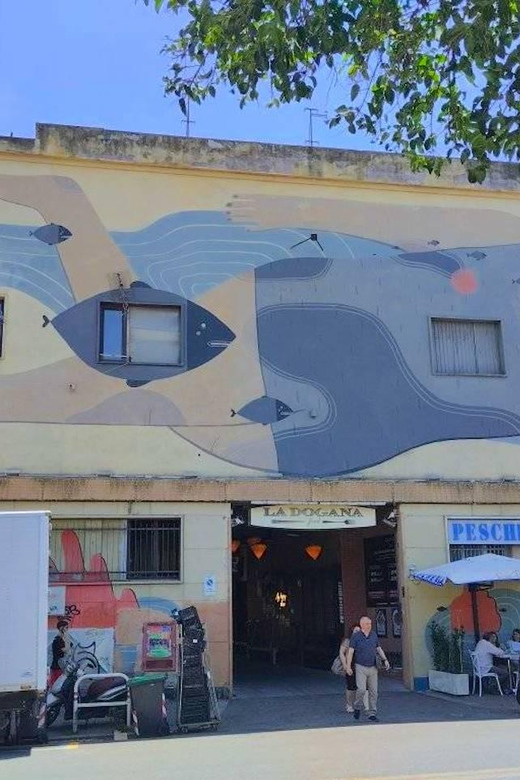
The return to Garbatella is not simply a transfer back to the station. The route continues through more street art, with Lisa talking about local culture and neighborhood history along the way.
This circular design gives the walk a natural rhythm. You begin with an introduction to Garbatella, move toward Tor Marancia and its large-scale works, then return through additional art before finishing where you started. You get a fuller view of the districts instead of retracing the same streets.
The walk also lets the guide adjust the emphasis to what catches your attention. If a particular mural or building interests you, you can use the time to ask questions about it. The information provided does not promise a private tour or a specific group size, so you should expect a shared walking experience rather than a personal art lesson.
The stated duration is 2.5 hours, while the itinerary describes a guided tour lasting 3 hours. I would keep your schedule flexible and avoid booking a tight lunch or timed attraction immediately afterward. The difference may be minor, but Rome walks are more enjoyable when you are not watching the clock.
What the $41 price delivers
At $41 per person, the main value is the combination of a local guide, roughly 30 murals, two neighborhoods, and a route that begins and ends at a Metro station. You are paying for interpretation and orientation, not admission to a museum or transport in a private vehicle.
That is a fair setup for people who want more than a list of mural locations. Lisa’s local knowledge is central to the experience. She explains the art, the authors, the neighborhoods, and the history that ties the stops together. The strongest feedback focuses on how friendly and well-informed she is, along with her ability to make the walk engaging.
The price is less attractive if you only want quick photographs. You could spend less by exploring on your own, provided you are willing to plan the route and research the works. The tour earns its cost through the stories and the efficient use of your time.
Gelato is not included. That is a small extra expense, but it is clearly optional. The walking tour itself is the included service.
The booking terms are practical for uncertain plans. You can reserve now and pay later, and cancellation is free up to 24 hours before the start time. Check the available starting times before booking, since the activity does not provide one fixed departure time.
Walking conditions and useful preparation
Comfortable shoes are mandatory. Four kilometers is not a huge distance, but you will be walking through urban streets for several hours, with stops to look at murals and buildings. This is not a good choice for anyone who wants a seated sightseeing experience.
Bring a water bottle. You will have a chance to refill it for free during the walk, which is useful in Rome’s warmer months. A hat is recommended in summer, and sunscreen would be a sensible addition even though it is not specifically listed among the requirements.
The route is outdoors, so weather will affect your comfort. The tour information does not promise shade, indoor stops, or sheltered viewing areas. In hot weather, choose light clothing and use the water refill opportunity. In cooler or wet conditions, plan for a normal city walk rather than a museum visit.
The language is English, and Lisa’s fluency is one of the tour’s strengths. If you care about stories and explanation as much as photographs, that makes a real difference.
Who should book this Rome experience
I would recommend this tour to repeat visitors who have already seen the Colosseum, Roman Forum, Pantheon, or Vatican area and want a new angle on Rome. It also suits first-time visitors who prefer neighborhood walks and modern culture over a packed list of famous sights.
Art lovers will get the most from the route, but you do not need formal art training. Lisa explains the works in an accessible way, and the neighborhood history gives the murals a wider setting.
This is also a good fit for photographers, architecture fans, and anyone who enjoys seeing how a city changes away from its center. The combination of Garbatella’s unusual design and Tor Marancia’s outdoor contemporary art gives you plenty to look at.
I would think twice if you have limited mobility, dislike walking, or need a precise finish time. The tour covers 4 kilometers, and the stated duration ranges from 2.5 to 3 hours. It is also not the best pick if your main goal is ancient Roman history or major museum collections.
Should you book the Garbatella and Tor Marancia street art tour?
Book it if you want to spend a few hours seeing a less familiar side of Rome, with a local guide who can explain both the murals and the neighborhoods around them. Lisa’s Roman background, strong English, and friendly storytelling are a major part of the value.
The best reasons to go are specific: about 30 murals, Garbatella’s unusual early 20th-century architecture, Tor Marancia’s open-air art museum, and a circular route that starts and ends at an easy Metro stop. Just wear proper shoes, carry water, and leave some time around the tour.
Skip it if you want a short, indoor, or monument-focused activity. For everyone else, $41 is a reasonable price for a well-organized introduction to contemporary Rome beyond the usual route.
FAQ
Where does the Rome street art tour begin?
The tour begins at the exit of Garbatella Metro station, beside a small colored amphitheater.
Where does the tour finish?
The walk returns to Garbatella Metro station, the same place where it starts.
How long does the tour last?
The activity is listed as 2.5 hours, while the itinerary describes a guided tour of 3 hours. Check the exact timing when you book and keep your schedule flexible.
How far do you walk?
The route is a circular walk of about 4 kilometers through Garbatella and Tor Marancia.
Which language is the tour offered in?
The live guided tour is offered in English.
Who leads the tour?
Lisa leads the walk. She was born and raised in Rome and focuses on street art, local history, and neighborhoods beyond the main tourist route.
Is gelato included in the price?
No. Gelato is an optional stop and must be paid for separately.
What should I bring?
Wear comfortable shoes, bring a water bottle, and consider wearing a hat in summer. You can refill your bottle for free during the walk.
Freshly painted around Italy
- Art & Craft: Beer Tour with Street Art in Rome★ 4.5 · 6 reviews
- Torpignattara Photo Tour: melting pot, street art and politics★ 5.0 · 5 reviews
- Naples Murals Catacombs and Folklore Sanità District Tour★ 4.5 · 5 reviews
- Street Art of Spanish Quarters and Maradona Tour★ 3.5 · 3 reviews
- The Spanish Quarters, Street Art and Local Market Tour in Naples★ 5.0 · 23 reviews
- Private Street Art Tour: Exploring Milan’s Hype Neighborhoods★ 5.0 · 2 reviews
- Street Art&Urban Vibes in Milan’s Most Exciting Rising Areas★ 4.4 · 5 reviews
- Spanish Streets – Maradona Street Art & Murals★ 5.0 · 3 reviews
Rome Street Art Tours, compared.
Rome: Ostiense Graffiti and Modern Street Art Walking Tour
Read our review →
Torpignattara Photo Tour: melting pot, street art and politics
Read our review →Browse the lists this tour appears in