
Review · ARGENTINA
Palermo: Graffiti and Street Art Guided Tour in English
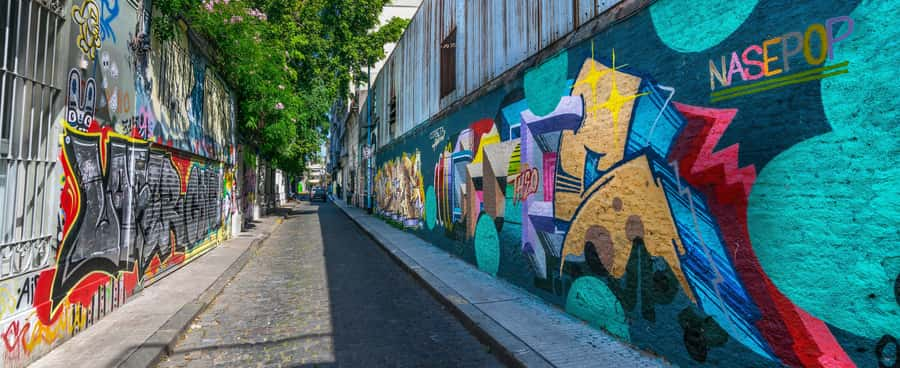
Palermo’s street art is more than colorful walls. It is a public record of Argentina’s politics, football loyalties, social conflict, and changing ideas about who has the right to mark a city. This two-hour English walking tour gives you that context while leading you through streets you could easily pass without noticing.
I like the clear price, just $13, and the smart route between Plaza Serrano and Plaza Inmigrantes de Armenia. I also like that guides such as Juan, Vito, Victor, and Ailen bring personal energy, humor, and local pride to the subject. The main consideration is that the route can feel less focused on famous sights than on small details, and group size may vary from intimate to fairly large.
Key points at a glance
- Political roots: Learn how graffiti was used for election campaigns, propaganda, and political endorsement in 1920s Argentina.
- Aerosol changed the streets: Discover how spray paint arrived in 1969 and made public messages much faster to create.
- Palermo’s art in context: See murals linked to football, local identity, protest, and everyday city life.
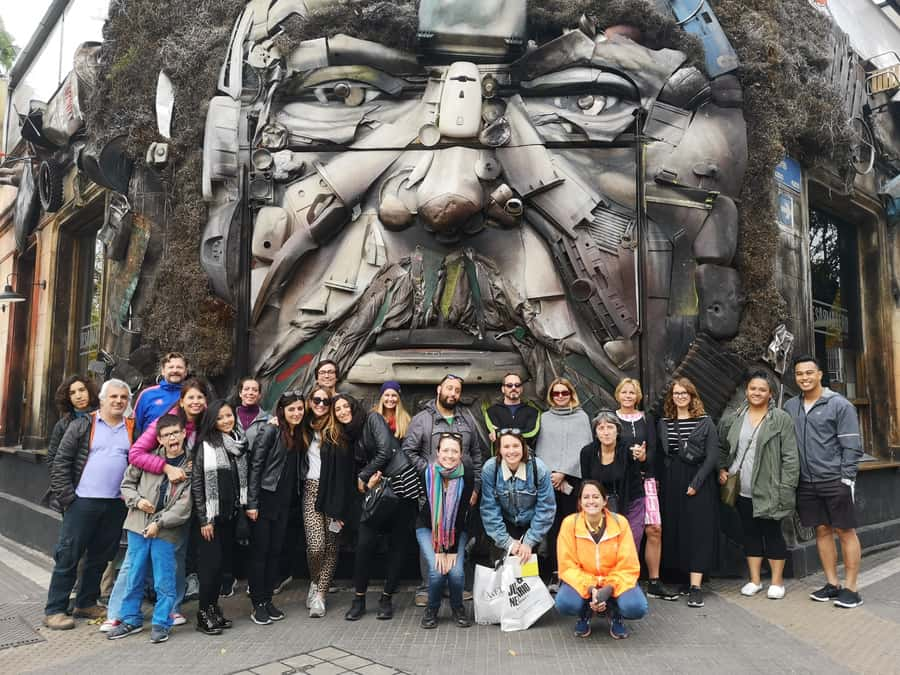
- A memorable photo stop: Photograph the Trump Wall graffiti at Madison Avenue Bar.
- Strong guiding: Guides including Juan, Vito, Victor, Ailen, and Elina are praised for humor, energy, and clear storytelling.
- Easy timing: The tour lasts two hours, runs in rain, and finishes in a lively Palermo area with no hotel transfer included.
Why Palermo is the right neighborhood for a street-art walk
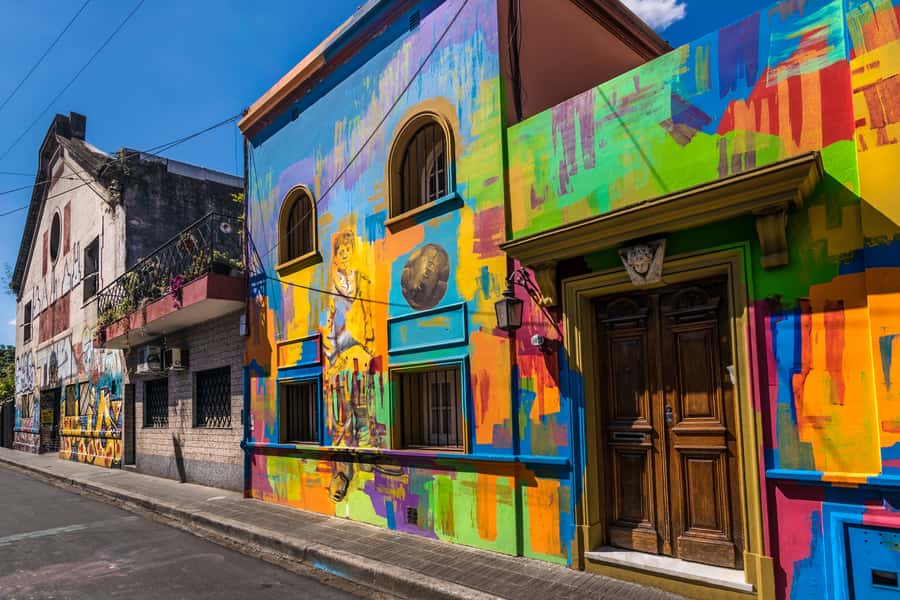
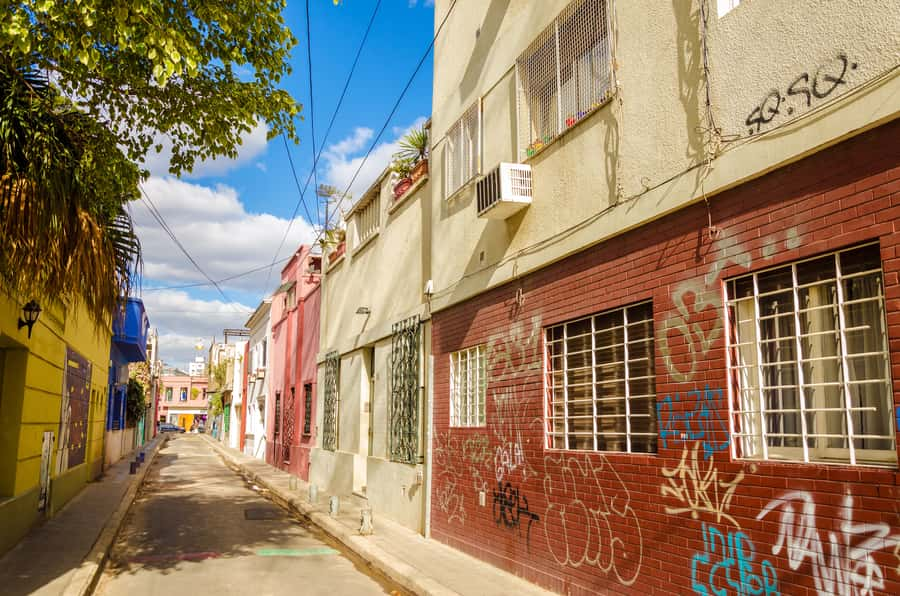
Palermo is one of Buenos Aires’s most eclectic areas, and the route focuses on Palermo Soho around Plaza Serrano, also called Plaza Cortazar. The neighborhood gives the tour a useful mix of polished cafés, independent businesses, ordinary side streets, and walls covered with images and lettering.
That contrast matters. Street art makes more sense when you see it on the walls of a working neighborhood rather than in a gallery. You can look at the art itself, then consider its location, scale, subject, and relationship to the surrounding streets.
The tour begins at Plaza Serrano, at the corner of Jorge Luis Borges and Honduras streets. Look for the guide in an orange shirt beside the large PALERMO sign. The meeting point is straightforward, but give yourself enough time to find the exact corner, especially if you are coming from another part of Buenos Aires.
From there, you walk through Palermo for about two hours. This is not a bus tour with distant views. You are on foot, stopping regularly while the guide explains what you are seeing. Wear comfortable shoes and expect a city walk rather than a formal museum visit.
More Graffiti Tours in the world:
- Medellin: Comuna 13 Graffiti Tour, Cable Car & Street Food
★ 4.8 · 9,046 reviews - Wynwood Graffiti Golf Cart Small-Group Tour
★ 5.0 · 1,646 reviews - London: Street Art and Graffiti Guided Walking Tour
★ 4.9 · 1,354 reviews
From 1920s propaganda to public protest
One of the best parts of the experience is that it does not treat graffiti as a recent fashion. The story reaches back to the 1920s, when Argentina’s political movements were gaining force and public writing could function as political endorsement.
Your guide explains how walls became tools for propaganda and election campaigns. In that setting, graffiti was not simply decoration. It helped political groups spread messages in places where people lived, worked, and gathered.
That early connection gives the rest of the tour more weight. When you later see a slogan, symbol, or painted figure, you have a better way to think about it. Who was the intended audience? Was the wall meant to persuade, protest, identify a group, or simply claim space?
The discussion also covers a later military government and the growing use of protest in Argentina. The social conflicts of the 1970s are part of the story, with street writing becoming one way people expressed opposition and frustration.
This section may appeal most to you if you enjoy understanding the forces behind public art. If you want only a quick collection of colorful backdrops for photographs, the political material may feel more serious than expected. That is also what makes the walk useful: the pictures are connected to a country’s public life.
The arrival of spray paint in 1969
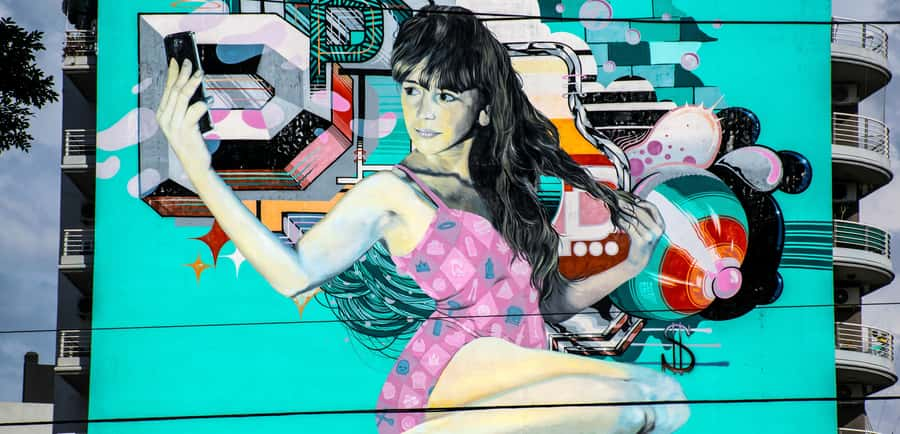
A key turning point comes in 1969, with the arrival of aerosol paint. Your guide explains why this new material mattered. Spray paint allowed messages to be written much faster than older methods, which changed how people could act in the city.
Speed is not a minor technical detail. A faster tool made it easier to leave a message quickly and move on. It affected the scale and style of urban movements during the 1970s, particularly at a time when political tension and protest were growing.
This is the kind of detail you are unlikely to get from simply wandering Palermo with a camera. You might notice a large mural or a sharp piece of lettering, but the guide helps you connect the tool, the political climate, and the finished work.
The tour also helps separate different forms of public marking. One useful question is where people draw the line between vandalism and accepted street art. The answer can depend on permission, location, subject, ownership, and the way a neighborhood responds.
Do not expect every wall to be presented as automatically good or important. The more useful approach is to consider why some works are preserved, why others disappear, and how public space becomes contested.
What you see along the Palermo route
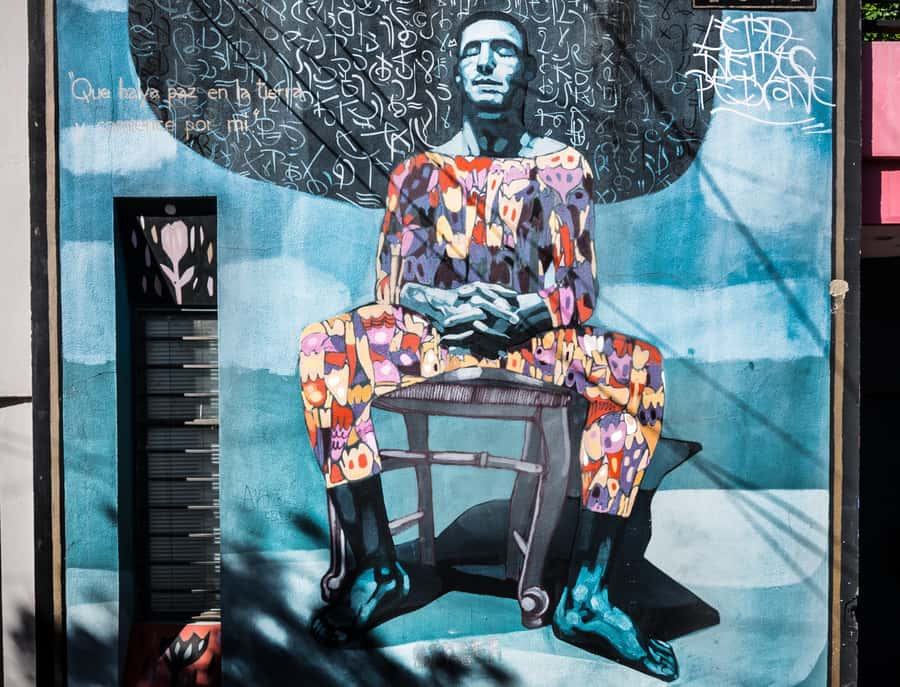
The exact artwork can change because street art is temporary. Walls are repainted, buildings change hands, and new work appears. Still, the route is built around a broad range of subjects and styles.
You may see murals connected with football, including the powerful sports culture that runs through Argentina. You may also see butterfly imagery, large-scale portraits, lettering, and works that mix personal stories with public symbols.
Football is not treated as a side note. It is part of the visual language of Buenos Aires, and guides often use it to explain local identity and emotion. If you are not a football fan, you can still appreciate how the subject turns a wall into a marker of belonging.
One especially clear stop is the Trump Wall graffiti at Madison Avenue Bar. It is a reliable photo opportunity and one of the advertised highlights of the walk. Bring your camera or phone, but listen before rushing to take pictures. The meaning of a work often matters more than its color or size.
The guides also point out details you might miss alone. That may include an artist’s style, a recurring image, a political reference, or the way a mural works with the wall around it. A good guide changes the way you look at the rest of Palermo after the tour.
More guided art walks around the world:
- Berlin: City Street Art Guided Walking Tour
★ 4.8 · 1,051 reviews - Glasgow: Street Art Guided Walking Tour
★ 4.8 · 385 reviews - Dresden: Neustadt District Street Art Guided Walking Tour
★ 4.3 · 333 reviews - 3-Hour Guided Street Art Walking Tour of Lisbon
★ 5.0 · 278 reviews
The guides make the difference
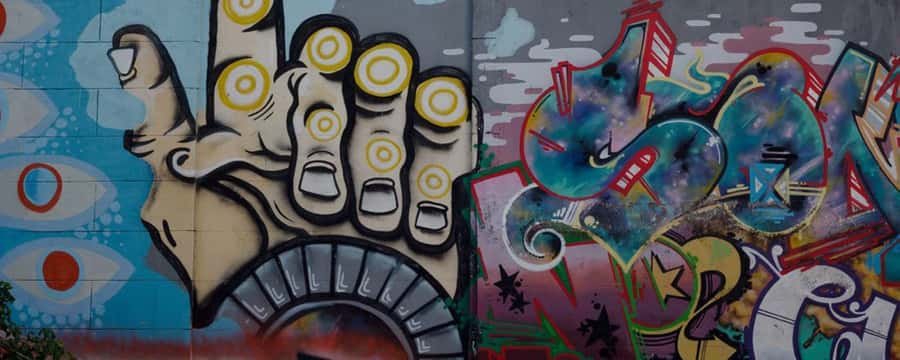
The strongest feature of this experience is the guiding. Several guides lead the walk, so your experience depends partly on who is working that day, but the names that come up repeatedly include Juan, Vito, Victor, Ailen, Elina, and Aylen.
Juan is praised for warmth, humor, local pride, and his ability to mix historical facts with personal stories. Vito is known for high energy and a strong interest in the artists, culture, politics, and sports behind the works. Victor brings enthusiasm to the subject, while Ailen and Elina are described as friendly, entertaining, and well prepared.
The common thread is not a dry lecture. The guides explain the art, answer questions, and connect it to Buenos Aires life. That makes a difference during a walking tour, where attention can fade if every stop becomes a long speech.
Group size may vary. Some departures feel small and relaxed, while others can be larger. A large group can make it harder to stand close to a wall or ask a private question, but the guides are praised for keeping people together and speaking clearly. If you need personal interaction at every stop, a smaller departure will suit you better.
A two-hour route with a useful ending
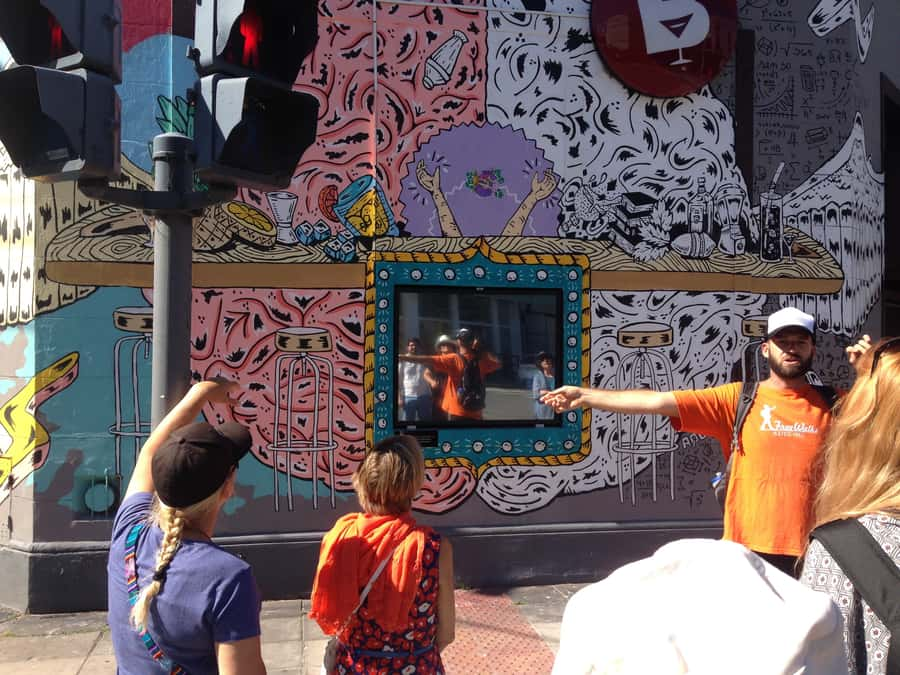
The walk finishes at Plaza Inmigrantes de Armenia. That is a practical ending because you are still in Palermo rather than being dropped somewhere remote. The route gives you a focused introduction without taking an entire afternoon.
Two hours is a good length for this subject. It is long enough to explain the political background and see a useful range of work, but short enough to fit around other Buenos Aires plans. You can schedule it early in your stay, then return to Palermo later with a better eye for artists and symbols.
Several people find that the tour changes how they see the neighborhood afterward. I understand why. Once you learn to recognize an artist’s style or notice the difference between a commissioned mural and a political mark, ordinary walks become more interesting.
The route is also paced for walking rather than speed. You will stop, listen, take photographs, and move on. If you prefer a packed schedule with one major sight after another, this may feel slow. If you like learning a city through small details, the pace is a strength.
Price, weather, and practical details
At $13 per person, this is one of the better-value ways to spend two hours in Buenos Aires. The price covers the guided walk, not food, drinks, hotel pickup, or hotel drop-off. You pay for interpretation and access to a route that would be difficult to recreate on your own.
The value is strongest if you care about the story behind the walls. You could walk around Palermo for free, but you would miss the explanation of political propaganda, the 1969 arrival of aerosol paint, and the links between protest, sport, and public art.
The tour operates in rainy weather, so a wet forecast does not automatically cancel your plans. Bring suitable clothing and shoes. The activity is listed as wheelchair accessible, though the experience still takes place on city streets with frequent stops and movement between artworks.
English is the tour language. The guide wears an orange shirt, and the large PALERMO sign helps identify the meeting point. The start is Plaza Serrano, or Plaza Cortazar, at Jorge Luis Borges and Honduras. The finish is Plaza Inmigrantes de Armenia.
You can cancel up to 24 hours before the start for a full refund, and the reserve-now, pay-later option gives you some flexibility. Starting times depend on availability, so check the schedule before building the rest of your day around it.
Who should book this walk
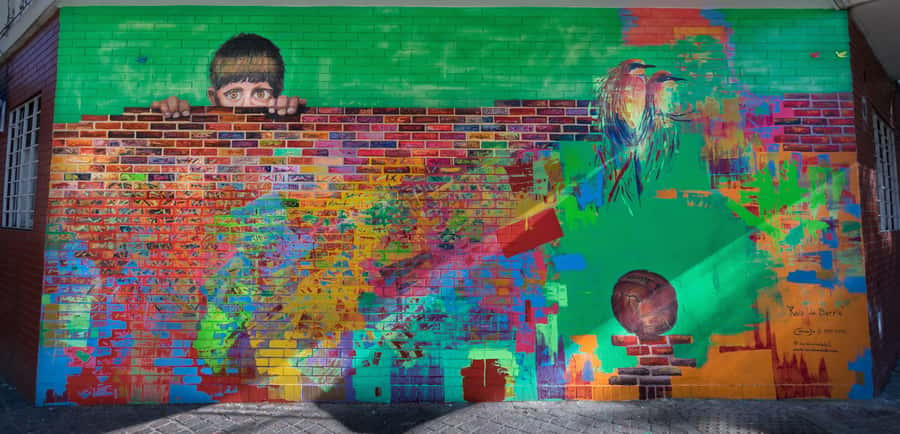
I would choose this tour if you want a stronger introduction to Buenos Aires than a simple photo walk. It suits you especially well if you like public art, political history, urban culture, football, photography, or local stories told by an enthusiastic guide.
It is also a good first activity in Palermo. The route helps you get your bearings, introduces the neighborhood’s visual language, and gives you ideas for exploring on your own later.
Families with older children and teenagers may enjoy the direct subject matter and colorful walls, though the political background requires some listening. Art students and photographers will get extra value from the discussion of technique, artists, and the difference between a mural and an unauthorized mark.
I would think twice if you dislike walking, want a private tour, or expect a fixed list of famous masterpieces. Street art changes, and the experience depends on the day’s route and guide. It is better understood as a guided look at a living part of Palermo than as a visit to a permanent collection.
Should you book the Palermo street-art tour?
Yes, if you want to see Buenos Aires through its walls. The $13 price is modest, the two-hour length fits neatly into a busy itinerary, and the subject reaches well beyond decoration.
Book it for the guide’s storytelling as much as for the murals. Juan, Vito, Victor, Ailen, Elina, and the other English-speaking guides bring politics, protest, football, and local character into the walk. If you want the city to make more sense after you leave the tour, this is a smart Palermo choice.
FAQ
Where does the Palermo street-art tour start?
It starts at Plaza Serrano, also known as Plaza Cortazar, at the corner of Jorge Luis Borges and Honduras streets. Look for the guide wearing an orange shirt beside the large PALERMO sign.
Where does the tour finish?
The walk finishes at Plaza Inmigrantes de Armenia in Palermo.
How long does the tour last?
The guided walking tour lasts two hours.
What language is the tour conducted in?
The live tour guide conducts the experience in English.
How much does the tour cost?
The listed price is $13 per person.
Is hotel pickup included?
No. Hotel pickup and drop-off are not included, so you must make your own way to Plaza Serrano.
Is food or drink included?
No. Food and drinks are not included.
What happens if it rains?
The tour still takes place in rainy weather. Bring clothing and footwear suitable for walking outdoors.
Is the tour wheelchair accessible?
Yes. The activity is listed as wheelchair accessible.
Freshly painted around the world
- Xochimilco floating gardens, Coyoacan and UNAM murals★ 4.0 · 6 reviews
- Your Own Belgrade: Street Art and Hidden Gems Walking Tour★ 5.0 · 2 reviews
- Wynwood Walls Street Art & Neighborhood Walking Tour★ 4.9 · 9 reviews
- Vancouver: Street Art & Craft Beer Walking Tour with Tasting★ 4.8 · 14 reviews
- Vancouver: Street Art & Craft Coffee Walking Tour w/ Tasting★ 4.8 · 11 reviews
- Zagreb Street Art Private Walking Tour with a Local Artist★ 5.0 · 12 reviews
- Urban Canvas: Osaka Street Art Bike Tour★ 5.0 · 10 reviews
- UNAM: Murals & Revolution★ 4.9 · 8 reviews
Argentina Street Art Tours, compared.
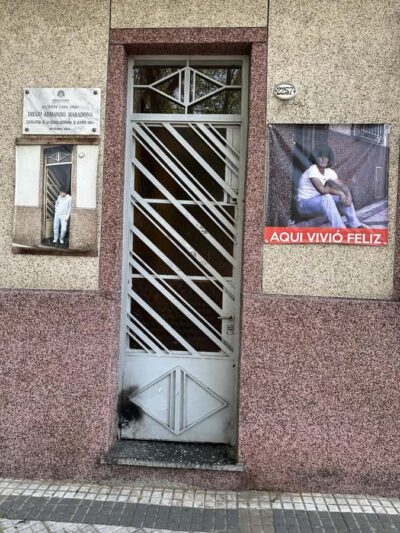
Maradona Tour: Murals, Chapel, Stadium, Museum, Casa D10S
Read our review →
Browse the lists this tour appears in