
Review · BERLIN
Berlin: Street Art and Alternative Tour
Berlin’s street art makes the city’s Cold War story feel close at hand. On this three-hour walk, you move through Kreuzberg and Friedrichshain, where murals, political messages, former Wall sites, and alternative culture are tied together rather than treated as separate sights. The East Side Gallery gives you the famous finish, but the smaller works and neighborhood streets often tell the more revealing story.
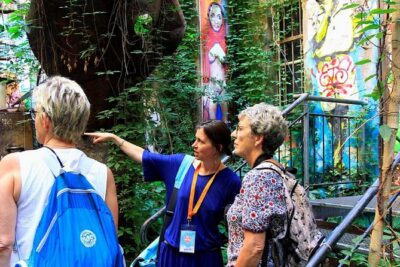
I like the way the tour links art to the social changes after 1989, and I like having a French- or Italian-speaking guide who can explain the background instead of simply pointing at walls. Guides such as Antonella, Iacopo, Martin, and Marie have been singled out for their warmth, clear storytelling, and command of Berlin’s art, architecture, and history. The main drawback is practical: you must buy a 24-hour AB public transport ticket, and the exact meeting point can vary by booking option.
Key points to know before booking
- Kreuzberg is the heart of the walk: Expect an alternative neighborhood shaped by Cold War division, post-Wall change, and current gentrification.
- Art comes with context: The guide explains how murals and small street pieces connect to politics, housing, identity, and Berlin’s 1990s revival.
- East Side Gallery is included: You’ll see the best-known stretch of Wall art after exploring less obvious works in the surrounding districts.
- French and Italian are available: This is especially useful if you want history and social issues explained in your strongest language.
- Budget for local transport: The tour price is $31 per person, but a 24-hour AB ticket is not included.
- Wear walking shoes: The experience lasts three hours and takes place on city streets, with transit used during the tour.
Why Berlin street art needs a history lesson
Berlin’s murals are not just colorful decoration. Many grew from the unusual conditions created by a divided city, cheap or empty buildings, political tension, and a strong alternative scene that took root after the Wall fell.
The tour presents street art as part of that story. You’ll look at the city through the changes that followed 1989: the collapse of the old border, the revival of neglected areas, the rise of creative culture, and the pressure of gentrification. That framing is the main reason to choose this walk over simply finding famous murals on your own.
I find this approach useful because Berlin’s street art can otherwise feel random. A huge painting may catch your eye, but without context you may miss why it appeared in that place, at that time, or in response to a particular social issue. A guide gives the images a setting and helps you read the city as you walk.
This is not a museum tour moved outdoors. The art can be temporary, altered, covered, or tucked away in a corner. You should expect an experience shaped by the city as it exists that day, not a fixed gallery with every work guaranteed to look exactly as pictured.
More Alternative Street Art Tours in Germany
- Street Art and Alternative Tour of Berlin in French
★ 5.0 · 49 reviews - Berlin Alternative Street Art Tour
★ 4.0 · 26 reviews - Berlin: Alternative Street Art Tour
★ 4.4 · 18 reviews
Starting in Kreuzberg, Berlin’s alternative quarter
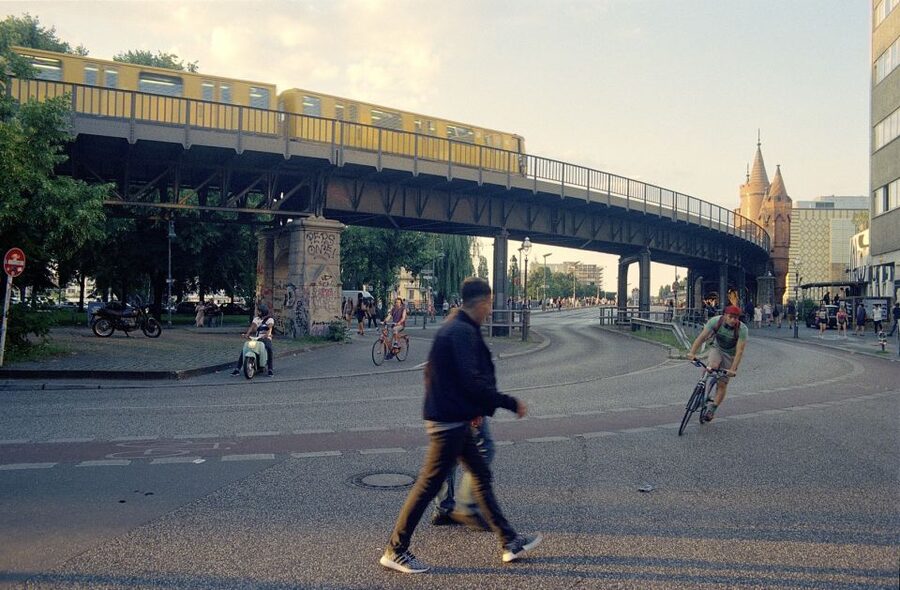
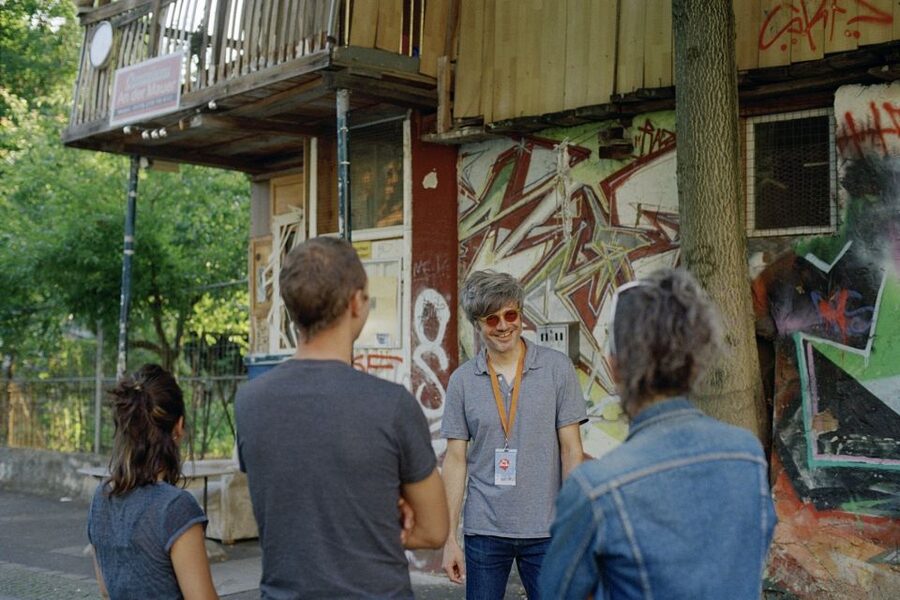
Kreuzberg is the natural center of the experience. The district sits close to the old divide between East and West Berlin and has long been associated with alternative culture, political activity, immigrant communities, independent spaces, and street-level art.
The tour uses the neighborhood to explain how Berlin’s identity changed after the Wall came down. Buildings and streets that once sat near a hard border became part of a newly connected city. The area’s reputation for creativity helped draw artists and curious visitors, but that attention also contributed to rising property costs and gentrification.
That tension gives the walk some bite. You are not being shown a polished art district with the difficult parts removed. You are being asked to consider who gets to shape a neighborhood, who can afford to remain, and how rebellious art changes when it becomes part of the city’s image.
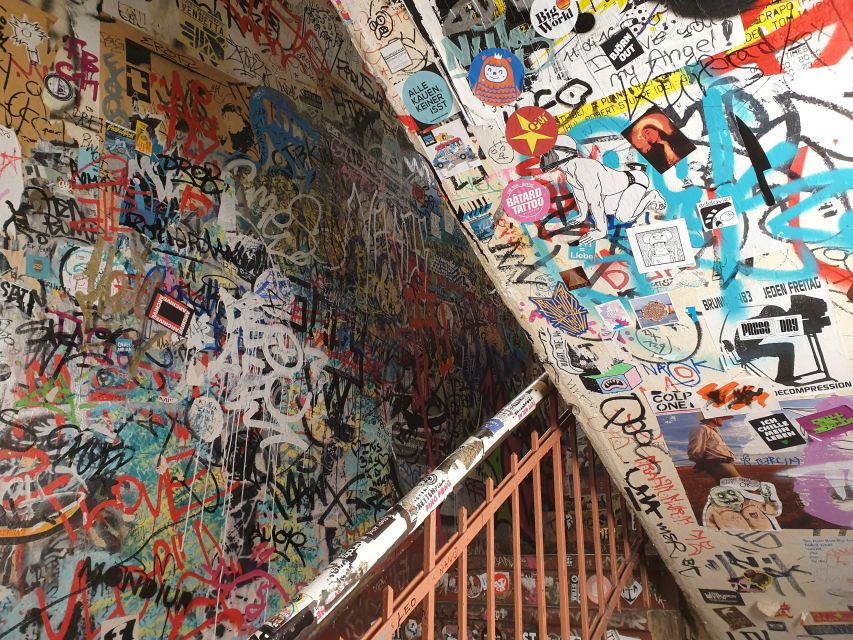
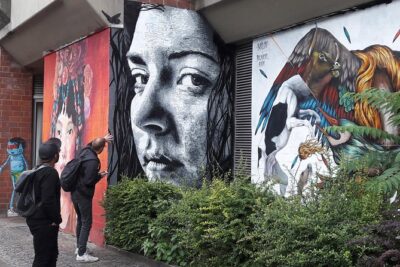
The route may include major murals as well as smaller pieces tucked into corners, courtyards, and side streets. The smaller works are easy to miss if you follow only the main sightseeing paths. I would keep your eyes open between stops and listen for the guide’s explanation of why a modest stencil or pasted image may matter as much as a giant wall painting.
Kreuzberg is also where the tour’s walking pace matters. Three hours gives the guide time to connect several ideas, but this is not a quick photo stop at one landmark. You’ll be on your feet, moving through an active neighborhood and pausing to discuss what you see.
From huge murals to small pieces in the city
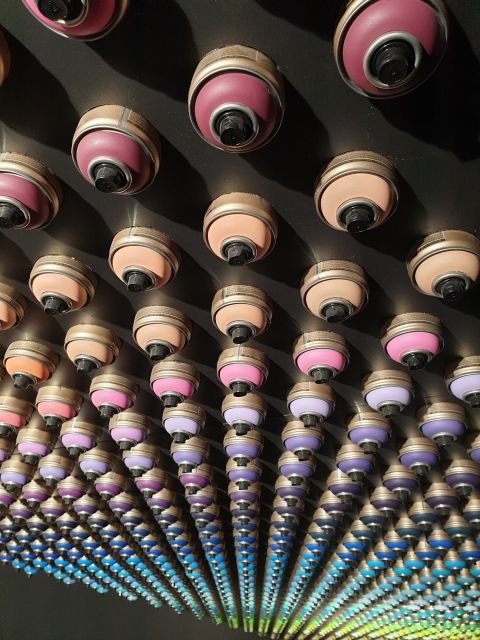
One of the strongest parts of this experience is the range of art. Berlin is famous for giant works spread across building walls, but the city’s street art also appears in narrow spaces, along ordinary streets, and in places you could pass without noticing.
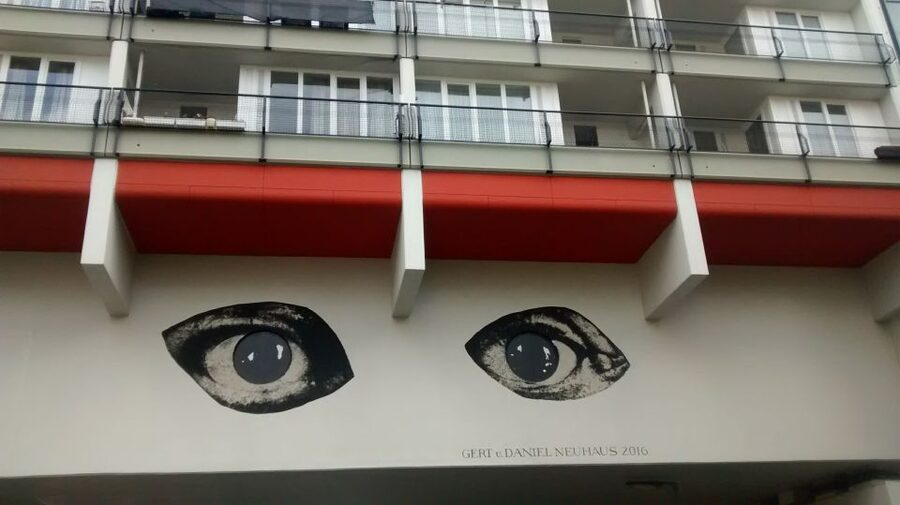
That contrast helps you understand the medium. A massive mural can speak across a whole block. A small piece may work through a symbol, a short message, or an image placed where only a few people will see it. The guide’s role is especially helpful here because the quieter works do not announce themselves.
The tour also treats art as political communication. Berlin’s walls have carried arguments about power, identity, division, money, and social rights. You’ll learn how urban art became part of the city’s alternative culture and how that culture helped shape Berlin’s revival during the 1990s.
I would not book this tour if you want only a list of famous artists and photo locations. The emphasis is broader. Architecture, history, economics, and present-day city life all enter the discussion. That makes it a better fit for you if you want to understand why the art exists, not simply collect pictures of it.
The exact works can change. Street art is exposed to weather, repainting, removal, and new construction. Think of the walk as a way to read Berlin’s changing streets rather than a promise of a permanent outdoor collection.
Reaching Friedrichshain and the East Side Gallery
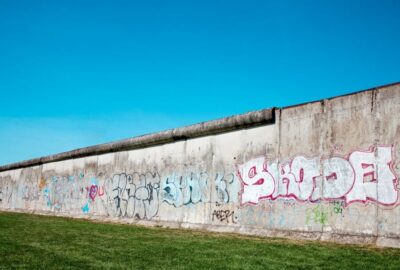
The East Side Gallery is the best-known art stop connected with the Berlin Wall. It occupies a long remaining section of the Wall, now covered with painted works. For many people, this will be the visual high point of the tour.
The setting matters. The paintings are not isolated in a gallery. They are placed on a physical remnant of the barrier that divided Berlin, Europe, and individual lives. Seeing art on that surface gives the political messages extra force, even when the images themselves are playful, symbolic, or abstract.
The tour does not begin and end with the East Side Gallery. Instead, it places the famous site within a wider route through Kreuzberg and Friedrichshain. That is a sensible choice. If you go directly to the Gallery alone, you can see the paintings but miss much of the social story that surrounds them.
Public transport is part of the plan, so you need a 24-hour AB ticket before joining. The ticket is not included in the $31 price. This adds a small cost, but it also allows the tour to connect districts that are not best understood from a single short walk.
Check your booking carefully for the meeting point. It can change with the option selected. One practical point raised by the route is that the walk may begin around Kotbusser Tor, but you should rely on the meeting details provided for your own booking rather than assume a fixed location.
More Alternative Street Art Tours in Berlin:
- Alternative Berlin & Street Art Tour
★ 4.5 · 14 reviews - Berlin: Alternative & Street Art Tour
★ 4.5 · 10 reviews - Alternative Berlin Private Tour with Jacob – Graffiti and Squats
★ 5.0 · 6 reviews - Alternative Berlin / Street art tour – Private group
★ 5.0 · 6 reviews
Guides who make the difference
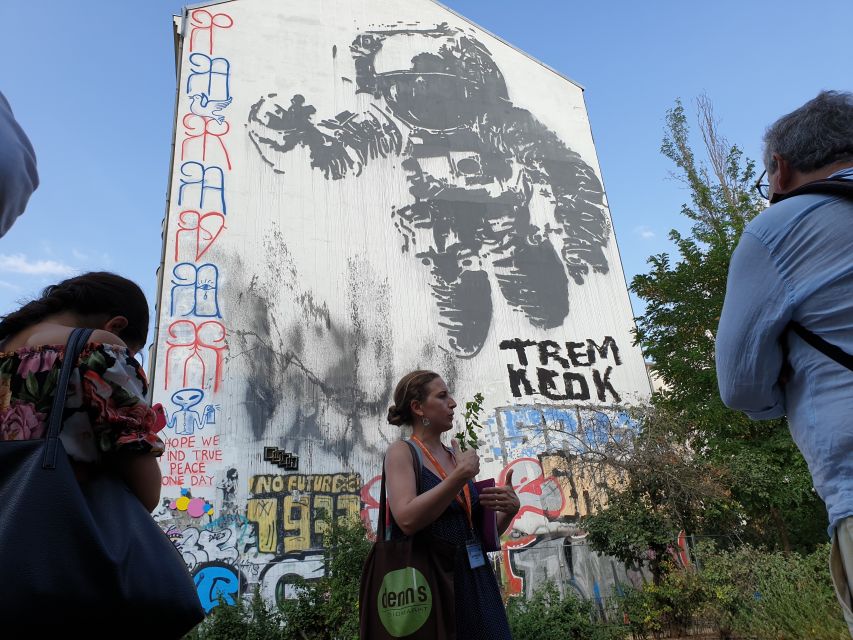
A street art walk depends heavily on the person leading it. The paintings are already on the walls. The guide supplies the sequence, the background, and the answers to your questions.
French and Italian are the available tour languages. Named guides associated with this experience include Antonella, Iacopo, Martin, and Marie. Their styles may differ, but the strongest qualities to look for are the same: clear explanations, a welcoming manner, and the ability to connect art with Berlin’s wider story.
Antonella and Iacopo have been praised for guiding with passion and bringing the city’s history to life. Martin is known for sharing his affection for Berlin in an accessible way. Marie has been appreciated for answering questions, adding current anecdotes, and showing Kreuzberg with real enthusiasm.
That personal element matters if you are curious about modern Berlin rather than only its grand monuments. You can ask how a district changed, why a work matters, or how alternative culture fits into the city today. The guide can also help you separate genuine local context from the simplified version often found in a quick online search.
The language choice is a major benefit for French- and Italian-speaking visitors. Social and political subjects can lose their meaning when explained too quickly or in a language you do not fully command. Here, you can follow the details and join the conversation more comfortably.
What the three hours feel like
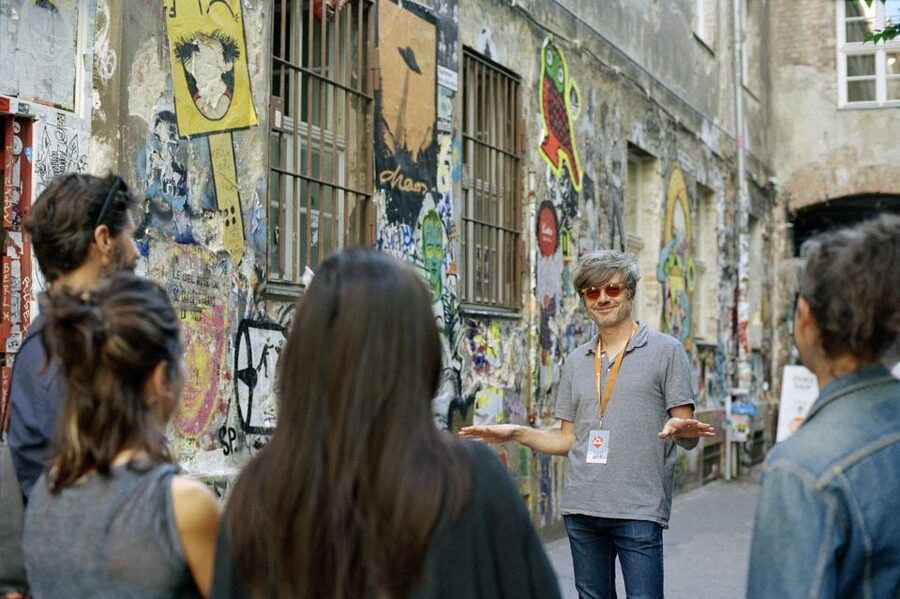
The experience is a small-group walking tour, though no exact group size is provided. Expect a shared outing rather than a private guide. That usually means you will need to stay with the group and allow time for other people’s questions.
The three-hour length is enough for a serious introduction without taking up an entire day. You’ll walk, stop at art, hear historical background, and use public transport as the route connects different parts of the city. Comfortable shoes are essential.
Do not expect a relaxed café crawl or a hop-on, hop-off sightseeing loop. The subject is street art, and the streets are the setting. Some parts may feel more active than others, especially when the group moves between neighborhoods or pauses in areas with ordinary city traffic.
Bring your attention as well as your camera. The guide’s explanations are the main value, and the art can be difficult to understand if you spend every stop trying to frame a photograph. You’ll get better pictures after listening first.
The walk should suit older children and adults who can manage several hours on foot, but the supplied information does not specify an age range or accessibility details. If mobility is a concern, ask the provider before booking because the route uses city streets and public transport.
Is $31 a fair price?
At $31 per person, the tour is reasonably priced for a three-hour guided experience, especially if you want more than a self-guided hunt for murals. You are paying for a live guide, a planned route through several districts, and interpretation that connects the art to Berlin’s political and economic changes.
The extra AB transport ticket means the total cost is higher than the headline price. That is worth including in your budget. Still, public transport is needed to link the areas covered, and the ticket may be useful beyond the tour if you are making other journeys that day.
The value depends on your interests. If you already know Kreuzberg and Friedrichshain well, can identify the major Wall art, and prefer to wander alone, the tour may feel less necessary. If Berlin’s alternative culture is new to you, the background and route planning make the fee easier to justify.
The free cancellation period of up to 24 hours and the option to reserve now and pay later also reduce the risk of committing too early. Starting times vary, so check availability for your date.
Who should book this walk?
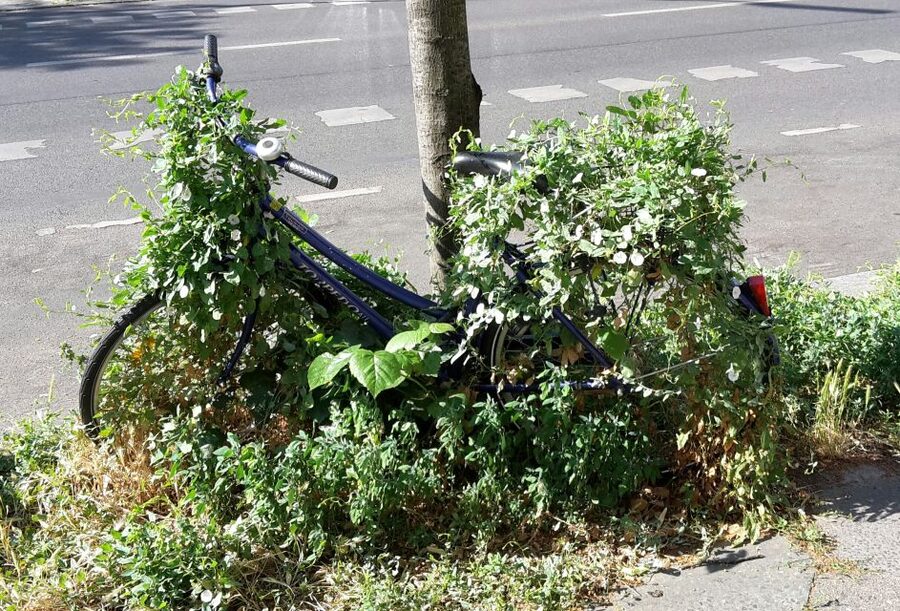
I would recommend it to you if you want Berlin explained through its walls and neighborhoods rather than only through palaces, museums, and famous squares. It is especially well suited to visitors interested in modern history, politics, architecture, photography, urban culture, and the effects of gentrification.
French- and Italian-speaking visitors have a clear reason to consider it. You can follow a complicated story in your preferred language and ask questions without fighting through a language barrier.
It also works well early in a Berlin visit. The walk can help you understand Kreuzberg and Friedrichshain before returning on your own. You may notice more of the smaller pieces once you know how to look.
I would be more cautious if you dislike walking, want a tightly scheduled list of iconic sights, or expect every piece of art to be permanent. The route is about context and discovery, not a guaranteed checklist of murals.
My recommendation
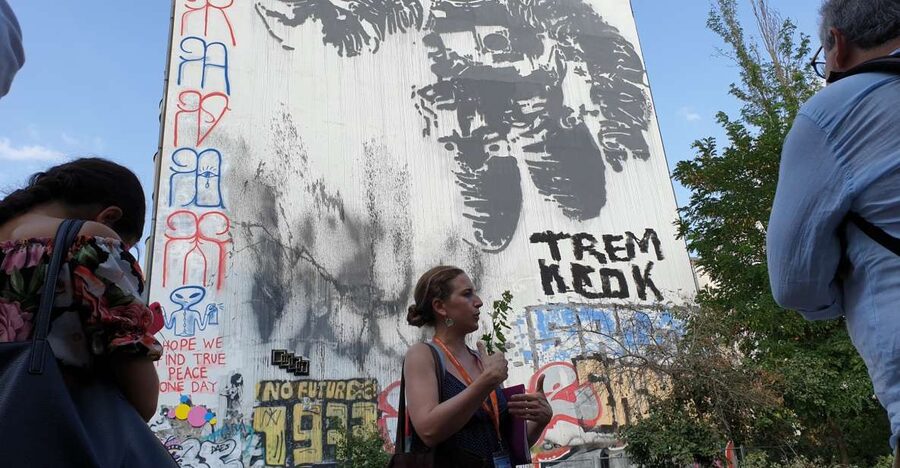
Book this tour if you want to connect Berlin’s street art with the Wall, post-1989 change, and the city’s current social tensions. The strongest parts are the Kreuzberg setting, the mix of major and easily missed works, the East Side Gallery, and the French or Italian storytelling.
Before booking, confirm the meeting point, check the available language, and add the 24-hour AB ticket to your budget. Wear comfortable shoes and give yourself time to listen. If that sounds like your kind of sightseeing, $31 buys a thoughtful introduction to a side of Berlin that is easy to see but harder to understand alone.
FAQ
How long is the Berlin Street Art and Alternative Tour?
The tour lasts three hours.
What areas does the tour visit?
The experience focuses on Kreuzberg and Friedrichshain, with the East Side Gallery included. The wider description also refers to smaller works in the Mitte district.
Is the East Side Gallery part of the tour?
Yes. Visiting the East Side Gallery is one of the listed highlights.
What languages are available?
The live tour guide is available in French or Italian.
Who provides the tour?
The experience is provided by Vive Berlin e.G.
Is public transport included in the price?
No. You need to purchase a 24-hour AB public transport ticket separately.
What should I bring?
Bring comfortable shoes because the experience is a three-hour walking tour.
Is this a small-group tour?
Yes. The tour includes a walking tour with a small group, although an exact group size is not provided.
Can I cancel for a full refund?
Yes. You can cancel up to 24 hours in advance for a full refund.
Can I reserve the tour and pay later?
Yes. The reserve-now-and-pay-later option lets you book without paying at the time of reservation.
Freshly painted around Berlin
- Graffiti Workshop Berlin with professional graffiti artists★ 4.0 · 4 reviews
- Open graffiti workshop in the Mauerpark in Berlin★ 5.0 · 2 reviews
- Alternative Berlin Private Tour with Jacob – Graffiti and Squats★ 5.0 · 6 reviews
- Alternative Berlin & Street Art Tour★ 4.5 · 14 reviews
- Private Alternative Berlin Tour -Murals, Graffiti and Squats★ 4.8 · 5 reviews
- Street Art Workshop & Tour – Private Group★ 5.0 · 2 reviews
- Street Art & Berlin Gay, Queer, Trans History + Free Gay Map★ 4.9 · 15 reviews
- Berlin : Private Street Art Walking Tour (Private Tour)★ 5.0 · 2 reviews
Berlin Street Art Tours, compared.

East Meets West: Berlin Food Culture & Street Art
Read our review →
Street Art and Alternative Tour of Berlin in French
Read our review →Browse the lists this tour appears in