Review · BERLIN
Private Alternative Berlin Tour -Murals, Graffiti and Squats
Berlin’s alternative culture is best understood on the move, from East Berlin’s painted walls to old house projects, punk corners, and art spaces that grew in buildings left empty after the war and the fall of the Wall. This private tour connects those places with the stories behind them, rather than treating graffiti as a string of photo stops.
I like the small private format, which lets Nadav Jacob adjust the pace and spend more time on the subjects that catch your interest. I also like the practical hotel pickup and WhatsApp help before and after the tour. The main drawback is that you pay $302 per group, so it is far better value for four to six people than for one or two, and public transport and snacks cost extra.
Key points to know before booking
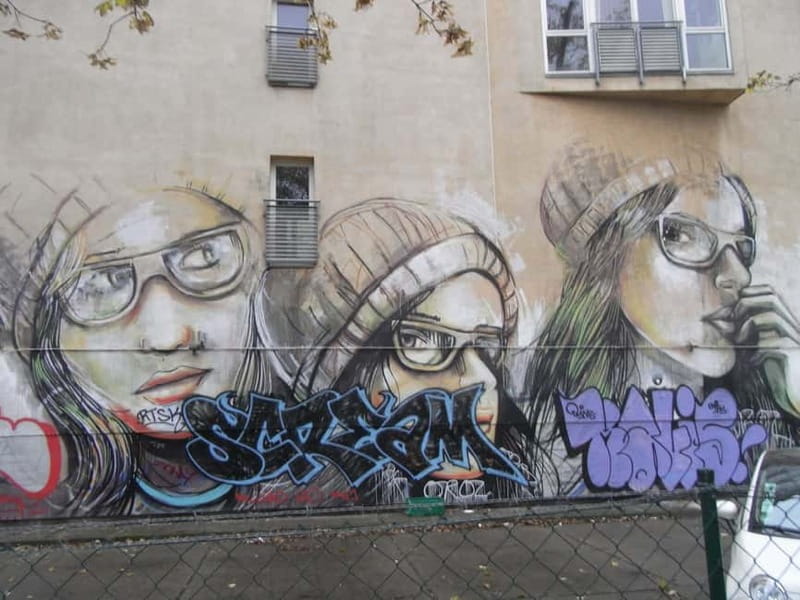
- Berlin’s alternative culture is the focus: Expect murals, Wall graffiti, squats, hippie and punk districts, house projects, and improvised art spaces.
- Nadav Jacob leads a flexible private tour: The guide can adjust the start time, pickup point, and emphasis to suit your interests.
- The route covers both old and new Berlin: Potsdamer Platz, Alexanderplatz, Haus Schwarzenberg, East Side Gallery, Friedrichshain-Kreuzberg, and Oberbaum Bridge all appear.
- Public transport is part of the experience: Allow about €4 to €10 for tickets, and wear comfortable shoes for the walking sections.
- The tour is easy but not static: You will walk, ride public transport, stop for explanations, and move between several districts in 2.5 hours.
- The price favors groups: At $302 for up to six people, the per-person cost drops sharply when you fill the group.
Why Berlin’s alternative scene is worth seeing
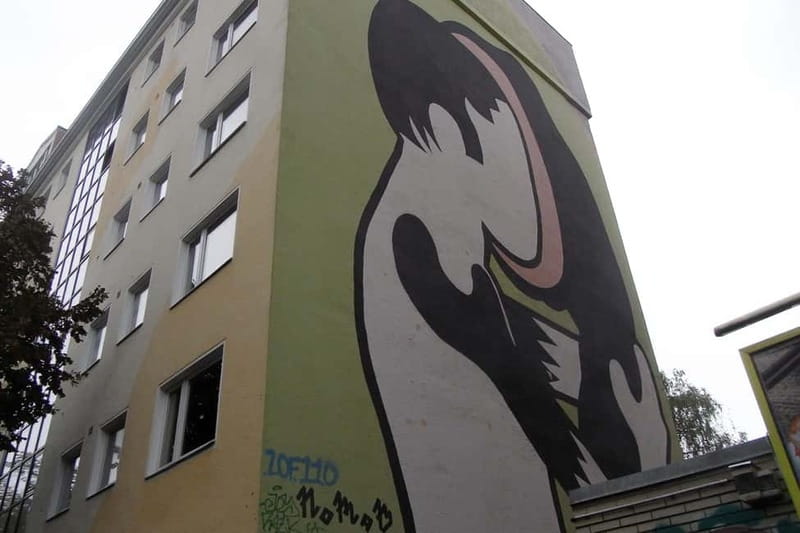
Before and after the fall of the Berlin Wall, the city offered something rare in Europe: cheap space. Damaged buildings, abandoned East German properties, and empty industrial sites gave artists, musicians, hippies, and punks room to experiment.
That freedom helped create squats, galleries, house projects, and informal communities. Some disappeared as rents rose and neighborhoods changed. Others adapted, becoming recognized parts of Berlin’s cultural identity.
I like this tour because it treats street art as part of that social story. You are not simply looking at colorful walls. You are learning why people moved to Berlin, how they used empty buildings, and how the city’s alternative spirit has survived despite constant gentrification.
The subject also gives the tour a useful balance. You see famous sites such as the East Side Gallery, but you also visit less polished places such as Dead Chicken Alley and Haus Schwarzenberg. That mix helps you compare public art made for a large audience with art that grew from small local communities.
More Alternative Street Art Tours in Germany
- Berlin: Street Art and Alternative Tour
★ 4.7 · 98 reviews - Street Art and Alternative Tour of Berlin in French
★ 5.0 · 49 reviews - Berlin Alternative Street Art Tour
★ 4.0 · 26 reviews
Potsdamer Platz shows Berlin’s sharpest change
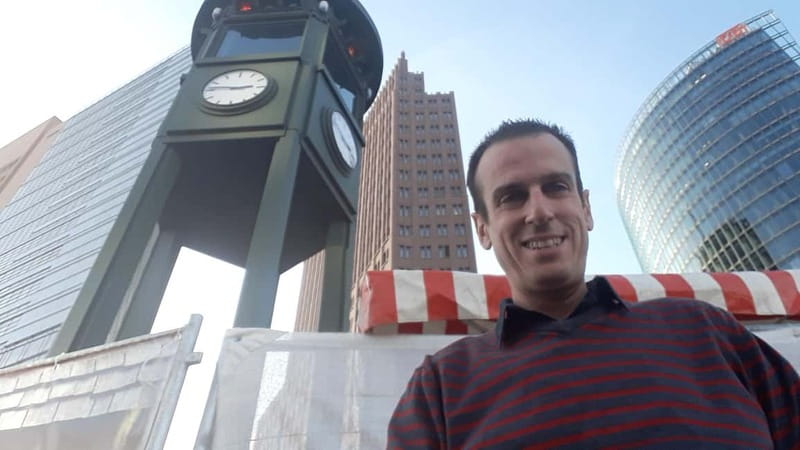
The tour begins with pickup in Berlin, followed by roughly 15 minutes on public transport. The first major stop is Potsdamer Platz, where you spend about 30 minutes with the guide.
Potsdamer Platz is useful here because it shows how dramatically Berlin can change. The area was once divided by the Wall and later rebuilt as a modern urban center. Its broad streets, new architecture, and commercial character provide a clear contrast with the rougher, improvised places later in the tour.
I would pay close attention to the guide’s explanation of the city before and after reunification. The point is not only to admire graffiti. It is to understand the economic and political conditions that made Berlin attractive to people seeking cheap space and personal freedom.
A short viewpoint stop follows, lasting about 10 minutes. The exact view depends on the day’s route and conditions, but this pause gives you a chance to orient yourself before heading toward the older alternative districts.
Dead Chicken Alley keeps the art close and personal
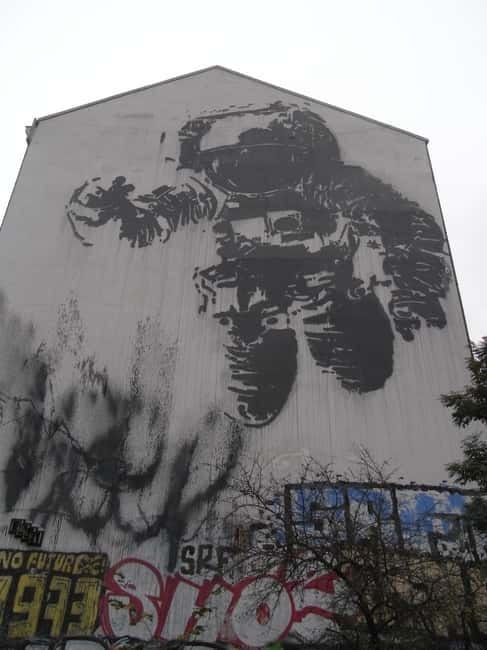
After another public transport ride of around 10 minutes, the route reaches Dead Chicken Alley. The guided visit lasts about 10 minutes, but the stop is an important change in mood.
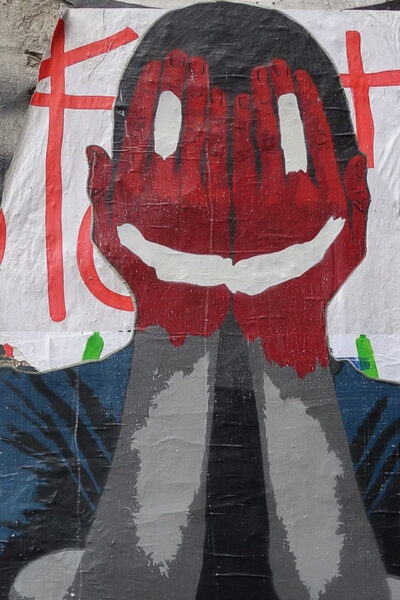
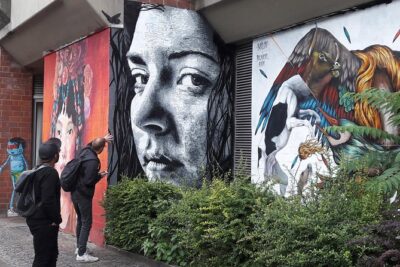
This is the kind of place where Berlin’s alternative culture feels less formal. You might find layered murals, rough surfaces, unusual details, and art that feels tied to the building itself rather than separated into a clean gallery display. The setting helps explain how independent artists used overlooked corners of the city.
You should not expect a large museum-style visit. The appeal is the combination of art, history, and atmosphere in a compact space. If you enjoy street art because it changes with time, this stop should appeal to you.
The short duration also matters. The tour covers several districts, so no single stop becomes an exhaustive art lecture. If you want to spend a long time photographing every wall, mention that to Nadav at the start. The private format makes that kind of adjustment possible, though the full route still has to fit into 2.5 hours.
Alexanderplatz and Haus Schwarzenberg reveal two sides of creative Berlin
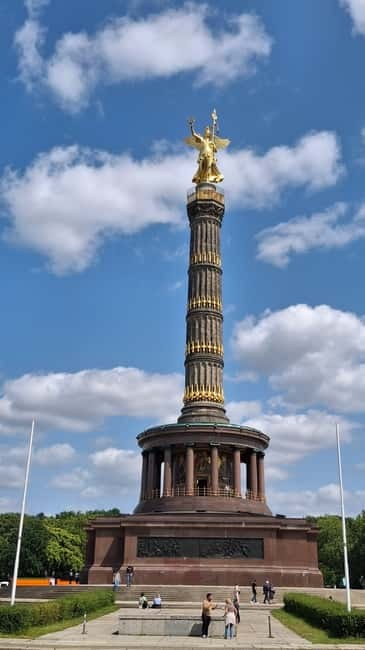
Alexanderplatz receives about 20 minutes of guided attention. This large central square is one of the city’s best places to think about Berlin’s divided past and post-reunification changes.
It is not an alternative-art site in the same way as a squat or alley. Its value is as a public crossroads, where the city’s official face meets its more informal culture. The guide can connect the square to the wider story of East Berlin, redevelopment, and the way creative communities found space around major urban changes.
Next comes Haus Schwarzenberg, with about 20 minutes for a guided visit. This art center is one of the strongest parts of the route for anyone interested in independent culture. It represents the sort of project that can grow when artists and creative groups take over a neglected or underused property.
Here, I would look for the contrast between the building’s rough character and the busy central location around it. That contrast is central to Berlin’s alternative story: unconventional art does not always require a remote district. It can survive in the middle of a changing city, at least for a time.
The route then uses public transport again for roughly 10 minutes. You should see the rides as part of the tour rather than dead time. Berlin’s alternative districts are spread across the city, and moving between them helps you understand how different neighborhoods developed their own character.
More Graffiti Tours in Germany
- Berlin: Graffiti Workshop at the Berlin Wall
★ 4.6 · 234 reviews - Berlin Street Art & Graffiti Walking Tour
★ 5.0 · 109 reviews - Berlin Street Art Tour with Graffiti, Murals, and Urban Culture
★ 4.5 · 12 reviews - Alternative Berlin Private Tour with Jacob – Graffiti and Squats
★ 5.0 · 6 reviews
East Side Gallery makes the Wall a public canvas
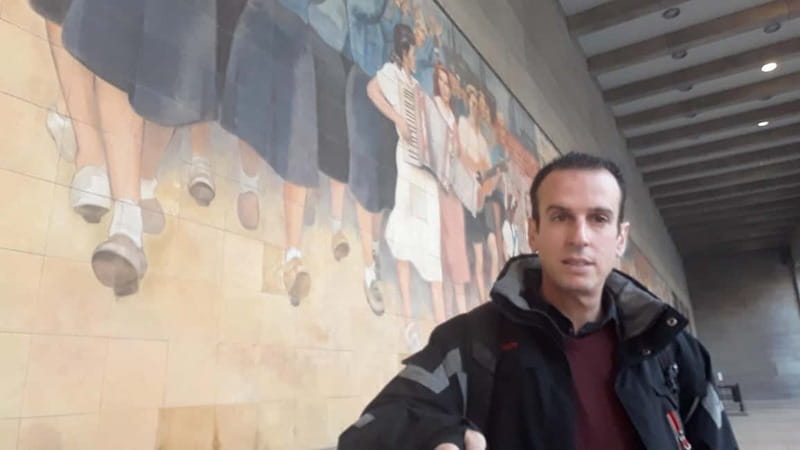
The longest stop is East Side Gallery, with about 45 minutes of guided touring. This is the centerpiece for many people booking the experience.
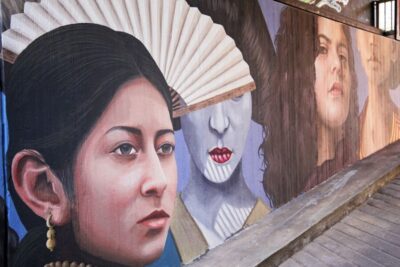
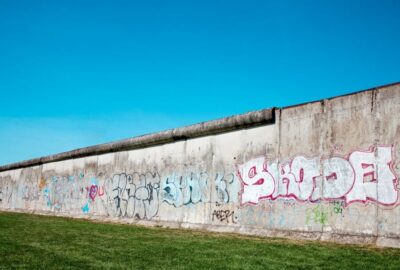
The open-air gallery occupies a long surviving section of the Berlin Wall, now covered with murals. It is one of the clearest places to see how a symbol of division became a public canvas. The art is accessible, large-scale, and easy to photograph, but the guide’s context adds more than a quick walk along the painted concrete.
I like having this stop after the smaller art spaces. At Dead Chicken Alley and Haus Schwarzenberg, the art feels close to local projects and independent communities. At East Side Gallery, the scale is larger and the political meaning is easier to see. Together, the stops show that Berlin’s street art is not one single style or movement.
The gallery can also be the busiest part of the route. If you prefer quiet corners, this may feel less intimate than the earlier stops. Still, the 45-minute allocation gives you enough time to look carefully and hear how Wall art fits into the city’s wider story.
Bring a phone or camera if you like taking pictures, but do not let photography replace the explanations. The most useful part of this stop is learning how the Wall’s meaning changed, from a barrier to a surface for public expression.
Friedrichshain-Kreuzberg brings the alternative story into daily life
The next guided section covers Friedrichshain-Kreuzberg for about 15 minutes. These districts are strongly linked with Berlin’s alternative reputation, but they are not frozen in the past.
You may see a mix of murals, independent spaces, older buildings, nightlife areas, and signs of redevelopment. That mix is important. Berlin’s alternative culture remains visible, yet the cheap rents and empty buildings that helped it grow are no longer as common as they once were.
This is where I would ask questions about squats, house projects, punk culture, and gentrification. The tour is designed to be interactive, and the private setting gives you more room to guide the conversation toward the part of Berlin that interests you most.
Do not expect every squat or house project to be open for visitors. The experience is about seeing public spaces and understanding the culture around them, not entering private homes or treating active communities as attractions. That is a strength, since it keeps the visit respectful and realistic.
Oberbaum Bridge closes the route with a memorable Berlin view
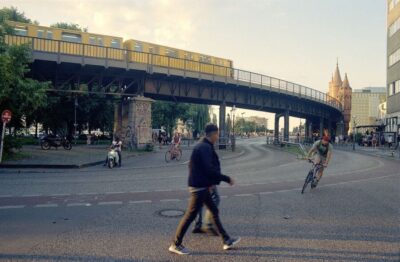
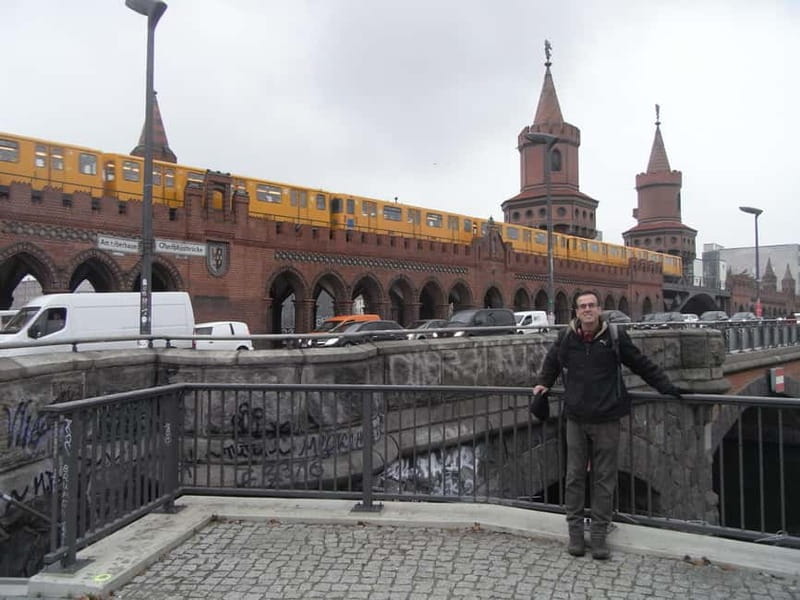
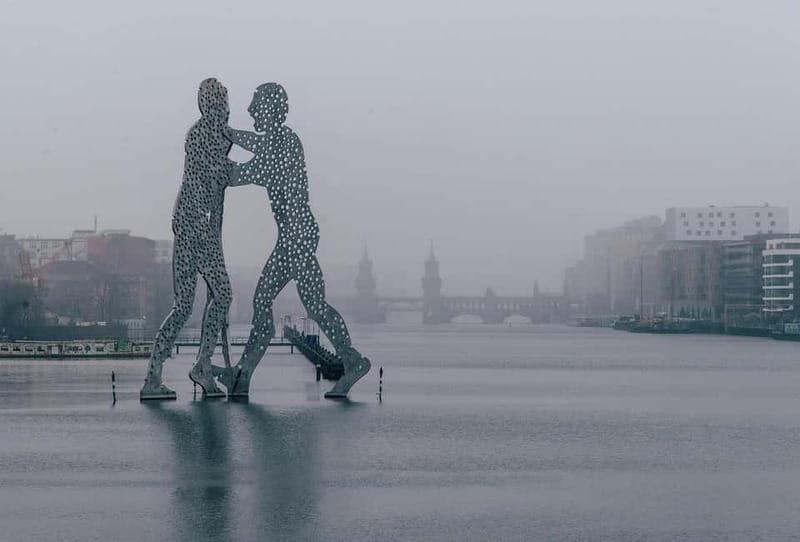
The final stop is Oberbaum Bridge, with about 10 minutes of guided touring. This striking bridge links Friedrichshain and Kreuzberg across the Spree and makes a fitting endpoint for a route about Berlin’s divided past and changing identity.
The bridge is more than a scenic finish. It connects two districts that are now often discussed together but once belonged to separate parts of the city. After spending the afternoon looking at walls, murals, and alternative projects, you can see how the city’s old divisions still shape its neighborhoods.
The stop is brief, so think of it as a final viewpoint and conversation rather than a long historical visit. It gives the route a clear ending and leaves you in an area where you can continue exploring on your own.
The private format is the tour’s biggest advantage
A private group of up to six people changes how the experience feels. You are not following a fixed script for a large crowd. You can ask about Berlin’s punk scene, the political meaning of Wall murals, squatting, modern street art, or the effect of rising rents.
The guide can also adjust the start time and pickup location. One person who took the tour with Jacob found him flexible about both timing and location, while another described Nadav as easy-going and able to devote more attention to personal interests. That flexibility is especially useful because the subject covers art, politics, architecture, music, and social history.
Nadav Jacob’s strength appears to be storytelling as well as factual explanation. He can bring the past into focus through stories about the people and communities that shaped alternative Berlin. If you prefer a tour that gives you room to talk rather than delivering a nonstop speech, this format should suit you.
The English-language tour is also a practical choice for visitors who want to discuss complex subjects without a language barrier. The experience provider offers WhatsApp contact before and after the tour for recommendations about what to see and where to go next.
What $302 means for value
The price is $302 per group of up to six people. That works out to about $50 per person for six, about $76 per person for four, or $151 per person for two, before transport and food.
For a full private tour with hotel pickup and a professional guide, the price can make sense for a family or group of friends. It is less attractive for a solo visitor or couple unless personal attention and schedule flexibility matter more than the lowest possible cost.
Public transport is not included. Set aside about €4 to €10 for tickets, and budget another €5 to €15 if you want coffee, food, or snacks during the break. These costs are modest, but you should include them when comparing the tour with other Berlin activities.
The value comes from the guide’s ability to connect places that you might visit separately. You could find East Side Gallery, Alexanderplatz, and Haus Schwarzenberg on your own, but you would need to research the history and plan the route. Here, the private guide provides the links between them and can point you toward further places after the tour.
Who should book this Berlin art tour?
I would choose this experience if you want Berlin beyond museums and grand monuments. It suits first-time visitors who want an introduction to the city’s alternative culture, as well as returning visitors who have already seen the main historic sights.
It is a good match for:
- People interested in murals, graffiti, punk, squats, and house projects
- Small groups who value a private guide
- Visitors who enjoy asking questions and shaping the conversation
- Anyone curious about the effects of the Berlin Wall and reunification on daily life
- Travelers who want recommendations for further places to visit in Berlin
It may not suit you if you want a long art-history lecture, a fully walking route, or a tour focused only on famous monuments. Public transport is built into the experience, and the route moves quickly between several parts of the city.
Wear comfortable shoes. The tour is described as easy, with walking and public transport and no special requirements, but you will still spend 2.5 hours changing locations and exploring outdoor sites.
Should you book Private Alternative Berlin Tour?
Book it if you want the stories behind Berlin’s murals and alternative districts, especially if you can fill several places in the private group. The combination of Potsdamer Platz, Dead Chicken Alley, Haus Schwarzenberg, East Side Gallery, Friedrichshain-Kreuzberg, and Oberbaum Bridge gives you a broad view of how Berlin’s creative culture developed and changed.
I would be most likely to recommend it to a group of four to six people, since the price becomes reasonable and the private format lets you shape the discussion. If you are traveling alone or as a couple, compare the cost carefully.
The strongest reason to choose this tour is the guide’s personal approach. Nadav Jacob can adjust the route and conversation, explain the city in clear English, and offer ideas for the rest of your stay. Just remember that this is an introduction to alternative Berlin, not an exhaustive tour of every squat, mural, or art space in the city.
FAQ
How long does the Private Alternative Berlin Tour last?
The tour lasts 2.5 hours. Check availability for the starting times offered on your chosen date.
Is the tour private?
Yes. It is a private group experience for up to six people.
Is hotel pickup included?
Yes. Pickup is included from your hotel reception or another location you specify.
What language is the tour offered in?
The live tour guide speaks English.
Are public transport tickets included?
No. Public transport tickets are not included. The expected cost is about €4 to €10.
Can I cancel the tour for a full refund?
Yes. You can cancel up to 24 hours in advance for a full refund.
More Alternative Street Art Tours in Berlin
- Berlin: Alternative Street Art Tour
★ 4.4 · 18 reviews - Alternative Berlin & Street Art Tour
★ 4.5 · 14 reviews - Berlin: Alternative & Street Art Tour
★ 4.5 · 10 reviews - Budapest: Street Art and Underground Movements Walking Tour
★ 5.0 · 365 reviews
More Private Street Art Tours in Germany
- Berlin: Private Kreuzberg Street Art Walking Tour
★ 4.8 · 57 reviews - Berlin Private Street Art Tour – Off The Grid
★ 5.0 · 9 reviews - Alternative Berlin / Street art tour – Private group
★ 5.0 · 6 reviews - Street Art Workshop & Tour – Private Group
★ 5.0 · 2 reviews
Freshly painted around Berlin
- Graffiti Workshop Berlin with professional graffiti artists★ 4.0 · 4 reviews
- Open graffiti workshop in the Mauerpark in Berlin★ 5.0 · 2 reviews
- Alternative Berlin Private Tour with Jacob – Graffiti and Squats★ 5.0 · 6 reviews
- Alternative Berlin & Street Art Tour★ 4.5 · 14 reviews
- Street Art Workshop & Tour – Private Group★ 5.0 · 2 reviews
- Street Art & Berlin Gay, Queer, Trans History + Free Gay Map★ 4.9 · 15 reviews
- Berlin : Private Street Art Walking Tour (Private Tour)★ 5.0 · 2 reviews
- Mega Street Art, Mural, Graffiti Private Tour★ 5.0 · 2 reviews
Berlin Street Art Tours, compared.
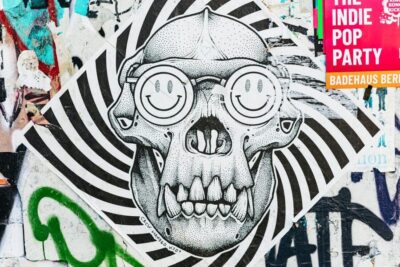
East Meets West: Berlin Food Culture & Street Art
Read our review →