
Review · BERLIN
Berlin: Alternative & Street Art Tour
Berlin’s alternative side is not locked inside a museum. It covers walls, courtyards, clubs, beaches, treehouses, and old buildings that still carry the marks of protest and creative rebellion. This three-hour tour connects those places across Mitte, Kreuzberg, and Friedrichshain, giving you a useful first look at the city’s counterculture.
I like the focus on real places such as Haus Schwarzenberg and YAAM Beach, rather than a tour made up only of general talk about street art. I also like that guides including Damien and Antonio Castello bring their own connection to Berlin’s local scene. The main drawback is that this is a citywide route, so you need to allow time for movement between districts, and your transportation ticket is not included.
Key points to know before you book
- Berlin’s alternative culture in three hours: Cover punk, techno, graffiti, squatting, politics, and street art in one compact outing.
- Five memorable stops: Expect Haus Schwarzenberg, YAAM Beach, Künstlerhaus Bethanien, the Treehouse on the Wall, and SO36.
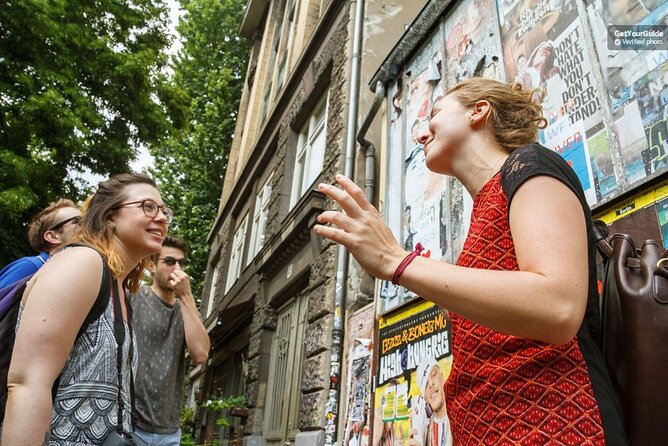
- A guide-led experience: English-speaking guides such as Damien and Antonio Castello explain the people and movements behind the places.
- Good photo potential: Murals, graffiti-covered buildings, unusual architecture, and riverside culture create plenty of strong picture opportunities.
- Rain or shine: The tour runs in all weather, so dress for Berlin’s forecast.
- Low-cost introduction: At $23 per person, it offers a broad look at Berlin’s alternative scene without the cost of a private tour.
Start beneath the TV Tower in central Berlin
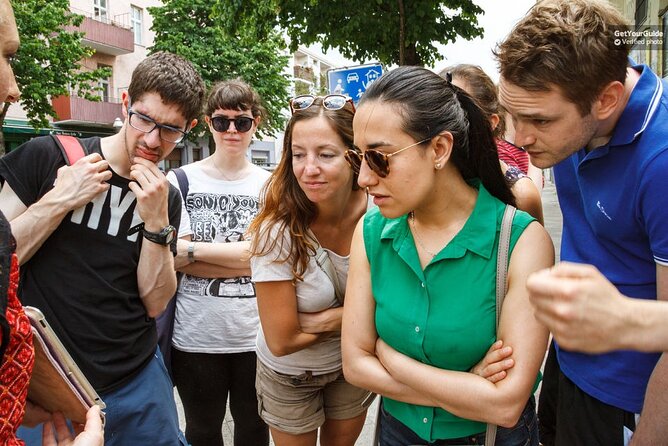
The meeting point is directly beneath the TV tower, in front of Vapiano restaurant. That is a practical place to begin. The tower is one of Berlin’s easiest landmarks to spot, and the central location gives you a clear reference point before the group heads into less familiar parts of the city.
This is not a tour built around hotel pickup. You need to make your own way to the meeting point, and pickup and drop-off are not included. Arrive with enough time to locate the group, especially if you are unfamiliar with the area around the TV tower.
The tour lasts three hours. That is long enough to move beyond a quick look at graffiti, but short enough to fit into a day that also includes museums, memorials, or an evening out. Since the route links several districts, ask about the day’s exact movement pattern when you meet the guide. A transportation ticket is not included, so budget for that separately if one is needed during the route.
The guide speaks English, and the experience is listed as wheelchair accessible. The tour is also suitable for all ages. Because it takes place outdoors and runs rain or shine, comfortable shoes and weather-ready clothing matter more here than dressing up.
More Alternative Street Art Tours in Germany
- Berlin: Street Art and Alternative Tour
★ 4.7 · 98 reviews - Street Art and Alternative Tour of Berlin in French
★ 5.0 · 49 reviews - Berlin Alternative Street Art Tour
★ 4.0 · 26 reviews
Haus Schwarzenberg and Berlin’s creative first impression
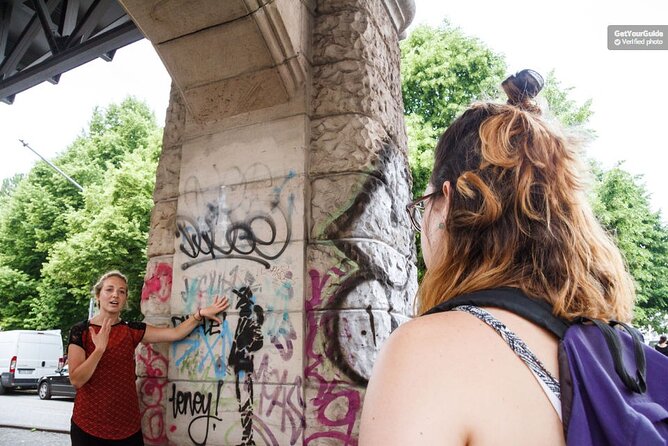
Haus Schwarzenberg is one of the tour’s strongest early examples of Berlin’s alternative character. Its street art and surrounding cultural activity show how a building can become a public canvas and a gathering point for independent creativity.
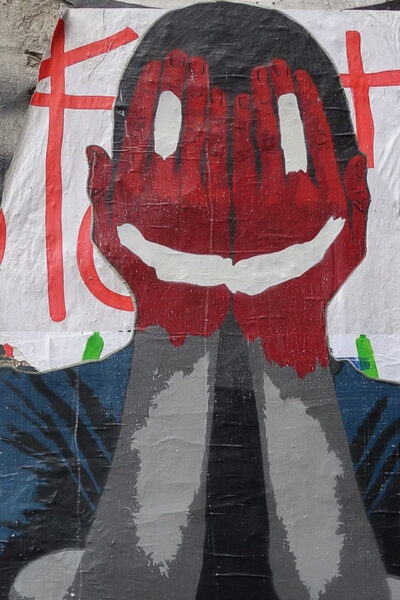
You should expect a setting filled with murals, pasted images, graffiti, and layers of visual work. The appeal is not simple polish. Berlin’s urban art often changes, fades, and gets painted over, so the exact view is part of the city’s shifting character.
This stop also helps explain why Berlin attracts artists. The city has long made room for ideas that would seem too unruly, political, or odd in more tightly controlled urban centers. Your guide connects the art to the wider culture, including the social movements and living arrangements that helped shape Berlin’s alternative districts.
Bring your camera, but give yourself time to look beyond the largest mural. Small details on doorways, side walls, and passageways can be as interesting as the major pieces. If you prefer formal galleries, this stop may feel rough around the edges. That is also the point.
From punk rock to techno’s underground rise
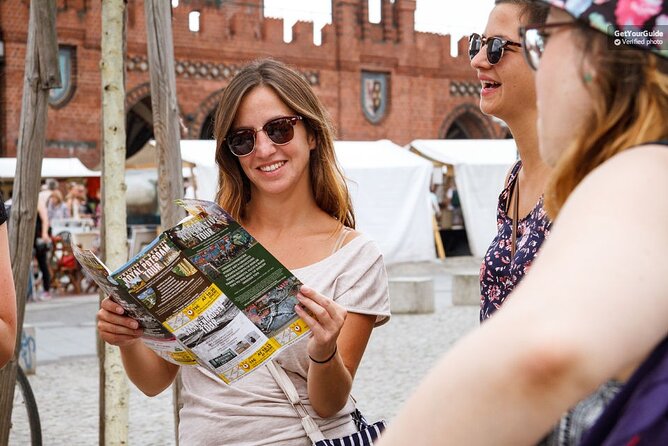
Berlin’s alternative culture is not just a visual style. It is a story about music, politics, community, and the right to use city space in unconventional ways.
The guide discusses punk rock revolutions, the rise of underground techno, and the scenes that grew around clubs and informal meeting places. These subjects give context to the buildings and street art you see. A wall is more than a colorful backdrop when you understand the arguments, parties, and subcultures that gathered around it.
SO36 is an important part of this musical story. The legendary club is associated with punk, eclectic music, and Berlin’s alternative heritage. You should not expect a full club night during a daytime sightseeing tour. Instead, the stop gives you a sense of how a music venue can become part of a neighborhood’s identity.
This section is particularly useful if you want more than photographs. Berlin’s club culture is often discussed as entertainment, but the tour presents it as part of the city’s social and political life. Punk and techno offered places for people to build communities, test new ideas, and challenge normal rules.
The level of detail depends on the guide. Damien is described as enthusiastic and well informed, while Antonio Castello received especially strong praise for making the experience engaging. Their style may differ, but both names give you a useful idea of the kind of guide leading the route.
The Treehouse on the Wall and practical defiance
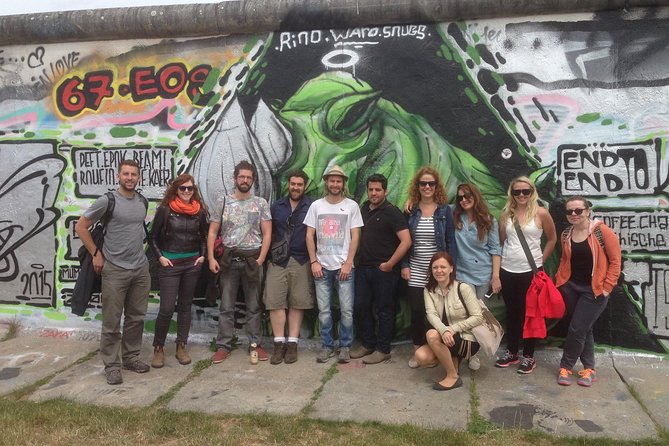
The Treehouse on the Wall is one of the most unusual stops. It represents ingenuity, resistance, and the ability to create something personal in a difficult urban setting.
A treehouse beside or connected to the former Wall carries a strong visual message. Berlin’s history is often presented through major monuments and official museums. This stop offers a smaller, more improvised story: people claiming space and making a home or statement where formal planning might not have allowed it.
You will hear how alternative communities used abandoned or neglected parts of the city. The broader subject is squatting culture, which played a major role in Berlin’s post-Wall identity. The tour does not treat this only as a colorful curiosity. It links squatting to housing, activism, artistic freedom, and debates about who has the right to shape a neighborhood.
This is a good place to listen closely. The physical structure may not take long to see, but the story behind it gives the stop its weight. It also shows why Berlin’s alternative culture cannot be reduced to graffiti. The city’s rebellious spirit has often been practical, involving shelter, shared space, and direct action.
More Alternative Street Art Tours in Berlin:
- Berlin: Alternative Street Art Tour
★ 4.4 · 18 reviews - Alternative Berlin & Street Art Tour
★ 4.5 · 14 reviews - Alternative Berlin Private Tour with Jacob – Graffiti and Squats
★ 5.0 · 6 reviews - Alternative Berlin / Street art tour – Private group
★ 5.0 · 6 reviews
Künstlerhaus Bethanien and the story of squatting
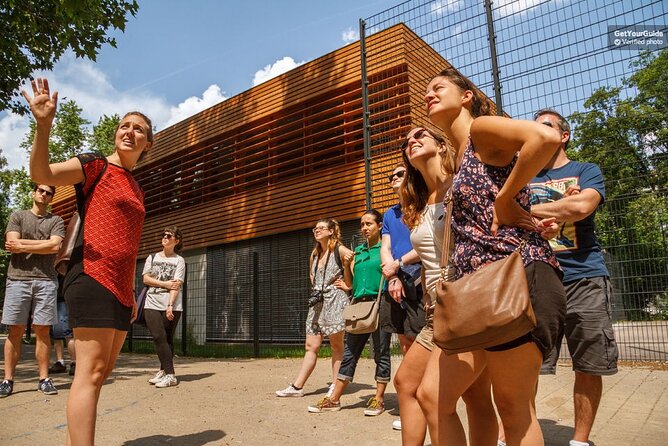
Künstlerhaus Bethanien adds another layer to the route. It is a center for contemporary art, but it also connects to local history, alternative housing, and activism.
The building helps you see how Berlin’s unconventional projects can move between art and politics. A former or contested urban space may become a place for exhibitions, workshops, debate, and community activity. That overlap is central to the city’s identity.
Your guide explains the origins of Berlin’s squatting scene and how alternative housing movements helped redefine parts of the city. This is valuable context before you spend time in Kreuzberg and Friedrichshain, districts known for strong local character and multicultural life.
I like this stop because it keeps the tour from becoming a parade of walls. Art matters here, but so do questions about housing, ownership, public space, and neighborhood change. You may also notice a tension that runs through modern Berlin: the same creativity that makes a district attractive can help raise prices and change the community that created it.
The tour does not promise to settle that argument. It gives you a way to see the buildings and districts with more awareness.
YAAM Beach, reggae, and community by the water
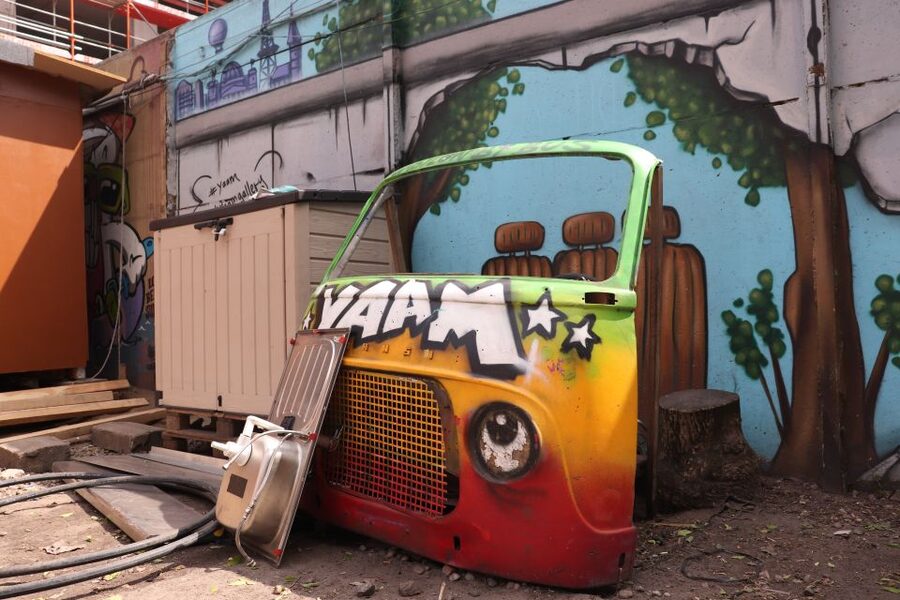
YAAM Beach brings a different mood. It is connected with reggae, music, graffiti, and community, offering a cultural setting that feels far removed from traditional sightseeing.
Do not expect a conventional beach resort. The attraction is the combination of music, outdoor space, art, and social life. YAAM shows how Berliners have used riverside areas and temporary or informal spaces to create places for gathering.
This stop broadens the tour beyond the familiar image of Berlin as gray walls and underground clubs. The city’s alternative culture can be relaxed, social, multicultural, and playful. You may find good photo opportunities here, especially if the setting is active and the art is clearly visible.
At the same time, the atmosphere can vary. Outdoor cultural spaces are shaped by weather, schedules, and current activity. Since this tour runs rain or shine, YAAM may feel very different on a wet, quiet day than on a bright afternoon. Treat the stop as a look at Berlin’s community spaces, not as a guaranteed beach outing.
Mitte, Kreuzberg, and Friedrichshain beyond the main sights
The route crosses three districts, each offering a different view of Berlin.
Mitte gives you a central starting point and places such as Haus Schwarzenberg, where urban art and alternative culture sit close to major attractions. It is a useful reminder that Berlin’s independent scene is not limited to one remote quarter.
Kreuzberg adds multicultural flair, political history, music, and squatting stories. Künstlerhaus Bethanien and SO36 help explain why the district became so closely linked with alternative life.
Friedrichshain brings another side of the city, with street art, music, community spaces, and the Treehouse on the Wall. Moving through these areas helps you compare different forms of Berlin character rather than treating the city as one uniform place.
The route’s main strength is this range. In three hours, you move from art courtyards to music history, from housing activism to riverside culture. The trade-off is that you cannot explore each district at a slow pace. If you want long stops for photography or detailed architecture, you may prefer returning to your favorite areas afterward.
What $23 buys you
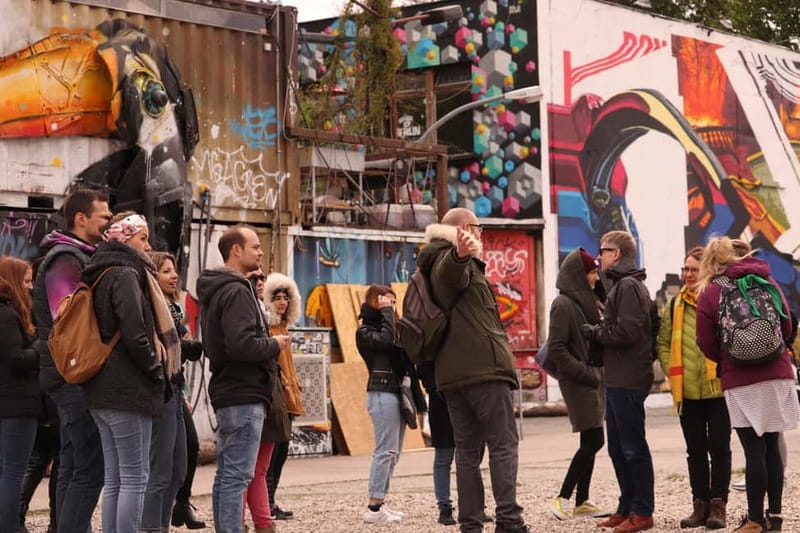
At $23 per person, this is a reasonably priced introduction to a part of Berlin that can be hard to understand on your own. You receive three hours with an English-speaking guide and a route that covers several districts and cultural themes.
The value comes from the connections. You could visit some of these places independently, but you might not understand how punk, techno, graffiti, squatting, and contemporary art fit into the same Berlin story. The guide supplies that framework.
The price does not include food, drinks, gratuities, or transportation tickets. That keeps the basic cost low, but you should plan for those extras. There is no hotel pickup or drop-off either.
For a first visit, I think the price works best as a cultural orientation. Afterward, you can decide whether to return to Haus Schwarzenberg, YAAM Beach, SO36, or another stop with more time. For someone already familiar with Berlin’s alternative districts, the value will depend more heavily on the guide’s storytelling.
The booking terms are flexible. You can cancel up to 24 hours in advance for a full refund, and you can reserve now while paying later. Those options are useful when your Berlin schedule is still changing.
Who will enjoy this tour most
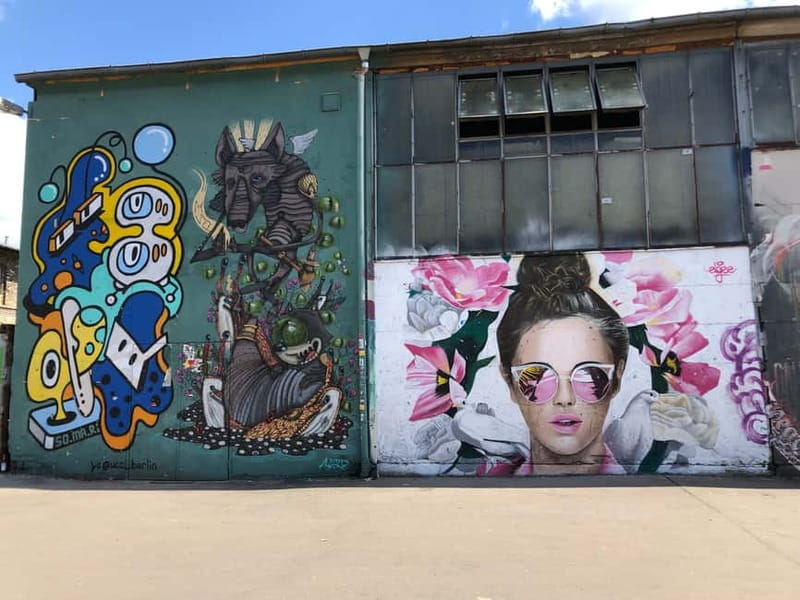
I would choose this tour if you want Berlin beyond the Brandenburg Gate, Museum Island, and the main memorials. It suits people interested in street art, music, political history, urban change, photography, and local subcultures.
It also works well for first-time visitors who want a quick sense of why Berlin feels different from other European capitals. The tour gives you a set of neighborhoods and ideas to explore later.
Families can join because the experience is listed as suitable for all ages. Still, some subjects, including squatting, protest, and political activism, may need more explanation for younger children.
You should think twice if you want a slow, polished sightseeing walk with grand interiors and formal monuments. This route is outdoors, sometimes rough in presentation, and focused on alternative culture. It runs in all weather, so your comfort depends partly on preparation.
The tour is wheelchair accessible according to the activity information. If you have specific mobility needs, confirm the route details before booking, since the experience crosses several districts and includes outdoor cultural locations.
Should you book the Alternative Berlin tour?
Book it if you want a lively introduction to the forces that shaped Berlin’s punk, techno, graffiti, art, and squatting scenes. The mix of Haus Schwarzenberg, YAAM Beach, Künstlerhaus Bethanien, the Treehouse on the Wall, and SO36 gives you more range than a standard street-art walk.
I would especially consider it early in your stay. The tour can help you understand why certain neighborhoods matter, then you can return to the places that catch your interest. Damien and Antonio Castello are names to look for if guide information is available at booking, since their warm, clear approach has been singled out in the feedback.
Skip it if your schedule is too tight for a three-hour outdoor route, or if you want a detailed visit inside museums and historic buildings. For $23, though, it offers a practical way to see Berlin’s creative and rebellious side, with enough local context to make the city’s walls, clubs, and odd corners easier to read.
FAQ
Where does the tour meet?
The meeting point is directly beneath the TV tower, in front of Vapiano restaurant.
How long does the tour last?
The tour lasts three hours.
What language is the tour conducted in?
The live tour guide speaks English.
Which Berlin districts does the route visit?
The tour travels through Mitte, Kreuzberg, and Friedrichshain.
What main places are included?
The route includes Haus Schwarzenberg, YAAM Beach, Künstlerhaus Bethanien, the Treehouse on the Wall, and SO36.
Are food and drinks included?
No. Food and drinks are not included.
Is transportation included?
No. A transportation ticket is not included, and pickup and drop-off are also not provided.
Does the tour run in bad weather?
Yes. The tour takes place rain or shine, so bring suitable clothing and shoes.
Can I cancel the booking?
Yes. You can cancel up to 24 hours in advance for a full refund. You can also reserve now and pay later.
Freshly painted around Berlin
- Graffiti Workshop Berlin with professional graffiti artists★ 4.0 · 4 reviews
- Open graffiti workshop in the Mauerpark in Berlin★ 5.0 · 2 reviews
- Alternative Berlin Private Tour with Jacob – Graffiti and Squats★ 5.0 · 6 reviews
- Alternative Berlin & Street Art Tour★ 4.5 · 14 reviews
- Private Alternative Berlin Tour -Murals, Graffiti and Squats★ 4.8 · 5 reviews
- Street Art Workshop & Tour – Private Group★ 5.0 · 2 reviews
- Street Art & Berlin Gay, Queer, Trans History + Free Gay Map★ 4.9 · 15 reviews
- Berlin : Private Street Art Walking Tour (Private Tour)★ 5.0 · 2 reviews
Berlin Street Art Tours, compared.

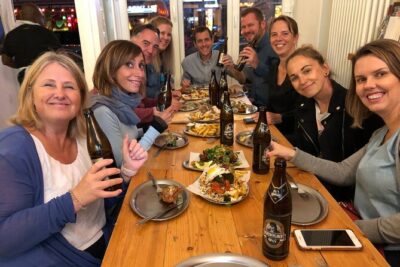
East Meets West: Berlin Food Culture & Street Art
Read our review →
Browse the lists this tour appears in