
Review · BUDAPEST
Budapest: Street Art Tour
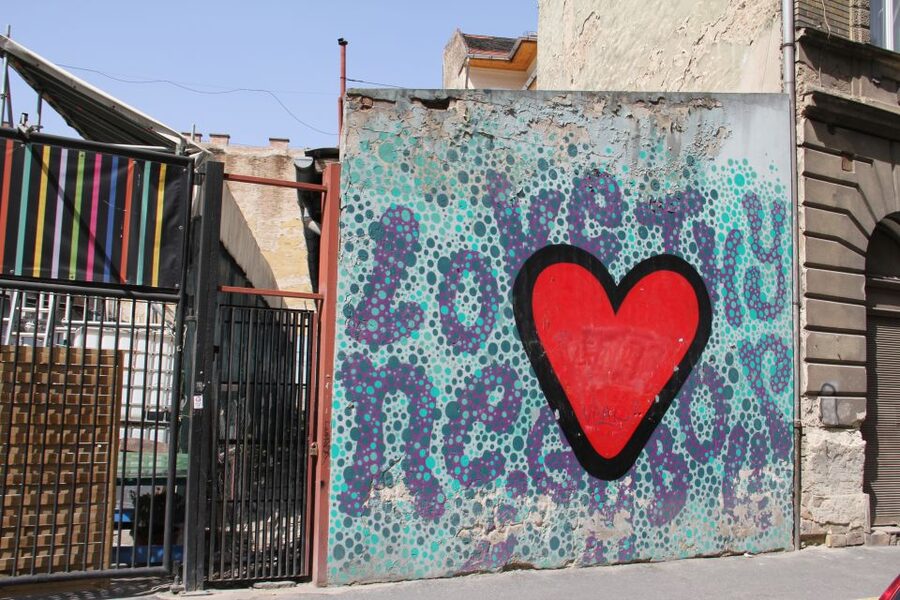
Budapest’s Jewish Quarter is more than old buildings and nightlife. Its bare walls carry murals, graffiti, and public art that explain how the city sees itself today. I like the way this street art walk connects images to politics, local values, and urban life, rather than treating the walls as simple photo backdrops. I also like the small-group format and the coffee stop at My Little Melbourne. The main consideration is weather: this is a three-hour walk, so rain or cold can affect your enjoyment.
Guide Attila gets especially strong praise for his personal insight, clear explanations, and willingness to answer questions. You should also note one small inconsistency in the activity details: some information says groups can reach eight people, while the current booking details specify a limit of six. Either way, this is a compact group, not a large city tour.
Key points
- Budapest’s Jewish Quarter is the main stage: Look for murals and graffiti on walls that might otherwise go unnoticed.
- The art comes with context: Your guide explains the artists, themes, political ideas, and local concerns behind each piece.
- Attila leads the English-language walk: His personal connection to Budapest’s art scene is a major part of the experience.
- Coffee is included at My Little Melbourne: It gives the walk a warm pause and a chance to ask extra questions.
- Three hours allows real discussion: You are not rushed from one photo stop to the next.
- The price is $53 per person: That is fair if you value interpretation and local conversation, not just sightseeing.
Why Budapest’s walls tell a bigger story
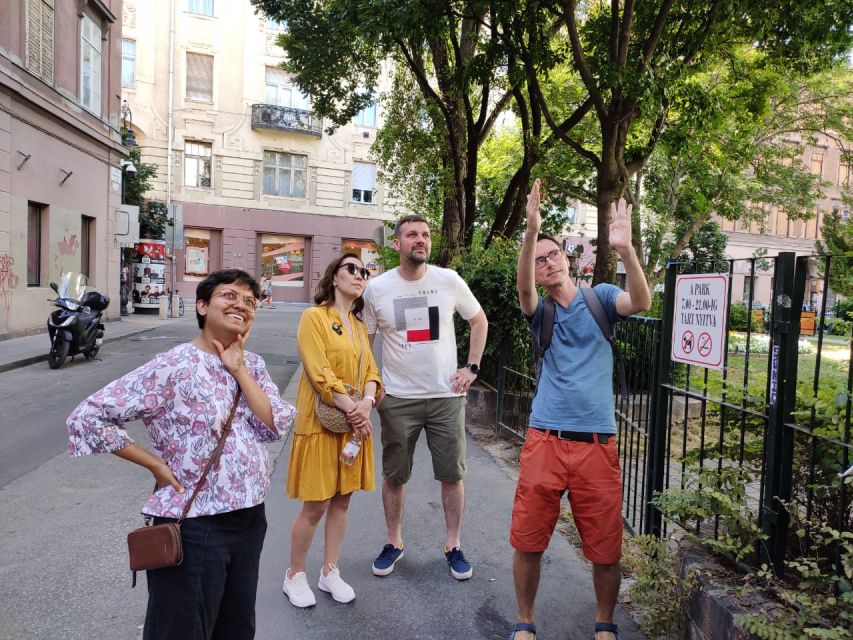
Street art can be easy to skim past. You see a large painted wall, take a photo, and move on. This tour asks you to slow down and consider why that wall matters.
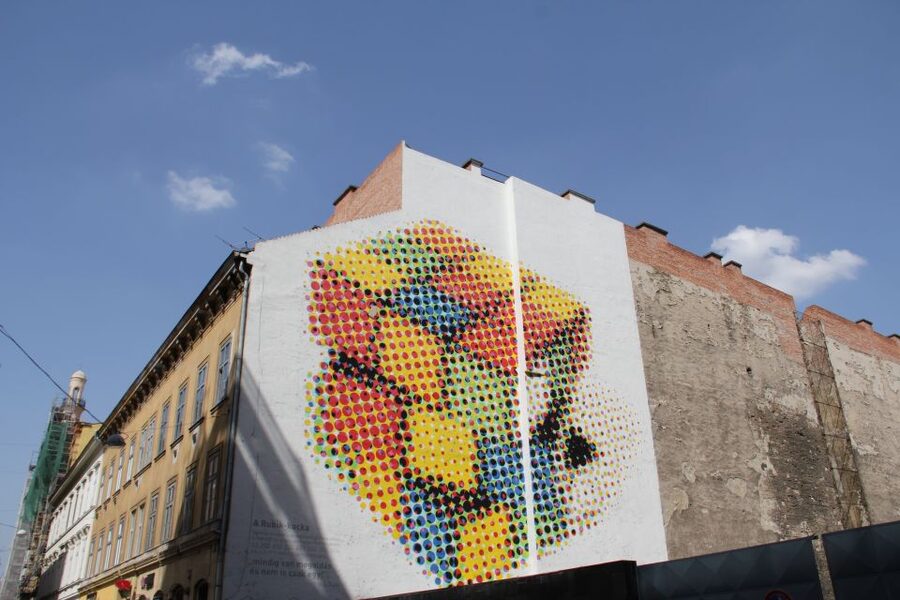
Budapest’s street art scene has grown quickly in recent years. Local artists use murals and other public works to express ideas about identity, politics, daily life, and the values people care about. In the Jewish Quarter, these works sit among older buildings and busy streets, creating a sharp contrast between Budapest’s past and present.
I like this setting because it gives the tour a clear purpose. You are not simply hunting for colorful walls. You are using public art as a way to understand how the city talks about itself.
The Jewish Quarter is also a useful place to explore on foot because the art is scattered across otherwise plain walls. Some pieces may be large and obvious. Others are smaller or easier to miss. A local guide helps you notice the work you would likely pass without a second look.
More Street Art Tours around the world:
- Medellin: Comuna 13 Graffiti Tour, Cable Car & Street Food
★ 4.8 · 9,046 reviews - CDMX: Xochimilco, Coyoacan, Frida Kahlo Museum & Murals Tour
★ 4.4 · 3,025 reviews - Amsterdam: Streetart Museum STRAAT Entrance Ticket
★ 4.8 · 2,137 reviews
Starting at My Little Melbourne
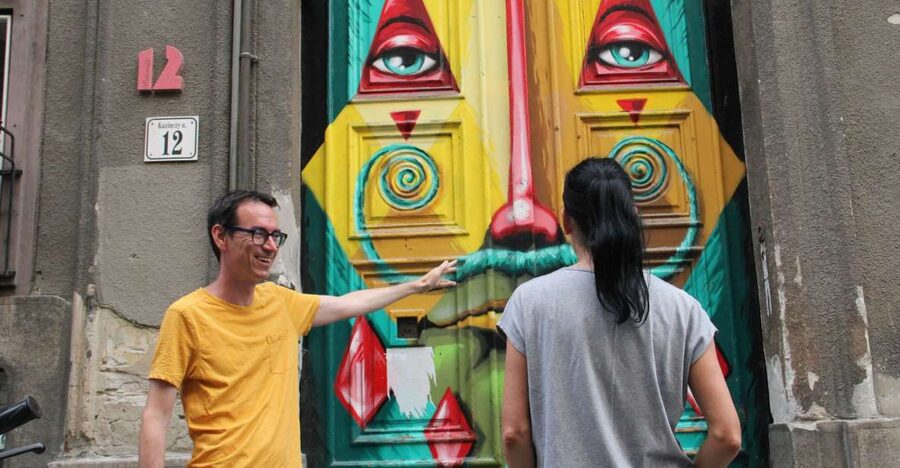
The tour begins at the entrance of My Little Melbourne, a coffee shop that serves as a practical meeting point in central Budapest. This is a useful arrangement because you can arrive a little early, get your bearings, and begin with a familiar city ritual before walking through the neighborhood.
A coffee is included, but food is not. If you need breakfast or a proper meal, plan that separately. The coffee stop should be understood as a social pause, not a full refreshment break.
The meeting point also gives the experience a local feel from the start. Rather than gathering at a grand monument or a large hotel lobby, you meet at a neighborhood café and then move into the surrounding streets. Bring comfortable shoes, since the activity is conducted on foot for three hours.
Reading the murals in Budapest’s Jewish Quarter
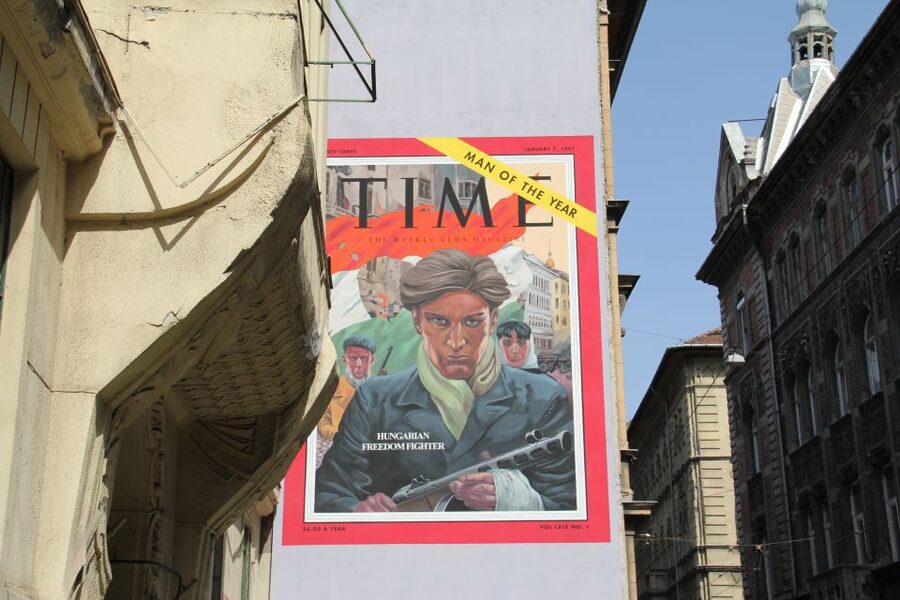
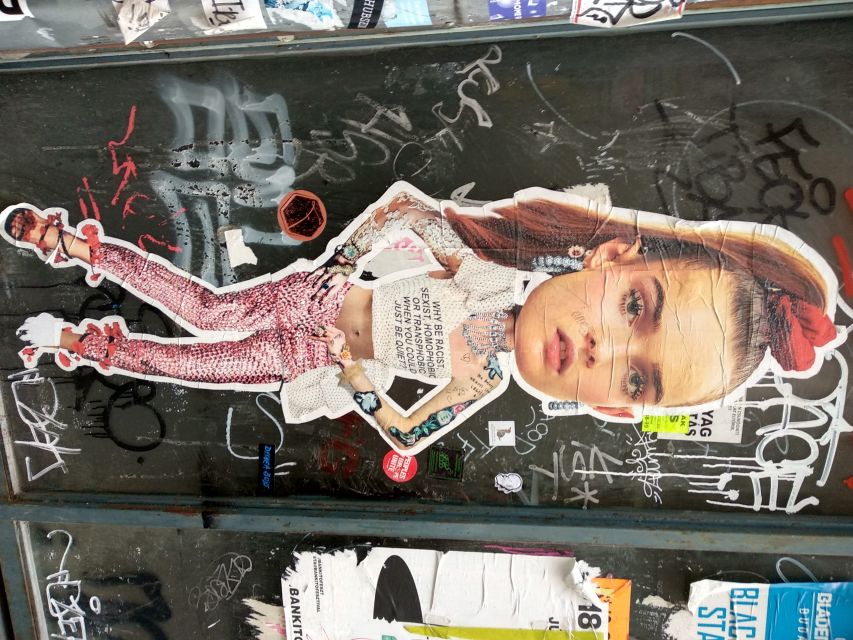
Most of the tour is spent looking at murals, graffiti, and related forms of street art. The exact pieces can change over time, since public art may fade, be painted over, or make room for something new. That is part of the nature of the scene.
You can expect the guide to discuss each work rather than simply point it out. The useful questions are often basic ones: Who made it? What is it trying to say? What local issue does it touch? How does it fit into the neighborhood?
This approach gives the art more weight. A mural may use humor, symbols, portraits, or bold colors, but its meaning can be hard to read without context. The guide’s job is to connect the artwork to Budapest’s culture and politics without turning the walk into an academic lecture.
I especially like the way the tour treats urban art as a record of public feeling. It can show what people celebrate, criticize, or debate. You get an accidental lesson in modern Hungarian life while standing in ordinary city streets.
The walk is also well suited to anyone who enjoys photography. You will have plenty to see, but the tour is not built around quick photo stops. Listen first, then take your picture. The explanation is what makes the images worth remembering later.
Attila’s role in making the walk work
The guide matters a great deal on a tour like this. Without good explanations, street art can become a series of attractive surfaces with no clear connection.
Attila is specifically praised for his personal insight into Budapest’s art scene and for giving useful background about the area. He is also known for answering questions and adjusting to what the group wants to know. That flexibility is important because people arrive with different interests. You may want to discuss politics, while someone else is more interested in technique or the artists themselves.
The tone appears to be relaxed and friendly rather than formal. That suits the subject. Street art is part of everyday city life, and a stiff presentation would work against it.
A small group makes it easier to hear the guide and ask follow-up questions. The current activity information lists a maximum of six participants, although another description mentions up to eight. If the final group is six, you should have plenty of room for conversation. Even at eight, it remains much more personal than a large walking tour.
Same walls, a different way in:
- Belfast: Murals Taxi Tour
★ 4.9 · 2,047 reviews - Wynwood Graffiti Golf Cart Small-Group Tour
★ 5.0 · 1,646 reviews - London: Street Art and Graffiti Guided Walking Tour
★ 4.9 · 1,354 reviews - Lisbon: Street Art Tour
★ 4.9 · 1,324 reviews
How the three hours are best used
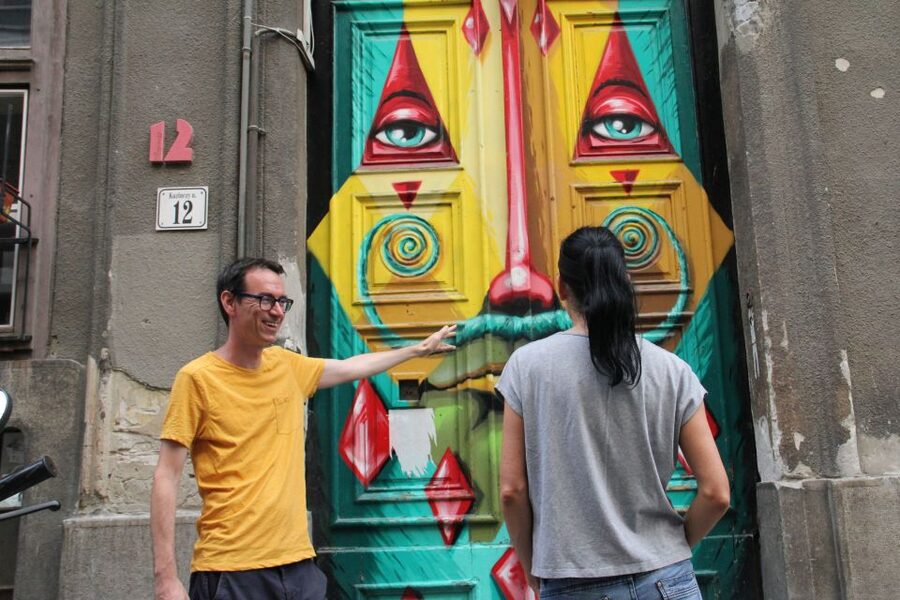
The length is one of the tour’s strengths. Three hours gives you enough time to examine several works, discuss their meaning, and walk between locations without feeling that every stop must be rushed.
The beginning should help you understand the basic shape of Budapest’s street art scene. From there, the walk moves through the Jewish Quarter, where murals and graffiti appear on walls throughout the area. You will likely spend more time on interpretation than on formal sightseeing.
The middle portion is where the tour earns its price. This is when you can ask about artists, local issues, and the difference between commissioned murals, graffiti, and other public works. The supplied information does not promise a fixed list of artworks, so you should not book this expecting a guaranteed set of famous murals.
That flexibility is both a strength and a limitation. It lets the guide respond to current conditions and the group’s interests. It also means the exact experience may vary depending on what is visible when you visit.
The coffee stop provides a change of pace. You can enjoy the included drink and continue the conversation in a more relaxed setting. For me, this is valuable because the best questions often come after you have already seen the art. You may suddenly want to ask about a particular symbol or return to a work you only partly understood.
What the political and cultural context adds
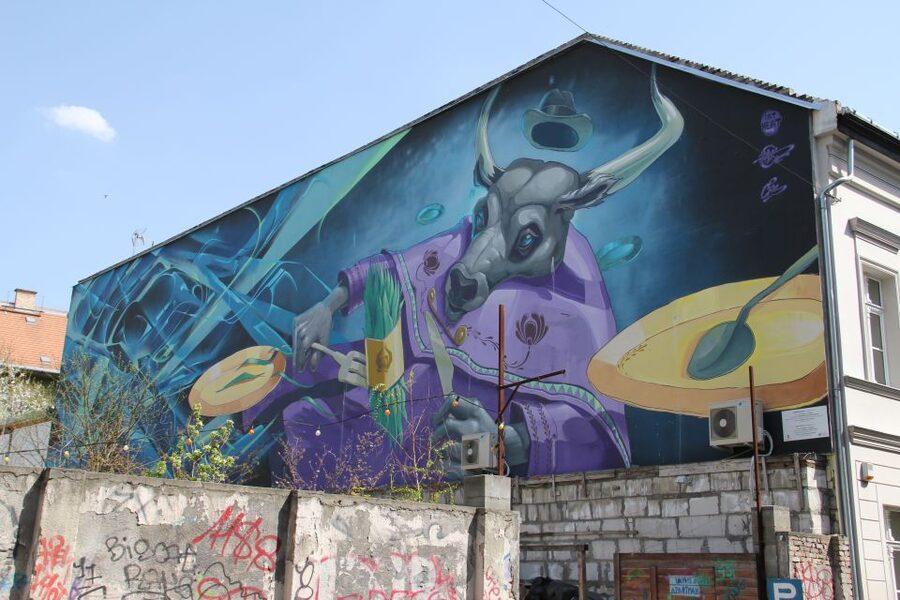
Budapest’s street art is presented as part of the city’s contemporary culture. That does not mean every piece is overtly political. Some works may focus on humor, community, identity, or the simple pleasure of changing a dull wall.
The point is that public art makes ideas visible. Local artists use accessible spaces to celebrate ways of life and values that matter to people in the city. A guide can explain what those ideas mean in a Hungarian setting, where an image that seems simple to an outsider may carry a local reference.
This is where the tour offers something beyond a standard sightseeing walk. You are not only learning about a neighborhood. You are hearing how present-day Budapest expresses itself outside museums and official monuments.
I would recommend keeping an open mind. You may not like every piece, and you may not agree with every message. That is not a flaw. A useful street art tour should give you the tools to understand the work, not tell you what reaction to have.
Weather, walking, and accessibility
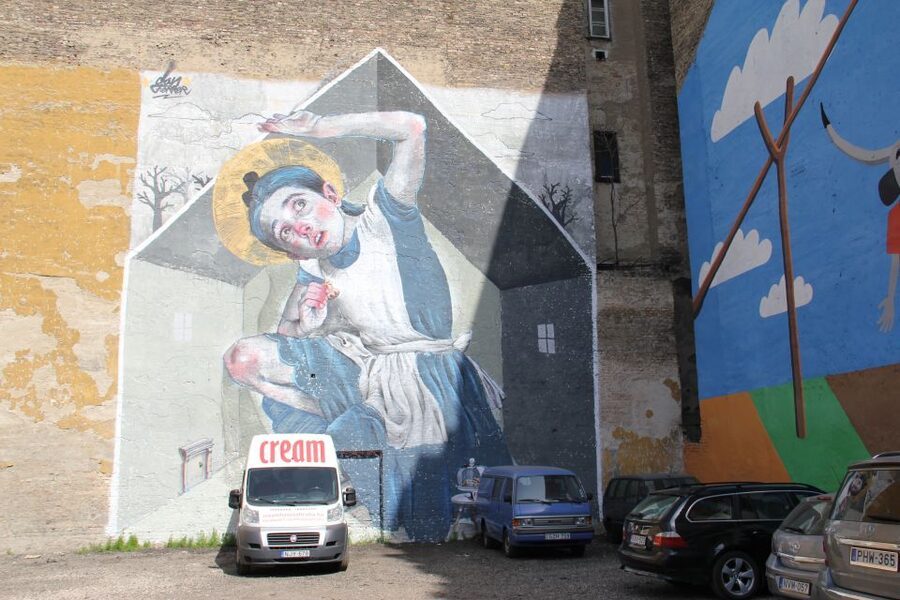
This is an outdoor walking activity, so dress for the forecast. A previous walk continued in heavy rain and still felt worthwhile, but that does not mean wet weather will be comfortable for everyone. Water-resistant clothing and shoes would make a real difference on a poor-weather day.
The activity is listed as wheelchair accessible. Since the route is outdoors and takes place on city streets, you may still want to confirm current route conditions when booking if you have specific mobility needs. The available information does not provide a detailed description of surfaces, rest stops, or restroom access.
The three-hour duration is long enough to matter. If you prefer short sightseeing stops with frequent indoor breaks, this may feel demanding. If you enjoy walking and conversation, the length gives the subject room to develop.
English is the stated tour language. You should be comfortable following a spoken discussion in English, since the value comes largely from the guide’s explanations and your chance to ask questions.
Is $53 per person good value?
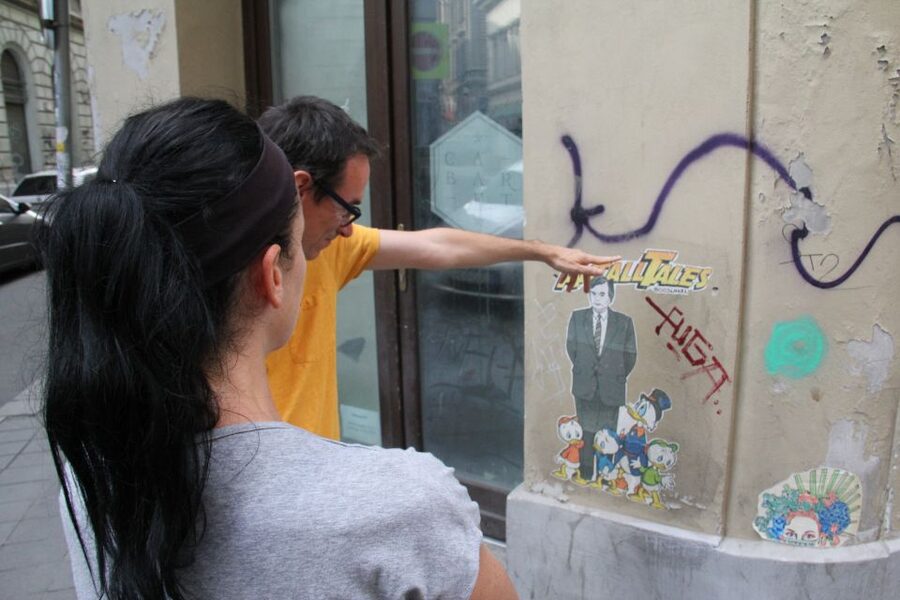
At $53 per person, this is not the cheapest way to see Budapest’s Jewish Quarter. You can walk the area independently for little or no cost. You can also photograph murals without paying for a guide.
The difference is interpretation. You are paying for three hours of local explanation, a small group, and a coffee stop. If Attila is able to give the kind of personal background promised by the activity, the cost is reasonable for someone who wants to understand the art instead of simply collect pictures.
The price makes less sense if you only want a quick introduction or prefer exploring at your own pace. It also may not suit you if street art is a minor interest and you would rather spend three hours inside museums or at historic landmarks.
For me, the small group is the key value. With six people, you can ask questions without having to compete with a crowd. You also get a better chance to follow a thread that interests you, such as local politics, artistic methods, or the role of public art in neighborhood life.
The included coffee is a pleasant extra, but it should not determine your decision. The guide and the discussion are what you are really buying.
Who should book this Budapest walk?
I would choose this tour if you want to see a less formal side of the city. It is a good fit for first-time visitors who want cultural context, repeat visitors looking for something different, and anyone who enjoys learning through conversation.
It should also suit art lovers who want to understand how works function in public spaces. You do not need a background in art. The guide explains the themes and setting in accessible terms.
This is less suitable for someone seeking a fixed historical route with major monuments at every stop. The tour focuses on murals, graffiti, and contemporary urban culture. It is also not the right choice if you want a food tour, since food is not included and the only stated refreshment is coffee.
The high overall rating of 4.8 from six ratings fits the experience described here: a personal walk led by an engaged guide, with strong attention to questions and local context. The sample feedback also points to a useful practical detail: even in heavy rain, the time passed quickly for one participant. That suggests the conversation is strong enough to carry the walk, though you should still dress sensibly.
Booking flexibility and practical details
You can cancel up to 24 hours before the activity for a full refund. The reserve-now, pay-later option also lets you hold a place without paying immediately, which is useful when your Budapest schedule is still shifting.
Starting times vary, so check availability for your date. The tour is conducted in English and is listed as wheelchair accessible.
Plan to arrive at the entrance of My Little Melbourne, not simply somewhere in the general Jewish Quarter. Wear comfortable shoes, bring weather protection, and allow enough time to find the café before the walk begins.
Should you book the Budapest Street Art Tour?
Book it if you want Budapest explained through its walls. The strongest reasons are the Jewish Quarter setting, the small group, Attila’s personal approach, and the chance to connect murals with modern culture and politics.
Skip it if you want a short, self-guided photo walk or a tour centered on traditional landmarks. At $53, the value depends on your interest in interpretation. If you enjoy asking questions and seeing how local artists respond to city life, this is a thoughtful use of three hours and a good way to look at Budapest with fresher eyes.
FAQ
How long does the Budapest Street Art Tour last?
The tour lasts three hours.
How much does the tour cost?
The listed price is $53 per person.
Where does the tour meet?
The meeting point is at the entrance of the coffee shop My Little Melbourne.
What language is the tour conducted in?
The tour is conducted in English.
Is coffee included?
Yes. A coffee is included in the activity.
Is food included?
No. Food is not included.
How many people are in the group?
The current activity details list a maximum of six participants. Another description refers to groups of up to eight, so you may wish to confirm the final group size when booking.
Is the tour wheelchair accessible?
Yes. The activity is listed as wheelchair accessible.
Can I cancel for a full refund?
Yes. You can cancel up to 24 hours in advance for a full refund.
Do I have to pay when I reserve?
No. A reserve-now, pay-later option is available, allowing you to hold your place without paying immediately.
Freshly painted around the world
- Xochimilco floating gardens, Coyoacan and UNAM murals★ 4.0 · 6 reviews
- Your Own Belgrade: Street Art and Hidden Gems Walking Tour★ 5.0 · 2 reviews
- Wynwood Walls Street Art & Neighborhood Walking Tour★ 4.9 · 9 reviews
- Vancouver: Street Art & Craft Beer Walking Tour with Tasting★ 4.8 · 14 reviews
- Zagreb Street Art Private Walking Tour with a Local Artist★ 5.0 · 12 reviews
- Urban Canvas: Osaka Street Art Bike Tour★ 5.0 · 10 reviews
- Vancouver: Street Art & Craft Coffee Walking Tour w/ Tasting★ 4.8 · 11 reviews
- UNAM: Murals & Revolution★ 4.9 · 8 reviews
Budapest Street Art Tours, compared.
Budapest: Street Art and Underground Movements Walking Tour
Read our review →
Budapest Vibe: Ruin Bars, Street Art and Culture Tour
Read our review →
Original Budapest Alternative Street Art & Jewish Tour
Read our review →
Budapest: Ruin Bars, Street Art, and Jewish Quarter Tour
Read our review →
Budapest Urban Art – Private Street Art Tour with a Drink in a Ruin Bar
Read our review →Browse the lists this tour appears in