
Review · BUDAPEST
Alternative Street Art Free Walking Tour of Budapest
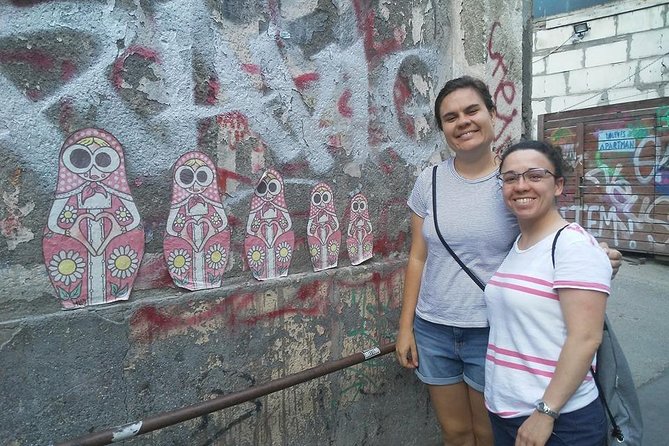
Budapest’s street art is not just decoration. On this walk, murals and small pieces become clues to the city’s politics, Jewish neighborhood, youth culture, and post-communist life. I like the way the tour connects local art with Hungarian history, and I like that the route finishes at a ruin bar rather than simply dropping you beside a monument. The low price is another strong point.
The main caution is that the meeting and ending details need a careful check before you go. The information names Rákóczi tér as the start, also refers to a yellow umbrella at Blaha Lujza Tér, and lists Auróra u. 11 as the finish while describing the final stop as Szimpla Kert. Ask for the exact meeting point when you book.
Key points at a glance
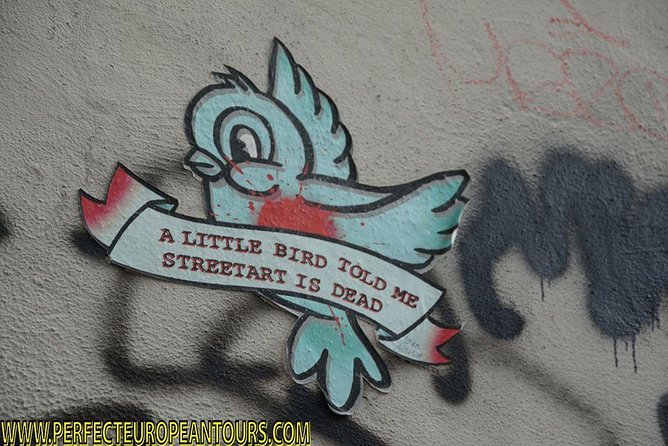
- Street art with context: You look at graffiti, small artist pieces, and commissioned murals while learning why the Jewish Quarter became a center for alternative art.
- Guides with local insight: Victoria is often named for her clear history lessons, while Peter and Alexandria are also praised as engaging guides.
- A smart low-cost choice: The listed price is $3.62 per person, with the tour described as complimentary apart from the booking fee and an optional tip.
- A ruin-bar finish: The walk ends with an introduction to Budapest’s ruin-bar culture, with Szimpla Kert named as the final stop.
- Small group format: The maximum is 15 people, which gives the guide a fair chance to answer questions and keep the group together.
- Plan for outdoor walking: The experience lasts about 1 hour 40 minutes and can be canceled for poor weather or lack of a minimum number of participants.
Why Budapest street art tells a bigger story
This is not a walk designed only for taking colorful photos. Its real subject is the way public art reflects change in Budapest.
You move through the historic Jewish neighborhood, where old buildings, nightlife, political memory, and younger creative culture sit close together. The art may include large commissioned murals, unofficial graffiti, and smaller works that are easy to miss if you simply follow the main sightseeing route.
That mix matters. A polished wall mural can show how a neighborhood presents itself today. A rougher piece can suggest frustration, humor, protest, or a desire to claim public space. The guide helps you read those differences instead of treating every painted wall as the same.
I especially like that the walk is not limited to the most photogenic work. The strongest feedback describes a mix of local artists’ pieces, commissioned murals, and discussion of Hungary’s social and political past. That gives you a better sense of how street art functions in the city, rather than reducing the subject to Instagram backgrounds.
More Alternative Street Art Tours in the world:
- Budapest: Street Art and Underground Movements Walking Tour
★ 5.0 · 365 reviews - Berlin: Street Art and Alternative Tour
★ 4.7 · 98 reviews - San Antonio E-Bike Tour: Murals, Street Art and Hidden Gems
★ 5.0 · 88 reviews
Walking through the Jewish Quarter

The route focuses on Budapest’s Jewish Quarter, an area with a complicated past and a strong present-day cultural life. You are not simply shown a sequence of walls. The guide explains how the district became associated with art, youth culture, ruin bars, and alternative nightlife.
Victoria is frequently named as a guide who adds substantial historical context. Her background includes living in Hungary for more than 25 years, and her tours are described as covering both national events and everyday life. That is useful here because street art makes more sense when you understand something about the place around it.
You may hear about life before and after communism, current Hungarian society, and the way public art reflects political or social ideas. The conversation can also reach beyond the Jewish Quarter itself, giving you a wider view of Budapest.
The walk is not rushed. That is important because street art often requires a pause. You need time to look at a detail, hear the story behind a mural, and ask why a work appears in one location rather than another. A hurried photo stop would miss much of the point.
What the guide adds to the murals
The guide is the key variable on a street art tour. The art is fixed, but the explanation determines whether you leave with a few pictures or a better understanding of Budapest.
Victoria receives the strongest praise in the supplied feedback. She is described as witty, direct, and especially good at linking art with Hungarian history and current culture. One description characterizes her approach as both academic and backstreet, which is a useful way to think about this experience. You get historical facts, but you also hear about ordinary life and local change.
Peter is also mentioned for adding fun facts and keeping the walk interesting. Alexandria is praised for showing both corporate commissioned art and graffiti, an important distinction if you want to understand the full public-art scene.
Guide assignments can change, so you should not assume you will get a particular person. Still, the repeated focus on explanation, humor, and historical background suggests that this is a guide-led cultural walk, not a simple hunt for murals.
I would ask questions as you go. A small group makes that easier, and the maximum of 15 people is a useful limit. One account describes an even smaller outing that became almost private, but you should not count on that. At full capacity, the group may feel less personal, though it remains much easier to manage than a large city walk.
From small pieces to large commissioned walls
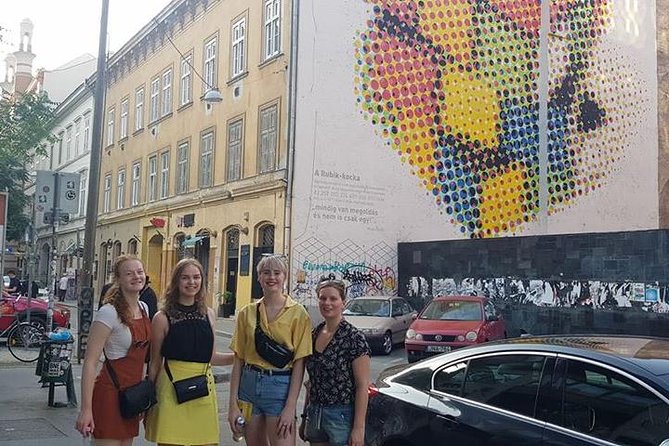
One of the best features is the range of art. You might see a large wall painted for public viewing, then move on to a small work that would be easy to overlook without a guide.
Commissioned murals can seem more polished and official. Graffiti and independent pieces may feel rougher or more personal. Seeing both helps you understand that Budapest’s public art scene is not one single movement.
The guide also explains how art relates to the area’s identity. The Jewish Quarter has become a place where old history and newer creative energy overlap. That does not erase the district’s past, and the tour appears to avoid treating the neighborhood as just a nightlife zone.
This balance is valuable for first-time visitors. You get something visually engaging, but you also learn why the area feels different from the grand boulevards and formal sights usually associated with Budapest.
If you are already interested in urban art, you will likely appreciate the range of work and the explanations behind it. If you are not an art specialist, the history and social background give you another way into the subject. You do not need to know artistic terminology to enjoy the walk.
More Street Art Walking Tours in the world:
- London: Street Art and Graffiti Guided Walking Tour
★ 4.9 · 1,354 reviews - Berlin: City Street Art Guided Walking Tour
★ 4.8 · 1,051 reviews - Naples Spanish Quarters Walking Tour Street Art, Folklore & Sweet
★ 5.0 · 797 reviews - Lisbon: Kickstart Street Art Walking Tour
★ 4.9 · 717 reviews
The ruin-bar ending and Szimpla Kert
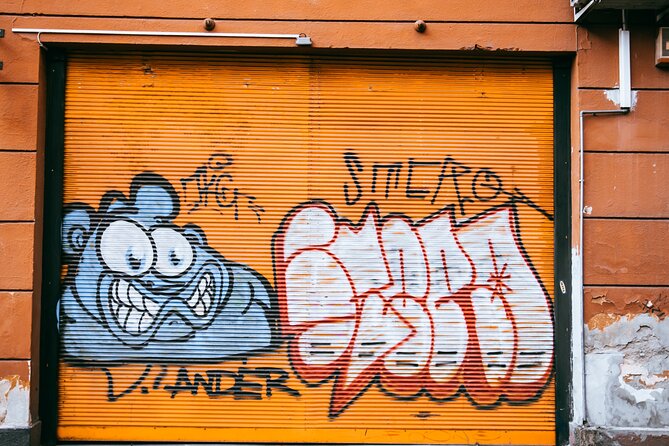
The walk is scheduled to finish at Szimpla Kert, Budapest’s best-known ruin bar. The final stop is listed as free admission, and the experience includes an introduction to ruin-bar culture.
This ending makes sense. The bars are part of the same alternative urban culture that helped make the neighborhood attractive to artists and younger residents. By ending in this setting, the guide connects the murals to a living part of Budapest rather than leaving you at the last painted wall.
You may be shown other ruin bars as well, depending on the guide and route. The information describes a short explanation of their history and suggests that the guide may remain for a drink if heading that way. That is a pleasant possibility, not something you should treat as a guaranteed extra part of the tour.
You pay for your own drink, and the cost of using a public toilet is not included. There is no admission charge listed for the walking tour or for the Szimpla Kert stop.
The ruin-bar finish also gives you an easy way to continue the evening. You can stay for a drink, ask the guide for suggestions, or leave once the walk ends. If you prefer quiet sightseeing, remember that a famous ruin bar is a lively social setting, not a calm historical monument.
Is the $3.62 price really good value?
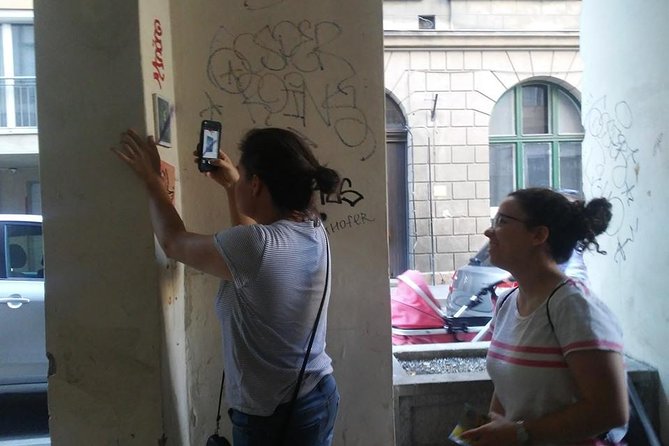
At $3.62 per person, this is unusually inexpensive for a guided city walk. The tour is presented as complimentary, with the small booking fee covering the reservation and a tip forming the customary way to thank the guide.
The value is especially good if you want more than a list of locations. You receive about 1 hour 40 minutes of guided walking, interpretation of street art, background on the Jewish Quarter, and an introduction to ruin bars. A guide who explains the social meaning behind the art gives you information that would be difficult to pick up from a map alone.
The low price does come with a practical responsibility. If you enjoy the tour, budget for a tip. That is part of the free-walking-tour model and helps explain how such a low booking price works.
You should also allow for your own spending after the tour. Drinks at the ruin bar are not included, and parking fees are not covered. Public toilets may also cost extra.
For value, I would rate this highly, especially for solo visitors, couples, and small groups who want a first look at an alternative side of Budapest without committing to an expensive specialist tour.
Meeting points, timing, and group size
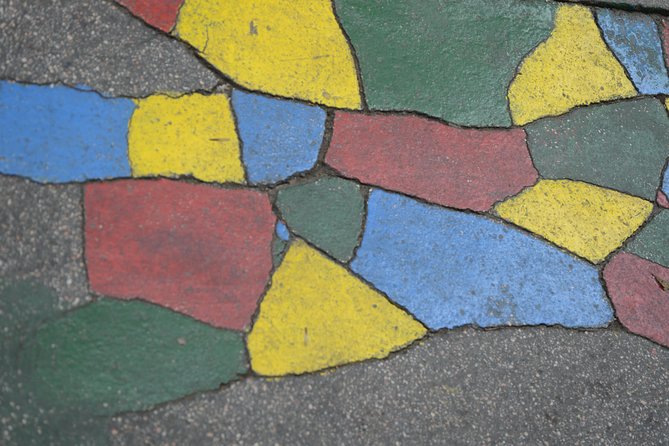
The published details contain more than one location reference. Rákóczi tér is given as the start, while another instruction says to find a guide carrying a yellow umbrella at Blaha Lujza Tér. The end is listed as Budapest, Auróra u. 11, while the route description identifies Szimpla Kert as the finishing point.
These details may reflect different meeting instructions or an updated route, but you should not guess. Check the confirmation message and contact the provider if the locations do not match. Arriving at the wrong square can turn a relaxed walking tour into a stressful search.
The walk lasts approximately 1 hour 40 minutes. Wear shoes suitable for city walking, and leave enough time before your next booking. Since the route is outdoors, weather matters. The tour can be moved or refunded if poor weather causes cancellation.
The group limit is 15 people. That is small enough for a guide to speak without shouting and for you to ask questions, though the experience will feel most personal when fewer people attend.
The tour is offered in English and uses a mobile ticket. It is near public transportation, and most people can take part. Service animals are allowed.
Who will enjoy this walk most?
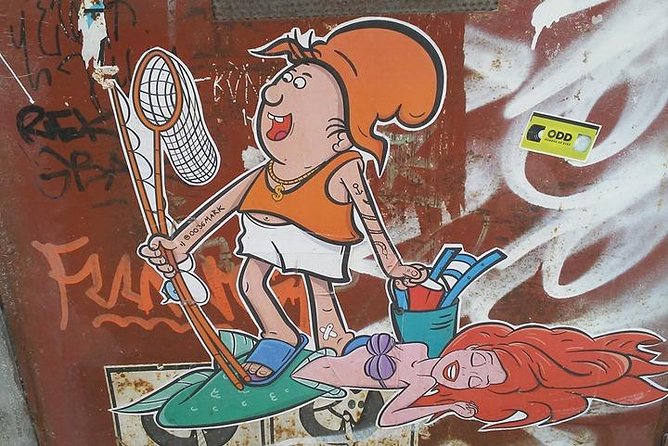
I would choose this tour if you want to see Budapest through modern culture rather than only through churches, palaces, and grand public squares.
It suits:
- Art fans who want to see more than large, famous murals.
- History-minded visitors who appreciate links between public art and political change.
- First-time visitors looking for orientation in the Jewish Quarter.
- Returning visitors who have already covered the main monuments.
- Budget-conscious visitors who want a guided experience for very little money.
- People interested in ruin bars who want some background before choosing where to spend the evening.
It may be less suitable if you dislike walking, want a tightly fixed list of famous sights, or expect a formal museum-style art lecture. Street art changes, and the route can depend on what is available in the neighborhood.
Families may find the historical discussion useful, but the content can include politics, social change, and adult nightlife culture. The data says most people can participate, but no detailed accessibility information is supplied, so contact the provider if you have specific mobility needs.
Booking advice and cancellation terms
The tour is often booked about 22 days ahead, so I would reserve early if your dates are fixed. A mobile ticket makes the booking simple, but the conflicting location details make it worth checking your confirmation carefully.
Free cancellation is available up to 24 hours before the start time for a full refund. Changes or cancellations made less than 24 hours before the start are not accepted for a refund.
The experience requires good weather and a minimum number of participants. If the provider cancels for either reason, you are offered another date or experience, or a full refund.
Should you book the Alternative Street Art Free Walking Tour?
Yes, if you want a low-cost walk with real context and an unusual route through Budapest. The strongest reason to book is the combination of street art, Jewish Quarter history, and ruin-bar culture. You get a view of the city that a standard monument tour rarely provides.
I would be especially happy to book it early in a Budapest visit. It can help you understand the neighborhood before returning for dinner or nightlife, and the guide may point out places worth revisiting.
Just confirm the exact meeting point, bring comfortable shoes, and remember that the final drink is your own expense. If your idea of Budapest is limited to grand architecture, this walk offers a useful change of pace. If you want a polished, indoor art tour, choose something else.
FAQ
How long does the Alternative Street Art Free Walking Tour last?
The tour lasts approximately 1 hour and 40 minutes.
What language is the tour offered in?
The tour is offered in English.
How much does the tour cost?
The listed price is $3.62 per person. It is described as a complimentary tour, with a booking fee and tip forming the expected payment structure.
Where does the tour start?
Rákóczi tér in Budapest is listed as the start point. The information also refers to meeting a guide with a yellow umbrella at Blaha Lujza Tér, so confirm the exact location before setting out.
Where does the tour finish?
The tour is described as finishing at Szimpla Kert, a famous ruin bar. Budapest, Auróra u. 11 is also listed as the end address, so check your booking confirmation for the current finishing point.
Is Szimpla Kert admission included?
The itinerary lists free admission for the Szimpla Kert stop. Drinks and other personal purchases are not included.
How many people can join the tour?
The maximum group size is 15 people.
Can I cancel for a full refund?
Yes. You can cancel at least 24 hours before the start time for a full refund. Poor weather or failure to reach the minimum number of participants may also lead to an alternative date or a full refund.
Freshly painted around the world
- Xochimilco floating gardens, Coyoacan and UNAM murals★ 4.0 · 6 reviews
- Your Own Belgrade: Street Art and Hidden Gems Walking Tour★ 5.0 · 2 reviews
- Wynwood Walls Street Art & Neighborhood Walking Tour★ 4.9 · 9 reviews
- Vancouver: Street Art & Craft Beer Walking Tour with Tasting★ 4.8 · 14 reviews
- Urban Canvas: Osaka Street Art Bike Tour★ 5.0 · 10 reviews
- Vancouver: Street Art & Craft Coffee Walking Tour w/ Tasting★ 4.8 · 11 reviews
- Zagreb Street Art Private Walking Tour with a Local Artist★ 5.0 · 12 reviews
- UNAM: Murals & Revolution★ 4.9 · 8 reviews
Budapest Street Art Tours, compared.
Budapest: Street Art and Underground Movements Walking Tour
Read our review →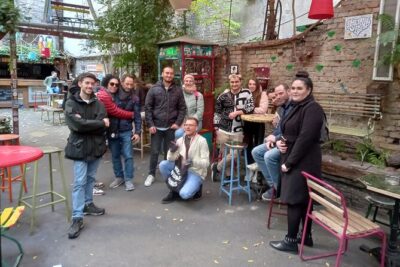
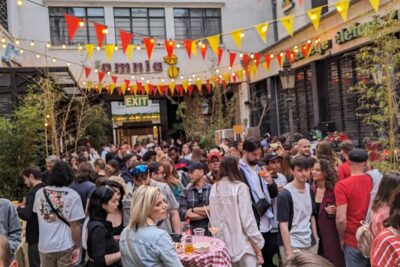
Budapest Vibe: Ruin Bars, Street Art and Culture Tour
Read our review →
Original Budapest Alternative Street Art & Jewish Tour
Read our review →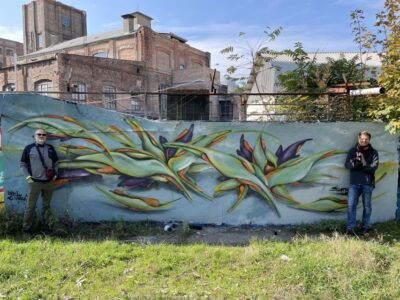
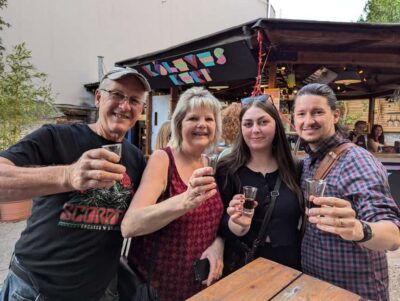
Budapest: Ruin Bars, Street Art, and Jewish Quarter Tour
Read our review →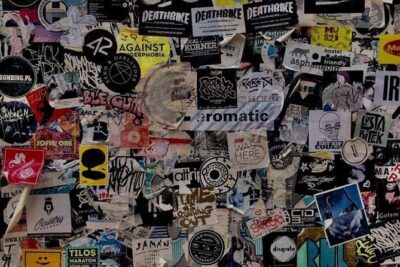
Budapest Urban Art – Private Street Art Tour with a Drink in a Ruin Bar
Read our review →
Browse the lists this tour appears in