
Review · BERLIN
Street Art & Berlin Gay, Queer, Trans History + Free Gay Map
Berlin’s street art and queer past meet on this compact walk led by Gali Jaffe, a trans woman guide who connects public art with the people and places that shaped Schöneberg. You’ll see colorful murals, visit Urban Nation, and trace the neighborhood’s links to Christopher Isherwood, El Dorado, and Magnus Hirschfeld.
I like the small group of no more than 10 and the personal approach. I also like the free Berlin Gay Map, which helps you keep exploring after the two-hour tour. The main consideration is pace: with art, transport, a gallery, and several history stops packed into two hours, this is an introduction rather than a full study of Berlin’s queer past.
Key points to know before booking

- Gali Jaffe leads the tour: Expect an English-language walk with a trans woman guide who can tailor the conversation to the group.
- Street art comes first: The tour begins with Berlin’s graffiti and public art before moving into Schöneberg’s queer landmarks.
- Urban Nation is a short but useful stop: You get about 20 minutes for guided time and a chance to look around.
- Major names anchor the history: Christopher Isherwood, El Dorado, and Magnus Hirschfeld give the walk a clear human focus.
- It stays personal and manageable: The group is limited to 10 people, and the route returns to Wittenbergplatz.
- Bring a public transport ticket: Two short public transport segments are part of the route, but your fare is not included.
Why this two-hour Berlin walk is different
Many Berlin tours focus on the Wall, grand museums, or the city’s best-known memorials. This one takes a smaller route through street art and queer life, using places in Schöneberg to show how art, identity, nightlife, and social change overlap.
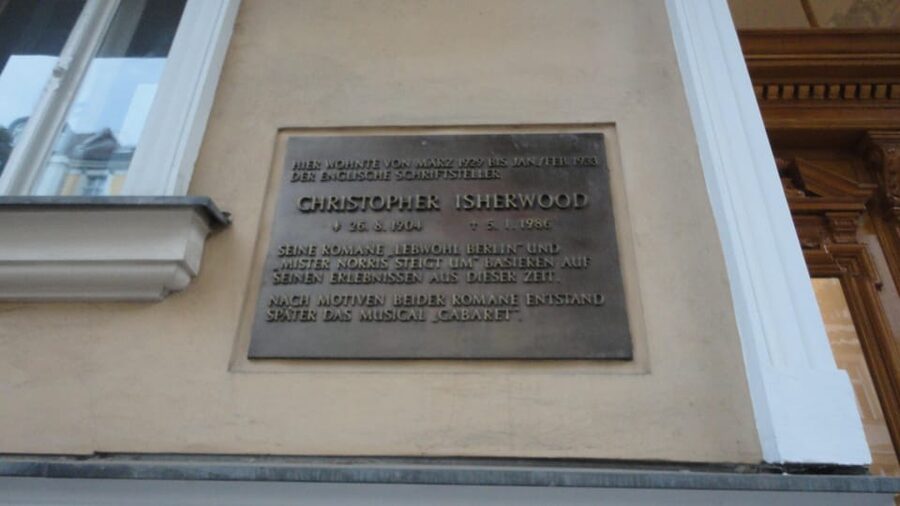
The appeal is not simply checking off a gay neighborhood. You get a guided look at how Berlin’s queer past is tied to real addresses and public spaces. Christopher Isherwood’s former home, the site of the El Dorado club, and the work of Magnus Hirschfeld each add a different layer.
I like that the tour does not treat history as something sealed inside a museum. You walk through the city, pause at places connected with people and institutions, and see how the present-day streets sit alongside earlier chapters.
The experience is also deliberately light in tone. It begins with colorful street art, then moves toward more serious historical subjects. That mix should suit you if you want context without spending two hours in a lecture.
More history behind the walls around Berlin:
- 3-Hour Atlanta Beltline Food, Street Art and History Tour
★ 5.0 · 345 reviews - History and Murals: Walking Tour Guadalajara
★ 5.0 · 237 reviews - Walking Tour – Impressive murals in Historical Center of Mexico City
★ 5.0 · 224 reviews
Meeting Gali Jaffe at Wittenbergplatz
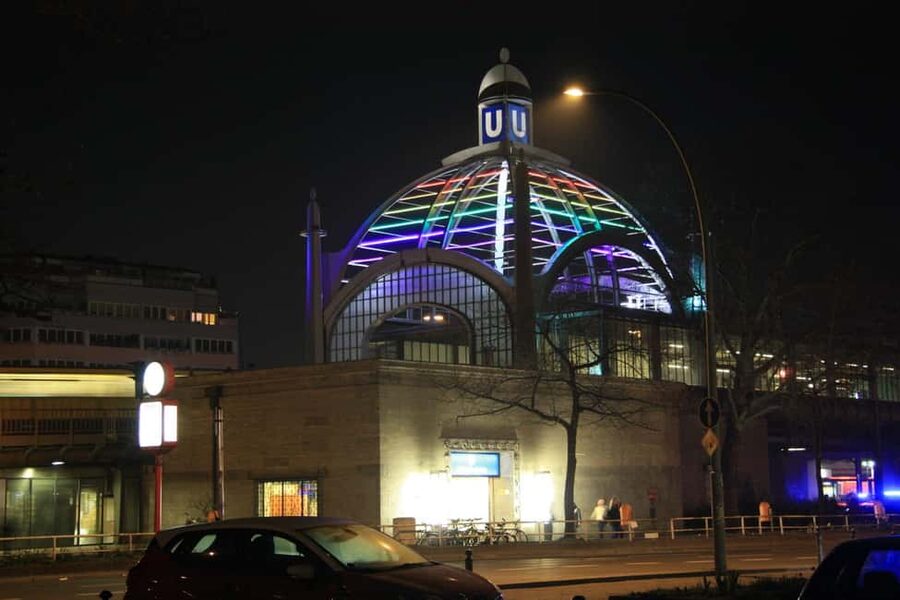
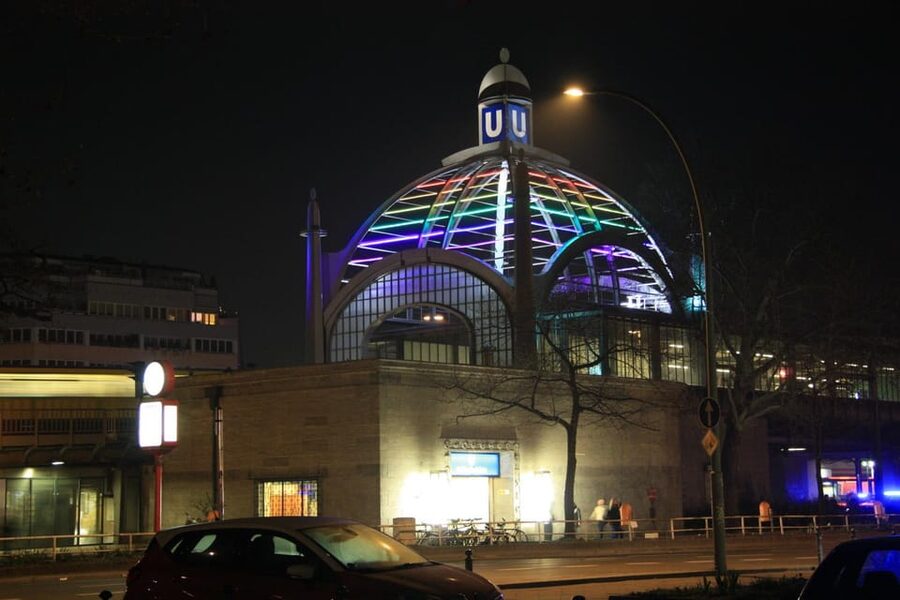
The starting point is easy to identify: meet inside the entrance to the Wittenbergplatz Underground Station, in front of the KaDeWe department store. This gives you a clear landmark in a central part of Berlin and avoids the confusion that can come with meeting on a random street corner.
Wittenbergplatz is also a practical place to begin because the tour returns there at the end. You can plan a meal, shopping stop, or another activity without arranging a separate ride back across the city.
Gali Jaffe is the guide and the experience is conducted in English. The tour is limited to 10 people, which matters here. Street art and neighborhood history work better when you can hear the guide and ask a question without competing with a large crowd.
The tour is designed for people aged 16 and older. That is worth noting if you are planning a family outing. A 16-year-old did enjoy the tour alongside a parent, but children under 16 are not accepted.
Starting with Berlin’s street art

The first part focuses on some of Berlin’s most striking street art and graffiti. The exact works can vary, so you should think of this as a guided introduction to the city’s changing outdoor art rather than a fixed museum collection.
That flexibility is useful. Street art is not always permanent, and a good guide can explain what you are looking at instead of simply pointing at a wall. Gali’s background in archaeology and cultural history adds a useful angle, especially if you are interested in how public spaces carry layers of meaning.
I like beginning here because the art gives the tour an easy entry point. You do not need prior knowledge of queer history or Berlin’s club culture to enjoy murals and graffiti. The visual side helps the group settle in before the conversation moves into more personal and political ground.
You should still arrive ready to walk and pay attention to your surroundings. This is an outdoor tour, and the experience depends on what can be seen along the route. Snow once added an unexpected atmosphere to the walk, but weather is part of the bargain with any street-based activity.
The unusual church stop

From the street art, the route continues to what is described as one of Berlin’s most unusual and interesting churches. The church is an important change of mood. It gives you a chance to look beyond club culture, murals, and nightlife while seeing another part of the city’s identity.
The available details do not name the church or promise an interior visit, so you should not book this expecting a formal church tour. Instead, treat it as one stop within a wider neighborhood walk, with Gali explaining why the place matters.
This is also where the tour’s personal format helps. A short stop can feel thin if the guide only gives dates and names. Gali’s conversational style allows the group to ask about what makes the site unusual and how it fits into the surrounding area.
Same walls, a different way in:
- Berlin: City Street Art Guided Walking Tour
★ 4.8 · 1,051 reviews - Berlin: 3-Hour Street Art Tour
★ 4.7 · 778 reviews - Berlin Street Art Walking Tour – Off The Grid
★ 5.0 · 270 reviews - Berlin: Graffiti Workshop at the Berlin Wall
★ 4.6 · 234 reviews
Twenty minutes at Urban Nation

The Urban Nation Gallery is the clearest art-focused stop on the route. You get about 20 minutes for guided time and free time, making it a short visit rather than a full gallery session.
That limit keeps the tour moving, but it also means you will need to use the time well. If you enjoy contemporary urban art, this stop may leave you wanting longer. On the other hand, the brief visit gives you a taste of the institution without turning the entire outing into an indoor gallery tour.
I like the contrast between outdoor street art and a dedicated gallery. Outside, the work is part of the street and may change or disappear. Inside Urban Nation, you get a more structured setting for viewing art. The two stops help you compare Berlin’s public art culture with its gallery side.
The gallery stop also provides a useful break from walking. It may be especially welcome if the weather is poor, although the tour remains a mixed indoor and outdoor experience.
Walking through Schöneberg’s queer past
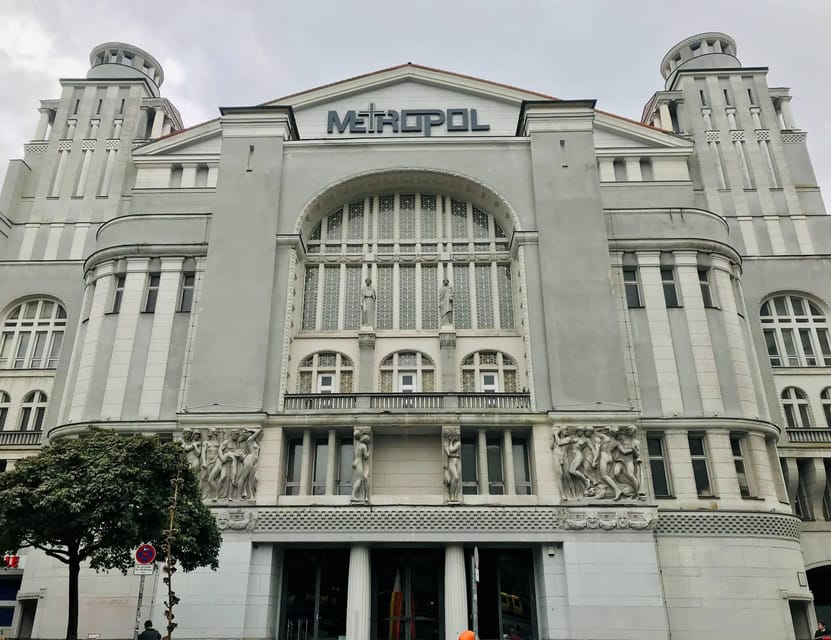
After Urban Nation, the tour continues through the Nollendorf area of Schöneberg. This is the historical heart of the experience, where the route connects buildings and sites with Berlin’s Gay, Queer, and Trans communities.
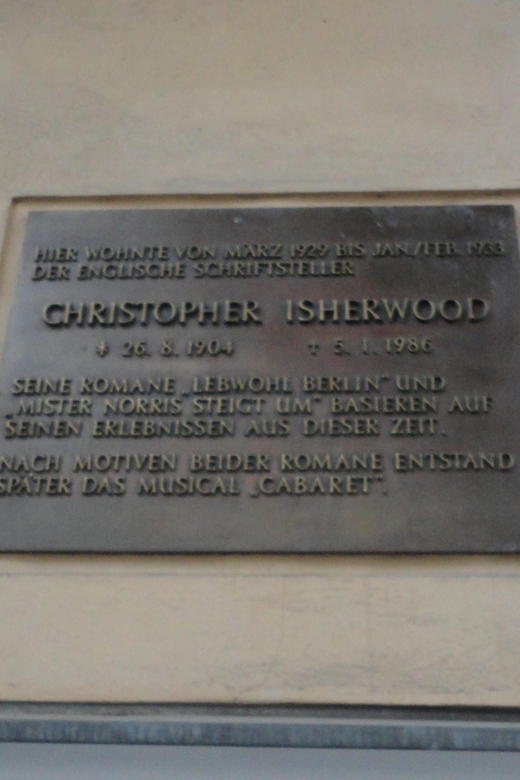
One stop is the former home of Christopher Isherwood. His name gives the tour a literary thread and shows how the neighborhood has attracted artists and writers as well as nightlife and political activity.
You also visit the location of the famous El Dorado club. The club is no longer presented as a functioning venue on this tour, so the value is in understanding the site and its place in Berlin’s queer past. A location can look ordinary today, which is exactly why a guide matters. Without context, you could walk past it without knowing what happened there.
The route also discusses Magnus Hirschfeld and his Institute for the Science of Sexuality. The institute is presented as the first of its kind and as a major part of the story being told. This gives the walk a wider frame: you are not only hearing about entertainment venues, but also about research, social thought, and the effort to understand sexuality and gender.
The tour does not promise a long academic treatment of every subject. Instead, these names act as signposts. You move through the neighborhood while building a basic map of the people and places that made Berlin important to queer history.
What the personal format adds

The strongest feature is the chance to shape the conversation. Gali is described as warm, insightful, and able to adjust the tour to the group’s interests. That matters because the subject can go in several directions: art, literature, nightlife, transgender history, social science, or modern Berlin.
A large coach tour would be a poor fit for this material. The group size of 10 allows questions and makes it easier to pause at a small location. You are not just listening from the back of a crowd.
The personal format also means the exact balance may vary. One group may spend more time on street art, another on queer history, and another on the people connected with Schöneberg. If you want a fixed script with equal minutes for every stop, this may feel less predictable. If you prefer a guide who responds to your interests, that flexibility is a real benefit.
Gali’s identity as a trans woman is also central to the experience. It gives the tour a direct connection to contemporary trans and queer life, rather than presenting the subject only as distant history. You should approach the walk with respect and curiosity, especially during discussions that involve identity, discrimination, and social change.
Timing, transport, and walking demands
The tour lasts two hours and includes two short public transport segments, each listed at about five minutes. You must bring your own public transport ticket. That is a small extra cost, but it is important because you cannot treat the whole route as a walking-only activity.
The scheduled sections include about 40 minutes of guided touring in Schöneberg, 20 minutes at Urban Nation, and another 30 minutes of guided sightseeing and walking in Schöneberg. The remaining time covers the transfers and movement between stops.
This is a compact route. You get a lot of subjects in a short period, so take notes if you want to remember names and locations. The free Berlin Gay Map is useful here. You can use it to mark the places you see and continue exploring after the group finishes.
The tour is wheelchair accessible, which makes it more approachable for many people. Still, the route includes public transport and walking, so you may want to confirm the current meeting and route details when booking if you have specific mobility needs.
Is $57 a fair price?
At $57 per person, this is not the cheapest way to spend two hours in Berlin. You are paying for a small group, a specialist subject, a live English-speaking guide, and a personal route rather than a general city walk.
The value is strongest if you want queer and trans history presented through actual Berlin locations. A standard sightseeing tour may show you more landmarks, but it is unlikely to connect street art, Urban Nation, Isherwood, El Dorado, and Hirschfeld in this focused way.
The free Berlin Gay Map improves the value because it gives you a practical follow-up tool. The map is not a substitute for the tour, but it can help you continue visiting related places on your own.
The price is harder to justify if you want a long gallery visit, extensive time at every historical site, or a broad survey of all Berlin. Two hours moves quickly, and the Urban Nation stop is short. I would book this as a focused introduction, not as your only cultural activity in the city.
Who will enjoy this tour most
I would recommend it to adults and older teenagers who want more than Berlin’s standard highlights. It is a good match if you are interested in street art, queer life, trans history, literature, nightlife, or the social story behind city neighborhoods.
It should also suit you if you prefer a small, conversational group. The tour has enough structure to keep moving, but it is not built around a large crowd or a long list of stops.
The experience may be less suitable if you need a child-friendly activity, dislike public transport, or want a purely indoor outing. It is also not the best choice for someone who wants a detailed museum tour. The strength is the combination of walking, discussion, art, and place.
Practical booking advice
Wear shoes suitable for walking and check the weather before you go. Bring a valid public transport ticket, since short train or underground segments are part of the route.
The meeting point is the entrance to Wittenbergplatz Underground Station, in front of KaDeWe. The tour ends at the same place, which makes planning the rest of your day simple.
You can cancel up to 24 hours ahead for a full refund, and you can reserve now and pay later. Starting times vary, so check availability before choosing your day.
Should you book the Street Art and Berlin Gay, Queer, Trans History tour?
Book it if you want a thoughtful, personal introduction to Berlin’s queer past, especially one that uses street art and real neighborhood locations to keep the subject lively. Gali Jaffe’s direct perspective, the group limit of 10, and the free Gay Map give the experience more purpose than a quick photo walk.
Skip it if you want a full museum visit, a long historical lecture, or a tour aimed at young children. For the right audience, $57 buys a focused two hours and a useful starting point for exploring Schöneberg on your own.
FAQ
Where does the tour begin?
It begins at the entrance to Wittenbergplatz Underground Station, in front of the KaDeWe department store.
Where does the tour end?
The activity ends back at the Wittenbergplatz meeting point.
How long does the tour last?
The tour lasts two hours.
What language is the tour in?
The live tour is conducted in English.
Who leads the tour?
The guide is Gali Jaffe, a trans woman tour guide and the experience provider for Archaeology Online.
How many people can join?
The tour is limited to 10 participants.
Is the tour wheelchair accessible?
Yes, the activity is listed as wheelchair accessible.
Do I need a public transport ticket?
Yes. You should bring your own public transport ticket because the route includes two short public transport segments.
Is the Urban Nation Gallery included?
Yes. The route includes a stop at Urban Nation with guided time and free time, lasting about 20 minutes.
What historical places and people are included?
The tour includes Christopher Isherwood’s former home, the location of the El Dorado club, and discussion of Magnus Hirschfeld and his Institute for the Science of Sexuality.
Is a map included?
Yes. You receive a free Berlin Gay Map.
Can children join?
Children under 16 are not suitable for this activity. The tour is intended for participants aged 16 and older.
Can I cancel my booking?
Yes. You can cancel up to 24 hours in advance for a full refund. You can also reserve now and pay later.
Freshly painted around Berlin
- Graffiti Workshop Berlin with professional graffiti artists★ 4.0 · 4 reviews
- Open graffiti workshop in the Mauerpark in Berlin★ 5.0 · 2 reviews
- Alternative Berlin Private Tour with Jacob – Graffiti and Squats★ 5.0 · 6 reviews
- Alternative Berlin & Street Art Tour★ 4.5 · 14 reviews
- Private Alternative Berlin Tour -Murals, Graffiti and Squats★ 4.8 · 5 reviews
- Street Art Workshop & Tour – Private Group★ 5.0 · 2 reviews
- Berlin : Private Street Art Walking Tour (Private Tour)★ 5.0 · 2 reviews
- Mega Street Art, Mural, Graffiti Private Tour★ 5.0 · 2 reviews
Berlin Street Art Tours, compared.



East Meets West: Berlin Food Culture & Street Art
Read our review →
Browse the lists this tour appears in