
Review · COLOMBIA
Shared Tour Cali’s Salsa, Graffiti & Resistance Experience
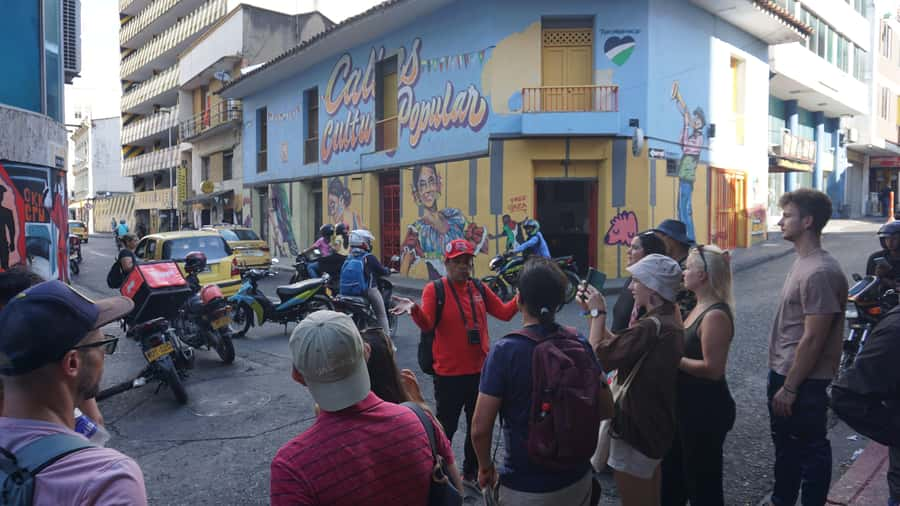
Cali’s salsa is more than a dance lesson or a soundtrack for late nights. This 150-minute walking tour connects the music to African emancipation, popular culture, protest, and the city’s long habit of turning struggle into art. You’ll move through murals and public squares with a guide such as Cristian, who brings the subject to life with stories, music, and a bit of dance.
I like two things here. First, the tour gives salsa a useful social context instead of treating it as a party trick. Second, it joins music with graffiti and resistance, so you see how public art remembers both salsa figures and victims of social conflict. The main drawback is the pace: you’ll walk about 8 kilometers, often in the heat, during a fairly concentrated two and a half hours.
Key points at a glance
- Salsa with a social story: Follow the music from African emancipation and the Caribbean to New York and Cali’s 1960s to 1980s boom.
- A walk through central Cali: Visit Plazoleta de la Caleñidad, Calle del Pecado, the River Boulevard curve, World Cup Tunnel, and 5th Avenue.
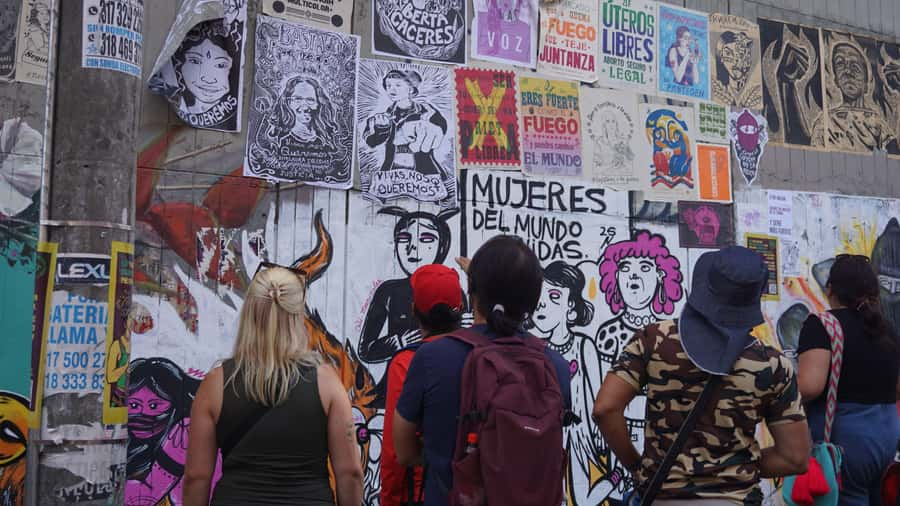
- Murals with a purpose: See tributes to salsa musicians alongside graffiti linked to popular causes, protest, and remembrance.
- A lively guide-led format: Guides such as Cristian, Christian, or Chris bring music, stories, and interaction into the walk.
- Useful nightlife advice: You receive recommendations for salsa bars and possible partner discounts through the Beyond Colombia map.
- Plan for real exercise: The route covers about 8 kilometers and includes stops to listen, but it is not a gentle stroll.
Why Cali salsa needs more than a dance floor
Cali is known as Colombia’s salsa capital, and the city’s relationship with the music is personal. People come here to learn the local style, watch skilled dancers, or spend the night moving from one salsa bar to another. This tour asks you to pause before the dancing and consider why salsa became such a strong part of local identity.
The central idea is that salsa belongs to cultura popular, or popular culture. It grew through a long exchange of African, Caribbean, Latin American, and North American musical traditions. The music carried stories of love, hard times, revolution, street life, and social change.
That framing gives the tour its purpose. You are not simply shown a wall painted with a musician’s face. You learn why music and public art matter in a city shaped by social movements and periods of protest. The guide’s job is to connect the places you see with the people and struggles behind them.
I especially like this approach if you already know a little salsa but want to understand Cali better. If you only want to dance, you may find the political and historical discussion less appealing. The tour is built around interpretation, not a dance class.
More Graffiti Tours in Colombia:
- Medellin: Comuna 13 Graffiti Tour, Cable Car & Street Food
★ 4.8 · 9,046 reviews - Medellín: Comuna 13 Tour with Snacks And Your Own Graffiti
★ 4.9 · 311 reviews - Bogotá: La Candelaria Graffiti & Urban Art Guided Tour
★ 4.7 · 250 reviews
Starting beneath the red umbrellas at Plazoleta Jairo Varela
The meeting point is Plazoleta Jairo Varela, where you look for the red umbrellas. This gives you a simple landmark in central Cali and avoids the confusion that can come with meeting on a busy street corner.
From the start, expect a shared group rather than a private outing. That keeps the price at $13 per person and gives the walk a social feel, but it also means you will not set every stop or question around your own interests. Guides can respond to the group, and one account of the walk notes that Cristian was open to adjusting the focus toward places the group wanted to see.
The language options are Spanish and English. An optional Spanish audio guide is also available. The live guide matters here because the subject works best as a conversation, with music references, local detail, and room for questions.
Wear shoes you can trust. The route covers roughly 8 kilometers, with breaks for explanations. Bring water, a camera, and comfortable clothes. Smoking is not allowed, and you should keep your belongings close in crowded areas. The local warning not to dar papaya is practical advice: do not make it easy for someone to take advantage of you.
Plazoleta de la Caleñidad and the public face of Cali
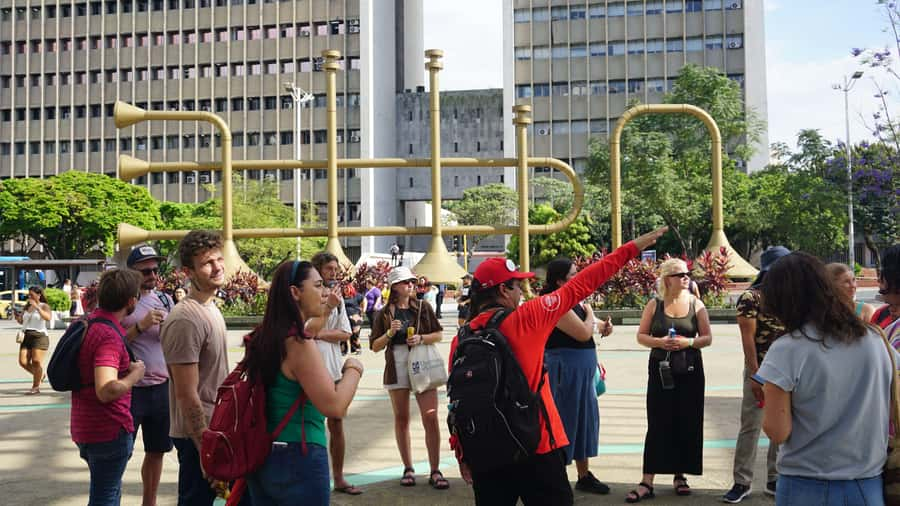
Plazoleta de la Caleñidad is one of the places where the tour begins to show Cali’s civic personality. Public squares matter because they turn local identity into something you can see and share, rather than leaving it inside a club or private collection.
Here, the guide sets the tone for the city’s mix of pride, music, and public expression. You may hear more about how salsa became linked with Cali’s sense of self and how the city’s people have used culture to keep their identity visible.
This is also where the shared format can work well. A guide like Cristian can explain the local meaning of a place while the group brings its own questions. The strongest part of the experience is not a single monument. It is the connection between ordinary streets, public gathering spots, and the larger story of Cali.
Calle del Pecado, flavor, and the path to nightlife
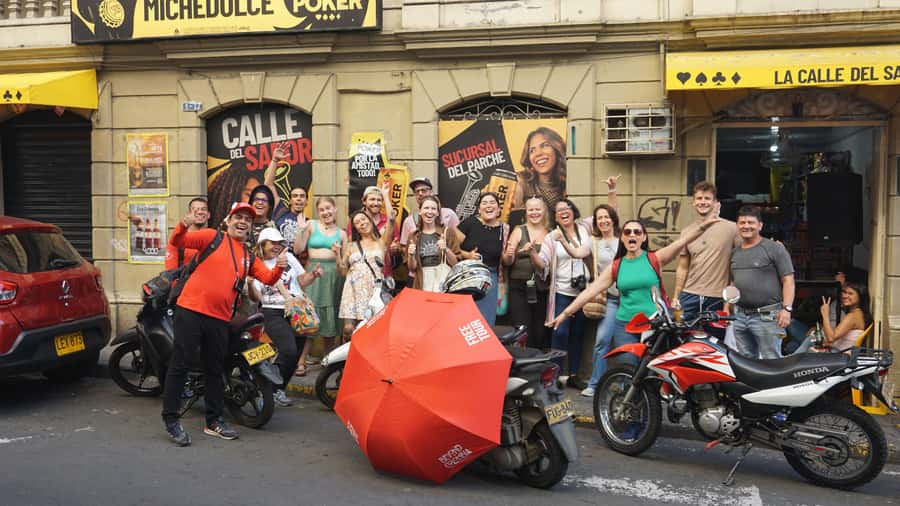
The walk continues to Calle del Pecado, also called the Street of Flavor. The name points toward Cali’s pleasure-loving side, especially its food, music, nightlife, and social life.
Do not expect the tour to include drinks or a club entry. That is important. You are learning where the city’s salsa culture comes from and receiving recommendations for salsa bars, but any food, drinks, dancing, or souvenirs cost extra.
That separation is useful. You can finish the walk with enough information to choose your own evening rather than being pushed into a paid add-on. One practical benefit is the nightlife advice. After hearing how salsa fits into Cali’s daily life, you will have a better sense of what kind of bar or evening might suit you.
If you want a tasting tour, this is not one. If you want a bridge from daytime sightseeing to a night of dancing, it can be a smart choice.
More Street Art Tours around Colombia:
- Medellín: Comuna 13 and Graffiti Guided Tour with a Local
★ 4.9 · 239 reviews - Historical Shared Tour Salsa, Graffiti & Resistance in Cali
★ 5.0 · 107 reviews - Medellín: Private Comuna 13 Street Art Tour
★ 4.8 · 88 reviews - Fun Graffiti Workshop: The Art of Aerosol and Color
★ 5.0 · 73 reviews
The River Boulevard curve and a city told in murals
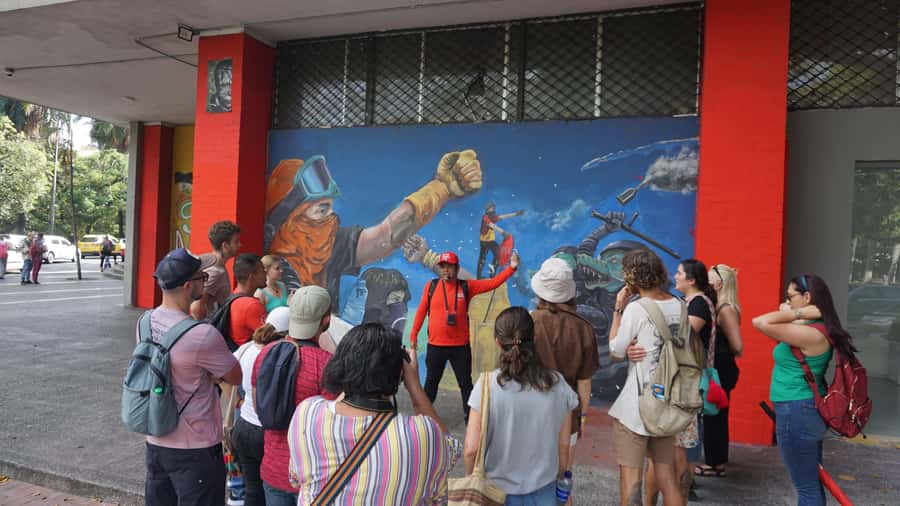
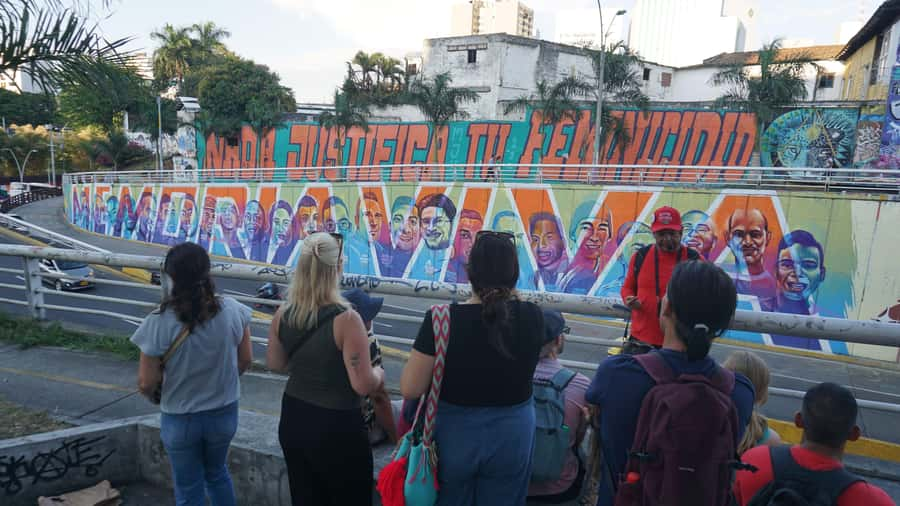
At the curve of the River Boulevard, the focus shifts toward the way Cali tells its stories in public. Murals are not simply decoration here. They can honor musical figures, record painful events, or carry messages tied to social causes.
The tour’s unusual strength is the way it places salsa tributes near more activist graffiti. That physical closeness helps explain the connection between music and resistance. One wall may celebrate a singer or dancer, while another points toward a social struggle. Together, they show how public art can hold joy, grief, pride, and anger in the same neighborhood.
This is a good point to bring a camera. The murals provide some of the most striking visual material on the route, but the guide’s explanation is what gives them weight. Without context, a painted portrait is just a painted portrait. With context, it becomes part of Cali’s conversation about memory and belonging.
The subject can be serious. The tour discusses protests, social outbreaks, solidarity struggles, and victims. It is not a glossy city walk that avoids difficult topics. Bring an open mind and expect the guide to treat art as a tool for remembrance and public action.
World Cup Tunnel, 5th Avenue, and the marks of resistance
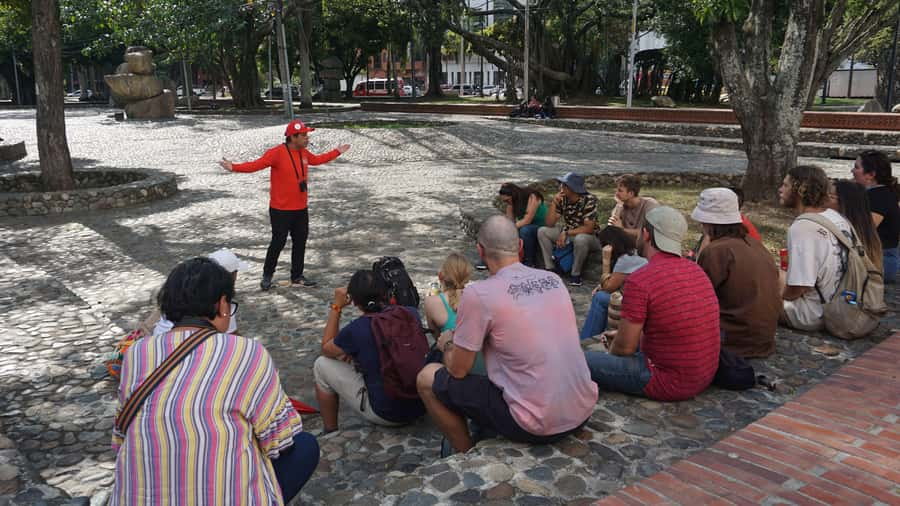
The World Cup Tunnel and 5th Avenue add another layer to the route. These are major urban reference points, so the walk gives you a sense of how music, streets, transport corridors, and public gatherings meet in central Cali.
The Graffiti Monument to Victims N21 is especially important. It links street art to those affected by social conflict and makes the tour’s title more than a marketing phrase. Salsa, graffiti, and resistance are treated as connected forms of public expression.
You should not expect a museum-style display with labels and controlled lighting. This is a street experience. The art is exposed to weather, traffic, crowds, and changing political moods. That makes the route feel immediate, but it also means conditions can affect what you see and how long the group can stop.
The walking distance is worth taking seriously. Eight kilometers in 150 minutes means a steady pace, even with rest stops. The route suits you if you enjoy walking and listening at the same time. It is a poor fit if you want frequent long breaks, have mobility limits, or prefer to cover the city by vehicle. The experience is not suitable for wheelchair users.
Salsa bars and what to do after the walk
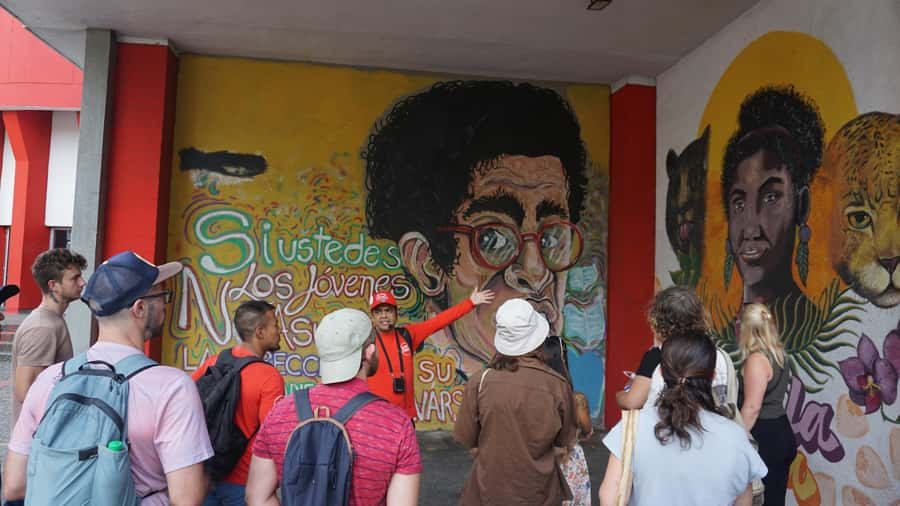
The tour includes recommendations for cult salsa bars. That is one of its most useful practical features because Cali’s nightlife can feel hard to judge from a hotel room or a quick internet search.
You do not get a guaranteed evening out or included admission. Instead, you leave with suggestions that can help you decide where to go next. A good plan is to finish the tour, eat or rest, then use the guide’s advice to choose your night.
The route itself does not provide a full dance lesson, but guides may encourage you to move along with the music. Several people specifically valued the interactive style and the invitation to dance. If you are shy, you can simply watch and listen. If you want to try a few steps, the atmosphere appears friendly rather than formal.
The guide can also recommend food. A meal is not included, but the advice may help you choose a restaurant after the walk. Keep your expectations clear: this is a cultural walking tour with nightlife guidance, not a combined restaurant and dance package.
Guide style and the value of the $13 price
Beyond Colombia leads the tour, with live guiding in Spanish or English. Cristian receives particularly warm praise for his enthusiasm, storytelling, and ability to keep the group engaged. His name also appears as Christian or Chris in some feedback, so the exact guide may vary by departure.
That matters because the subject depends on delivery. Salsa’s history includes several stages: African emancipation, the Caribbean Antilles, musical development in New York, and Cali’s major growth period from the 1960s through the 1980s. A flat list of dates would be dull. A guide who can connect those stages to streets, songs, murals, and local feeling makes the information easier to remember.
At $13, the tour offers strong value if you want context and a guided introduction to central Cali. The price includes the guide, the route, salsa history, street-art interpretation, and bar recommendations. You do not pay extra for surprise entrance fees, and the walk does not take you into places where sudden charges appear.
The tradeoff is that a low-cost shared tour cannot offer a private guide, custom timing, or included refreshments. You also pay in physical effort. For the price, I would see it as an affordable orientation to Cali’s music and social story, not a complete salsa night.
Who should book this walk?
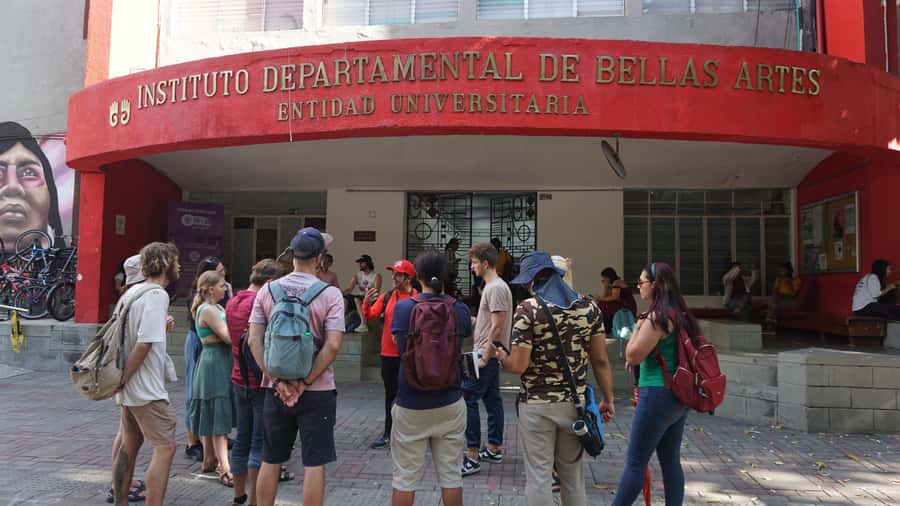
I would choose this tour if you want to understand why salsa matters in Cali, not just where to hear it. It suits first-time visitors who want a strong introduction to the city’s public art and social movements, and it works well for anyone planning to dance later.
It is also a good fit for photographers, music fans, and people who prefer a city walk with a clear theme. The murals, public squares, and street scenes give you plenty to look at, while the guide supplies the connections between them.
You may want to skip it if you dislike long walks, hot conditions, group tours, or discussions of protest and social conflict. It is also not the right choice if you expect a formal dance lesson, a meal, or included drinks.
Book with comfortable shoes, water, and a willingness to listen. Keep the rest of your day flexible enough to stop for food or rest before heading to a salsa bar.
Practical details before you reserve
The tour lasts about 150 minutes and begins at Plazoleta Jairo Varela, under the red umbrellas. Transportation to the meeting point, food, drinks, souvenirs, and transportation during the walk are not included.
You can reserve now and pay later, and cancellation is free up to 24 hours before the activity for a full refund. Availability and start times should be checked when you book.
Beyond Colombia also offers benefits and discounts with recommended partners when you show its Free Walking Tour Map through the Linktree page. The tour is shared, so an exclusive guide is not part of the deal.
Should you book Cali’s Salsa, Graffiti and Resistance Experience?
Book it if you want the city’s salsa story placed beside its murals, protests, and popular culture. The best feature is the connection between music and public life. You leave with more than a list of bars: you gain a clearer sense of why salsa has such force in Cali.
Skip it if 8 kilometers sounds too long or if you want dancing rather than discussion. For most active visitors who want an affordable, thoughtful introduction to Cali, the $13 price is easy to justify. Bring water, protect your belongings, and let the guide’s stories shape the rest of your time in the city.
FAQ
Where does the tour meet?
Meet at Plazoleta Jairo Varela. Look for the red umbrellas.
How long does the experience last?
The tour lasts approximately 150 minutes, or about two and a half hours.
How much does the tour cost?
The listed price is $13 per person.
What languages are available?
A live guide is available in Spanish or English. An optional audio guide is available in Spanish.
How far will I walk?
You should expect to walk about 8 kilometers, with stops to rest and hear the guide.
Are food and drinks included?
No. Food, drinks, and souvenirs are not included.
Is transportation included?
No. You must arrange transportation to and from your hotel. The tour itself is on foot.
Is the tour suitable for wheelchair users?
No. The experience is not suitable for wheelchair users.
Freshly painted around Colombia
- Comuna 13 Neighborhood & Street Art Private Tour★ 4.7 · 12 reviews
- Medellin: Graffiti Tour Comuna 13★ 4.1 · 14 reviews
- Medellín Comuna 13 local guides snacks and your own graffiti★ 4.9 · 13 reviews
- Comuna 13: Recorrido de Arte Urbano, Cultura y Resiliencia★ 5.0 · 3 reviews
- Fun Graffiti Workshop: The Art of Aerosol and Color★ 5.0 · 3 reviews
- Graffiti Tour: a fascinating walk through a street art City★ 5.0 · 5 reviews
- Comuna 13: Graffiti Tour with Tasting, Live Show, & Gallery★ 5.0 · 4 reviews
- Complete Tour in Comuna 13: Graffiti, History and Street Delights★ 5.0 · 11 reviews
Colombia Street Art Tours, compared.
Medellin: Comuna 13 Graffiti Tour, Cable Car & Street Food
Read our review →
Medellín: Comuna 13 Tour with Snacks And Your Own Graffiti
Read our review →
Bogotá: La Candelaria Graffiti & Urban Art Guided Tour
Read our review →
Medellín: Comuna 13 and Graffiti Guided Tour with a Local
Read our review →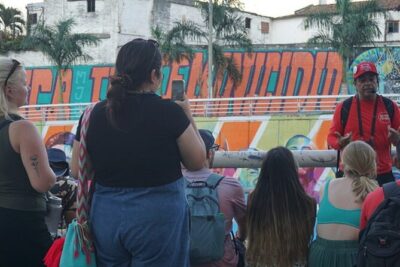
Historical Shared Tour Salsa, Graffiti & Resistance in Cali
Read our review →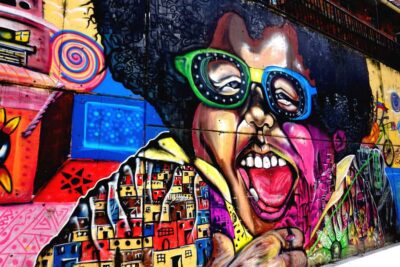
Fun Graffiti Workshop: The Art of Aerosol and Color
Read our review →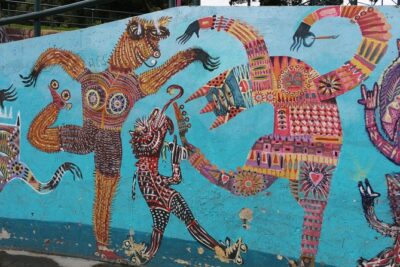
Graffiti Tour in La Candelaria Bogotá with Transportation
Read our review →Browse the lists this tour appears in