
Review · CENTRAL KENYA, KENYA
Nairobi Street Art and Graffiti Tour
Nairobi’s walls tell stories that a standard city tour can miss. This three-hour walk connects graffiti and murals with politics, identity, hardship, and hope, then widens into Nairobi’s music, slang, and matatu culture.
I like the chance to ride a painted nganya into Eastlands with a guide such as Kevin, and I like the private format, which gives you more room to ask questions. The local perspective can turn a wall, a loud matatu, or a patch of downtown into a doorway to modern Kenyan life.
The main caution is simple: this may not be a pure street-art tour. You could see only a few major pieces, and meeting artists is not guaranteed. Think of it as an urban culture walk with art at its center, not a gallery visit on foot.
Key points to know before booking
- The art carries social messages: Expect discussion of politics, culture, empowerment, identity, and community.
- A nganya ride may be part of the day: These decorated matatus bring art, loud music, and local slang into the experience.
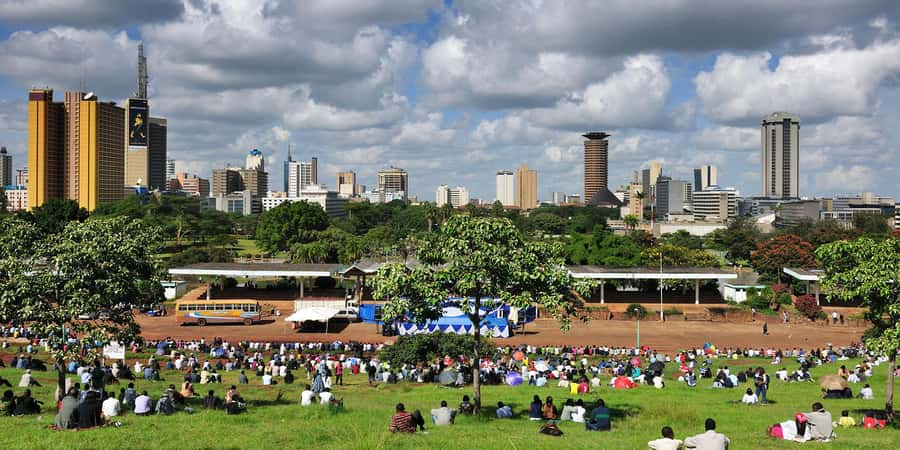
- The route can reach Eastlands: You may go beyond the familiar central streets into a densely populated part of Nairobi.
- The walk can be active: One outing involved about 9,000 steps, so comfortable shoes matter.
- The focus can vary: Some departures may feel more like city exploration than a close study of murals.
- The group is private: Hotel pickup is included within Nairobi CBD, and the guide can adjust the conversation to your interests.
Nairobi’s walls are the opening chapter
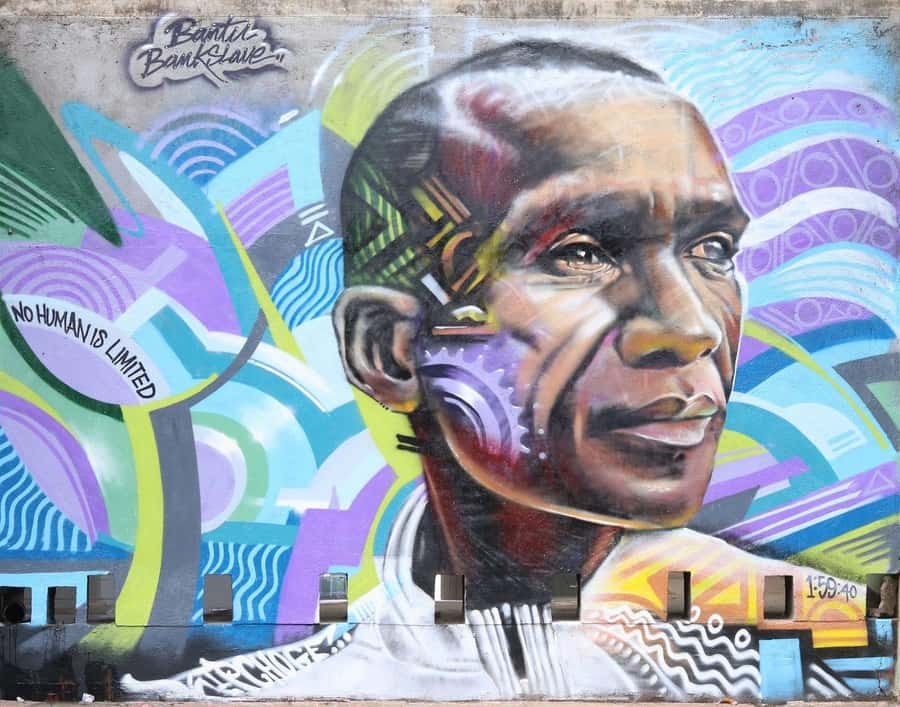
The tour begins with Nairobi as a living art book. Instead of looking only at monuments or formal galleries, you follow painted walls, alleys, and street scenes where artists put ideas in public view.
Your guide explains who made the work, what it means, and how it connects to life in Kenya. The subjects can include political events, local identity, social pressure, empowerment, and hope. That context matters. A quick photograph may show color and style, but the story behind a mural tells you why it was painted and who it speaks to.
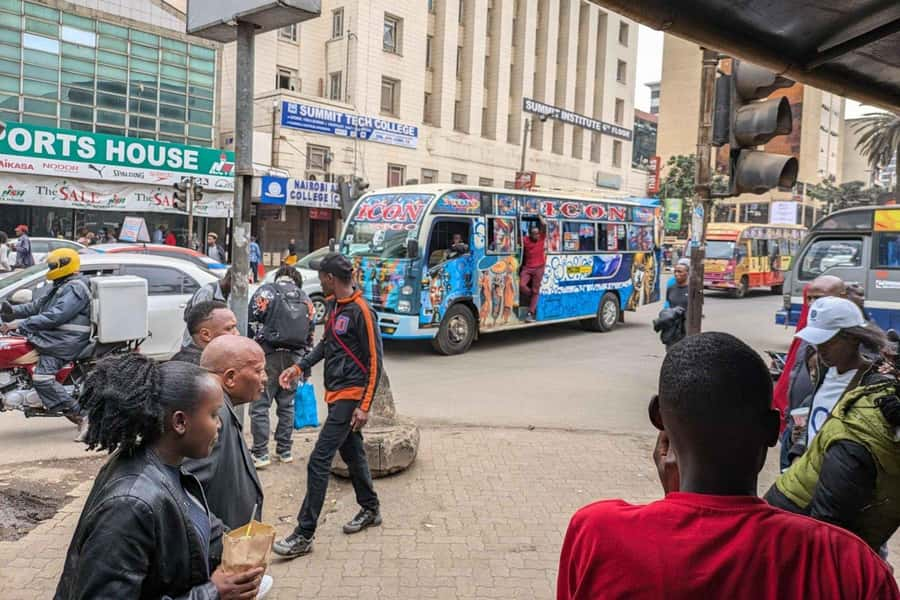
The route may include Nairobi West and downtown alleys. These areas offer different views of the city. Nairobi West gives you a taste of active local streets, while downtown can lead you into less obvious corners where art appears beside ordinary businesses, transport routes, and daily routines.
Do not expect every wall to be a polished mural. Street art changes. Paint fades, buildings are altered, and some works may be small or easy to miss. That uncertainty is part of the point, though it also explains why the actual art count may feel lighter than the tour title suggests.
More Graffiti Tours in the world:
- Medellin: Comuna 13 Graffiti Tour, Cable Car & Street Food
★ 4.8 · 9,046 reviews - Wynwood Graffiti Golf Cart Small-Group Tour
★ 5.0 · 1,646 reviews - London: Street Art and Graffiti Guided Walking Tour
★ 4.9 · 1,354 reviews
From a mural to a conversation about Kenya
The strongest part of this experience is the link between image and context. You are not simply stopping at a painted wall, taking a picture, and moving on.
A guide such as Kevin can connect public art with historical events and present realities. One especially useful theme is how people respond to hardship by forming communities and creating shared spaces. That makes the tour more than a photo walk. It becomes a way to understand how Nairobi residents use art to speak when formal platforms may feel distant or limited.
You will also hear about urban culture through music and Sheng, Nairobi’s distinctive slang. These details help you read the city beyond its buildings. The words people use, the sounds coming from a matatu, and the subjects chosen by artists all reveal parts of daily life that a conventional sightseeing route can leave out.
I would ask questions as you go. Ask who the artwork is for, what local people think of it, and how long the pieces usually remain. The tour is private, so you have a better chance to shape the discussion instead of listening to a fixed speech.
The nganya ride adds noise, color, and movement
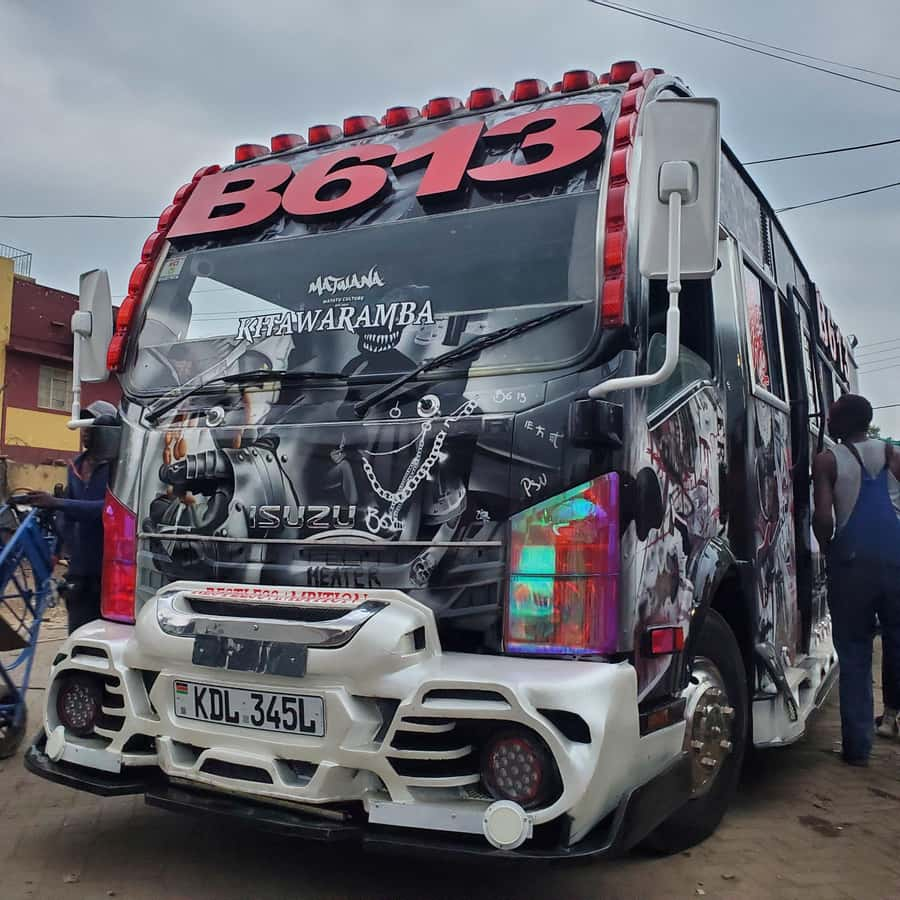
The matatu portion may be the most memorable part for many people. In Nairobi, a nganya is slang for a matatu, and these vehicles are often decorated with bold graphics, loud music, and expressive designs.
One route included a ride into Eastlands, a densely populated area east of central Nairobi. The ride gives you a more direct look at local transport culture than simply photographing a vehicle from the pavement. You hear the music, see the artwork up close, and experience the way a matatu forms part of the city’s visual identity.
This is also where a local guide adds real value. Riding public transport in an unfamiliar city can feel uncertain, especially if you do not know the routes or customs. With Kevin’s guidance, the ride can feel like a practical introduction rather than a nervous experiment.
Still, the matatu section changes the balance of the tour. If you book mainly to see a large number of murals, you may feel shortchanged. If you want street culture, local transport, music, slang, and a look at neighborhoods beyond the center, the ride makes the tour broader and more useful.
What the three-hour route may feel like
The exact order can vary, but you should expect a mix of walking, storytelling, photography, and possibly local transport.
The opening may involve meeting your guide at your CBD hotel or at a designated point. Pickup is included for hotels within Nairobi’s Central Business District, with the guide expected to arrive about 15 to 30 minutes before the start. If you stay outside the CBD, you receive a meeting point and a Google Maps pin in advance.
Once underway, the guide introduces the local art scene and points out selected pieces. Some stops may lead to longer explanations about politics or culture. Others may be quick photo opportunities. That uneven rhythm is normal for street art, where the route depends on what remains visible and what is accessible that day.
The tour can then move through areas such as Nairobi West and downtown, with side streets and alleys providing a look at less formal parts of the city. If the route includes Eastlands, the matatu ride adds transport time but also gives the outing a stronger local flavor.
Three hours is enough for a focused introduction, not enough for every major art district. You should leave with a better sense of how Nairobi’s public art works, not a complete catalogue of the city’s walls.
More Street Art Tours around the world:
- CDMX: Xochimilco, Coyoacan, Frida Kahlo Museum & Murals Tour
★ 4.4 · 3,025 reviews - Amsterdam: Streetart Museum STRAAT Entrance Ticket
★ 4.8 · 2,137 reviews - Belfast: Murals Taxi Tour
★ 4.9 · 2,047 reviews - Lisbon: Street Art Tour
★ 4.9 · 1,324 reviews
Expect plenty of walking and bring a camera
This is an active outing. One person recorded roughly 9,000 steps, which is a useful warning for anyone expecting a short stroll between a few murals.
Wear shoes you can walk in for several hours. Bring water, though a bottle is included, and keep your phone ready for photographs. The tour includes photography opportunities and storytelling sessions, but it does not include meals or snacks, so eat beforehand if you tend to need regular breaks.
Your camera will have plenty to do. Matatu designs, painted walls, street scenes, and small details can all make good subjects. Ask before photographing people directly, and follow your guide’s advice in crowded or sensitive areas.
The city itself provides the changing backdrop. You might move from a painted wall to a busy transport area, then into a quieter lane or a social space linked to local artists. The appeal comes from those transitions rather than from one grand landmark.
The guide makes the difference
The tour is led by a local artist, activist, or urban culture expert. Kevin is specifically associated with this experience, and his approach includes history, current social issues, slang, music, and matatu culture.
That range is important because the tour’s value depends heavily on explanation. Without a good guide, a wall is simply a wall. With the right context, a political image or community mural can show how people debate, remember, and express themselves in public.
The private group format helps here. You can ask for more detail about a particular piece, spend longer with a subject that interests you, or shift the focus toward photography, politics, music, or transport. A larger group might move faster and allow less personal discussion.
The description allows for meeting local creatives, but you should treat that as a possibility rather than a promise. A confirmed artist visit is not specified, and one outing did not include a meeting with artists. The storytelling comes primarily from the guide.
Where the tour may fall short
The main drawback is a mismatch between the title and the wider experience. You may picture three hours packed with murals and graffiti. In practice, the tour can include only a few street-art pieces, with one or two receiving detailed discussion.
That does not make it a poor outing. It means you need to book it for the full package. You are paying for access to a local guide, a private route, cultural explanation, photography time, and possibly a nganya ride. You are not paying for guaranteed entry to a set number of galleries or a fixed mural checklist.
The start may also feel a little untidy while pickup and meeting details are sorted out. Keep your phone reachable by WhatsApp or SMS on the day. Clear communication helps the guide find you, especially if you are meeting outside the CBD.
The route may take you into areas that feel less familiar than central Nairobi. That is part of the appeal, but it also makes a guide useful. Stay with the group, follow local advice, and ask before wandering off for a photograph.
Is $95 a fair price?
At $95 per person, this is not a cheap walk. The value depends on what you want from Nairobi.
For a private three-hour experience with a local guide, bottled water, possible entry fees, CBD hotel pickup and drop-off, and the chance to use public transport with local support, the price can make sense. It is especially useful if this is your first visit and you want an introduction that goes beyond headline sights.
The price is harder to justify if your only goal is to see a large number of graffiti pieces. A less expensive self-guided walk might show you some walls, though it would not provide the same explanation or help with the matatu ride.
I see the tour as a cultural orientation with street art as its organizing theme. You are paying for interpretation and access to local context, not just walking mileage. The private format is a real advantage for couples, families, photographers, or small groups who want to ask questions at their own pace.
Who will enjoy this most?
I would recommend it to you if you enjoy cities through their everyday culture. It suits people who want to understand how music, language, public transport, politics, and art fit together.
It is also a good choice for photographers. You will have time for images of murals, painted vehicles, street details, and daily scenes. Just remember that the experience is not designed as a silent photo workshop. The storytelling is a major part of the outing.
It can work well for first-time visitors who want a guided introduction to parts of Nairobi they might not feel ready to explore alone. The guide gives structure to a route that could otherwise be difficult to plan.
I would choose another activity if you want formal galleries, a guaranteed meeting with artists, or a tightly controlled list of major murals. This tour is more flexible, more social, and less predictable.
Booking details worth knowing
The tour lasts three hours and operates as a private group. Starting times vary, so check availability when you book.
Pickup and drop-off cover hotels within Nairobi CBD. If you stay outside that area, you can meet at the supplied starting point instead. Keep your phone available on the day so the guide can coordinate by WhatsApp or SMS.
A bottle of water is included. Food, snacks, souvenirs, personal purchases, insurance, and transport outside the designated pickup area are not included. Cancel at least 24 hours before the start for a full refund, and reserve now with payment later if you want to keep plans flexible.
Should you book the Nairobi Street Art and Graffiti Tour?
Book it if you want Nairobi explained through its walls, slang, music, and matatus. The most memorable element may be the nganya ride into Eastlands, not a long list of murals. Kevin’s local perspective can help you understand how creativity and community respond to pressure.
Skip it if your priority is a concentrated art tour with many major works and guaranteed artist meetings. For the right person, $95 buys a personal introduction to urban Nairobi. Just set your expectations correctly: this is a street-culture experience with art at its heart.
FAQ
Where does the Nairobi Street Art and Graffiti Tour take place?
The tour takes place in Nairobi, in Central Kenya. Routes may include Nairobi West, downtown alleys, and Eastlands.
How long does the tour last?
The activity lasts three hours.
How much does the tour cost?
The price is $95 per person.
Is the tour private?
Yes. The activity is offered as a private group experience.
Who leads the tour?
A local artist, activist, or urban culture expert leads the tour. Kevin is one named guide associated with the experience.
Is hotel pickup included?
Pickup and drop-off are included for hotels within Nairobi’s Central Business District. If you stay outside the CBD, you can meet at a supplied starting point.
Could the tour include a matatu ride?
Yes. The experience may include a ride in a nganya, the local slang term for a matatu. One route included travel into Eastlands.
What is included in the price?
The price includes a guided walking tour, bottled water, photography opportunities, storytelling sessions, applicable entry fees, and CBD hotel pickup and drop-off.
Are meals included?
No. Meals and snacks are not included.
Can I cancel the booking?
Yes. You can cancel up to 24 hours in advance for a full refund. You can also reserve now and pay later.
Freshly painted around the world
- Xochimilco floating gardens, Coyoacan and UNAM murals★ 4.0 · 6 reviews
- Your Own Belgrade: Street Art and Hidden Gems Walking Tour★ 5.0 · 2 reviews
- Wynwood Walls Street Art & Neighborhood Walking Tour★ 4.9 · 9 reviews
- Vancouver: Street Art & Craft Beer Walking Tour with Tasting★ 4.8 · 14 reviews
- Zagreb Street Art Private Walking Tour with a Local Artist★ 5.0 · 12 reviews
- Urban Canvas: Osaka Street Art Bike Tour★ 5.0 · 10 reviews
- Vancouver: Street Art & Craft Coffee Walking Tour w/ Tasting★ 4.8 · 11 reviews
- UNAM: Murals & Revolution★ 4.9 · 8 reviews
Graffiti Tours, compared.
Medellin: Comuna 13 Graffiti Tour, Cable Car & Street Food
Read our review →
London: Street Art and Graffiti Guided Walking Tour
Read our review →
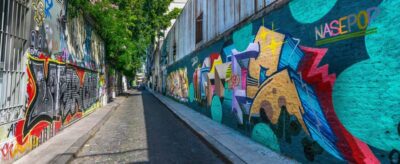
Palermo: Graffiti and Street Art Guided Tour in English
Read our review →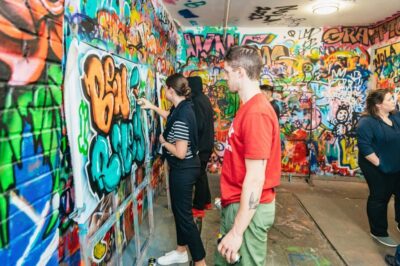
NYC: Brooklyn Graffiti Workshop with Local Artist
Read our review →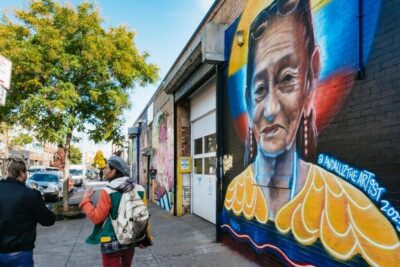
NYC: Brooklyn Graffiti & Street Art Walking Tour in Bushwick
Read our review →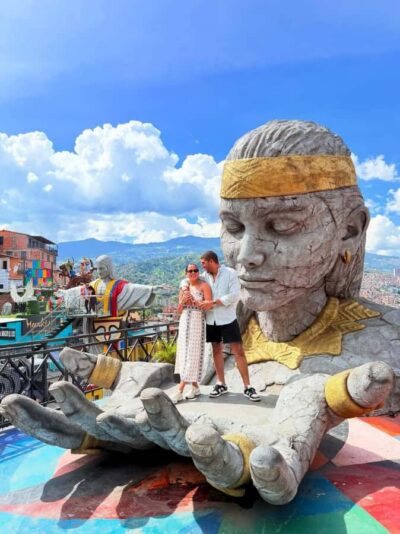
Medellín: Comuna 13 Tour with Snacks And Your Own Graffiti
Read our review →Browse the lists this tour appears in