
Review · BOGOTA
Graffiti Tour in La Candelaria Bogotá with Transportation
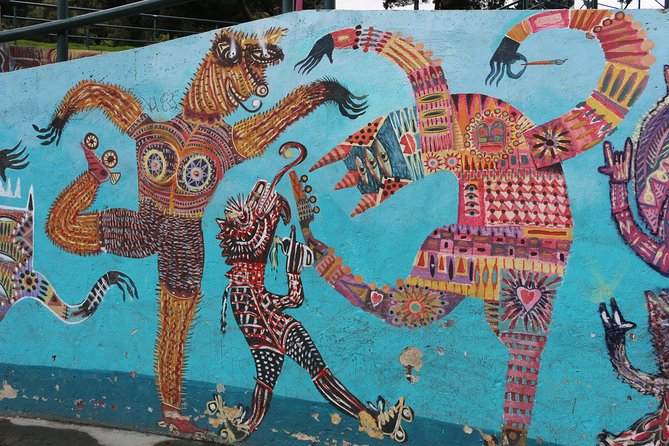
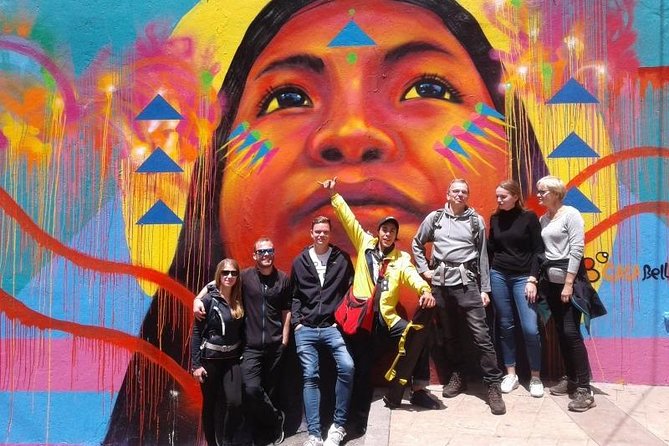
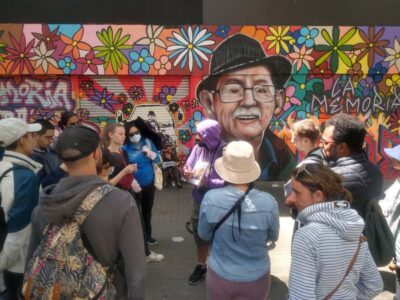
Bogotá’s street art is not just decoration. It is a public record of protest, ancestry, identity, and neighborhood life. This private tour leads you through La Candelaria’s painted walls, narrow lanes, markets, and squares while explaining the ideas behind the images. I especially like the focus on socio-political meaning and the chance to see works by artists such as Bastardilla, Ledania, Wosnan, and Ocio4. I also like that hotel pickup, private transport, and a coca-leaf tea tasting are included.
The main thing to consider is timing. The tour is sold as three hours, but one booking reported that the walk lasted closer to two hours. You will also be outside in Bogotá’s changeable weather, since the tour runs rain or shine. Still, a private group and English or Spanish guide make it easier to ask questions and set a comfortable pace.
Key points at a glance
- Street art with a local story: Learn how murals connect to Indigenous ancestry, politics, city history, and daily life.
- A focused La Candelaria route: Walk from Chorro de Quevedo through La Concordia, Bolívar Square, and Journalists Park.
- Important women artists: See work by Bastardilla, Vera, Ledania, and Erre, with attention to women’s role in Bogotá’s street-art scene.
- Private transport included: Hotel pickup and drop-off help with Bogotá’s traffic and make this easier to fit into a short stay.
- Guides who explain the art well: Past guides have included Lenora, Luis, Gerald, Lorena, Natalie, and Christian.
- Good booking flexibility: You can cancel up to 24 hours ahead for a full refund and reserve without paying immediately.
Why La Candelaria works so well for a graffiti tour
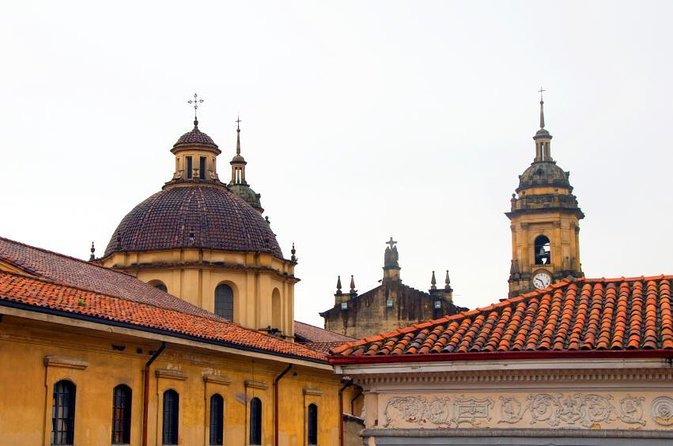
La Candelaria gives you more than a collection of painted walls. It brings together colonial streets, public squares, markets, cafés, schools, and political meeting places. The art makes more sense when you see it in that setting.
The tour begins with the idea that graffiti belongs to the city’s history. Your guide explains how artists use walls to talk about power, memory, Indigenous roots, social conflict, and the right to be heard. That context is the real value here. Without it, a mural can look like a striking picture. With it, you can begin to read the symbols and understand why the work appears in a particular place.
I like that the route includes both well-known areas and less obvious side streets. You are not simply taken to one famous wall for a quick photograph. The walk moves through places where local life and public art overlap.
The tour is private, so you can ask what a figure, color, or repeated symbol means without worrying about holding up a large group. If you are traveling with family or friends, that can make the discussion more natural. The private format also gives you a better chance to ask about individual artists and their working methods.
More Graffiti Tours in Colombia:
- Medellin: Comuna 13 Graffiti Tour, Cable Car & Street Food
★ 4.8 · 9,046 reviews - Medellín: Comuna 13 Tour with Snacks And Your Own Graffiti
★ 4.9 · 311 reviews - Bogotá: La Candelaria Graffiti & Urban Art Guided Tour
★ 4.7 · 250 reviews
Chorro de Quevedo and the first painted walls
Chorro de Quevedo Square is the opening point for the walking portion. It is a useful place to begin because the tour links the square’s city history with Bogotá’s current art scene.
Here, you see work connected to artists including Ledania, 3 Manos, Wosnan, and Ocio4. Your guide sets up the wider story of graffiti in Bogotá before taking you into the surrounding streets. This first section helps you understand that the city’s street art is not one single style or movement.
The square can be lively, and the surrounding lanes are compact. Keep your attention on uneven pavement, passing pedestrians, and the walls around you. The guide’s explanation matters here because the art is spread across the neighborhood rather than displayed in a formal gallery.
I would pay close attention to the differences between the artists. Ledania’s work, for example, is discussed alongside pieces by artists with very different visual approaches. Seeing several names early in the route gives you a useful framework for recognizing styles later.
A narrow street telling Indigenous stories
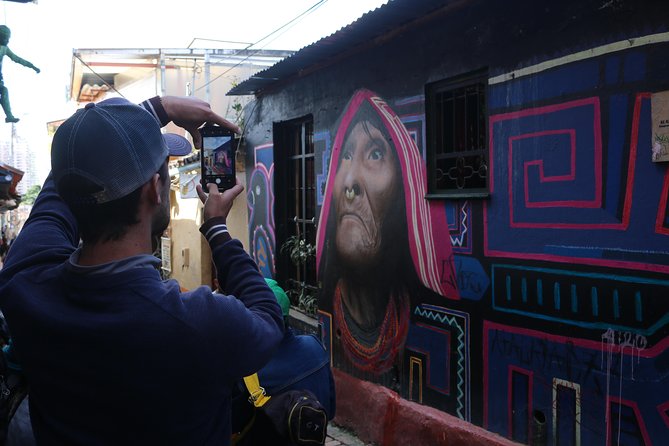
The next part takes you to a narrow street filled with graffiti about the Indigenous ancestry of Bogotá. This is one of the most meaningful stops because the work connects the modern city to a past that is often left out of a quick sightseeing route.
The guide explains how the artists use images to retell the city’s origins and bring Indigenous identity into public view. You will also see work by Carlos Trilleras, along with murals by Wosnan and Ocio4.
This stop is a good example of why you should not judge the tour only by the number of murals. A packed wall is visually impressive, but the explanation of whose history is being represented gives it weight. I like the fact that the route treats street art as a conversation about memory, rather than as a backdrop for photographs.
The lane is narrow, so the group may need to pause in a few places to let people pass. That is a small practical point, but it is part of the neighborhood experience. You are seeing the art where it functions as public communication, not inside a quiet exhibition hall.
La Concordia, its market, and the city’s meeting point
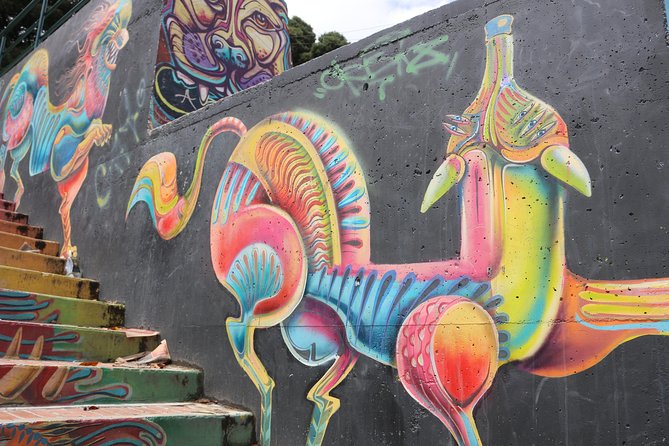
The tour continues to Parque de La Concordia and La Concordia marketplace. This area is described as a place where tensions, ideas, and influences meet. It has helped shape the identity of downtown Bogotá, and the guide uses the setting to explain how public space affects the art around it.
The market adds a useful change of pace. Instead of looking only at walls, you see a place tied to everyday commerce and local interaction. The tour presents La Concordia as a meeting point and a melting pot of ideas, which helps explain why this part of the city has become such a strong setting for street art.
I would expect this section to feel less polished than a formal tourist zone. That is part of its appeal, but it also means the experience is urban and active. Stay aware of your belongings, listen for traffic, and keep the group together.
This is also a sensible point to ask your guide how artists choose locations. The supplied information does not promise a workshop or a chance to meet artists, but the route does give you a chance to discuss how murals relate to a neighborhood’s identity and tensions.
More Street Art Tours around Colombia:
- Medellín: Comuna 13 and Graffiti Guided Tour with a Local
★ 4.9 · 239 reviews - Historical Shared Tour Salsa, Graffiti & Resistance in Cali
★ 5.0 · 107 reviews - Medellín: Private Comuna 13 Street Art Tour
★ 4.8 · 88 reviews - Fun Graffiti Workshop: The Art of Aerosol and Color
★ 5.0 · 73 reviews
Women artists and the walk toward Bolívar Square
As you continue through La Candelaria, the tour highlights work by women artists. You see pieces by Bastardilla, Vera, Ledania, and Erre, and learn about women’s role in spreading street art through the city.
This focus is one of the strongest parts of the route. Street-art tours can easily center on a short list of famous male artists, so it is useful to have a section that makes women’s creative work part of the main story. The guide does not treat these murals as a side note. Instead, they become a key part of how the neighborhood is read.
The walk also includes Bolívar Square. The stop is brief in the stated itinerary, but it places the graffiti route beside one of Bogotá’s major civic spaces. That contrast is important. You move from intimate lanes and painted walls to a large public square tied to the city’s official image.
This is where the tour’s two themes meet: the formal history of Bogotá and the unofficial history written by its artists. I like that the route does not force you to choose between the two. It shows how both versions of the city occupy the same center.
Journalists Park and the final works at Café Herencia
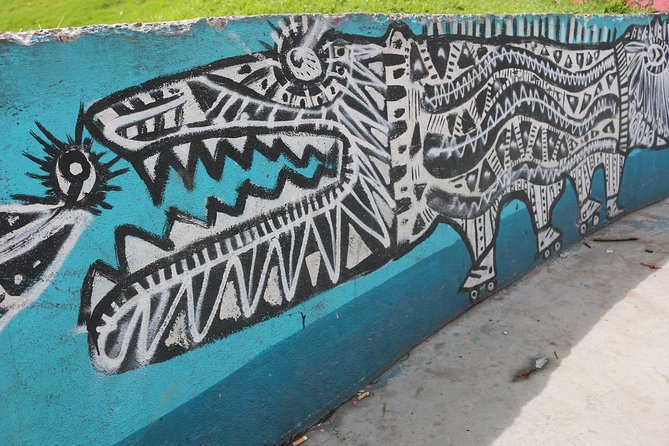
The route follows the promenade to Journalists Park, where journalists, poets, and writers gathered during the 1960s. That detail gives the stop a strong connection to writing, debate, and public ideas, which fits naturally with a tour about artists using walls to communicate.
The final stop is Café Herencia, where you can see more work by Carlos Trilleras. Ending indoors or near a café gives the walk a gentler finish after the tighter streets and crowded public areas earlier in the route.
Do not expect a long café meal to be included. Lunch is specifically not part of the tour, and extra purchases are your responsibility. Café Herencia is included as a place to view more art, not as a meal stop.
The coca-leaf tea tasting is included. It adds a small cultural element to the day, though it should not be confused with lunch or a full food experience. If you want to eat afterward, ask your guide for suggestions. Gerald, one of the guides named in past bookings, was reported to have sent restaurant recommendations after the tour, but guide services can vary from one departure to another.
What the guide adds to the experience
The guide makes or breaks a graffiti walk. The strongest part of this tour is the amount of explanation built around the images.
Past departures have been led by Lenora, Luis, Gerald, Lorena, Natalie, and Christian. The named guides have been praised for explaining symbolism, artist influences, the history of graffiti, and the meaning of individual paintings. One guide, Luis, was especially appreciated for connecting graffiti to broader lessons about Bogotá. Christian was noted for explaining both the history and meaning behind the works.
That does not mean you should expect the same guide on every booking. The practical point is that the experience depends heavily on who leads your departure. English and Spanish are offered, so select the language that lets you ask detailed questions.
Gerald also took photos for one couple and later sent them along with restaurant suggestions. That is a thoughtful extra, but it is not listed as a guaranteed feature. Treat it as a pleasant possibility rather than something to book the tour for.
Three hours, private transport, and the real value of $48
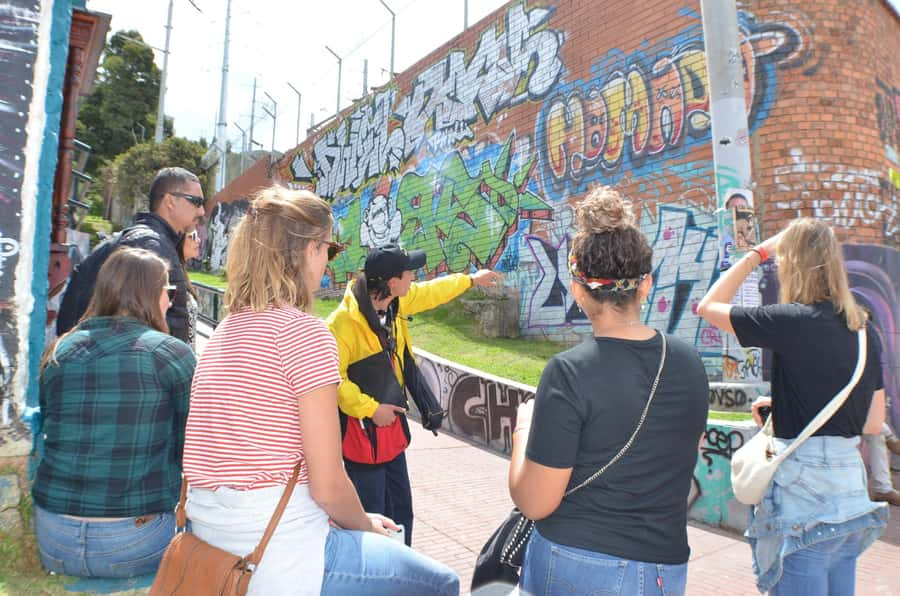
At $48 per person, this is not the cheapest way to see public art in Bogotá. You could walk through La Candelaria on your own for little money. The question is whether the guide, transport, and structure justify the added cost.
For many visitors, they do. Hotel pickup and drop-off remove the need to work out local transport before and after the walk. Private transportation is especially useful in Bogotá, where traffic can make a short distance take longer than expected. The private group format also gives you more space for questions than a large shared tour.
The price includes the guide, transportation, insurance, coca-leaf tea tasting, and hotel pickup and drop-off. Lunch and other purchases are not included. If you value interpretation and convenience, the package is reasonably strong. If you mainly want photographs of murals and already know La Candelaria well, the price may feel high.
Allow the full three hours in your schedule, even though one booking reported a tour closer to two hours. That difference could matter if you are planning a museum visit, lunch, or another timed activity afterward.
Weather, walking, and practical comfort
The tour takes place rain or shine. Bogotá’s weather can shift, so bring a light rain layer and shoes suitable for walking on city streets. The supplied details do not give a precise distance, but the route includes roughly two hours of walking within La Candelaria, with several stops and transitions through public areas.
There is no lunch included. Eat beforehand if you prefer to keep moving, or plan a meal after the tour. The coca-leaf tea tasting is a sample, not a substitute for food.
You will be looking up at walls, stopping in narrow streets, and moving through public spaces. Keep your phone and valuables secure, and bring enough battery for photographs. The tour takes place outdoors for much of its walking section, so sun protection can be useful even when the day begins cool.
The insurance inclusion is reassuring, but it does not remove the need for ordinary city awareness. Watch your footing and stay close to the guide when crossing or moving through busy areas.
Who should book this Bogotá street-art walk
I would choose this tour if you want the meaning behind the murals, not just a list of photo stops. It suits first-time visitors who want a guided introduction to La Candelaria, couples or families who prefer a private group, and anyone interested in politics, Indigenous identity, women artists, or the way public art shapes a city.
It is also a good fit if you are staying outside central Bogotá and want hotel transport included. The guide can give you a quick introduction to the city before you explore more on your own.
I would think twice if you dislike walking in changing weather, want a food-focused tour, or need a tightly timed three-hour experience. The route is about art and urban history. Lunch, shopping, and long time inside museums are not part of the plan.
Should you book it?
Book it if you want a clear introduction to Bogotá’s graffiti scene with a guide who can explain the symbols, politics, and artists behind the walls. The strongest features are the private format, hotel transport, attention to women artists, and the route’s connection between Indigenous ancestry, public space, and city history.
Skip it if you only want a quick mural photo tour or if $48 feels steep for a mostly walking experience. For everyone else, this is a useful and thoughtful way to meet La Candelaria, especially early in a Bogotá stay. The 4.9 rating from 24 bookings supports the overall quality, while the shorter-than-advertised experience reported by one person is a reminder to keep your schedule flexible.
FAQ
How long does the graffiti tour last?
The advertised duration is three hours, including transportation and the walking tour. One booking reported that the walking experience lasted about two hours, so keep some flexibility in your schedule.
Where does the tour begin?
Hotel pickup in Bogotá is included. The walking route begins around La Candelaria, with Chorro de Quevedo Square as an early stop.
Is transportation included?
Yes. The tour includes private transportation, hotel pickup, and hotel drop-off.
Which languages are available?
The tour is available with a live guide in English or Spanish.
Is lunch included?
No. Lunch is not included, and extra purchases are your responsibility. A coca-leaf tea tasting is included.
Can I cancel the booking?
Yes. You can cancel up to 24 hours in advance for a full refund. You can also reserve now and pay later.
Freshly painted around Colombia
- Comuna 13 Neighborhood & Street Art Private Tour★ 4.7 · 12 reviews
- Medellin: Graffiti Tour Comuna 13★ 4.1 · 14 reviews
- Medellín Comuna 13 local guides snacks and your own graffiti★ 4.9 · 13 reviews
- Comuna 13: Recorrido de Arte Urbano, Cultura y Resiliencia★ 5.0 · 3 reviews
- Fun Graffiti Workshop: The Art of Aerosol and Color★ 5.0 · 3 reviews
- Graffiti Tour: a fascinating walk through a street art City★ 5.0 · 5 reviews
- Comuna 13: Graffiti Tour with Tasting, Live Show, & Gallery★ 5.0 · 4 reviews
- Complete Tour in Comuna 13: Graffiti, History and Street Delights★ 5.0 · 11 reviews
Bogota Street Art Tours, compared.
Bogotá: La Candelaria Graffiti & Urban Art Guided Tour
Read our review →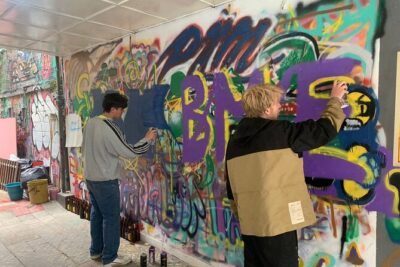
Fun Graffiti Workshop: The Art of Aerosol and Color
Read our review →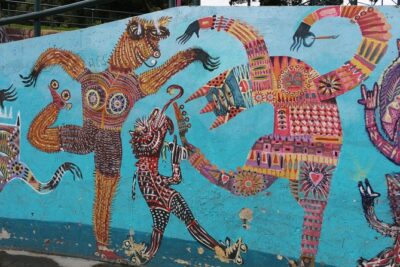
Graffiti Tour in La Candelaria Bogotá with Transportation
Read our review →
Bogotá: Graffiti Tour el mejor recorrido de arte urbano
Read our review →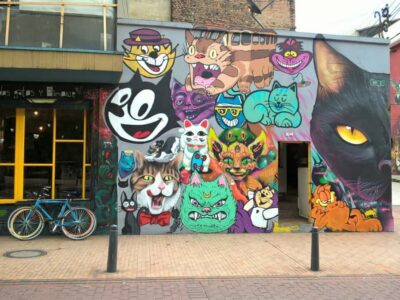
Graffiti Tour: a fascinating walk through a street art City
Read our review →Browse the lists this tour appears in