
Review · SAL, CAPE VERDE
Sal island: Santa Maria city tour, street art and tapas
Santa Maria’s Pontão is the heart of this tour. Fish boats come in, fresh catch changes hands, and locals may leap from the pier into clear water beside the beach. Add colorful street art, historic corners, Cape Verdean snacks, and a guide who can point out the town’s better bars and restaurants, and you get a useful first look at Sal’s most tourist-focused town.
I like the way the tour connects ordinary life with sightseeing, especially the fish sales and street art. I also like the tasting stop, since a small plate of local flavors tells you more about Cape Verde than another quick photo stop. The main drawback is value: at $147 per group of up to two, this is not a cheap two-hour outing, particularly if you are comparing it with full-day island trips.
Key points at a glance
- Pontão and fresh fish: See Santa Maria’s old salt-export pier in use as a landing place for artisanal boats.
- Street art with context: Walk through colorful streets while your guide explains local life, culture, and daily routines.
- Cape Verdean tasting: Stop at a local restaurant for typical snacks and drinks rather than only looking at food in a market.
- Souvenir guidance: Learn how to tell genuine Cape Verdean arts and crafts from less meaningful purchases.
- Easy hotel pickup: Transport is provided from Santa Maria, Murdeira, or Espargos.
- Short but active outing: Plan on about two hours, including 30 to 50 minutes on foot.
Starting with Santa Maria’s working pier
Hotel pickup keeps the beginning simple. The service collects you from hotels in Santa Maria, Murdeira, or Espargos, then drives you into Santa Maria, the island’s main resort town and the center of its visitor life.
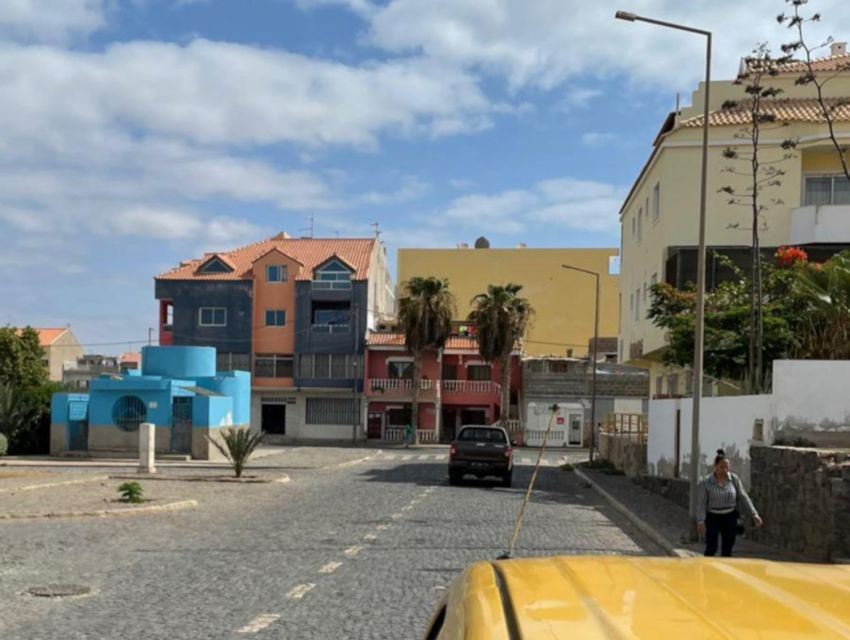
The town can feel more polished and tourist-oriented than other parts of Sal. That is exactly why this tour helps. Instead of treating Santa Maria as only a strip of hotels, beaches, and restaurants, you get a look at the working town behind the holiday setting.
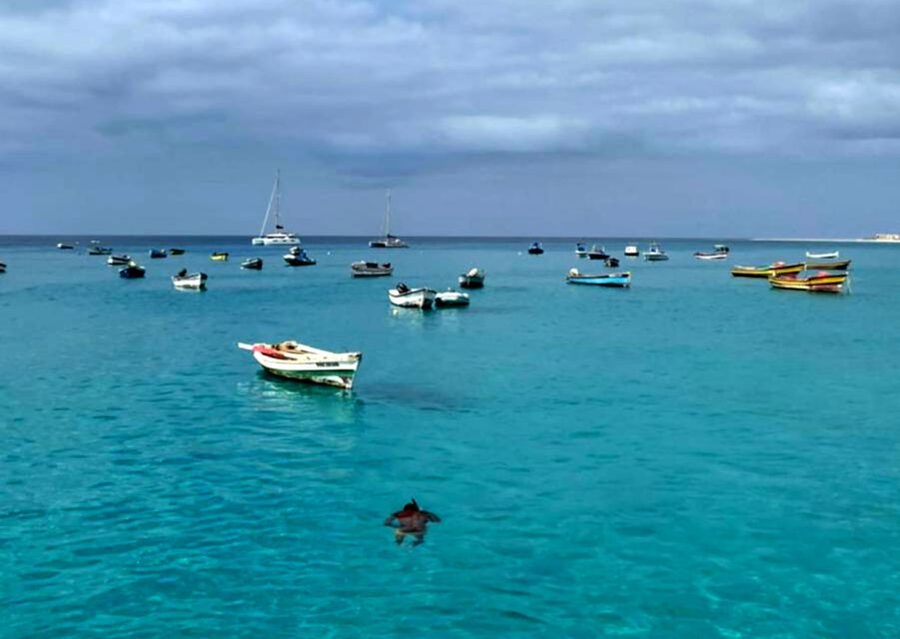
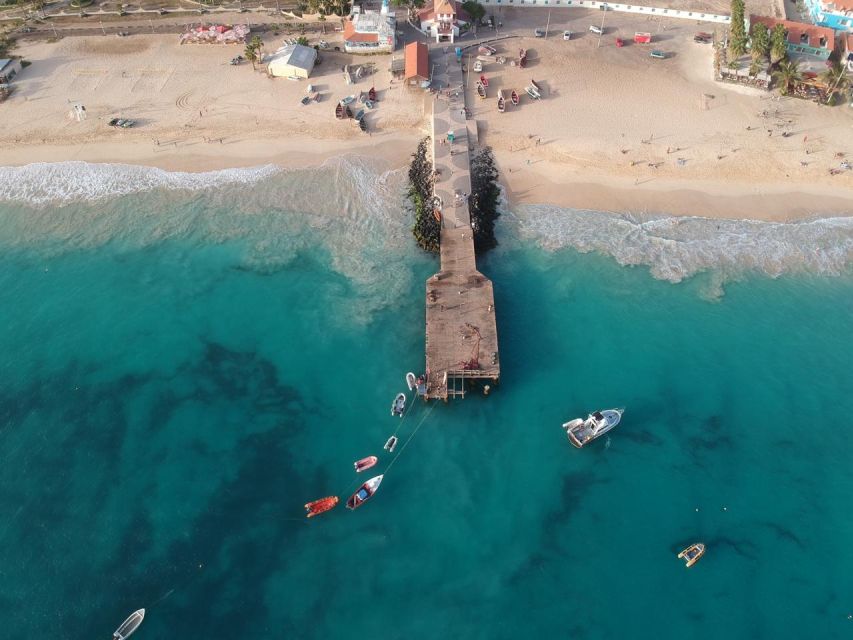
The first major stop is Pontão. This pier once handled salt exports, an important reminder of the island’s older economy. Today it is linked to artisanal fishing, with small boats arriving and fish being sold nearby.
The pier is not just a monument. It is a working public place. You may see local sellers handling the day’s catch, boats coming in, and people using the water in a way that feels quite different from a resort beach. Your guide can help explain what you are seeing, which is useful because the scene moves quickly and may not be obvious at first glance.
Bring a camera, but watch your footing and stay aware around the edge of the pier. The tour includes time for photographs, yet Pontão is best appreciated as part of daily life, not only as a scenic platform.
More Street Art Tours around the world:
- Medellin: Comuna 13 Graffiti Tour, Cable Car & Street Food
★ 4.8 · 9,046 reviews - CDMX: Xochimilco, Coyoacan, Frida Kahlo Museum & Murals Tour
★ 4.4 · 3,025 reviews - Amsterdam: Streetart Museum STRAAT Entrance Ticket
★ 4.8 · 2,137 reviews
Santa Maria beach and the blue water
From Pontão, the tour takes in Santa Maria’s broad sandy beach. The water is a major part of Sal’s appeal, and the beach gives you a clear sense of why the town attracts so many visitors.
The view is especially striking from the pier, where the pale sand and clear turquoise water frame the fishing activity. You get both sides of Santa Maria here: a postcard beach and a place where local work still happens in public view.
This stop is good for orientation. If you have just arrived on Sal, you will quickly see where the town meets the water, where people gather, and why the beach forms the center of the local visitor scene. If you are staying elsewhere on the island, it gives you a useful first picture of Santa Maria before you return later for dinner or an evening walk.
Do not expect a long beach day as part of the tour. The visit is focused on seeing the beach and pier, not on swimming or spending several hours on the sand. Bring water, use comfortable clothing, and wear shoes that can handle a town walk.
Street art that shows everyday Cape Verde
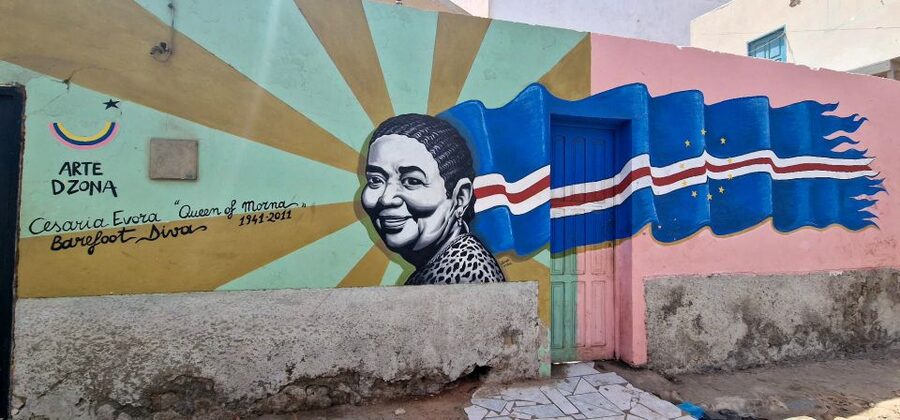
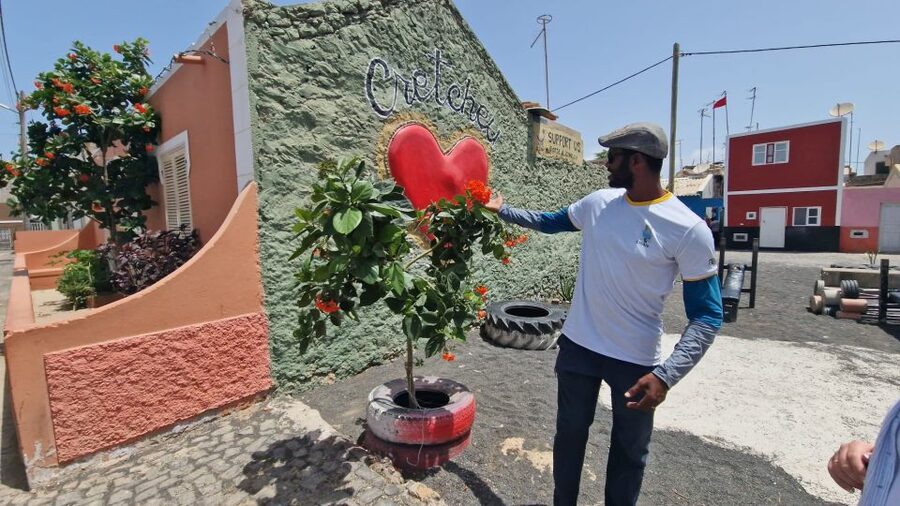
The walking section moves inland through Santa Maria’s streets. Colorful murals and painted walls provide the visual hook, but the better reason to go with a guide is the explanation behind them.
The art reflects local culture and daily life. A guide can help you connect images and neighborhood scenes with the people who live here, rather than treating the walls as a series of random backdrops for photographs.
This part of the tour also gives you a feel for the town beyond its waterfront. You will pass streets where bars and restaurants serve different kinds of customers, and your guide can point out places worth considering during your stay. That practical advice can save you from choosing a restaurant simply because it has the largest sign or the best view.
The walk lasts about 30 to 50 minutes, depending on the group and the way the private outing is arranged. That is not a major physical challenge for most people, but the sun and warm weather can make it feel longer. Comfortable shoes and water matter more here than they would on a vehicle-based sightseeing trip.
A small Cape Verdean tasting stop
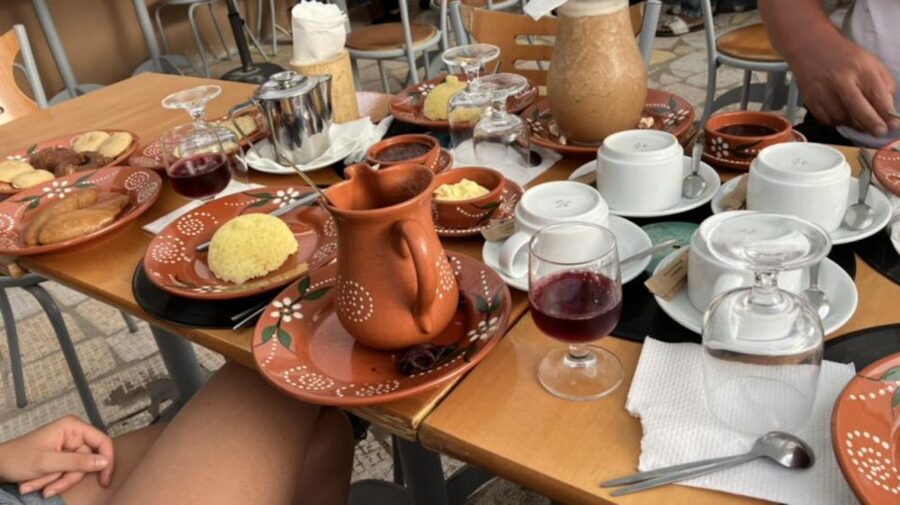
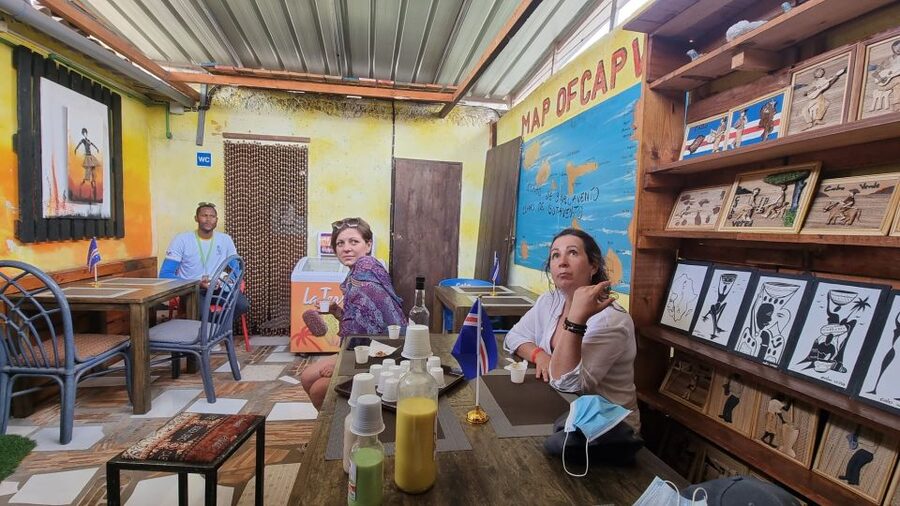
The food break takes place at a local restaurant. You will taste typical Cape Verdean flavors along with drinks and snacks.
This is a modest tasting, not a full meal. One useful detail from the experience is that the tapas portion can be small, so you should not book this as your lunch or dinner replacement. Think of it as a pleasant introduction to local tastes during a walking tour.
I like this part because it gives the guide a natural chance to explain what you are eating. Food is easier to remember when you try it, and the stop adds a social pause after the walk through town.
The value depends on what you want from the day. If your priority is a broad food tour with several substantial dishes, this will feel limited. If you want a quick sample paired with local conversation and sightseeing, it fits the compact format.
The tasting also helps break up the tour. Without it, the outing would be mostly a pier visit, street walk, and short history lesson. With it, you get a chance to sit down, drink something, and compare what you have seen with the local flavors.
Same walls, a different way in:
- Belfast: Murals Taxi Tour
★ 4.9 · 2,047 reviews - Wynwood Graffiti Golf Cart Small-Group Tour
★ 5.0 · 1,646 reviews - London: Street Art and Graffiti Guided Walking Tour
★ 4.9 · 1,354 reviews - Lisbon: Street Art Tour
★ 4.9 · 1,324 reviews
Old photographs, utensils, and a wider city view
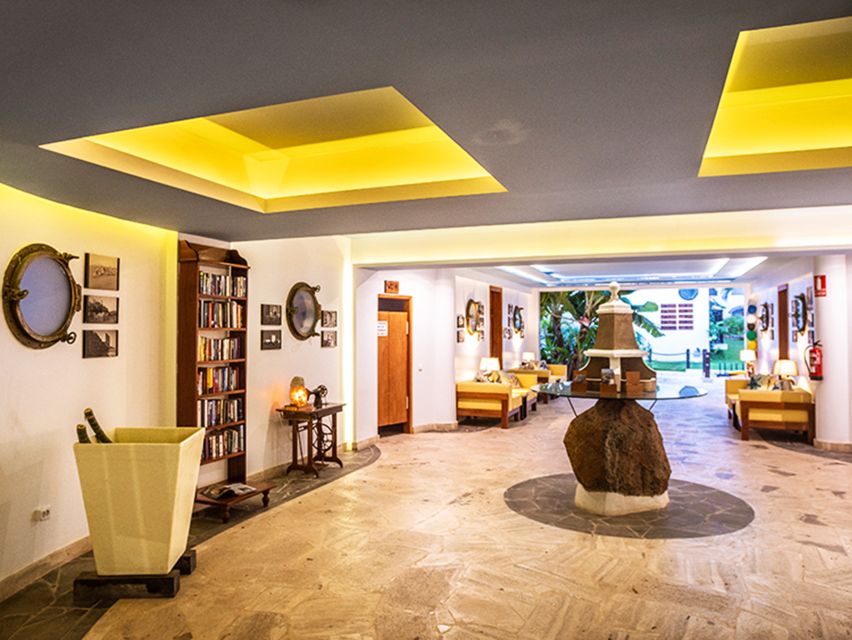
After the restaurant stop, the route includes an exhibition of old photographs and utensils. This gives the tour a more personal side.
Old pictures can show how Santa Maria and Sal have changed, while household tools offer clues about work and home life. The stop is not presented as a major museum visit, so keep your expectations modest. Its value comes from the contrast with the beach and modern tourist areas.
You will also have a broad view of the city from this point. That view helps pull the separate stops together. You can place the pier, streets, beach, and built-up areas in relation to one another instead of experiencing them as disconnected locations.
The exhibition and viewpoint are useful if you want more than photographs. They add context to the town’s growth and give the guide room to explain how local life fits beside tourism. For a short tour, that balance is worthwhile.
Choosing real Cape Verdean souvenirs
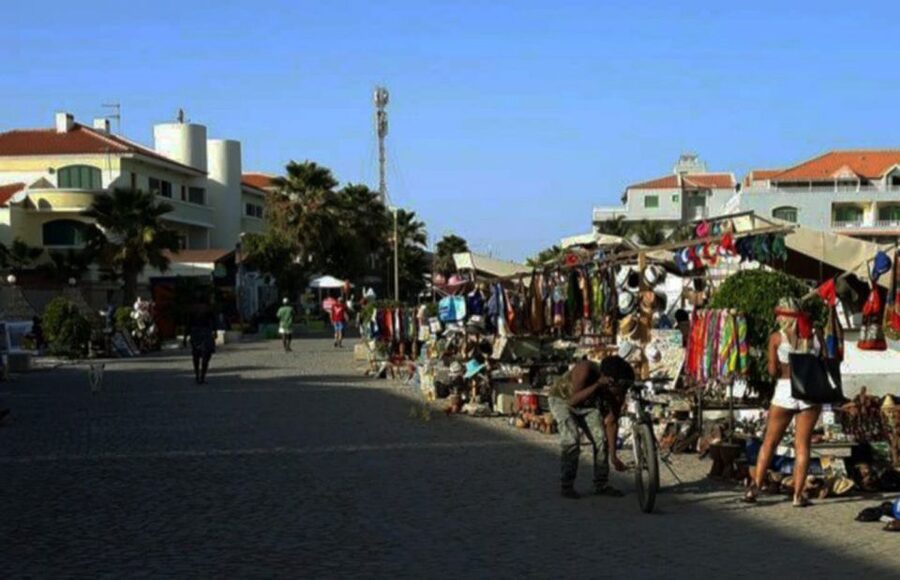
The final shopping-related stop focuses on authentic Cape Verdean arts and souvenirs. Your guide can explain what to look for and how to distinguish local work from generic goods.
That advice is practical. Souvenir shopping can be confusing when you do not know which objects are made locally, what materials are common, or how much cultural meaning a piece may carry. A guide cannot remove every uncertainty, but a few clear pointers can help you buy with more confidence.
You are not required to purchase anything. Treat this as a chance to learn, not a sales obligation. If you do want a keepsake, ask questions about where it was made and what it represents before spending money.
This stop is especially useful for people who prefer a small, meaningful object over a mass-produced beach souvenir. It also gives you another angle on Cape Verdean identity after seeing the murals and tasting local food.
What the guide adds to the experience
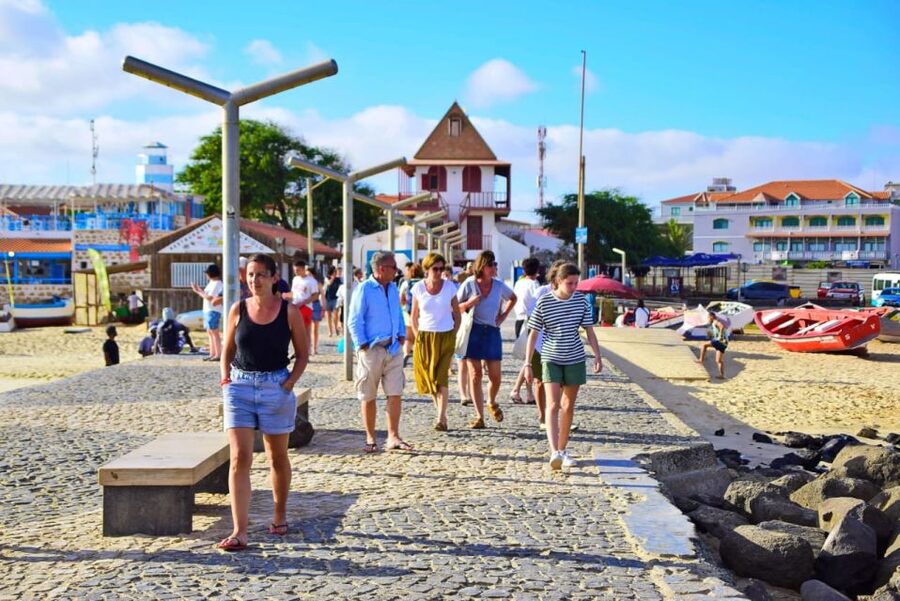
The guide is central to the tour. Without one, you could find Pontão, walk through Santa Maria, take pictures of the murals, and eat at a restaurant. What you would miss is the connection between those pieces.
A strong guide explains why the pier matters, identifies the useful streets and eateries, translates local details into plain language, and helps you understand the difference between a genuine craft and a decorative item with little local connection.
One guide named in the experience is Sean. He is described as friendly and pleasant, with a strong focus on the town’s history and culture. The tour is offered in English, Spanish, Portuguese, and French, so check that your preferred language is available when booking.
Because this is a private tour for a group of up to two at the listed price, the format can be more personal than a large group walk. The private setup also matters if you have mobility concerns. The tour is not suitable for wheelchair users, but the private option can be adjusted if someone in your party has mobility issues.
Is $147 good value for two people?
The listed price is $147 per group of up to two, not $147 per person. That makes the calculation more favorable for a couple, especially since hotel pickup, private transportation, a licensed local guide, insurance, and the tasting are included.
Still, the outing is short. One account puts the full tour at about two hours, with a 30 to 50 minute walk and a small tapas stop. If you measure value only by time, the price may feel high beside longer island excursions that keep you out for much of the day.
I would judge it by purpose rather than duration. This tour is a compact introduction to Santa Maria, not a full Sal sightseeing day. You pay for a local guide, a private format, transport, interpretation, and a chance to ask questions without being lost in a large group.
The price makes more sense if you have limited time, want to understand Santa Maria before exploring alone, or prefer a private experience. It makes less sense if you mainly want a quick walk to the pier and beach, since you could visit those public areas without booking a tour.
The tasting is part of the value, but keep its scale in mind. It includes beverages and snacks, not a large meal. If food is your main reason for booking, check your expectations before you go.
Who will enjoy this Santa Maria tour?
I would recommend it to first-time visitors who want a gentle introduction to Santa Maria without committing to a full island excursion. It also suits couples who value a private guide and want help finding places to eat and shop during the rest of their stay.
Culture-minded visitors will get the most from the mix of street art, old photographs, local tools, fishing activity, and food. The tour makes sense for you if you want ordinary details, not just the famous beach.
It is also a good fit for people who prefer a short activity. You will not spend seven hours in a vehicle or move through a long list of stops. The route gives you several distinct sights in a compact period.
I would think twice if you want a major historical tour, a full meal, extensive shopping, or a full-day adventure. The tour offers a sample of each, but none is the sole focus.
The walking level is moderate rather than strenuous. Still, the heat, town surfaces, and time on foot mean you should wear comfortable shoes and carry water. Large bags and luggage are not allowed, so leave them at your accommodation.
Booking decision: choose context over speed
Book this Santa Maria tour if you want a well-rounded introduction to the town, with a local voice connecting the pier, beach, murals, food, old photographs, and crafts. Its strongest feature is the way it turns a short city walk into a lesson in everyday Cape Verdean life.
Skip it if your main goal is maximum sightseeing time for the lowest cost. At $147 for up to two people, it asks you to value private transport and local explanation. For the right person, that is fair. For someone who is happy exploring independently, it may be more tour than necessary.
The flexible cancellation policy allows a full refund when you cancel at least 24 hours ahead, and you can reserve now and pay later. That helps if your Sal plans are still moving around, but the real choice is simple: pay for context and convenience, or visit Santa Maria’s public sights on your own.
FAQ
Where does the tour pick me up?
Hotel pickup and drop-off are provided from Santa Maria, Murdeira, or Espargos.
How long does the tour last?
The experience is described as roughly two hours, including a 30 to 50 minute walk through Santa Maria.
What languages are available?
The tour is offered in English, Spanish, Portuguese, and French.
What is included in the price?
The price includes hotel pickup and drop-off, private transportation, a licensed local guide, liability insurance, and typical Cape Verdean drinks and snacks.
Is the tour suitable for wheelchair users?
No. The tour is not suitable for wheelchair users. The private tour can be personalized if someone in your group has mobility issues.
What should I bring?
Bring comfortable shoes, water, and comfortable clothes. Luggage and large bags are not allowed.
Freshly painted around the world
- Xochimilco floating gardens, Coyoacan and UNAM murals★ 4.0 · 6 reviews
- Your Own Belgrade: Street Art and Hidden Gems Walking Tour★ 5.0 · 2 reviews
- Wynwood Walls Street Art & Neighborhood Walking Tour★ 4.9 · 9 reviews
- Vancouver: Street Art & Craft Beer Walking Tour with Tasting★ 4.8 · 14 reviews
- Vancouver: Street Art & Craft Coffee Walking Tour w/ Tasting★ 4.8 · 11 reviews
- Zagreb Street Art Private Walking Tour with a Local Artist★ 5.0 · 12 reviews
- Urban Canvas: Osaka Street Art Bike Tour★ 5.0 · 10 reviews
- UNAM: Murals & Revolution★ 4.9 · 8 reviews