
Review · HONSHU, JAPAN
Graffiti in Tokyo Walking Tour: Shibuya and Harajuku
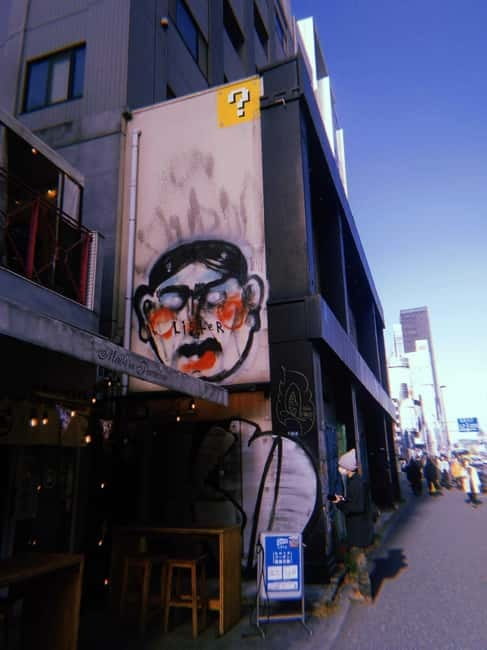
Tokyo’s graffiti is easy to miss. You can walk through Shibuya surrounded by signs, screens, and crowds, yet overlook a small tag on a shutter or a sticker tucked beside a doorway. This two-hour walk with Elena Calderon trains your eye to notice those details, then explains the artists, crews, styles, and local rules behind them.
I like the way the tour uses back streets rather than simply pointing out famous murals. I also like that Elena brings more than a casual interest: she has spent over 10 years researching graffiti and works as an art curator. The main consideration is that the walk focuses on an underground scene, so some pieces may be small, temporary, or legally uncertain rather than polished public art.
Key points at a glance
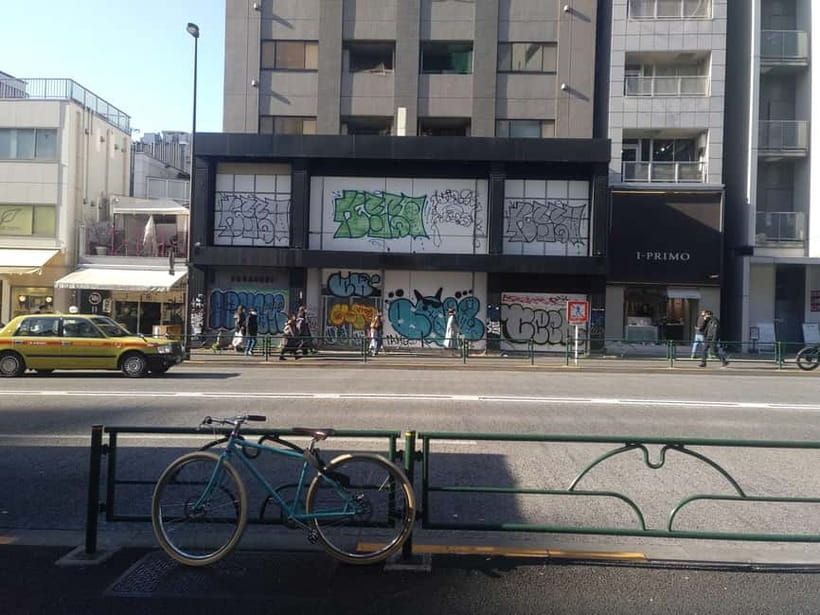
- A different Shibuya: Look beyond the crossing and department stores for tags, stickers, throw-ups, and murals.
- Elena’s specialist knowledge: Learn from a guide who researches Tokyo graffiti and works with art exhibitions.
- Shibuya to Harajuku: Spend most of the two hours in Shibuya, with a short Harajuku visit included.
- Art beyond the obvious: The route can introduce you to galleries, studios, exhibitions, and local hangouts.
- Useful extras: Gallery and restaurant discounts are included, while most gallery entrances are free.
- Practical pace: Wear good shoes, carry water and cash, and prepare for changing weather.
Why this Tokyo walk feels different
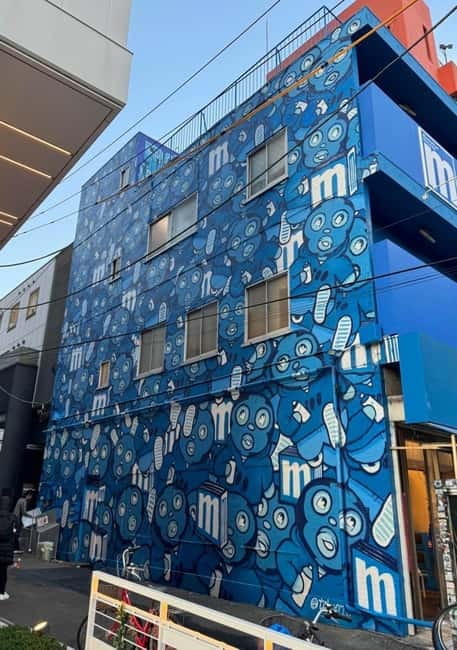
Most first visits to Shibuya stay close to the major crossing, fashionable shopping streets, and bright commercial signs. Those places are worth seeing, but they show you the public face of Tokyo. This tour shifts your attention to the edges of the scene, where stickers, tags, painted shutters, and small pieces can be easy to pass without noticing.
That change in focus is the real value. You are not simply walking from one famous sight to another. You are learning how to read a city’s walls. Elena can point out work by local and international artists, explain the difference between styles, and tell you why a piece may be placed in a particular spot.
The tour also deals with a subject that is not always tidy. Some graffiti is made on legal walls, while other work appears without permission. That tension matters in Japan, where public order and clean streets are taken seriously. You should expect discussion of the art form as it exists, including its more secretive side, but you are also expected to respect local laws and never treat the walk as permission to paint or trespass.
More Graffiti Tours in the world:
- Medellin: Comuna 13 Graffiti Tour, Cable Car & Street Food
★ 4.8 · 9,046 reviews - Wynwood Graffiti Golf Cart Small-Group Tour
★ 5.0 · 1,646 reviews - London: Street Art and Graffiti Guided Walking Tour
★ 4.9 · 1,354 reviews
Meeting Elena near Manhattan Records
The stated meeting point is Manhattan Records shop in Shibuya, a sensible starting place for an outing centered on music, youth culture, and street art. The itinerary also refers to the Kifune Building as the starting and ending location, so I would confirm the exact meeting instructions before setting out. This is a small but important detail in dense Shibuya, where a few minutes of confusion can turn into a missed tour.
Once the walk begins, expect a guided route rather than a classroom talk. Elena’s role is to connect what you see on the street with the people and ideas behind it. Her explanations cover Japanese graffiti culture, artist backgrounds, tags, stickers, murals, and the way work can be concealed in plain sight.
Several people who took the walk found Elena easy to understand, flexible, and enthusiastic. That matters here because graffiti tours can become either too technical or too shallow. Elena appears to strike a useful middle ground, giving you enough vocabulary to understand the scene without turning every wall into a lecture.
Reading Shibuya’s smaller marks
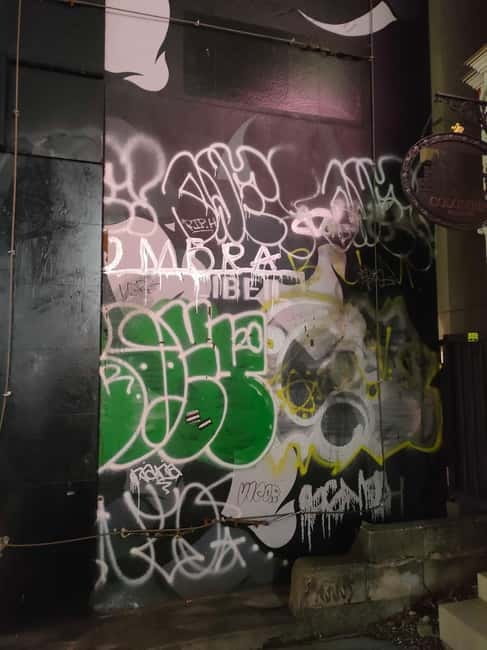
The Shibuya section makes up the main body of the two-hour walk. You will see more than large murals. Tags and throw-ups are part of the visual language, and stickers may appear on posts, shutters, signs, or other surfaces. A piece that looks like a quick mark at first can take on more meaning once you know how to look at lettering, placement, repetition, and style.
This is where the guide’s long experience matters most. You might walk past a small sticker or painted mark without giving it a second glance. Elena can help you see the difference between an intentional piece and ordinary street wear, then add context about the artist or crew connected with it.
The route is also a lesson in change. Street art can be painted over, removed, covered by construction, or replaced by another work. What you see on the day is part of a moving scene, not a permanent museum collection. If you spot a piece you especially like, take a photo when appropriate and ask Elena about its background.
One useful feature is the chance to hear about local and international artists in the same walk. Tokyo’s graffiti culture is not isolated from the rest of the world. The city has its own patterns and pressures, but artists from outside Japan also contribute to what appears on its streets.
From legal walls to secret street spots
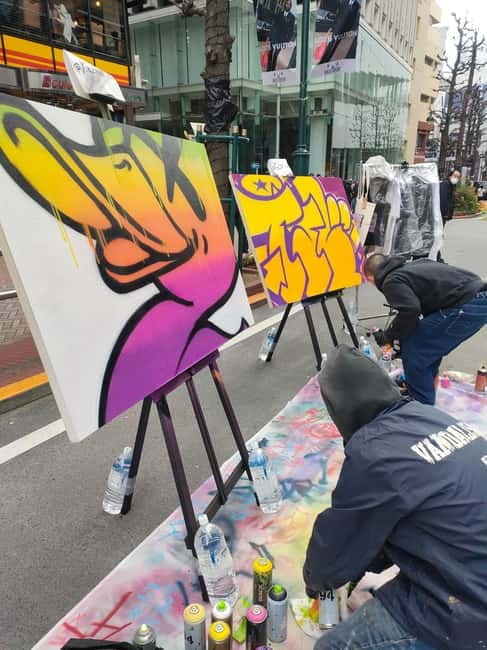
The tour presents several sides of the scene, including legal walls and work made in less open settings. That range gives you a fairer picture than a route built only around sanctioned murals. Legal work can be large and easier to study, while smaller unsanctioned pieces may show more of the fast, personal mark-making that defines graffiti.
Still, do not expect every stop to be dramatic. A secret spot may be a narrow passage, a wall behind a building, or a small sticker that would mean little without explanation. The reward comes from the story and the act of noticing, not from collecting grand photo backdrops.
I would also keep your expectations flexible. The supplied information does not promise a fixed list of artworks, and street pieces change quickly. Weather, repainting, access, and the current condition of a wall can affect what you see. Elena’s ability to adjust the route is therefore more important than a rigid checklist.
The rules are straightforward. Do not smoke, drink alcohol, use drugs, litter, or disregard local restrictions. You are looking at a culture that already operates close to legal boundaries in some places, so respectful behavior is essential.
More Street Art Walking Tours in the world:
- Berlin: City Street Art Guided Walking Tour
★ 4.8 · 1,051 reviews - Naples Spanish Quarters Walking Tour Street Art, Folklore & Sweet
★ 5.0 · 797 reviews - Lisbon: Kickstart Street Art Walking Tour
★ 4.9 · 717 reviews - Glasgow Street Art Daily Walking Tour: 2pm
★ 5.0 · 648 reviews
A short look at Harajuku
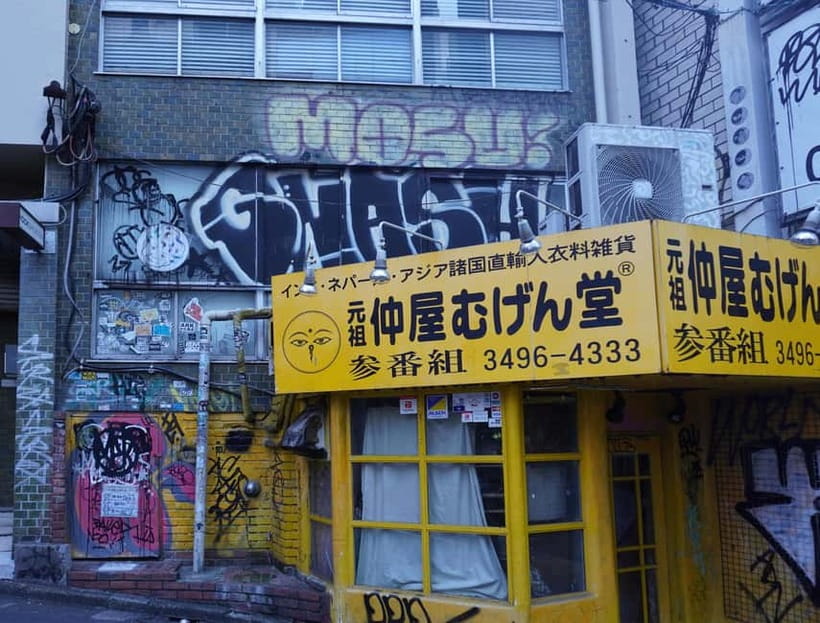
Harajuku adds a useful second setting to the walk. The neighborhood is widely known for youth fashion, creative shops, and unusual street style, but this tour looks past the best-known visitor routes. The Harajuku visit is listed as about 10 minutes, so it is a short portion rather than a full neighborhood tour.
That limited time is worth understanding before you book. If you want a long Harajuku history walk or a broad shopping tour, this is not the right format. Here, Harajuku acts as another place to see how art and youth culture occupy the city.
The contrast with Shibuya helps. Shibuya gives the walk its main concentration of graffiti and street pieces, while Harajuku adds another creative district and may introduce you to art spaces, studios, or exhibitions. You may also hear about places to return to after the tour.
One useful touch is Elena’s advice on galleries. The experience includes insider information about top art galleries and discounts at selected galleries and restaurants. Most gallery entrances are free, but any paid museum or gallery admission is your responsibility.
The art context is the main attraction
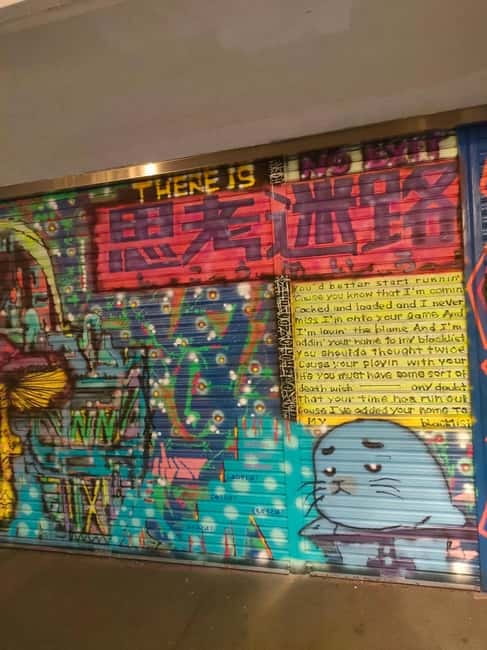
You do not need to be an artist to enjoy this walk. Several kinds of visitor will get something from it:
- You like graffiti but cannot tell one style from another.
- You want a Tokyo experience away from standard sightseeing routes.
- You enjoy photography and want help finding details worth framing.
- You are interested in galleries, exhibitions, and artists working in the city.
- You have already seen Shibuya and want to look at it with fresh eyes.
The strongest part is the interpretation. Elena can explain not just what a mark looks like, but how it fits into Tokyo’s art culture. One participant even received help finding murals to photograph again after the tour. That suggests the walk can be useful as a starting point for your own exploration, not just a two-hour activity that ends when the guide says goodbye.
The format also suits people who prefer conversation to a large formal tour. The information provided does not state the group size, so you should not assume a private experience. Still, the guide’s reported flexibility and the subject itself should leave room for questions.
What the $38 price gets you
At $38 per person, this is not the cheapest way to spend two hours in Tokyo. You can walk through Shibuya and Harajuku for free, of course. The question is what you would actually notice without someone showing you where to look.
The fee covers Elena’s guiding, specialist research, access to lesser-known graffiti locations, and advice about galleries and artists. It also includes discounts at art galleries and restaurants connected with the tour. Since most gallery entrances are free, those discounts may be a pleasant extra rather than the main reason to book.
I see the price as reasonable for a niche walking tour, especially if graffiti or urban art is a real interest. You are paying for access to information and places that are hard to find through a standard guidebook. If you are only mildly curious and would rather spend your time on major Tokyo sights, the value is less certain.
The two-hour length helps. It is long enough to give the subject shape but short enough to fit around other plans. You can schedule it before or after shopping, a gallery visit, or a wider day in central Tokyo. The exact start times vary, so check availability when booking.
How to prepare for the walk
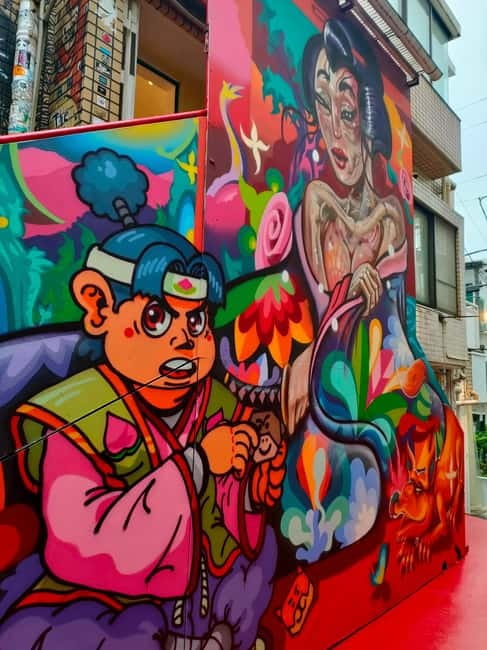
Wear comfortable walking shoes. The route moves through city streets, and even a short tour can feel tiring if you are focused on sore feet instead of the walls. Carry water, a camera, and some cash. Cash may be useful for purchases or stops after the tour, though meals and drinks are not included.
Prepare for changing weather. The experience takes place outdoors, and no indoor substitute is promised. A light rain layer, sun protection, or an extra layer can make the walk much more pleasant depending on the season.
The tour is offered in English and Spanish. You should also allow time to reach the meeting place and verify the precise location, since the supplied directions refer both to Manhattan Records and the Kifune Building. That inconsistency is worth clearing up before you leave your hotel.
The activity is not designed for people with mobility impairments, babies under one year, or people over 95. The route requires walking through urban streets, and the information provided does not promise step-free access.
Free cancellation is available up to 24 hours before the start, and you can reserve now and pay later. Those options are useful if your Tokyo schedule is still moving around.
Who should book this graffiti walk?
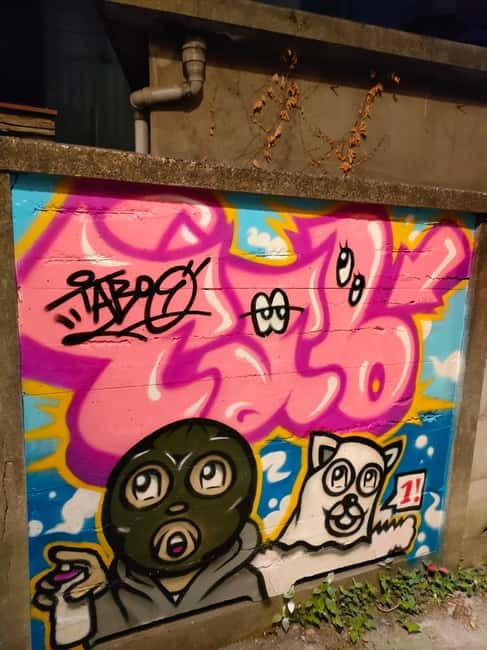
I would book this if you want to see a side of Shibuya and Harajuku that a normal sightseeing route will not show you. It is especially well suited to street-art fans, photographers, art students, and repeat visitors who have already covered the major sights.
Families can enjoy it too, provided everyone is comfortable walking and listening to a specialist subject for two hours. The experience is not designed as a children’s attraction, but the visual material and back-street route can be engaging for older children and teenagers who like drawing, fashion, music, or urban culture.
I would skip it if you want a conventional history tour, a long Harajuku visit, or guaranteed large murals at every stop. The scene can be small, temporary, and unpredictable. That is part of its character, but it will not suit every sightseeing style.
Should you book it?
Book this tour if you want help seeing what most people walk past. Elena’s strongest asset is her specialist understanding of Tokyo graffiti, and the route gives you a rare look at legal walls, tags, stickers, murals, galleries, and less obvious street locations.
At $38, the tour makes sense when you value context and access more than a long list of famous sights. Confirm the meeting point, wear good shoes, and keep your schedule flexible. If you do that, this is a smart two-hour addition to a Tokyo visit, especially for anyone curious about the city’s independent art culture.
FAQ
Where does the graffiti walking tour meet?
The meeting point is listed as Manhattan Records shop in Shibuya. The itinerary also refers to the Kifune Building, so confirm the exact meeting instructions before the tour.
How long does the tour last?
The tour lasts two hours. The Harajuku portion is listed as approximately 10 minutes, with most of the guided walk taking place in Shibuya.
Which languages are available?
The live guide is available in English and Spanish.
Who leads the tour?
The guide is Elena Calderon of Totemo. She is described as a graffiti researcher with more than 10 years of experience and an art curator.
What does the tour include?
It includes the expert guide, access to selected lesser-known graffiti locations, information about Tokyo’s graffiti scene and art galleries, and discounts at certain art galleries and restaurants connected with the tour.
Are meals, drinks, and gallery admission included?
No. Meals and drinks are not included. Entrance fees for galleries and museums are also not included, although most of them are free of charge.
What should I bring?
Bring comfortable walking shoes, water, a camera, and cash. You should also be ready for changing weather and follow local laws during the walk.
Freshly painted around the world
- Your Own Belgrade: Street Art and Hidden Gems Walking Tour★ 5.0 · 2 reviews
- Xochimilco floating gardens, Coyoacan and UNAM murals★ 4.0 · 6 reviews
- Wynwood Walls Street Art & Neighborhood Walking Tour★ 4.9 · 9 reviews
- Vancouver: Street Art & Craft Beer Walking Tour with Tasting★ 4.8 · 14 reviews
- Zagreb Street Art Private Walking Tour with a Local Artist★ 5.0 · 12 reviews
- Urban Canvas: Osaka Street Art Bike Tour★ 5.0 · 10 reviews
- Vancouver: Street Art & Craft Coffee Walking Tour w/ Tasting★ 4.8 · 11 reviews
- UNAM: Murals & Revolution★ 4.9 · 8 reviews
Graffiti Tours, compared.
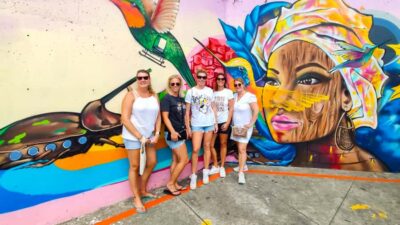
Medellin: Comuna 13 Graffiti Tour, Cable Car & Street Food
Read our review →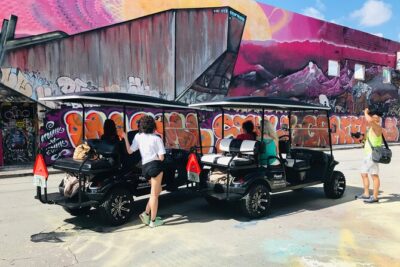
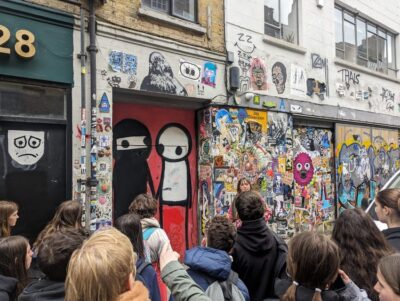
London: Street Art and Graffiti Guided Walking Tour
Read our review →
Palermo: Graffiti and Street Art Guided Tour in English
Read our review →
NYC: Brooklyn Graffiti Workshop with Local Artist
Read our review →
NYC: Brooklyn Graffiti & Street Art Walking Tour in Bushwick
Read our review →
Medellín: Comuna 13 Tour with Snacks And Your Own Graffiti
Read our review →Browse the lists this tour appears in