
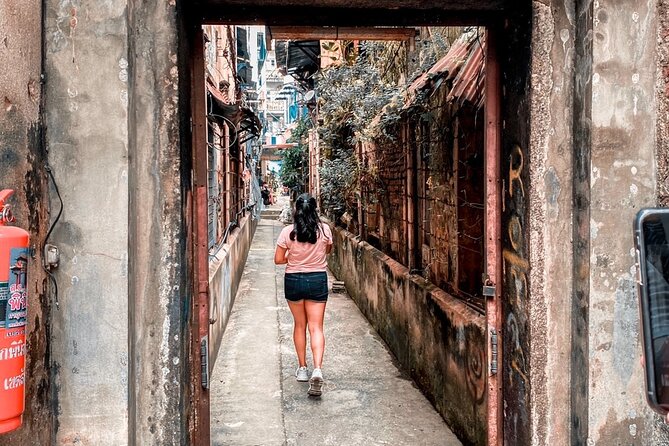
Review · BANGKOK
Bangkok Heritage & Street Art Private Walking Tour
Bangkok’s old riverside neighborhoods tell their stories in layers: a 1909 roast-duck shop, Catholic churches, Chinese shrines, fading warehouses, and street art painted across worn walls. This private walking tour links Charoen Krung and Talat Noi, two districts where Bangkok’s trade routes and modern art scene meet.
I like the food stop at Prachak, where roasted duck has been served since 1909, and I like the mix of grand landmarks with quiet lanes and small galleries. The tour also gives you a closer look at Bangkok’s Chinese, Thai, and European influences than a standard temple circuit.
The main drawback is the walking itself. The tour lasts more than four hours, includes about 90 minutes in Talat Noi, and is not recommended if you have walking difficulties. It also ends there, so you must arrange your own ride back.
Key points to know before you book

- Prachak Roasted Duck since 1909: Start with a small meal at one of Bangkok’s long-running local eateries.
- Charoen Krung’s changing identity: See former trade and diplomatic quarters now filled with art spaces, cafés, and restored heritage buildings.
- Three faith traditions in one walk: Visit Wat Suan Phlu, Assumption Cathedral, Holy Rosary Church, and Rong Kuak Shrine.
- Talat Noi gets the most time: The tour allows about 90 minutes to explore this old Chinese-Thai neighborhood.
- Private format: Only your own group takes part, with an English-speaking guide and hotel pickup offered.
- Rain or shine schedule: Bring a poncho or raincoat during Thailand’s wet season, since bad weather does not qualify for a refund.
Bangkok’s old river quarters in one morning
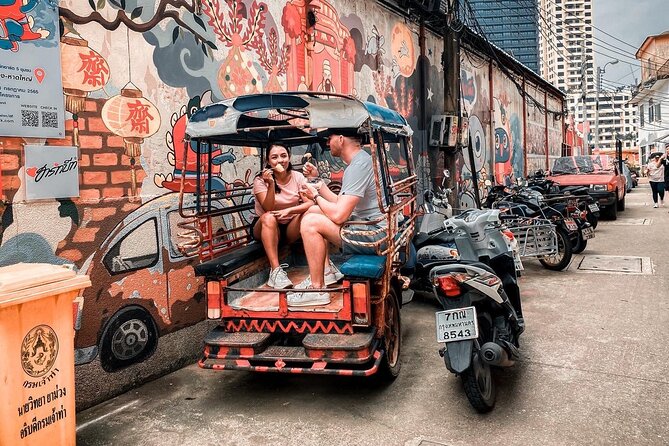
I like this tour because it does not treat Bangkok as a collection of isolated sights. Instead, it follows the streets between them, showing how food, faith, trade, family life, and art shaped the city.
You begin at 9:00 a.m., with hotel pickup offered. The experience lasts about 4 hours and 20 minutes, so the timing is long enough to give the neighborhoods some breathing room without taking up your entire day.
The route focuses on Charoen Krung and Talat Noi. Charoen Krung was once a key road for foreign traders and diplomats, while Talat Noi grew as a Chinese-Thai community near the river. Today, both areas mix old shophouses and warehouses with galleries, cafés, murals, and contemporary street art.
That contrast is the heart of the walk. You are not only looking at historic buildings. You are seeing how Bangkok reuses old spaces and gives them new meaning.
More Private Street Art Tours in the world:
- Belfast: Private Black Taxi Cab Political Murals Tour
★ 4.9 · 425 reviews - 2 Hour Private Belfast Taxi Cab Tour of Troubles & Peace walls
★ 5.0 · 240 reviews - Muralist Art Semi Private Walking Tour in Mexico City Downtown
★ 5.0 · 188 reviews
A 1909 start at Prachak Roasted Duck
The first stop is Prachak Roasted Duck, a no-frills restaurant that has served diners since 1909. You receive a small meal and snacks as part of the tour, with the roasted duck serving as the main introduction to Bangkok’s food culture.
This is a useful choice for a walking tour. You start with something substantial rather than waiting until the end for food, and the setting gives you a taste of a local institution without requiring you to plan a restaurant visit separately.
Dietary needs should be discussed with the guide. Net, one of the guides named in feedback, was specifically praised for handling different dietary requirements. Your guide may be different, but the tour includes an English-speaking guide who can help explain what is being served.
The stop takes about 30 minutes. It is not a full food tour, so you should not book this expecting a long series of tastings. Think of it as one well-chosen local meal folded into a neighborhood walk.
Wat Suan Phlu and a quieter side of Charoen Krung
Wat Suan Phlu takes only about 10 minutes, but it provides a calm pause after the restaurant. The temple was founded in the late Ayutthaya period on land once associated with betel-nut gardens.
Its location in a lane near Charoen Krung matters. The temple is close to one of Bangkok’s important old roads, yet the setting feels removed from the traffic and commercial activity outside. Your guide can place the temple within the wider story of the district rather than presenting it as a stand-alone photo stop.
The short visit means you should keep your expectations sensible. This is not a lengthy temple tour, and the schedule does not suggest an extended look at every building or ritual detail. It works best as one part of a broader walk.
Assumption Cathedral and Bangkok’s European connections
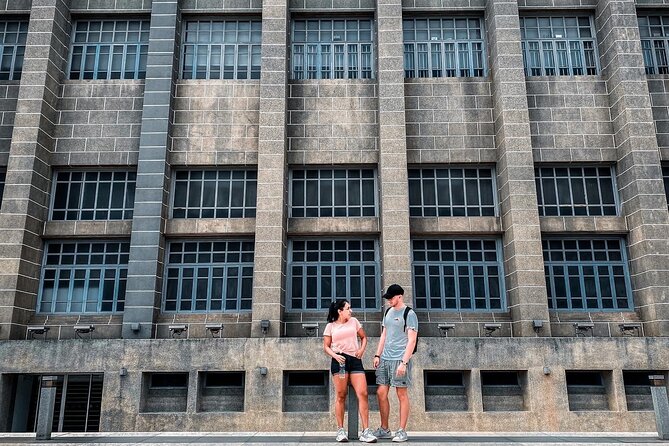
Assumption Cathedral brings a different architectural and cultural thread to the route. Located near Oriental Pier in Bang Rak, it is Bangkok’s principal Roman Catholic cathedral and was originally built between 1809 and 1821 under French missionary influence.
The cathedral helps explain why Charoen Krung developed as an international district. The road became associated with foreign merchants, diplomats, missionaries, hotels, and river trade. You can see that history through the area’s buildings and institutions, not only through monuments built for royal or Buddhist purposes.
The stop is scheduled for around 10 minutes. That is enough for a look and an explanation, but not a deep architectural study. Dress respectfully when visiting religious buildings, and follow any instructions given at the site.
More Street Art Walking Tours in the world:
- London: Street Art and Graffiti Guided Walking Tour
★ 4.9 · 1,354 reviews - Berlin: City Street Art Guided Walking Tour
★ 4.8 · 1,051 reviews - Naples Spanish Quarters Walking Tour Street Art, Folklore & Sweet
★ 5.0 · 797 reviews - Lisbon: Kickstart Street Art Walking Tour
★ 4.9 · 717 reviews
The East Asiatic Company Building and old river commerce
The East Asiatic Company Building is one of the most striking heritage structures along the riverfront. Built in 1901 in an Italian Renaissance style, it sits near the Mandarin Oriental Hotel and recalls the period when European companies used Bangkok’s riverfront for trade.
The building is important because it connects the elegant side of old Bangkok with the practical business that made the district prosper. Behind the grand façades were warehouses, shipping operations, offices, and commercial networks linking the city to the wider world.
Again, the stop lasts about 10 minutes. You may not enter every building, and the value comes mainly from seeing the structure in context. A guide adds useful meaning here, since a quick photograph alone will not tell you why this stretch of Charoen Krung mattered.
Bang Rak, from trade road to creative quarter
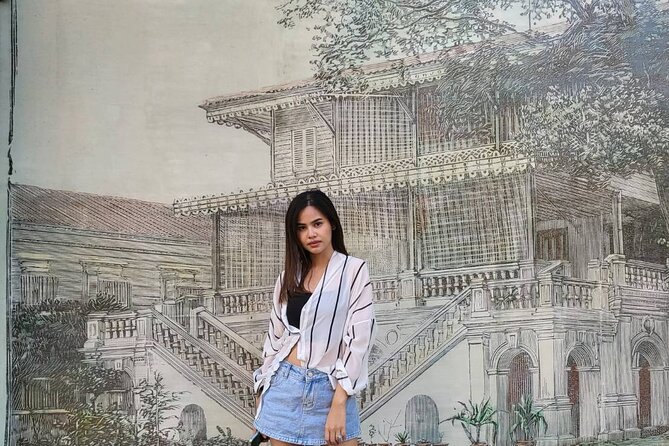
The Bang Rak section is a short 15-minute walk and talk. This area has changed sharply over time. It was once a center for diplomats and traders, later became less prominent, and has recently gained new attention through cafés, galleries, design projects, and restored old buildings.
I like this part because it shows that heritage is not frozen. The district is not presented as a perfect museum piece. You see worn façades, working streets, reused buildings, and new creative spaces sharing the same blocks.
One piece of feedback highlighted the galleries and coffee shops as a strong part of the experience, with the gallery visit being a personal favorite. The exact gallery or art space can vary, since the operator reserves the right to adjust the schedule for comfort, safety, or local conditions.
Holy Rosary Church and Bangkok’s Chinese Catholic story
Holy Rosary Church, also called Kalawar Church, is one of Bangkok’s oldest Catholic churches. Its Gothic Revival design and location beside the Chao Phraya add another layer to the route.
After Assumption Cathedral, this stop makes clear that Bangkok’s Christian communities were not limited to European residents. The church is tied to the city’s river communities and the Chinese Catholic population that helped shape this part of town.
The visit lasts about 10 minutes. As with the cathedral, the stop is brief, so you will gain an introduction rather than a full church history. The benefit is the comparison between different religious buildings within the same historic district.
Talat Noi, where the tour slows down
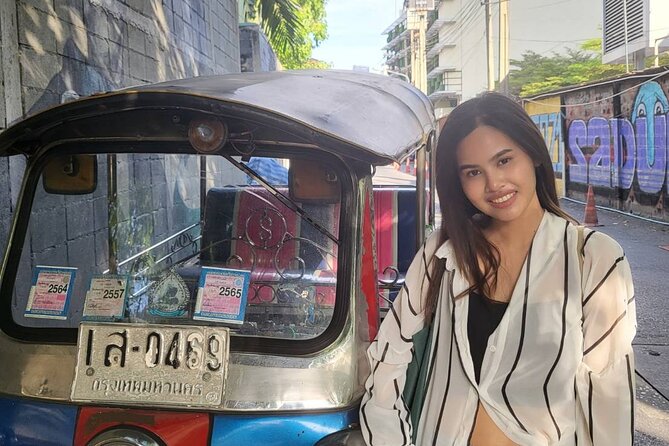
Talat Noi receives about 90 minutes, the longest portion of the experience. That is appropriate because this old Chinese-Thai neighborhood is best understood on foot, through its narrow lanes, old shophouses, river warehouses, family shrines, and painted walls.
The name means small market. The neighborhood forms part of Bangkok’s wider Chinatown and has been home to Chinese-Thai families for generations. Its character comes from the mix of everyday life and old urban fabric. You may see aging façades beside carefully maintained homes, working businesses beside art spaces, and small details that are easy to miss from a vehicle.
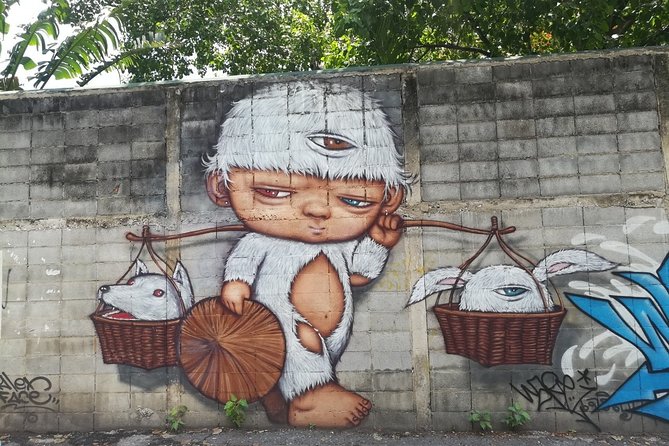
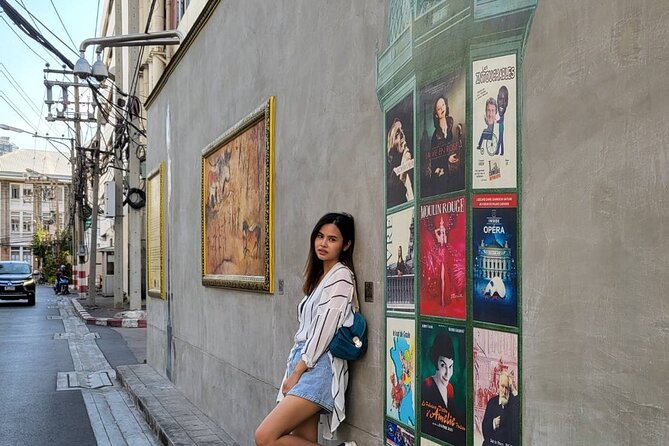
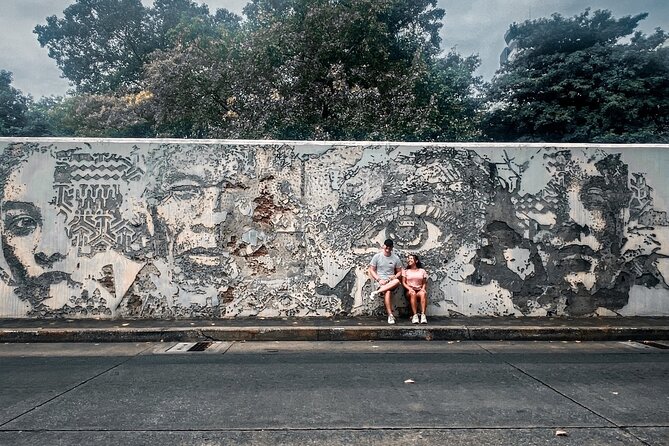
This is also where the street art theme becomes clearest. Murals and painted walls bring new color to buildings that might otherwise be overlooked. The art does not erase the older neighborhood. It draws attention to it.
You should be ready for an uneven pace here. The guide may stop often to explain a building, point out a detail, or lead you down a side lane. That makes the experience more personal, but it also means the walk is not a quick sightseeing loop.
Nikki was another guide named positively in feedback, particularly for leading an off-the-main-route experience. Guides change, so you cannot assume either Net or Nikki will lead your group. Still, the private format gives you a better chance to ask questions and adjust the pace than a large group tour would.
Rong Kuak Shrine and Hakka-Chinese traditions
The final named stop is Rong Kuak Shrine, also known as Chao Hon Wong Kung Shrine. Located in Talat Noi, it reflects the area’s Hakka-Chinese heritage and dates to the early Rattanakosin period.
The shrine honors Hon Wong Kung, a deity associated with local worship. Its presence gives the neighborhood a spiritual dimension that differs from the Buddhist temple and Catholic churches earlier in the walk.
You spend about 10 minutes here. It is a compact visit, but it rounds out the tour’s main theme: Bangkok was shaped by several communities, not by one tradition alone.
The tour ends in Talat Noi rather than returning you to your hotel. That is worth planning for. Talat Noi is near public transportation, but the return transfer is not included, so ask your guide for help choosing your next route if needed.
What the $83.17 price really covers
At $83.17 per person, this is not the cheapest way to see Bangkok. The price makes more sense if you value a private guide, hotel pickup, a small meal, snacks, drinking water, and a route through several connected historic districts.
You are paying for interpretation and convenience as much as for admission. All listed stops have free admission, so the cost is not driven by entrance tickets. The value comes from having someone connect the buildings, neighborhoods, food, religious communities, and street art into one understandable story.
The private format is especially useful for couples, families, or small groups with shared interests. Group discounts may improve the per-person price, while a solo booking will naturally feel more expensive.
I would not choose this tour only for street art. The art is part of a wider heritage walk, and the amount or location of it may change with local conditions. If you want a dedicated mural hunt, another experience may suit you better.
Walking, weather, and practical comfort
You should be comfortable walking for more than four hours in Bangkok’s heat and humidity. The tour is not recommended for people with walking disabilities, and the long Talat Noi section can make the experience tiring even for fit walkers.
Wear light clothing and comfortable shoes. Bring drinking water, though water is included, and carry a raincoat or poncho during the rainy season. The tour operates in rain or sun. Short tropical showers may lead to a pause for shelter, but heavy rain does not automatically cancel the experience or qualify you for a refund.
The start time is 9:00 a.m., which helps you cover the streets before the hottest part of the day. Hotel pickup is offered, but the exact pickup arrangements should be confirmed when booking.
You receive a mobile ticket and booking confirmation at the time of reservation. Public transportation is nearby, but the most important transport detail is the missing return transfer. Plan the rest of your day from Talat Noi, not from your hotel.
Who should book this Bangkok walk?
I would choose this tour if you have already seen Bangkok’s major temples and want a more local-feeling look at the city. It also suits a first visit if you prefer neighborhoods, food, architecture, and small cultural details over a packed list of famous sights.
It is a good match for:
- Couples and small groups who want a private guide
- Culture-focused visitors interested in several faith traditions
- People who enjoy walking through old streets and art districts
- Food lovers who want one established local restaurant included
- Repeat visitors seeking Charoen Krung and Talat Noi
I would think twice if you dislike heat, cannot walk comfortably for several hours, or want a polished sightseeing route with hotel return. The tour includes short stops, uneven neighborhood walking, and a final drop-off in Talat Noi.
Book at least 24 hours before the start if you want the option of a full refund. Cancellations or changes made less than 24 hours before the tour are not refunded, and no-shows receive no refund.
Should you book the Heritage and Street Art walk?
Book it if you want Bangkok explained at street level. The roasted duck, old churches, shrine, temple, riverfront architecture, galleries, and Talat Noi lanes create a varied morning that feels more connected to daily city life than a standard landmark tour.
The strongest reason to choose it is the combination of private guiding and neighborhood access. The main caution is that you must enjoy walking and accept a self-arranged return from Talat Noi.
For a curious, mobile visitor who wants food, history, and art in one outing, the $83.17 price can be fair. For anyone seeking only murals or only temples, a more focused tour will likely offer better value.
FAQ
What time does the tour start?
The tour starts at 9:00 a.m.
How long does the experience last?
It lasts approximately 4 hours and 20 minutes.
Is hotel pickup included?
Yes. Hotel pickup is included, but transfer back to your hotel is not included.
Where does the tour end?
The tour ends in Talat Noi.
Is this a private tour?
Yes. Only your group participates in the activity.
Is food included?
Yes. The tour includes a small meal, snacks, and drinking water. The meal stop is at Prachak Roasted Duck.
What happens if it rains?
The tour operates rain or shine. If rain is heavy, the guide may seek shelter and continue when conditions improve. Cancellations caused by weather are not eligible for a refund.
More history behind the walls around the world
- 3-Hour Atlanta Beltline Food, Street Art and History Tour
★ 5.0 · 345 reviews - History and Murals: Walking Tour Guadalajara
★ 5.0 · 237 reviews - Walking Tour – Impressive murals in Historical Center of Mexico City
★ 5.0 · 224 reviews - Private Political History & Murals Tour Belfast
★ 5.0 · 182 reviews
Freshly painted around the world
- Xochimilco floating gardens, Coyoacan and UNAM murals★ 4.0 · 6 reviews
- Your Own Belgrade: Street Art and Hidden Gems Walking Tour★ 5.0 · 2 reviews
- Wynwood Walls Street Art & Neighborhood Walking Tour★ 4.9 · 9 reviews
- Vancouver: Street Art & Craft Beer Walking Tour with Tasting★ 4.8 · 14 reviews
- Vancouver: Street Art & Craft Coffee Walking Tour w/ Tasting★ 4.8 · 11 reviews
- Zagreb Street Art Private Walking Tour with a Local Artist★ 5.0 · 12 reviews
- Urban Canvas: Osaka Street Art Bike Tour★ 5.0 · 10 reviews
- UNAM: Murals & Revolution★ 4.9 · 8 reviews
Bangkok Street Art Tours, compared.

Bangkok: Street Art and Street Food Walking Tour
Read our review →
Bangkok: Chinatown & Taladnoi Street Art Guided Walking Tour
Read our review →
Bangkok: Bar hop Sunset, Dinner, speakeasy, and live music.
Read our review →Browse the lists this tour appears in