
Review · ROME
Rome: Ostiense Graffiti and Modern Street Art Walking Tour
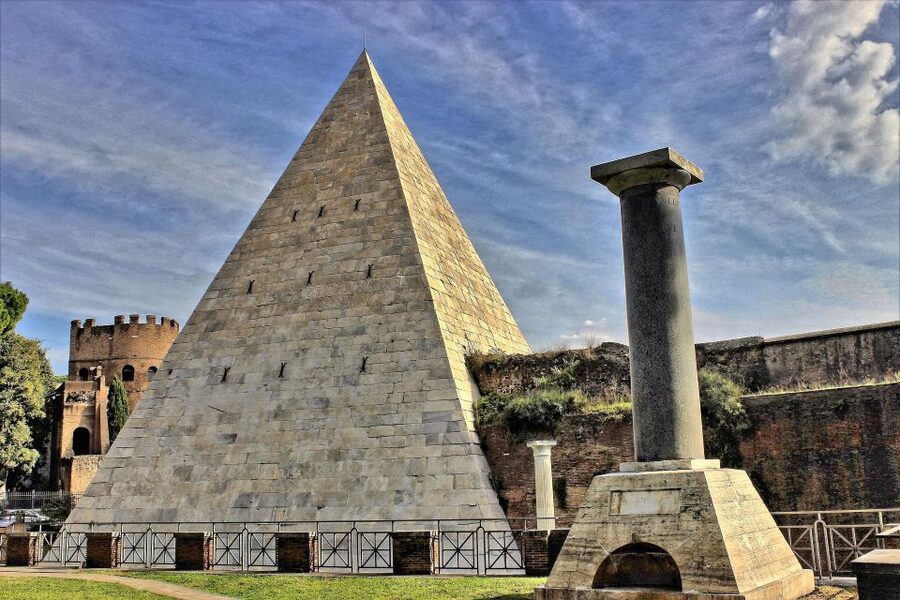
Ostiense gives you a different Rome: street art beside ancient stone, old industrial buildings beside cafés, and a giant gasometer rising behind it all. The tour begins at the Pyramid of Cestius, then follows Via Ostiense into a neighborhood that once fed Rome’s trade and industry.
I like the unusual setting and the small group size. I also like that guide Juan has been singled out for his passion for street art. The main concern is value: at $94 per person, the tour needs a steady pace, strong commentary, and close to the full two hours to feel worthwhile.
Key points to know before booking
- The Pyramid of Cestius sets the scene: Begin beside a 2,000-year-old marble tomb before turning toward modern walls and posters.
- Ostiense has an industrial character: A huge 1930s gasometer and converted factories give the neighborhood a look unlike central Rome.
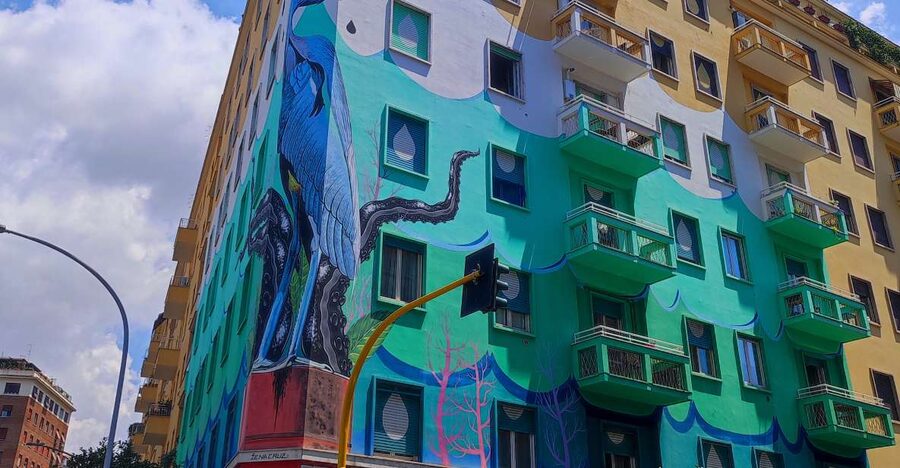
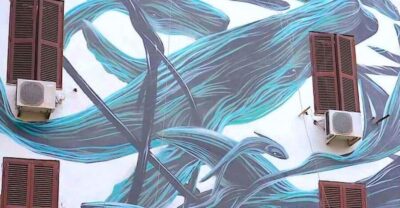
- Street art is the main event: Expect graffiti, stickers, wheatpaste posters, and work by internationally known artists.
- The group is limited to 10 people: That should make it easier to hear the guide and ask questions.
- Juan has earned special praise: His enthusiasm for street art was a highlight for at least one booking.
- The pace matters: Wear comfortable shoes, leave large bags behind, and be ready for a brisk walk.
Why Ostiense makes a good street-art walk
Rome is famous for ancient ruins, Baroque fountains, and grand piazzas. Ostiense gives you a change of rhythm. This former industrial quarter has a rougher, more modern look, with large walls, old factory buildings, stickers, posters, and layers of paint competing for attention.
I like that the art is not separated from everyday Rome. You are not entering a purpose-built gallery or a museum arranged by curators. You are walking along a working neighborhood where old infrastructure and new creative work share the same streets.
The setting also helps explain why street artists chose Ostiense. Factories and industrial buildings from the turn of the 20th century have been converted into apartments, bars, and restaurants. The neighborhood retains traces of its working-class past, while new businesses and public art give it a younger feel.
The tour is especially useful if you have already seen Rome’s standard sights and want a more local-looking district. It is also a good choice if you enjoy photography, urban design, murals, or the way cities reuse old buildings.
More Graffiti Tours in Italy:
- Graffiti art tour in Rome
★ 5.0 · 714 reviews - Medellin: Comuna 13 Graffiti Tour, Cable Car & Street Food
★ 4.8 · 9,046 reviews - Wynwood Graffiti Golf Cart Small-Group Tour
★ 5.0 · 1,646 reviews
Meeting at the Pyramid of Cestius
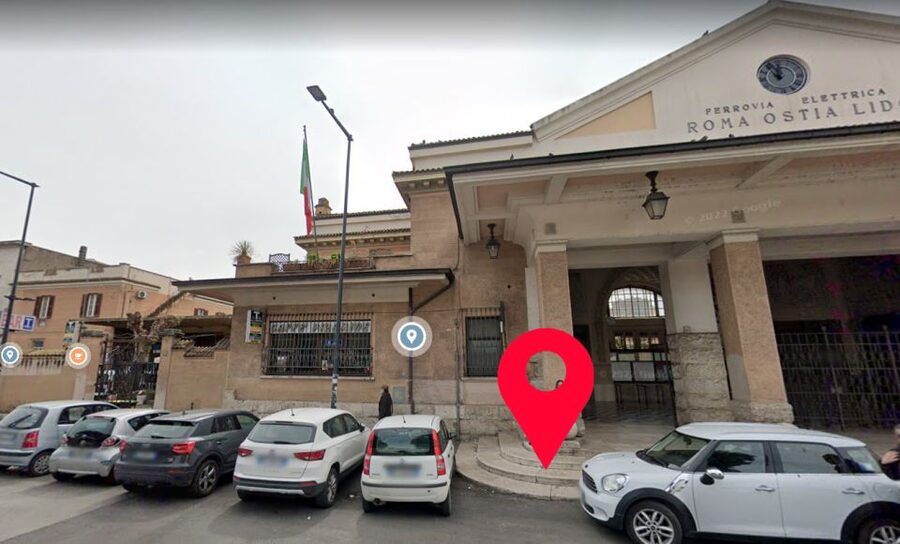
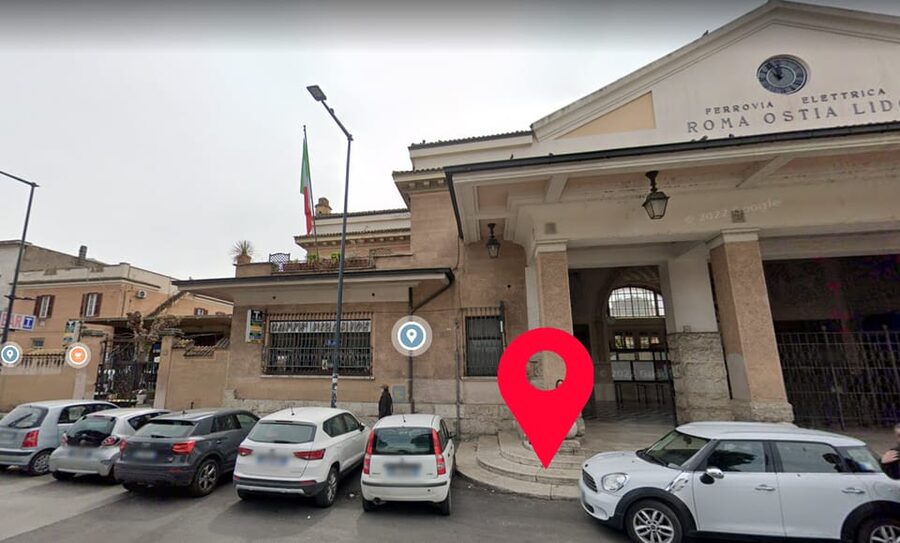
The meeting point is in front of the Roma Ostia Lido Station, near the Piramide metro stop. The supplied directions also describe the starting area as outside Piramide metro, so check the exact meeting photo and location carefully before you set off.
The name Piramide comes from the Pyramid of Cestius, which rises beside the station area. Built by the Roman general Gaius Cestius as his tomb, the 36-meter monument is faced in white marble and shaped like an Egyptian pyramid.
I like this opening because it gives you an immediate visual contrast. You begin with a Roman funerary monument that is more than 2,000 years old, then move toward graffiti and contemporary wall art. Few introductions to modern Rome offer such a sharp shift in time.
Do not treat the pyramid as a minor landmark you simply pass on the way to the art. It explains the character of the area. Ostiense has long been a place of movement, trade, transport, and change. The pyramid, station, ancient road, industrial structures, and street art all belong to that larger story.
The meeting details deserve attention because the station area has more than one name attached to it. Arrive with enough time to locate the guide, and use the supplied photo as your reference. The tour does not include hotel pickup, so you are responsible for getting to the starting point.
Following Via Ostiense toward the old industrial quarter
From Piramide, the walk continues along Via Ostiense. In ancient times, this road led from Rome toward Ostia and the sea, connecting the city with its port.
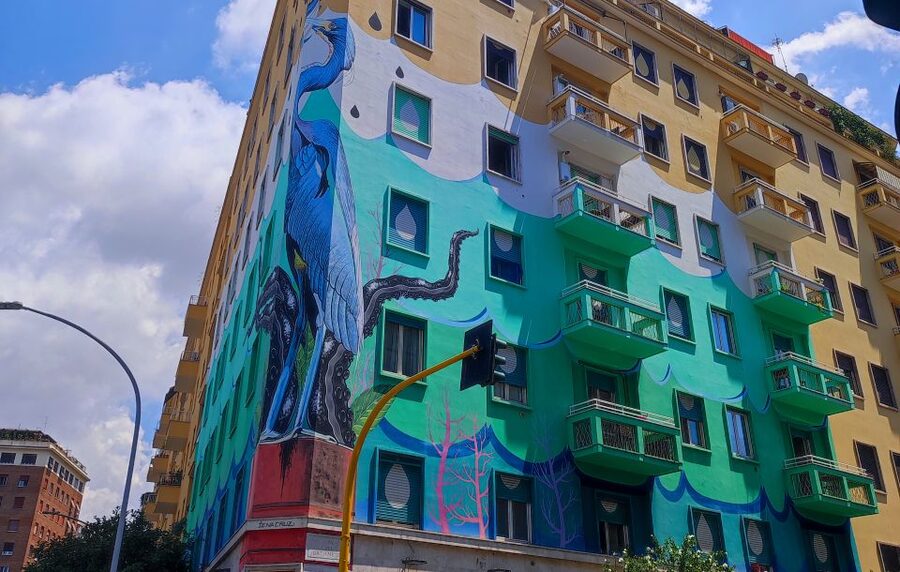
Today, the road gives you a useful introduction to the neighborhood’s visual style. Graffiti, stickers, and wheatpaste posters begin appearing along the route. These smaller pieces matter because they show how street art works at street level. You are not only looking for one famous mural. You are also seeing quick tags, pasted images, layered surfaces, and changing walls.
I find this part of the route valuable because it lets you watch the area shift as you walk. The road links the ancient city with the modern quarter, while the artwork records a more recent layer of local life.
The guide’s role is important here. Good street-art guiding is not just a list of artist names. You need help noticing scale, placement, materials, and the difference between a painted wall and a pasted poster. Juan was praised for his passion, and that kind of energy can make a major difference on a short tour.
There is also a practical issue. One booking described the guide as walking too fast, with too little time to study the art or take photographs. That criticism matters because street art requires time. You may want to stop, frame a picture, compare layers, and hear the explanation before moving on.
If your group moves quickly, politely ask for a moment to take a photo or look more closely. The small group format should make that easier than on a large city tour, though the actual pace can depend on the guide and the day.
Seeing the gasometer and Ostiense’s industrial identity
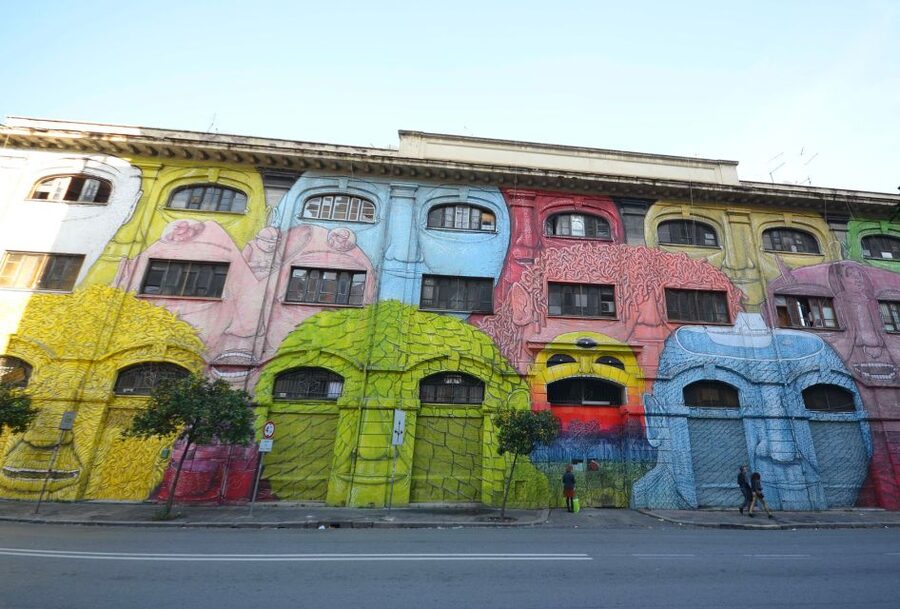
The huge cylindrical gasometer is one of Ostiense’s key landmarks. Dating from the 1930s, it can be seen from around Rome and has become a symbol of the neighborhood’s industrial roots.
It is easy to understand why this structure matters to the tour. Street art often works best when you can read the surroundings around it. In Ostiense, large industrial forms provide a strong backdrop for painted walls, while old factories give the district a scale and texture that central Rome often lacks.
You might find the gasometer more interesting as part of the wider view than as a single stop. It helps you understand that Ostiense was not designed as a polished historic center. It was built around industry and transport, and that practical purpose is still visible.
Factories and other buildings from the turn of the century now hold apartments, bars, and restaurants. This reuse is one of the most appealing parts of the neighborhood. You see a district adapting without erasing every sign of its earlier work.
The tour description does not promise entry into the converted buildings, and food and drinks are not included. Think of this as a street-level look at the quarter rather than a food tour or interior architecture tour.
More Street Art Walking Tours in Italy:
- Naples Spanish Quarters Walking Tour Street Art, Folklore & Sweet
★ 5.0 · 797 reviews - Naples: Street Art, Wine and Food Tasting Walking Tour
★ 5.0 · 163 reviews - London: Street Art and Graffiti Guided Walking Tour
★ 4.9 · 1,354 reviews - Berlin: City Street Art Guided Walking Tour
★ 4.8 · 1,051 reviews
Looking closely at murals, stickers, and pasted posters
The art on this walk comes in several forms. You can expect graffiti, stickers, wheatpaste posters, and larger works connected with internationally known street artists.
That range is important. A neighborhood’s street-art culture is not defined only by its biggest mural. A sticker on a pole, a poster partly covered by another poster, and a painted wall all show different methods and different levels of permanence.
The colors and textures of Ostiense are part of the appeal. Brick, concrete, old industrial surfaces, metal, weathering, and layers of paint give the area a rough visual character. I would bring a camera, but you should also give yourself time to look without photographing every wall.
A guide can add real value by explaining what you are seeing. Without context, you may notice that a wall looks striking but miss why its location, size, technique, or condition matters. With only two hours, the commentary needs to be focused rather than overloaded with facts.
The tour is in English, and groups are limited to 10 participants. If the group grows beyond 10, headsets are provided so you can hear the guide clearly. For a street walk beside roads and city noise, that is a useful detail.
Still, keep your expectations realistic. The experience is not presented as a museum-style survey of Rome’s entire street-art scene. It is a focused walk through Ostiense, built around the area’s mix of modern art, old industry, and ancient connections.
Does the two-hour schedule deliver enough?
The advertised duration is two hours. That is enough time for an introduction to Piramide, a walk along Via Ostiense, and a look at the neighborhood’s industrial and artistic character.
The short format is convenient. You can fit it between other Rome plans without giving up half a day. It also keeps the tour focused on one district rather than rushing across the city.
But the price makes the timing important. One booking reported a duration of about one and a half hours instead of the expected two and a half hours, along with limited information and too little time to view the art. The official duration supplied for this experience is two hours, so you should expect the guide to use that full period.
At $94 per person, this is not a bargain-priced orientation walk. The cost may make sense if you value a small group, a specialist subject, and a guide who can explain the art and neighborhood well. It is harder to justify if the walk is shortened or rushed.
I would judge the value by three things:
- Does the group stay close to the 10-person limit?
- Does the guide give you time to look and take photographs?
- Does the commentary explain the relationship between ancient Rome, industry, and modern street art?
If the answer to all three is yes, the tour can provide a distinctive two-hour view of Rome. If not, you may feel that you paid a premium for a route you could partly walk yourself.
How the small-group format affects the experience
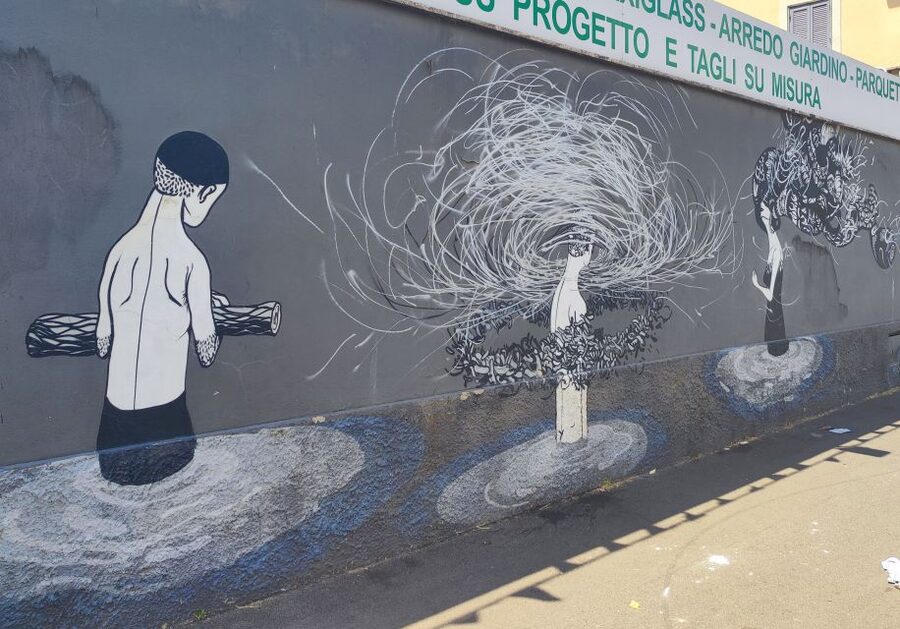
A maximum of 10 people is one of the tour’s stronger features. Street art is visual and often spread along a sidewalk or wall, so a huge group would make it harder to hear, gather around a piece, or ask a question.
A small group can also make the walk feel more flexible. You can point out a detail, ask about an artist, or request a brief pause without shouting across a crowd. The headsets, when needed for groups larger than 10, add another layer of practical support.
The group limit does not guarantee a relaxed pace. A small group can still be led quickly, and one experience was criticized for exactly that. I would arrive ready to speak up if you need a moment for photographs or want more explanation at a particular piece.
The guide’s personality may shape the tour more than the route does. Juan received especially warm praise for his enthusiasm and passion for street art. That suggests the best version of this experience depends heavily on the person leading it.
Who should book this walk?
I would recommend it most to people who have already seen Rome’s major ancient and artistic sights and want a fresh district to explore. It suits you if you enjoy urban art, industrial architecture, photography, and neighborhoods that show several periods of city life at once.
It can also work well for visitors who do not want another standard Rome sightseeing circuit. The Pyramid of Cestius gives you a familiar ancient reference point, but the rest of the walk turns toward a less traditional side of the city.
You may want to skip it if your main goal is a slow, detailed art lesson. The format is short, the route is on foot, and the pace may be brisk. It is also a poor fit if you need step-free access or use a wheelchair, since the experience is listed as unsuitable for people with mobility impairments and wheelchair users.
Wear comfortable shoes. Large bags and luggage are not allowed, and hotel pickup and drop-off are not included. Bring only what you need for a couple of hours on foot.
Price, cancellation, and practical value
The listed price is $94 per person. That is a substantial fee for a two-hour walking tour, so I would book only if the subject genuinely appeals to you.
The strongest case for the price is the combination of a small group, an English-speaking live guide, and a specialized route through Ostiense. You are paying for interpretation and organization, not for transport, food, or admission to a major monument.
The weakest case is that much of the route takes place outdoors in public streets. If you are comfortable exploring neighborhoods on your own and reading about street art independently, the price may feel high.
You can cancel up to 24 hours before the tour for a full refund, and you can reserve now and pay later. Those terms help if your Rome schedule is still shifting, but they do not change the basic value question.
I would compare this walk with your other Rome priorities. If you have limited time and still need to see the Colosseum, Vatican Museums, or Pantheon, this should not replace those first visits. If you have already covered the classics, Ostiense offers a welcome change of scenery.
Should you book the Ostiense street-art tour?
Book it if you want a compact, small-group look at a side of Rome shaped by industry, ancient roads, and modern art. The Pyramid of Cestius, Via Ostiense, the gasometer, converted factories, and layers of graffiti make a memorable combination.
I would book with measured expectations. The experience can be excellent when the guide matches the enthusiasm attributed to Juan and gives you time to study the work. At $94, insist on the full two hours and expect useful commentary, not just a fast walk past painted walls.
If you want the safest value, choose it only when street art is a real interest, not simply because you have one spare afternoon. For the right visitor, Ostiense offers a fresh and authentic-looking Rome. For everyone else, the price may be hard to defend.
FAQ
Where does the tour meet?
The meeting point is in front of the Roma Ostia Lido Station, near the Piramide metro stop. The starting area is also described as outside Piramide metro, so check the supplied meeting photo carefully.
How long does the tour last?
The tour is scheduled to last two hours.
What language is the tour conducted in?
The live tour guide speaks English.
How many people are in the group?
The group is limited to 10 participants.
Are headsets provided?
Headsets are provided if the group is bigger than 10 people so you can hear the guide clearly.
What sights are included on the walk?
The route includes the Pyramid of Cestius, Via Ostiense, the Ostiense neighborhood, modern graffiti and street art, and views of the large gasometer and former industrial buildings.
What should I bring?
Bring comfortable shoes. Large bags and luggage are not allowed.
Is the tour suitable for wheelchair users?
No. The experience is listed as unsuitable for wheelchair users and people with mobility impairments.
Freshly painted around Italy
- Art & Craft: Beer Tour with Street Art in Rome★ 4.5 · 6 reviews
- Torpignattara Photo Tour: melting pot, street art and politics★ 5.0 · 5 reviews
- Naples Murals Catacombs and Folklore Sanità District Tour★ 4.5 · 5 reviews
- Street Art of Spanish Quarters and Maradona Tour★ 3.5 · 3 reviews
- The Spanish Quarters, Street Art and Local Market Tour in Naples★ 5.0 · 23 reviews
- Private Street Art Tour: Exploring Milan’s Hype Neighborhoods★ 5.0 · 2 reviews
- Street Art&Urban Vibes in Milan’s Most Exciting Rising Areas★ 4.4 · 5 reviews
- Spanish Streets – Maradona Street Art & Murals★ 5.0 · 3 reviews
Rome Street Art Tours, compared.
Rome street art tour: off the beaten path with a local guide
Read our review →

Torpignattara Photo Tour: melting pot, street art and politics
Read our review →Browse the lists this tour appears in