
Review · ATHENS
Athens: Guided Street Art Walking Tour
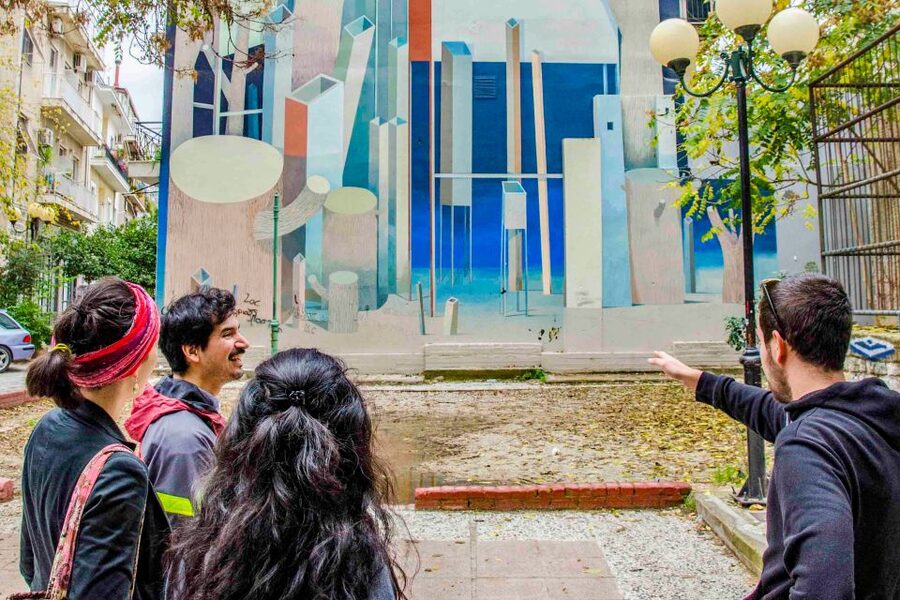
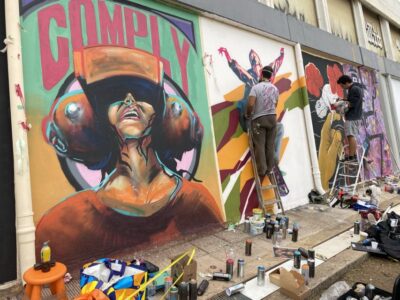
Athens tells its modern story on walls. On this three-hour street art walk, you move through Psyri, Gazi, and Monastiraki with a local artist guide who explains the symbols, styles, and political ideas behind the paint. Guides such as Nikos, also known as Rude, and Pavlina have a close connection to the city’s art scene, so this is more than a stroll past colorful walls.
I like two things especially. First, the tour takes you into neighborhoods you might skip while hurrying between the Acropolis and the ancient Agora. Second, it gives you a way to understand Greece’s recent economic and social struggles through art rather than through a formal lecture. The main consideration is practical: expect plenty of walking on city streets, and this tour is not suitable for wheelchair users or people with mobility impairments.
Key points at a glance

- Read Athens through its walls: Learn how graffiti and murals reflect politics, protest, hardship, identity, and daily life.
- Meet the artists behind the art: Your guide discusses Greek artists such as WD, iNO, and Moralez, along with their different styles.
- See three central neighborhoods: Walk through Psyri, Gazi, and Monastiraki, each with its own feel and collection of street work.
- Get an artist’s viewpoint: Guides including Nikos and Pavlina explain technique and meaning from personal experience.
- A good choice for families with older children: Past groups have included teenagers who enjoyed the visual, informal approach.
- Plan for a walking-focused morning or afternoon: Comfortable shoes matter, and transportation between stops is not included.
Why Athens street art deserves three hours

Athens is famous for ancient stone, marble temples, and museums. Yet the city’s newer voice is often painted across shutters, apartment walls, abandoned buildings, and narrow lanes. This tour helps you look at that work with more care.
Without a guide, it is easy to treat every wall as the same. Athens has plenty of hastily sprayed tags, but it also has large-scale murals, stencils, political images, and carefully planned pieces. The guide explains the difference between them and gives you basic tools for reading what you see.
That distinction matters. Street art can be decorative, but it can also be a reply to a political decision, a comment on poverty, a memorial, or a piece of personal expression. The tour places the work in the setting of modern Athens, including the effects of Greece’s economic crisis and wider social tensions.
I particularly like the way this changes your sightseeing habits. After three hours, you are likely to notice smaller details on your own: a repeated symbol, a familiar signature, or a change in style from one neighborhood to the next. The experience continues after the tour because Athens becomes easier to read.
More Street Art Walking Tours in Athens:
- Athens Street Art Walk
★ 5.0 · 309 reviews - Private Tour: Athens Street Art Walking Tour
★ 5.0 · 23 reviews - Athens: Street Art Walking Tour
★ 4.7 · 23 reviews
Starting near Thiseio and the Archaeologists’ Association
The meeting point is in front of the Association of Greek Archaeologists in Thiseio. This is a useful starting area because you can reach it by the green train line to Thissio, or by taking the blue line to Monastiraki and walking along Adrianou Street.
The location also places you near some of Athens’ best-known archaeological sights, but the tour heads in a different direction. You are not signing up for another standard ancient Athens walk. Instead, the focus shifts toward the contemporary city and the neighborhoods shaped by local life.
The starting area has one practical advantage: it is relatively easy to reach by public transportation. Still, check the exact meeting instructions when booking, since the activity lists three starting options connected with Thiseio. Arrive ready to walk rather than expecting a vehicle transfer.
The guide may begin by explaining what street art means and how it differs from ordinary graffiti. This introduction is useful. It gives you a framework for looking at the walls instead of simply collecting photographs.
Psyri: art, old streets, and modern city life

Psyri is one of the main areas on the route and also the finishing point. Its narrow streets and mix of older buildings, shops, food spots, nightlife venues, and painted surfaces make it a natural place to discuss how Athens keeps changing.
Here, the guide points out selected works rather than trying to show you every piece in sight. That is important because street art is temporary. A wall may be painted over, damaged, or altered, and the city’s collection changes constantly. The value of the tour is not only in seeing a particular mural, but in learning how to understand the work that remains and the work that replaces it.
Your guide may discuss composition, symbols, lettering, and the way a piece fits its building. The artists named for this experience include WD, iNO, and Moralez. Their work gives the walk a useful range, since you can compare different approaches to large-scale urban art.
Psyri is also a good place to hear about everyday Athens. Several guides have included neighborhood advice in their walks, from places to eat to bars and cafés worth considering afterward. One guide even added a coffee stop during the tour. That sort of local knowledge can make the afternoon more useful than a simple art lesson.
One small caution: Psyri is not presented as a polished outdoor gallery. You will see ordinary city streets, worn façades, and urban areas that may feel rougher than the postcard center. That is part of the point, but anyone seeking only tidy, monumental sights may prefer a traditional city tour.
Gazi: an alternative side of central Athens

The itinerary also includes Gazi, an area often associated with nightlife and a younger cultural scene. Here the tour continues its look at contemporary Athens away from the Acropolis viewpoint and formal museums.
Gazi helps show how street art interacts with changing neighborhoods. Large walls can draw attention to an area, while nearby older buildings and newer businesses reveal the city’s constant shift. Your guide connects the art to its surroundings and explains how different communities and periods have left their mark.
The route is not only about attractive murals. Some works carry hard messages linked to unemployment, political frustration, inequality, or resistance. Others may be playful or purely visual. The guide’s job is to help you tell the difference and to explain what can be known about the artist and the work.
This is one of the strongest parts of the experience for anyone who has already seen Athens’ ancient sites. You get a better sense of the city as a place where history is still being made, argued over, and painted onto walls.
The exact order of the neighborhoods can vary, and individual works may change. That is normal for a street art tour. Do not book it expecting a fixed museum collection. Book it for the guide’s interpretation and for the chance to see current work in its real setting.
More guided art walks around Athens:
- London: Street Art and Graffiti Guided Walking Tour
★ 4.9 · 1,354 reviews - Berlin: City Street Art Guided Walking Tour
★ 4.8 · 1,051 reviews - Palermo: Graffiti and Street Art Guided Tour in English
★ 4.8 · 684 reviews - Glasgow: Street Art Guided Walking Tour
★ 4.8 · 385 reviews
Monastiraki: where the route meets the tourist center

Monastiraki is included as one of the main neighborhoods, though the tour finishes in Psyri. It is one of Athens’ most familiar areas, so it provides a useful contrast with the less obvious corners of the route.
You may already know Monastiraki for its market, transport links, restaurants, and views toward the ancient center. The guide shows you another layer, one that can be missed while shopping or walking toward the Acropolis.
This part of the route demonstrates how street art exists beside major tourist attractions. A wall can be only a few minutes from a famous monument yet communicate a completely different version of Athens. The contrast is one of the tour’s most useful lessons: the ancient city is not separate from modern political and social life.
Because the route uses central neighborhoods rather than requiring a long ride outside Athens, you can fit it into a short visit. If you have only two days in the city, this is a practical way to spend an afternoon seeing places you might not otherwise reach.
The guide makes the difference

The guide is the heart of this experience. The activity is led in English or French, and private groups are available. Several guides have led the walk over time, including Nikos, often called Nicos or Rude, and Pavlina. The supplied details also note that the guide is a practicing local street artist.
That background matters. A general sightseeing guide can point out a mural, but an artist can discuss process, style, and the decisions behind a piece with more authority. Nikos, in particular, has explained street art from personal experience and has been praised for making the walk relaxed, friendly, and easy to follow.
The best guides do not force one interpretation on you. They explain the possible message, give cultural and political context, and leave room for questions. Several past descriptions of the experience highlight the chance to discuss the meaning of each piece rather than simply listen to a prepared speech.
The tone is informal. You are encouraged to ask questions and share reactions. That makes the tour a good fit for people who dislike rigid commentary or long historical lectures. It can feel closer to walking around a city with an artist who knows the area than joining a large sightseeing procession.
Guide assignments can change, so you should not book on the assumption that one particular person will lead your date. Still, the artist-led format is a central part of the experience, whoever your guide turns out to be.
What the three hours feel like
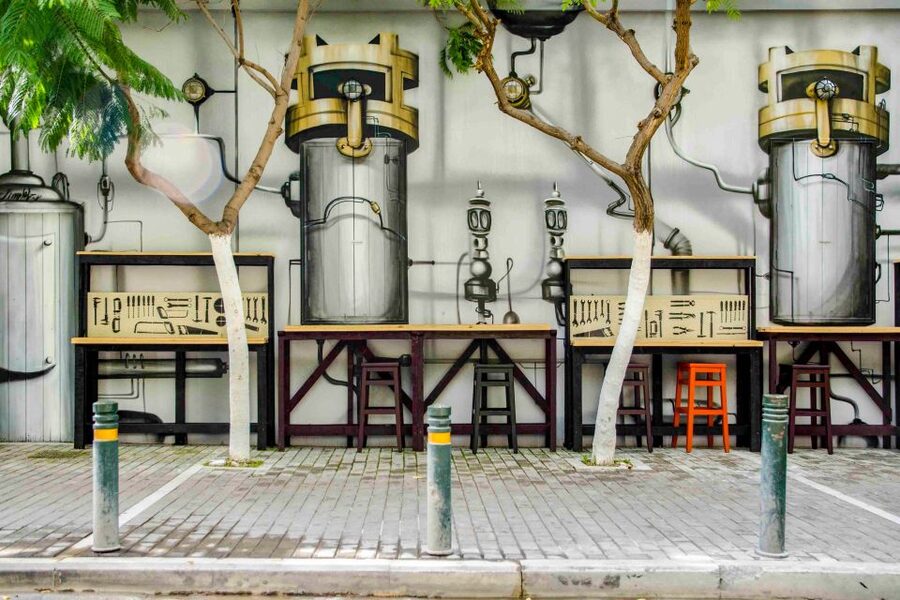
Three hours is enough time to visit several areas without turning the walk into a rushed checklist. You stop to examine works, hear the background, ask questions, and take photographs. The pace has been described as comfortable, including for groups with teenagers.
You should wear comfortable shoes. The tour is entirely on foot, and transportation is not included. The route may include uneven pavement, narrow streets, and ordinary urban walking conditions. It is not suitable for wheelchair users or people with mobility impairments.
Bring water, especially in warm weather, although the supplied information only specifically requires comfortable footwear. The exact start time depends on availability. A morning departure can help you avoid the strongest heat, while an afternoon walk may fit well after a museum visit.
The experience is available as a private group, which can be useful if your party wants a slower pace or has children with different interests. Smaller groups also make it easier to discuss a particular artist or ask about political themes.
The value of $57
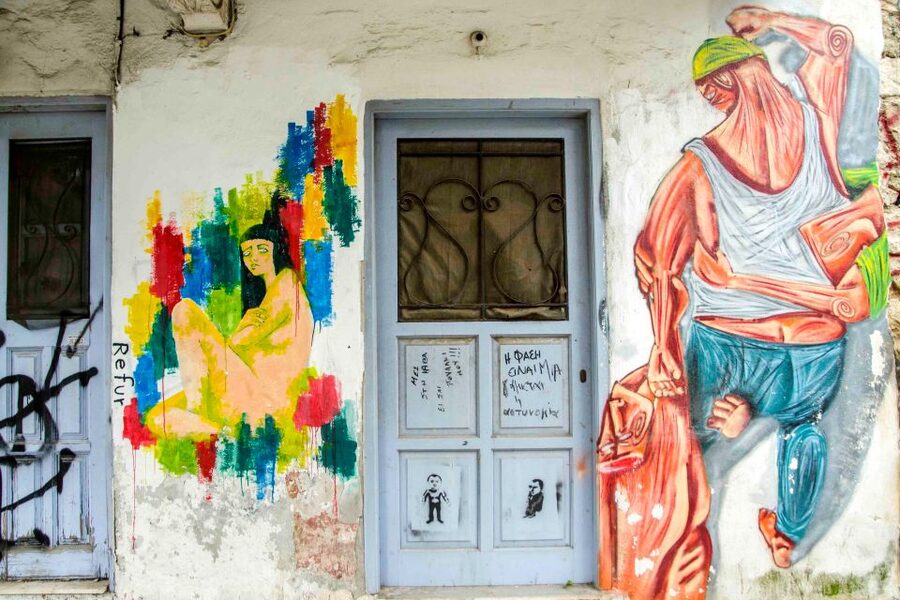
At $57 per person, this is not the cheapest way to spend three hours in Athens. You can see street art independently for free, especially around central neighborhoods. The question is what you want from the walk.
If you only want photographs of large murals, the price may feel high. A map or self-guided wandering can give you plenty of visual material. But the paid experience adds access to interpretation, neighborhood context, artist background, and local recommendations. You are paying for the guide’s eye and for the time saved finding worthwhile work.
The value is strongest if you already plan to visit the Acropolis, the Ancient Agora, and the National Archaeological Museum. Those places explain earlier Athens. This tour helps you understand the city’s present concerns and creative culture.
It is also good value for families with older children and teenagers who may have limited patience for another column, statue, or museum label. The art offers an immediate visual hook, while the social and political discussion adds substance.
Flexible booking helps reduce the risk. You can cancel up to 24 hours before the activity for a full refund, and you can reserve now and pay later. Check current availability and pricing before booking, since those details can change.
Who should book this Athens walk
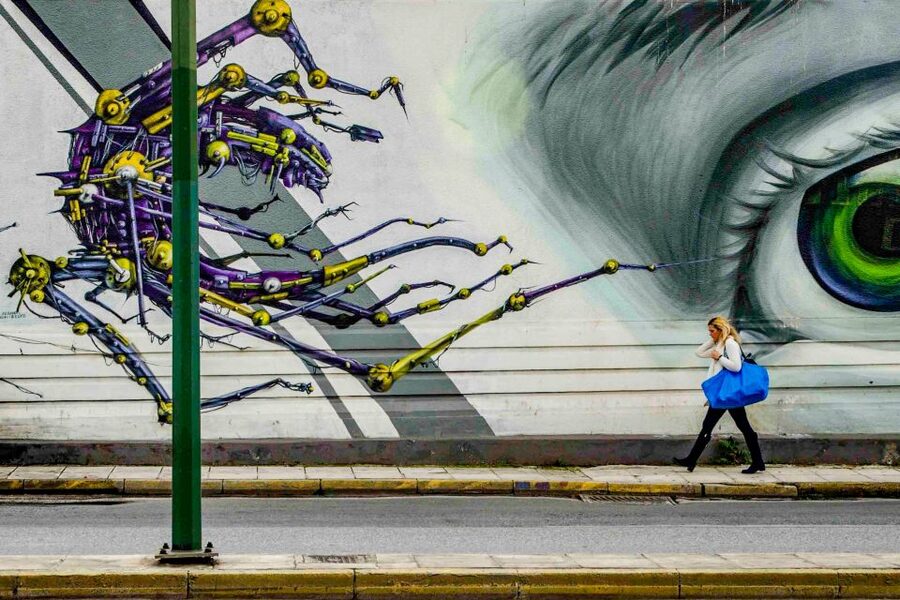
I would choose this tour if you like contemporary art, city politics, architecture, photography, or local neighborhoods. You do not need an art background. The guide starts with basic ideas and builds from there.
It is also a strong choice for repeat visitors who have already covered the major ancient sights. First-time visitors can benefit too, especially if they want to balance the classical Athens experience with something current and local.
Families with children around the early teen years and older are likely to get more from it than families with very young children. The walk is visual and conversational, but three hours on foot may be tiring for small children.
You may want to skip it if you have difficulty walking, want a tightly scheduled museum-style presentation, or have no interest in graffiti and urban culture. The route takes you through everyday neighborhoods, not a carefully controlled exhibition space.
Final verdict: book it for context, not just color
Book the Athens Guided Street Art Walking Tour if you want to understand what modern Athens is saying about itself. The strongest parts are the artist-led explanations, the visits to Psyri, Gazi, and Monastiraki, and the connection between wall art and Greece’s recent social and economic pressures.
For the best fit, schedule it early in your Athens stay. You will gain neighborhood tips, restaurant and café ideas, and a new habit of looking up from the pavement. At $57, the tour earns its price through interpretation rather than transportation or admission tickets. If that sounds worthwhile, it is one of the more distinctive ways to add a contemporary voice to your Athens visit.
FAQ
How long does the Athens street art tour last?
The walking tour lasts three hours.
Where does the tour meet?
The meeting point is in front of the Association of Greek Archaeologists in Thiseio. You can reach it by taking the green line to Thissio, or the blue line to Monastiraki and walking along Adrianou Street.
Which Athens neighborhoods are included?
The route includes Psyri, Gazi, and Monastiraki. The tour finishes in Psyri.
What languages are available?
The live guide is available in English or French.
Is transportation included?
No. This is a walking tour, and transportation is not included.
Is the tour suitable for wheelchair users?
No. The activity is not suitable for wheelchair users or people with mobility impairments. Comfortable shoes are recommended.
Freshly painted around Athens
- Private Tour: Athens Street Art Walking Tour★ 5.0 · 23 reviews
- Athens Street Art Bike Tour★ 5.0 · 20 reviews
- Street Art Tour & Graffiti Painting Workshop in Athens★ 5.0 · 6 reviews
- Athens Street Art – Private Walking Tour★ 5.0 · 9 reviews
- Explore Athens Street Art & Street Food Extravaganza★ 5.0 · 18 reviews
- Athens Food and Wine Walk from Street Art to Greek Dinner★ 5.0 · 11 reviews
- Athens: Greek Life and Street Art Electric Bicycle Tour★ 4.7 · 16 reviews
- Athens: Graffiti Workshop and Tote Bag Painting Experience★ 5.0 · 9 reviews
Athens Street Art Tours, compared.


Awesome Street Art Tour in Athens with a Local Expert Small-Group
Read our review →


Explore Athens Street Art & Street Food Extravaganza
Read our review →
Athens: Greek Life and Street Art Electric Bicycle Tour
Read our review →
Athens Food and Wine Walk from Street Art to Greek Dinner
Read our review →Browse the lists this tour appears in