
Review · SPAIN
Granada: “Street Art & The Caves” Unique Guided Walking Tour
Granada’s most unusual sights are not all behind ticket gates. This walk connects street art in Realejo, old cave homes in Sacromonte, and Alhambra views from Albaicín, giving you a feel for how the city’s neighborhoods fit together. I especially like the cave-house visit and the attention to local art, including the work of El Niño de las Pinturas.
I also like the small group, which is limited to eight, and Michael’s practical recommendations for tapas, restaurants, shopping, and local artists. The catch is simple: this is a serious 8-kilometer walk with uphill and downhill stretches, so comfortable shoes and reasonable fitness matter.
Key points to know before you book
- Three old districts in one walk: Realejo, Sacromonte, and Albaicín each bring a different side of Granada.
- A real cave-house visit: You enter one of Sacromonte’s oldest cave homes rather than viewing the neighborhood only from outside.
- Street art with local context: Murals by El Niño de las Pinturas and other artists become part of the city story.
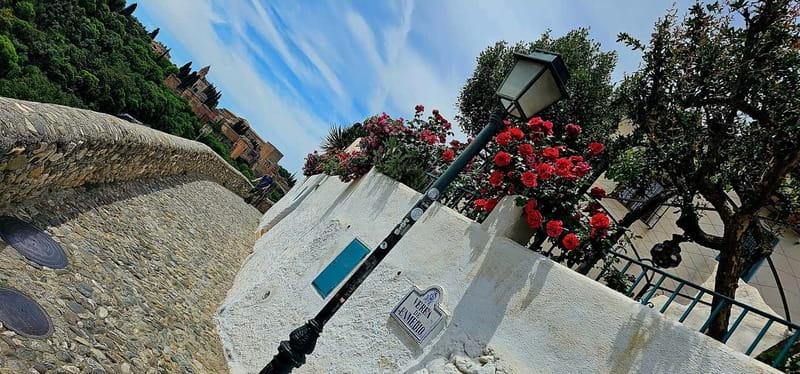
- Excellent photo stops: Carmen de los Mártires, mountain views, narrow Albaicín lanes, and Alhambra viewpoints fill the route.
- Small-group attention: The group limit is eight, allowing Michael to adjust the pace and answer questions.
- Plan for hills: The walk takes about three hours, covers roughly 8 kilometers, and is not suitable for wheelchair users or people with recent surgery.
Why this Granada walk feels different
Many first visits to Granada focus on the Alhambra, the cathedral, and a quick wander through Albaicín. Those are worthwhile, but Granada is more than grand monuments. Its character also lives in painted walls, cave homes, small squares, gardens, neighborhood bars, and the hills above the city.
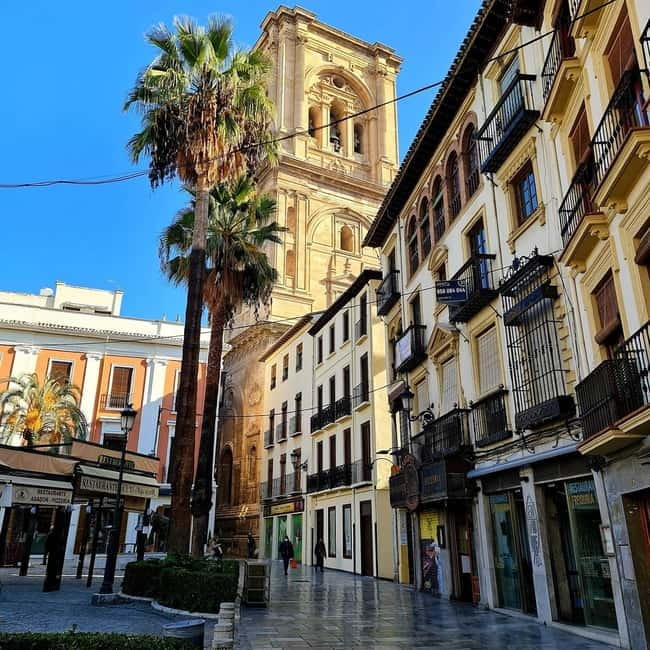
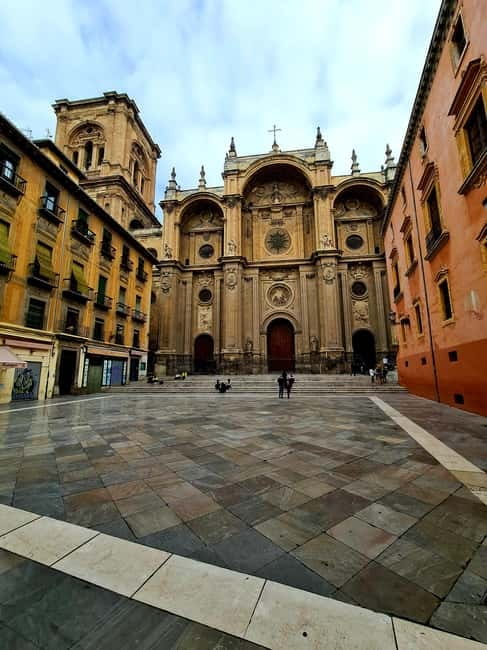
This tour links those pieces in one route. You begin at the steps of Granada Cathedral in Plaza de las Pasiegas, then move through the old Jewish quarter, climb toward Sacromonte, and finish through Albaicín before returning to the cathedral.
That route gives you useful context. You are not simply checking off three neighborhoods. You are seeing how Jewish, Christian, Romani, artistic, and local everyday cultures have shaped Granada over time.
The tour is led in English by Michael, whose approach is personal rather than formal. He explains the stories behind murals, points out places you could easily miss, and offers suggestions based on what you want to eat, buy, or see next. If you ask for local art, seafood, tapas, or less-visited sights, the small group makes those conversations possible.
More Street Art Walking Tours in Spain
- Barcelona: Raval Street Art and Graffiti Walking Tour
★ 4.9 · 60 reviews - Bilbao: Art District Walking Tour
★ 4.8 · 27 reviews - Street Art, Sculptures & Crime Stories Walking Tour – Barcelona
★ 5.0 · 11 reviews
Realejo: murals in Granada’s old Jewish quarter
The first neighborhood is Realejo, described as Granada’s old Jewish district. This is where the tour turns away from the usual monument-focused visit and begins with modern art.
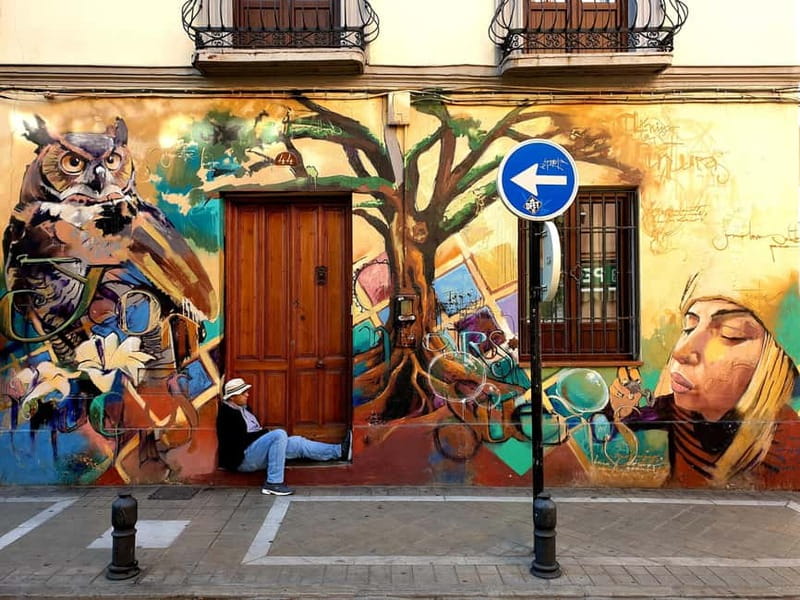
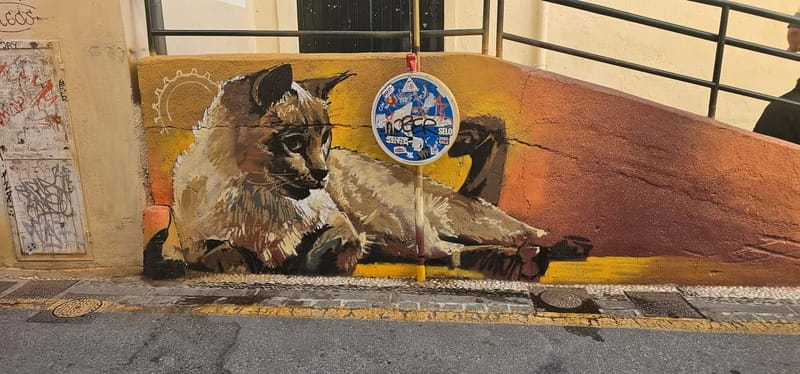
The focus is the street art of El Niño de las Pinturas, one of Spain’s best-known graffiti artists. His work appears around the neighborhood, and Michael explains the artist’s background and the stories or ideas behind the paintings. You may also see work by artists from elsewhere in Spain and Europe.
That context matters. Street art can pass quickly if you only stop for a photograph. With a guide, the walls become part of the city’s current creative life, not just colorful decoration.
One particularly useful stop is connected with El Niño de las Pinturas’ shop, where you may find locally made souvenirs. This is a better choice than buying a generic Granada memento if you want something tied to the city’s present-day art scene.
Realejo is also a good place to ask Michael for food suggestions. He gives recommendations for tapas and restaurants, and one seafood recommendation has been singled out for its paella. You will not stop for lunch during the walk, so save those suggestions for later.
Carmen de los Mártires: gardens above the city
From Realejo, the route reaches Carmen de los Mártires. A carmen is a traditional Granada house associated with gardens and outdoor living, and this stop shows you a calmer side of the city.
The grounds are filled with flowers, birds, and viewpoints. After the art-covered streets, the gardens offer a change of pace. You can pause for photographs and take in views toward the hills and surrounding parts of Granada.
I like this stop because it gives the tour some breathing room. Three historic neighborhoods and an 8-kilometer route could feel like a march if every minute were spent on streets. Carmen de los Mártires adds a quiet garden setting and helps you understand the local house-and-garden style.
It is also one of the places where the tour’s photo promise makes sense. You have garden details close at hand, along with wider views across Granada. Bring a phone or camera, but keep your attention on the guide too. The value here is the combination of setting and explanation.
Sacromonte: caves, Flamenco, and hillside life
Sacromonte is the most distinctive part of the route. The neighborhood is associated with Granada’s Romani community, known locally as Gitanos, and with Flamenco culture. Homes were dug into the mountainside, creating the cave houses for which the district is famous.
The tour takes you inside one of the oldest cave homes in the area. That is a major reason to choose this walk. From a street, a cave house can look like an unusual doorway in a pale hillside. Inside, you get a clearer sense of how these homes functioned and why this form of housing became part of Sacromonte’s identity.
This is not a Flamenco performance, and you should not book it expecting one. Instead, the stop gives you background on the neighborhood and the people who shaped its culture. The cave visit adds a physical connection to that story.
The climb to Sacromonte is part of the experience and part of the work. The route includes uphill sections, so the views improve as your legs do more of the job. You will have drink and toilet breaks, and water refills are available at fountains along the way, but you should still bring a reusable bottle.
Sacromonte can be hot in summer and tiring at any time if you are not used to hills. The route is not suited to people with mobility impairments, wheelchair users, or anyone recovering from recent surgery. One person using a mobility scooter managed the walk with considerable effort and guide support, but the official guidance remains clear: this is a demanding walking tour.
Same walls, a different way in:
- Barcelona Street Art and Graffitti Bicycle Tour
★ 5.0 · 361 reviews - Madrid: Street Art Tour with Local Graffiti Hunter
★ 4.8 · 270 reviews - Street Art Guided Tour in Madrid
★ 5.0 · 175 reviews - Barcelona Street Art Tour with Exclusive Artist Studios Visit
★ 5.0 · 152 reviews
Albaicín: narrow lanes and Alhambra views

Albaicín is Granada’s oldest district and part of the city’s UNESCO World Heritage designation. Its narrow streets, small squares, shops, tapas bars, and whitewashed buildings create a very different mood from Realejo’s murals and Sacromonte’s caves.
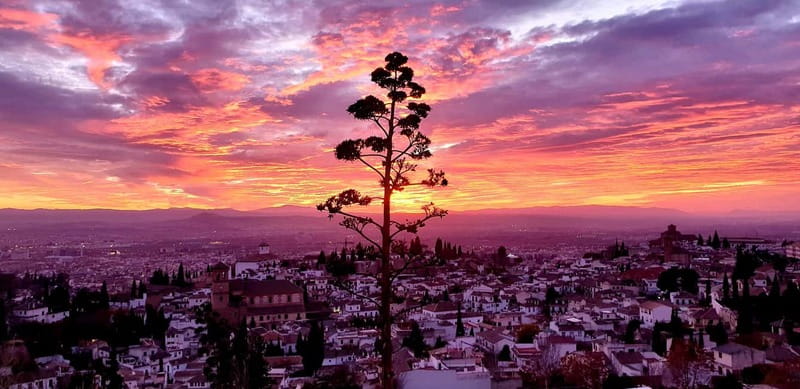
This is the section where you get the classic Granada views. From the miradores, the Alhambra appears across the valley, often looking close enough to touch. You will have time for photographs, but the guide also helps you understand the neighborhood rather than treating it as a photo stop alone.
The hills and winding streets are part of Albaicín’s charm, but they can make navigation difficult. This is one place where walking with someone who knows the area has real value. Michael points out places you might otherwise pass, including shops and food stops that fit your interests.
The shopping suggestions are useful if you want products made by local artists. The route also gives you a chance to ask about restaurants and tapas bars for later in the day.
Because Albaicín is visited by many people, do not expect every street to feel quiet or unknown. The tour’s appeal is not that it removes the neighborhood from the tourist map. It is that it connects the views and architecture with local stories and practical advice.
What the route tells you about Granada
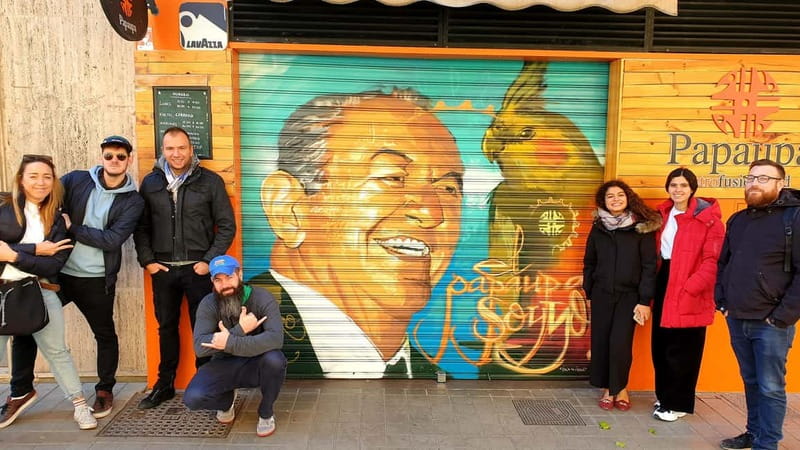
The clever part of this walk is the contrast between the districts. Realejo shows Granada’s present-day art scene. Sacromonte introduces cave homes and Flamenco culture. Albaicín brings old streets, hilltop views, and the city’s Islamic-era character.
Carmen de los Mártires adds another layer, showing the garden house tradition and giving you a peaceful place to stop. Together, the route presents Granada as a city of overlapping communities and styles rather than one large monument with a few side streets.
Michael also adds details about museums and places connected with the Alhambra that can be visited without a full Alhambra ticket. That advice can be helpful if you missed the main palace reservation. It does not replace seeing the Alhambra itself, but it may help you make better use of your time.
I would take this tour early in your Granada stay. The suggestions about food, shopping, museums, and neighborhoods are more useful when you still have time to act on them. Taking it on your final day means you may learn about places you no longer have time to visit.
Three hours, eight kilometers, and a small group
The advertised duration is three hours, with breaks for drinks and toilets. In practice, the pace can vary. The route may run longer if the group asks questions or stops for extra photographs, so avoid booking a tight appointment immediately afterward.
The walk covers around 8 kilometers. That distance is spread across three neighborhoods, but the hills make it feel more demanding than a flat city walk. Wear walking shoes with good grip. Sandals, dress shoes, and thin soles are poor choices for the slopes and uneven streets.
Unlimited water is included, and there are refill points along the way. Still, bring a reusable bottle. You may also want a small snack because there is no lunch stop.
The group limit of eight is one of the tour’s strongest practical features. A large group would make the narrow streets harder and would reduce the chance to ask about a particular mural, restaurant, or shop. With a small group, Michael can respond to individual interests and sometimes make minor adjustments to the route.
The starting and finishing point is the same: the steps of Granada Cathedral at the main entrance in Plaza de las Pasiegas. That makes the tour easy to combine with a cathedral visit before or after the walk.
Is $35 a fair price?
At $35 per person, this is good value if you want more than a standard orientation walk. The price includes a professional English-speaking guide, unlimited water, and entry to the cave house. You are paying for a route that combines three districts, a garden, street art, local recommendations, and a cave interior.
The value is strongest for first-time visitors who want help making sense of Granada. You get background, photographs, and practical tips in one outing. The small group also gives the experience a more personal feel than a large city walk.
It is less useful if you only want major monuments or if you already have a carefully planned itinerary centered on the Alhambra. This tour does not include Alhambra entry, a meal, or a Flamenco show.
The price also assumes you can handle a long, hilly walk. If you will spend much of the route worrying about your knees, balance, or stamina, the experience may not feel like a bargain. Choose it for the neighborhoods and local stories, not as a gentle stroll.
Who should book this walk?
I would choose this tour if you like street art, local culture, historic neighborhoods, and views more than a checklist of famous interiors. It suits visitors who want to understand how Granada feels beyond its headline attractions.
It is particularly good for:
- First-time visitors who want orientation early in their stay
- Repeat visitors looking for parts of Granada they missed
- People interested in street art and local artists
- Anyone curious about Sacromonte’s cave homes
- Photographers looking for gardens, murals, mountain views, and the Alhambra
- Small groups who value conversation and personal recommendations
I would think twice if you dislike hills, need step-free access, have recently had surgery, or want a relaxed route with frequent sitting stops. The walk is active, and its best sights require moving through the city rather than simply viewing it from one place.
Should you book it?
Book this tour if you want Granada explained through its neighborhoods, not just its monuments. The combination of El Niño de las Pinturas’ street art, Carmen de los Mártires, a Sacromonte cave house, and Albaicín’s Alhambra viewpoints is unusual for the price.
My practical advice is to schedule it near the start of your visit, wear proper walking shoes, bring water and a snack, and leave room in your day afterward. You will likely come away with restaurant ideas, shopping leads, and a better sense of where to spend your remaining time.
Skip it if you need an accessible route or a gentle sightseeing experience. For an active visitor who wants local stories, strong views, and a different side of Granada, this is a smart three-hour choice.
FAQ
Where does the tour start and finish?
The tour starts and ends at Plaza de las Pasiegas, on the steps of Granada Cathedral at the main entrance.
How long does the tour last?
The stated duration is three hours, including breaks for drinks and toilet stops.
How far do you walk?
The route covers around 8 kilometers through Realejo, Sacromonte, and Albaicín, with uphill and downhill sections.
Is the tour conducted in English?
Yes. The tour has a live English-speaking guide.
What is included in the price?
The price includes a professional guide, unlimited water, and the entrance ticket for the cave house.
Does the tour enter a cave home?
Yes. You enter one of the oldest cave houses in Sacromonte and learn about its history.
Is the tour suitable for wheelchair users?
No. The experience is not suitable for wheelchair users, people with mobility impairments, or people with recent surgeries.
What should I bring?
Bring comfortable walking shoes and a reusable water bottle. A snack is also sensible because the tour does not include a lunch stop.
Freshly painted around Spain
- Small-Group Graffiti Tour and Workshop in El Carmen★ 5.0 · 2 reviews
- Bilbao Urban and Street Art Walking Tour★ 5.0 · 2 reviews
- Barcelona Street Art, Graffiti and Tapas Tour★ 4.0 · 5 reviews
- Salamanca: Private Guided Street Art Walking Tour★ 5.0 · 2 reviews
- Private Barcelona Street Art Tour★ 5.0 · 2 reviews
- Barcelona | StreetArt Bike Tour Moco Museum★ 4.6 · 13 reviews
- Málaga: Street Art Tour in the Soho District★ 5.0 · 4 reviews
- Madrid: Private Grafitis/Street Art Segway Tour 2h★ 4.5 · 2 reviews
Spain Street Art Tours, compared.
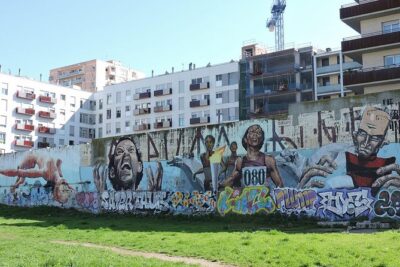
Barcelona Street Art and Graffitti Bicycle Tour
Read our review →
Madrid: Street Art Tour with Local Graffiti Hunter
Read our review →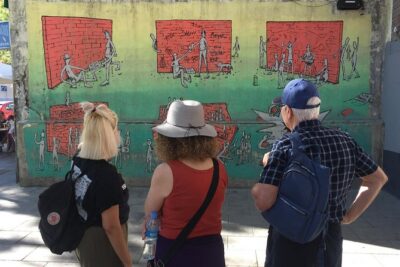

Barcelona Street Art Tour with Exclusive Artist Studios Visit
Read our review →
Raval Street Art and Graffiti Guided Tour in Barcelona
Read our review →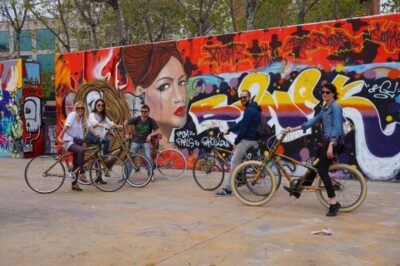
Barcelona: 3.5-Hour Street Art Tour by Bamboo Bike
Read our review →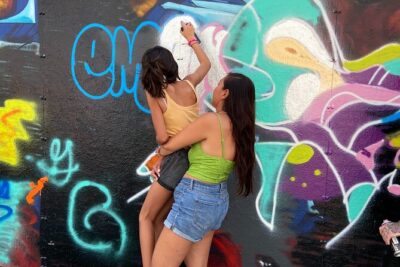
Private Barcelona Street Art Workshop with a Street Artist
Read our review →
Valencia: Street Art Tour on Bicycle, E-Bike or E-Step
Read our review →Browse the lists this tour appears in