
Review · VALPARAISO REGION, CHILE
Valparaiso: Street Art, Funiculars and Port City Tour
Valparaiso’s best stories are painted on its walls and reached by old hillside lifts. This two-hour walking tour links the port with Cerro Alegre and Cerro Concepción, using funiculars, narrow passages, viewpoints, and street art to explain how this unusual Chilean city works.
I like the old photographs that let you compare Valparaiso then and now, and I like the guide’s local connections with artists, shopkeepers, and neighborhood residents. The alfajor tasting adds a small but worthwhile local touch. The main drawback is the pace: steep streets, stairs, and uneven surfaces make this a poor choice for anyone with mobility limits, pregnancy, or altitude sickness.
Key points to know before booking
- A port-to-hills route: Begin at Muelle Prat and finish near Ascensor Reina Victoria, with the city unfolding as you climb.
- Two historic funiculars: El Peral and Concepción add practical transport and a look at Valparaiso’s hillside character.
- Street art with context: Pasaje Gálvez and other passages are explained through the artists, local culture, and social ideas behind the work.
- Strong local guiding: Alex, Benjamin, Grex, Maria, and Cristóbal have led different departures, with Alex especially noted for old-photo comparisons and artist connections.
- A useful first orientation: The guide explains safe ways to move around and suggests places for lunch or dinner at the end.
- Good value at $41: Tickets for the funiculars and a local alfajor are included, but extra food, drinks, and shopping are not.
From Muelle Prat to Valparaiso’s old port

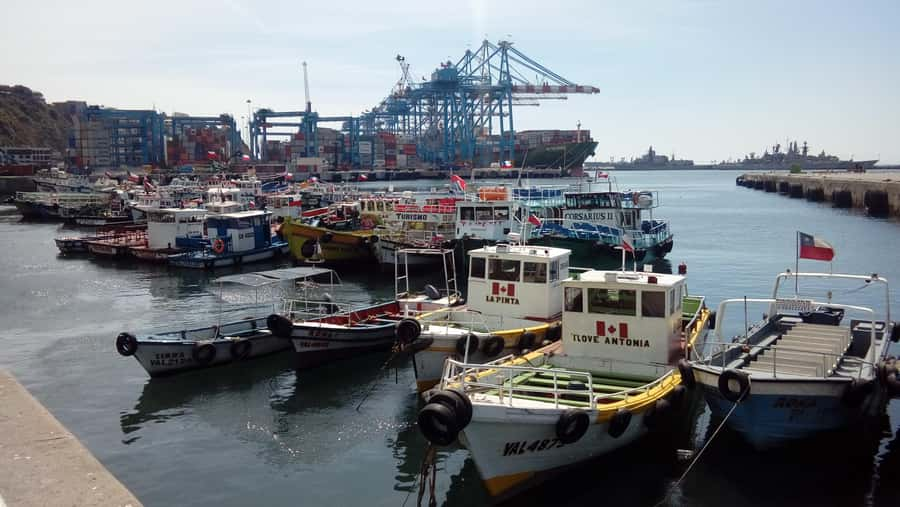
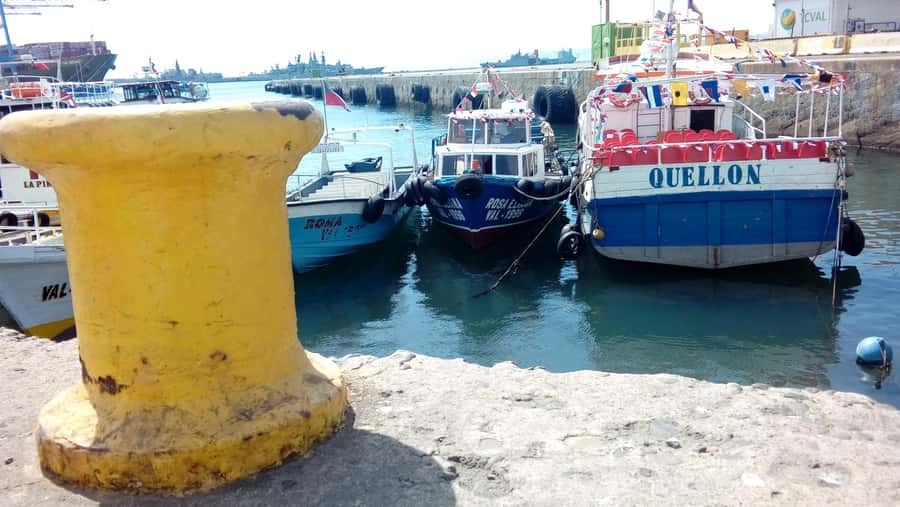
Meet your guide around the two cannons at Muelle Prat, close to the Tourist Information Office. This is a sensible starting point because the port gives you an immediate look at Valparaiso’s working identity, with the bay below and the hills rising behind the city.
The first walk includes a comparison of old photographs with present-day views. This is more useful than a simple date-filled introduction. You can see how streets, buildings, and neighborhoods have changed, and you get a clearer sense of why Valparaiso feels both historic and worn.
The port portion is short, about 10 minutes, so do not expect a full port-industrial tour. Its purpose is to set the scene before you move toward the city center and the hills.
More Street Art Tours around the world:
- Medellin: Comuna 13 Graffiti Tour, Cable Car & Street Food
★ 4.8 · 9,046 reviews - CDMX: Xochimilco, Coyoacan, Frida Kahlo Museum & Murals Tour
★ 4.4 · 3,025 reviews - Amsterdam: Streetart Museum STRAAT Entrance Ticket
★ 4.8 · 2,137 reviews
Plaza Sotomayor and the city’s public face
At Plaza Sotomayor, the guide spends about 20 minutes explaining the square and its monument. You will also see the Valparaiso fire department building and the Chilean Navy Headquarters.
This is one of the tour’s useful history stops because several parts of Chilean public life meet here: maritime trade, the navy, civic memory, and emergency services. The nearby fire station gives the square a local character that is easy to miss if you simply pass through with a camera.
The route also touches part of the financial street before heading toward the funicular. That transition matters. Valparaiso is not only colorful walls and photogenic stairways. It is also a working city with offices, shops, government buildings, and a busy port below.
Riding El Peral up to Cerro Alegre
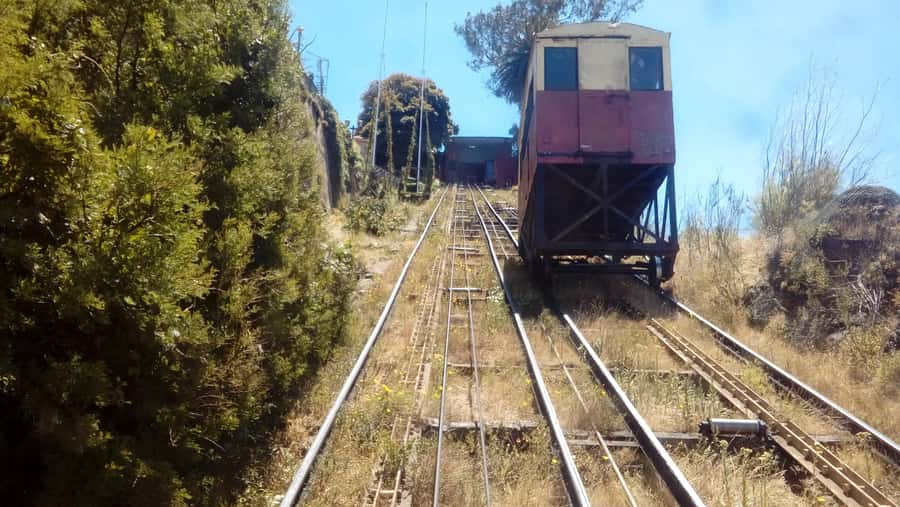
The El Peral funicular carries you toward the hills and Paseo Yugoslavo. Built in the early twentieth century, it is both transport and an attraction. The ride is short, but it saves you from making the full climb on foot and gives you a quick look at the steep relationship between the lower city and the hills.
Tickets for the funiculars are included in the $41 price. That improves the value, especially since the route also includes another funicular stop later. Exact operating conditions can vary, so it is sensible to check the start time and current availability when booking.
At Paseo Yugoslavo, the city opens out in a way that narrow streets cannot provide. You can look across the hills and toward the bay, with colorful houses stacked around the slopes. The guide uses Cerro Alegre and Cerro Concepción to explain how different communities shaped the city.
The route passes through Pasaje Bavestrello, where the guide discusses Italian heritage and older patterns of community life. This is one of the better examples of the tour’s approach: architecture is not treated as decoration alone. The passages and houses are connected to the people who lived and worked there.
Pasaje Gálvez and the meaning behind the murals
The longest scheduled stop is Pasaje Gálvez, with about 30 minutes devoted to street art. That timing is important. You are not simply rushed past a series of colorful walls for photographs.
The guide explains the styles, subjects, and ideas behind the murals. You may also visit workshops or galleries, and the tour is designed around contact with local artists when available. Several guides are described as having personal connections with artists and shopkeepers, which can make the art feel less like a display and more like part of daily neighborhood life.
I particularly like this part for visitors who might otherwise see Valparaiso’s murals as one large blur of color. The explanations help you notice how different artists use walls, stairs, doors, and public spaces. They also connect the artwork to Chilean culture and social commentary.
The route includes a colorful staircase associated with Calle 13’s song Latinoamérica. You will also pass shops selling crafts, jewelry, magnets, art, and souvenirs. These stops are optional opportunities to browse, not included purchases, so bring only the spending money you intend to use.
Paseo Gervasoni adds another viewpoint and photo stop. The nearby Ascensor Concepción is part of the historic funicular network, and the tour includes funicular entry tickets. Some departures have included rides on more than one lift, but the exact flow can depend on operations and the group’s timing.
Same walls, a different way in:
- Belfast: Murals Taxi Tour
★ 4.9 · 2,047 reviews - Wynwood Graffiti Golf Cart Small-Group Tour
★ 5.0 · 1,646 reviews - London: Street Art and Graffiti Guided Walking Tour
★ 4.9 · 1,354 reviews - Lisbon: Street Art Tour
★ 4.9 · 1,324 reviews
British and German traces on Paseo Atkinson
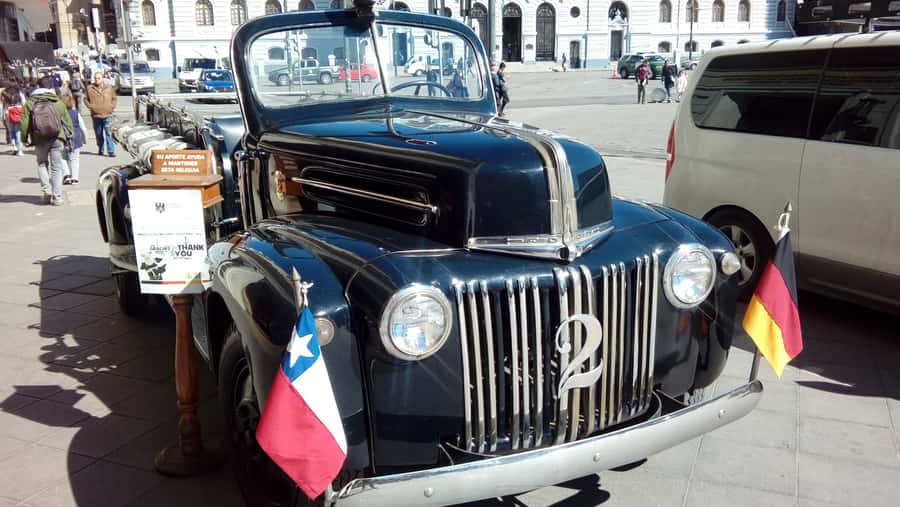
Paseo Atkinson gives the tour a different architectural mood. The promenade is linked with British heritage and includes older houses and gardens. This contrast helps you see that Valparaiso’s identity was formed by several immigrant communities, not by one single architectural style.
You will pass the Deutsche Schule of Valparaíso, a reminder of the city’s German connections. The guide also points out the Pastor Theodor Schmidt passage and the Lutheran Church of the Holy Cross, built in 1897.
The church stop is brief, about five minutes, as is the visit to the Anglican church. These are not long interior visits or formal religious tours. Their value is in showing how immigrant communities built places where they could worship and stay connected on the hills.
The Hotel Manoir Atkinson is used to explain wall-building techniques designed to handle Valparaiso’s environmental conditions. This is a small detail, but it gives you a practical reason to look closely at the buildings rather than treating them as colorful scenery.
Brighton Restaurant is another notable point along the route, with a terrace and views over the city. The tour does not include a meal there, and food and drinks are extra. Still, the guide can point out places worth considering later, including seafood options.
The Piano Staircase and Cerro Alegre’s views
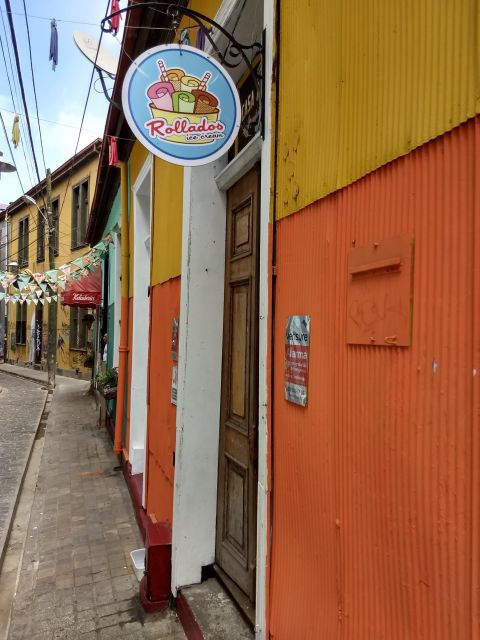
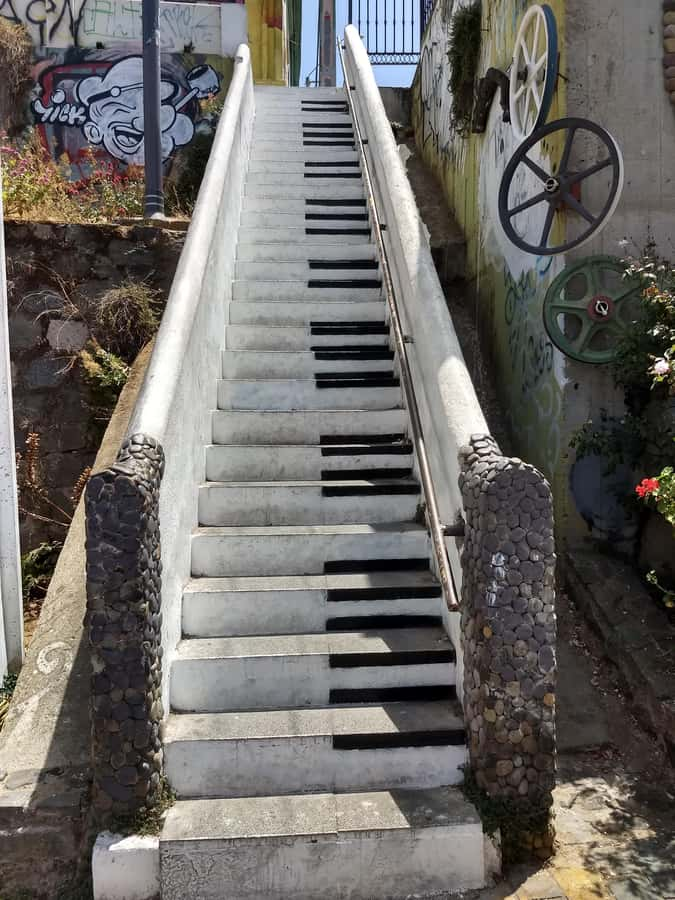
The Piano Staircase is one of the route’s more playful photo stops. Its design turns an ordinary climb into public art, which fits Valparaiso’s habit of treating stairs and walls as part of the city’s cultural life.
After the church visits, you walk along Paseo Dimalow in Cerro Alegre. This gives you another view of the hills and a chance to hear about restaurants in the area. The tour ends near Ascensor Reina Victoria, which is useful because you are left in a neighborhood with food, shops, viewpoints, and ways to continue exploring.
The final mural named We are not hippies, we are happies is listed as a 15-minute stop. The title alone reflects the city’s playful approach to public art, but the guide’s explanation adds the needed context. You will get more from this stop if you listen for how the mural fits the neighborhood rather than treating it as a stand-alone photograph.
What the guides add to the experience
Guide quality matters a great deal on a street-art tour, and this experience has several named guides associated with different departures. Alex is frequently praised for his old photograph folder, his warmth, and his connections with artists and local residents. He has also been described as patient with families and willing to adjust the pace.
Benjamin has led tours in English and is noted for explaining both the city’s past and its current art culture. Grex is associated with strong local connections, an easygoing manner, and detailed explanations of the route and murals. Maria and Cristóbal have also led departures, with Maria especially noted for her local perspective and Cristóbal for lively question-and-answer conversations.
The practical lesson is that the guide is a major part of the value. This is not an audio tour. You are paying for interpretation, navigation through confusing lanes, and local recommendations. The available languages are English, Chinese, French, and Portuguese, and private or small-group departures are available.
One issue deserves a clear mention. A booking note from one departure described a late guide and no direct contact details, which nearly caused confusion at the meeting point. That appears to be an isolated coordination problem, but I would still arrive at Muelle Prat early and confirm the meeting instructions before setting out.
Is two hours enough for Valparaiso?
Two hours is enough for a strong introduction, not a full exploration of the city. You cover the port, Plaza Sotomayor, two hillside areas, several promenades, churches, stairways, murals, galleries, and funicular points in a compact window.
That makes the tour useful early in your stay. You can use the guide’s restaurant, gallery, and shopping suggestions afterward and return to the places that caught your attention. It also works for a short visit when you want more than a quick look from a vehicle.
The schedule is fairly full. You should expect walking between stops, hill streets, stairs, and time spent pausing for explanations and photos. One departure was described as not physically demanding, but the official restrictions still exclude people with mobility impairments, pregnant women, and people with altitude sickness. The most honest way to view it is as a moderate urban walk with some uphill movement, assisted by funiculars.
Is $41 good value?
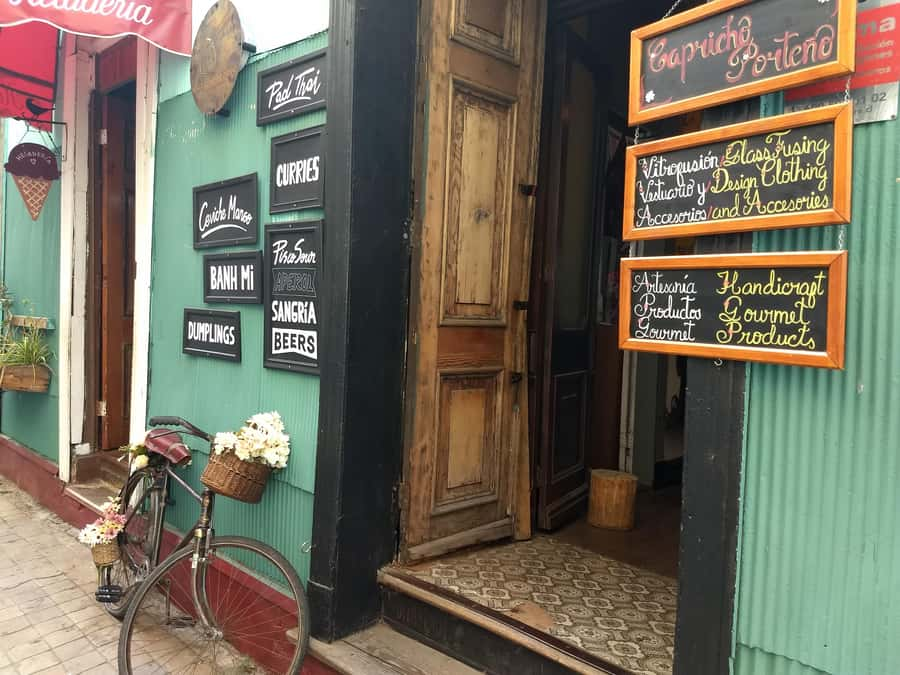
At $41 per person, the price is reasonable if you want a guide rather than simply a route map. The fee includes the funicular tickets and an alfajor made by local people. It does not include additional food, drinks, gallery purchases, souvenirs, or a restaurant meal.
The strongest value comes from the time saved finding the right passages and understanding what you are seeing. Valparaiso’s hills can be confusing, and the street art changes from one lane to the next. A guide who knows the artists and local businesses can turn a pleasant walk into a much clearer introduction.
The value is less convincing if you plan to visit only a couple of viewpoints and already know the city. A free walk may cover some of the same central areas, and one departure specifically noted overlap with a free tour. The paid option makes more sense if you want funicular tickets, old photographs, safety guidance, artist context, and restaurant suggestions in one compact outing.
Who should book this tour?
I would choose it for a first visit to Valparaiso, especially if you are staying in Santiago and have limited time in the port city. It is also a good fit for families and small groups who want a flexible guide. One family of seven, including two people with autism, found the experience suitable, and other departures adjusted their pace for participants.
Art lovers will get the most from Pasaje Gálvez, the workshops, and the explanations of mural styles and social messages. History-minded visitors will appreciate the photographs, port buildings, immigrant heritage, churches, and funiculars.
I would think twice if you dislike hills, stairs, narrow streets, or frequent stops for photos. This is not a museum tour with seats and a fixed indoor route. It is an outdoor city walk, and weather, funicular operation, and the group’s pace may shape the exact experience.
Final verdict: a smart first look at Valparaiso
Book this tour if you want Valparaiso explained as a living city rather than a collection of postcard views. The combination of the port, historic lifts, hilltop promenades, old photographs, local art, and an alfajor gives you a broad introduction in two hours.
The best reason to go is the human layer. Guides such as Alex, Benjamin, Grex, Maria, and Cristóbal bring local contacts and personal explanations that help you see why the murals matter. Just wear comfortable shoes, leave room for hills and stairs, and use the final restaurant suggestions to continue the day on your own.
FAQ
Where does the tour begin?
It begins at Muelle Prat, near the two cannons and the Tourist Information Office. Your guide will wait around the cannons.
Where does the tour finish?
The route finishes near Ascensor Reina Victoria.
How long does the experience last?
The tour lasts two hours.
What is included in the price?
Funicular entry tickets and a local alfajor are included.
Are food and drinks included?
No. Additional food and drinks are not included.
Which languages are available?
The tour is offered in English, Chinese, French, and Portuguese.
Is this a private tour or a group tour?
Private and small-group options are available.
Is the tour suitable for people with mobility impairments?
No. The activity is listed as unsuitable for people with mobility impairments. It also includes hills, stairs, and uneven city streets.
Can I cancel the booking?
You can cancel up to 24 hours in advance for a full refund. A reserve-now, pay-later option is also available.
Freshly painted around the world
- Xochimilco floating gardens, Coyoacan and UNAM murals★ 4.0 · 6 reviews
- Your Own Belgrade: Street Art and Hidden Gems Walking Tour★ 5.0 · 2 reviews
- Wynwood Walls Street Art & Neighborhood Walking Tour★ 4.9 · 9 reviews
- Vancouver: Street Art & Craft Beer Walking Tour with Tasting★ 4.8 · 14 reviews
- Zagreb Street Art Private Walking Tour with a Local Artist★ 5.0 · 12 reviews
- Urban Canvas: Osaka Street Art Bike Tour★ 5.0 · 10 reviews
- Vancouver: Street Art & Craft Coffee Walking Tour w/ Tasting★ 4.8 · 11 reviews
- UNAM: Murals & Revolution★ 4.9 · 8 reviews