
Review · ISRAEL
Tel Aviv Street Art & Graffiti Tour
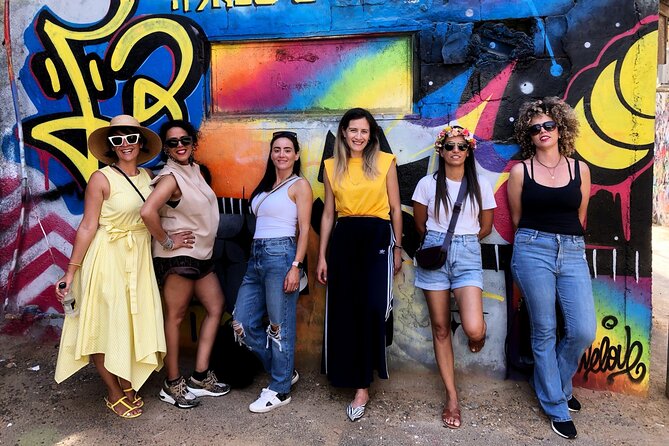
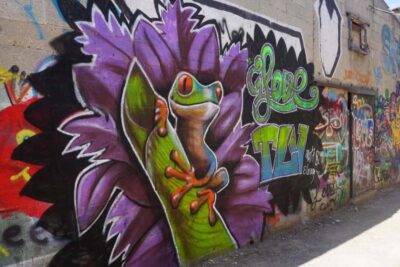
Tel Aviv’s street art is not tucked behind museum glass. It covers shop shutters, walls, alleys, and overlooked corners, especially in Florentine, the city’s best-known graffiti district. This 90-minute walk helps you read those walls, not just photograph them.
I like the way the tour links individual pieces to the artists who made them, their signing styles, and the social or political ideas behind the work. I also like that it reaches areas away from the usual sightseeing route, including the open-air art setting around Nachalat Binyamin.
The main consideration is timing. The experience is listed with a 12:00 pm start, while the tour is also described as having morning and evening departures. Confirm your chosen time, and remember that Tel Aviv’s midday heat can make a walking tour less comfortable.
Key Points to Know Before You Book
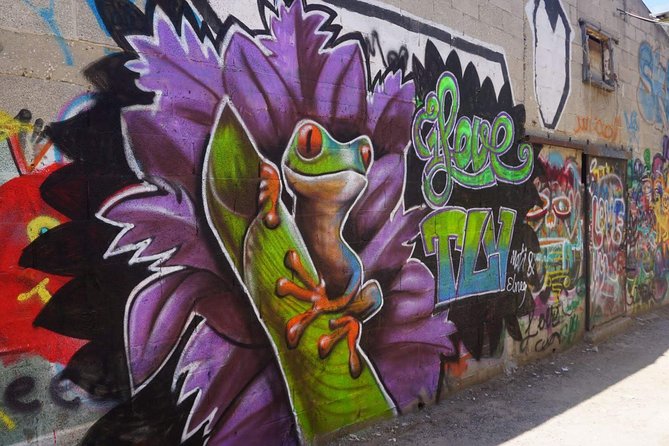
- Florentine is the main art district: Expect side streets, alleys, galleries, and layers of older and newer graffiti.
- Nachalat Binyamin adds a different setting: Its pedestrian mall works like an open-air street-art gallery.
- Guides shape the experience: Ari, Yan, Roey, Roni, Dina, Efrat, Orel, and Alef have all led tours, with strong praise for their stories and enthusiasm.
- You learn to identify artists: The walk covers signatures, methods, recent work, and the personal stories behind pieces.
- The tour lasts about 90 minutes: That is enough time for a focused introduction without taking up half your day.
- The group can reach 25 people: A smaller group may feel more personal, but the maximum is not a private-tour size.
Why Tel Aviv Street Art Works Best on Foot
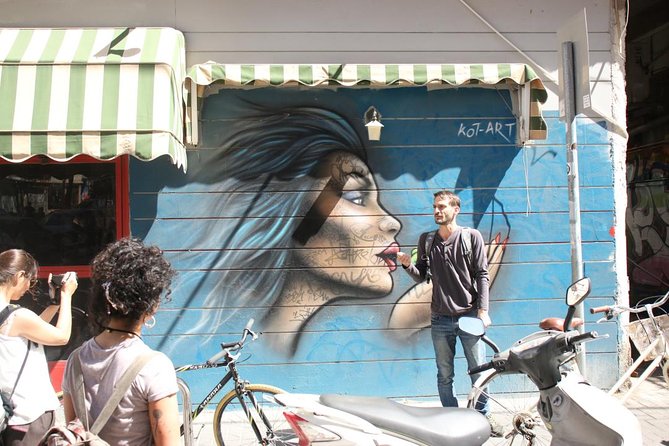
A street-art tour gives you something a gallery cannot: the setting. A painting on a wall beside a shop, an old railway route, or a changing neighborhood carries meaning from its surroundings. You see how art shares space with businesses, homes, construction, and daily city life.
That setting also explains why a guide helps. You can walk through Florentine on your own and see plenty of color, but you may not know which pieces are new, which artists use a particular mark, or how a work connects to local politics and social change. A good guide turns a wall into a story.
The tour is also useful for anyone who thinks graffiti is simply spray paint and quick lettering. The route introduces different approaches to the art, from signatures and small marks to larger works with clear messages. You will likely leave with a more careful eye, noticing art above shopfronts, around corners, and in places you might otherwise pass without a glance.
The experience is provided by Be Tel Aviv tours and includes a professional guide. It does not include hotel pickup or drop-off, so you make your own way to the meeting point and return there at the end.
More Graffiti Tours in the world:
- Medellin: Comuna 13 Graffiti Tour, Cable Car & Street Food
★ 4.8 · 9,046 reviews - Wynwood Graffiti Golf Cart Small-Group Tour
★ 5.0 · 1,646 reviews - London: Street Art and Graffiti Guided Walking Tour
★ 4.9 · 1,354 reviews
Florentine: Tel Aviv’s Graffiti Center
Florentine is the natural starting point for this subject. It is known as a major hub for Tel Aviv graffiti and has a reputation as one of the world’s top ten hipster neighborhoods. That label is a little polished for a district filled with rough walls, working businesses, art studios, and constant change, but it gives you a quick sense of the area’s appeal.
I like this part of the route because the art does not feel separated from the neighborhood. You move through ordinary streets and side lanes rather than entering a formal attraction. The work may appear on a wall you would never notice from a main road, or beside a gallery that adds another layer to the local art scene.
The guide explains what you are seeing rather than simply pointing at it. You might learn about an artist’s life, how a signature identifies the maker, or why a particular image carries a political or social message. Several guides, including Ari, Yan, Roey, and Roni, have been singled out for bringing personal stories and current examples into the walk.
Roey’s approach is especially useful if you plan to keep exploring after the tour. He has been described as pointing out pieces made only a few days earlier as well as older work. That matters in street art, where walls change quickly and yesterday’s work can be painted over, damaged, or covered by something new.
Florentine also gives you a direct look at change in Tel Aviv. Street art can attract attention to a neighborhood, while galleries, businesses, and urban renewal alter the area around it. The art is not just decoration. It becomes part of a conversation about who uses the neighborhood and how its identity shifts.
Nachalat Binyamin’s Open-Air Art Gallery
The route also includes the Nachalat Binyamin Pedestrian Mall, described as an open-air street-art gallery. This stop gives you a different feel from Florentine. Instead of focusing only on side streets and industrial edges, you get a pedestrian setting where art is part of a more defined public space.
That contrast is valuable. Florentine shows street art in a neighborhood context, with layers of work and changing walls. Nachalat Binyamin lets you consider how art works when it is placed in a more open, walkable setting. You can compare the mood, scale, and purpose of the work across the two areas.
The tour uses the mall as part of a wider discussion of style and meaning. The guide may explain how artists communicate through images, lettering, placement, and repetition. You are not expected to know art terms beforehand. The point is to give you enough context to look at a piece and ask why it was made there and what it is trying to say.
This stop also helps break up the walk. Ninety minutes on city streets is manageable, but a route with varied surroundings feels less like a long search for walls. You move between active neighborhood streets, pedestrian areas, and narrower routes, with the guide keeping the focus on the art.
Old Rail Routes and New Urban Change
The Florentine section also follows an older Ottoman rail route, where a recently opened park forms part of a newer route. The idea is to put old and new side by side: graffiti that remained out of sight for years, newer public improvements, and the effects of gentrification.
This may be the most thoughtful part of the experience. Street art can look temporary, but some pieces survive long enough to become part of a neighborhood’s memory. At the same time, parks and redevelopment can make an area more attractive, bring in new uses, and change who feels at home there.
You are not simply being shown a collection of colorful walls. You are being asked to look at the relationship between artwork and urban change. A guide can point out what has lasted, what has appeared recently, and what may soon disappear.
The route description presents this as a newer variation of the walk, so the exact works can change. That is normal for graffiti. It also means you should not expect a fixed museum collection. The value comes from seeing the city as an active art space, with new work appearing and older work fading.
If you enjoy photographing street art, bring a phone or camera, but keep your attention on the guide. A quick picture is useful, yet the meaning of a piece may depend on its location, the artist’s choices, or the story attached to it.
More Street Art Tours around the world:
- CDMX: Xochimilco, Coyoacan, Frida Kahlo Museum & Murals Tour
★ 4.4 · 3,025 reviews - Amsterdam: Streetart Museum STRAAT Entrance Ticket
★ 4.8 · 2,137 reviews - Belfast: Murals Taxi Tour
★ 4.9 · 2,047 reviews - Lisbon: Street Art Tour
★ 4.9 · 1,324 reviews
Guides Who Make the Walls Legible
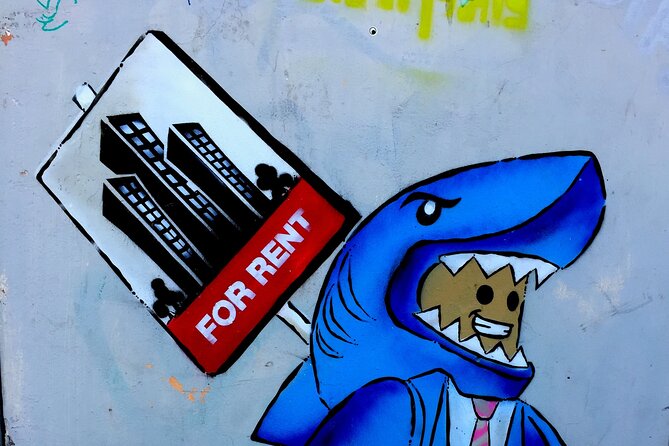
The strongest part of this experience is the guide’s role. A route map can take you to Florentine, but it cannot easily explain the scene. The guides associated with this tour have different styles, yet the praise is consistent: they are friendly, enthusiastic, clear, and able to make the subject accessible.
Ari has been praised for combining extensive research with personal stories about artists. That blend is important. Facts give you a framework, while personal details make the artists easier to remember.
Yan is associated with a lively, passionate approach and a strong grasp of the political and social side of graffiti. If you want more than a photo walk, his style should suit you. He keeps the subject tied to larger questions about identity, public space, and expression.
Roey is a good choice for people interested in current work and artist identification. His focus on both recent pieces and older examples helps you understand how quickly the scene changes.
Roni has been praised for making the walk fun and for offering useful explanations without slowing the pace. Dina and Efrat have also been described as engaging and well prepared, while Orel and Alef have been singled out for making the stories easy to follow.
You may not get to choose your guide. That is worth knowing because the guide will shape the tone of the walk. Still, the range of positive comments about different guides suggests that the experience does not depend on a single personality.
Price, Group Size, and Practical Value
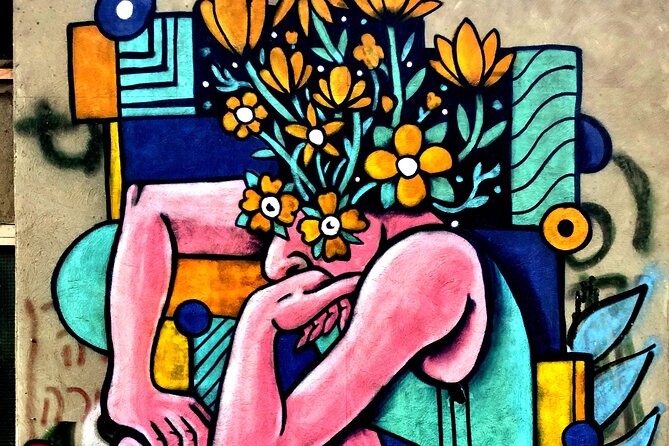
At $78 per person, this is not the cheapest way to see walls in Tel Aviv. You can walk around Florentine without paying an admission fee, and the pedestrian mall is public. The price pays for interpretation, route planning, and access to a guide who follows the local scene.
I think the value is strongest if you are new to graffiti or want to understand the art rather than simply locate it. The guide helps you recognize artists, understand signing methods, and connect individual works to Tel Aviv’s culture and urban changes. That knowledge can improve the rest of your time in the city because you will start spotting and identifying work on your own.
The value is weaker if you only want photographs or if you already know Tel Aviv’s graffiti scene well. In that case, you may prefer to explore independently and spend the money elsewhere.
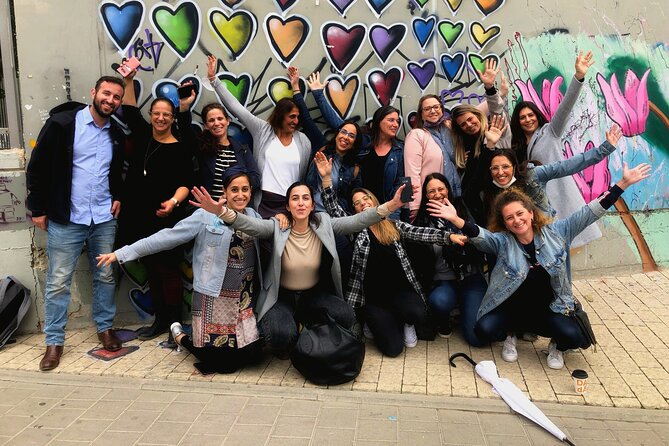
The maximum group size is 25 people. That is not a private or highly intimate format, so you may need to stay close to the guide in narrow streets and busy areas. A smaller group should make questions easier, but the advertised maximum is large enough to affect how personal the walk feels.
The tour lasts about an hour and a half and ends back at the meeting point. There is no hotel pickup or drop-off. The meeting point is near public transportation, which makes it practical to reach without arranging a car.
Choosing the Best Departure Time
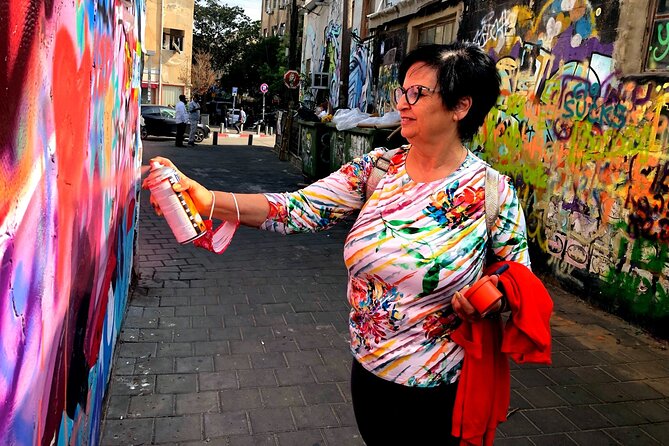
The experience offers morning and evening departure choices in its description, but the booking information gives a 12:00 pm start. Check the exact option before paying, especially if you want to avoid the hottest part of the day.
One direct tip is to choose the morning if it is available. A morning walk can be more comfortable before temperatures rise and crowds build. An evening departure may offer a cooler atmosphere, though the amount of natural light could affect how easily you see colors and details. The available start time should guide your decision.
Wear shoes suitable for city walking. The route covers sidewalks, pedestrian areas, alleys, and neighborhood streets. There is no stated health restriction, and most people can take part, but you should still consider the heat and your comfort with standing and walking for 90 minutes.
Children must be accompanied by an adult. The tour is suitable for most visitors, but younger children may find the explanations less engaging if they are not interested in art or city stories.
Who Should Book This Walk
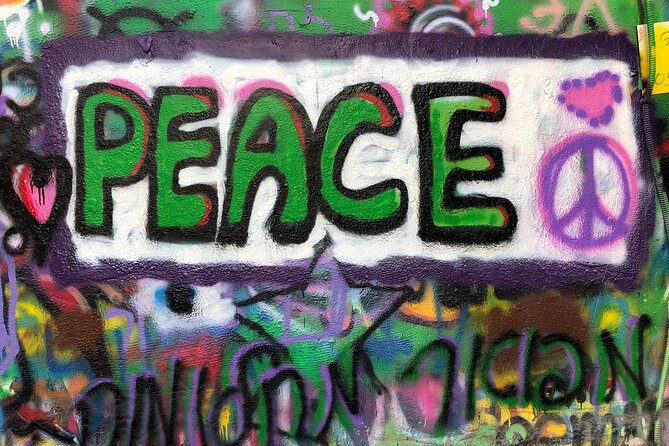
I would recommend this tour to first-time visitors who want to see a less formal side of Tel Aviv. It works well early in a trip because it can help you read the city’s walls during later walks.
It also suits art lovers who want context, photographers looking for changing work, and anyone curious about how public art connects to politics and neighborhood change. You do not need an art background. The guide provides the explanation as you go.
Families can take part, provided children are accompanied by an adult. The main question is attention span. A child who enjoys drawing, colorful walls, or city exploration may have fun. A child who dislikes walking and listening may not.
I would be less likely to book it if I had limited mobility, needed hotel transportation, or wanted a short photo stop with no discussion. The tour is a walking experience, and the professional guide is the main reason to pay for it.
Should You Book the Tel Aviv Street Art and Graffiti Tour?
Book it if you want to understand what you are seeing, not just collect photographs. Florentine, Nachalat Binyamin, the old Ottoman rail route, and the newer park route give you several ways to view Tel Aviv’s street art.
The best reason to go is the explanation of artists, signatures, messages, and neighborhood change. The main drawbacks are the $78 price, the possible group size of 25, and uncertainty around the exact departure time. Confirm the schedule and choose a cooler time of day if possible.
If you are curious about public art and want a guided introduction to parts of Tel Aviv you might otherwise miss, this is a worthwhile half-day-sized investment of your sightseeing time. It may also change how you look at every wall afterward.
FAQ
How long does the Tel Aviv Street Art and Graffiti Tour last?
The tour lasts approximately 1 hour and 30 minutes.
What neighborhoods does the tour visit?
The route includes Florentine and the Nachalat Binyamin Pedestrian Mall. It also follows a route connected to the old Ottoman rail line and a recently opened park in the Florentine area.
What time does the tour start?
The booking information lists a 12:00 pm start time. The experience is also described as offering morning and evening departures, so confirm the available time when booking.
Does the tour include hotel pickup and drop-off?
No. Hotel pickup and drop-off are not included. The tour ends back at the meeting point, which is near public transportation.
Is the tour suitable for children?
Yes, children can participate, but they must be accompanied by an adult.
How many people can join the tour?
The activity can have a maximum of 25 participants.
Can I cancel for a full refund?
Yes, if you cancel at least 24 hours before the local start time. Cancellations made less than 24 hours in advance are not refunded, and changes within that period are not accepted.
Freshly painted around the world
- Xochimilco floating gardens, Coyoacan and UNAM murals★ 4.0 · 6 reviews
- Your Own Belgrade: Street Art and Hidden Gems Walking Tour★ 5.0 · 2 reviews
- Wynwood Walls Street Art & Neighborhood Walking Tour★ 4.9 · 9 reviews
- Vancouver: Street Art & Craft Beer Walking Tour with Tasting★ 4.8 · 14 reviews
- Zagreb Street Art Private Walking Tour with a Local Artist★ 5.0 · 12 reviews
- Urban Canvas: Osaka Street Art Bike Tour★ 5.0 · 10 reviews
- Vancouver: Street Art & Craft Coffee Walking Tour w/ Tasting★ 4.8 · 11 reviews
- UNAM: Murals & Revolution★ 4.9 · 8 reviews
Israel Street Art Tours, compared.

Discovering downtown Tel Aviv Street art and ancient Jaffa!
Read our review →
Walking Graffiti Tour with Augmented Reality in Tel Aviv
Read our review →
Browse the lists this tour appears in