
Review · PARIS
Paris: Graffiti on Canvas Workshop at an Art Studio
Paris: Graffiti on Canvas Workshop Review
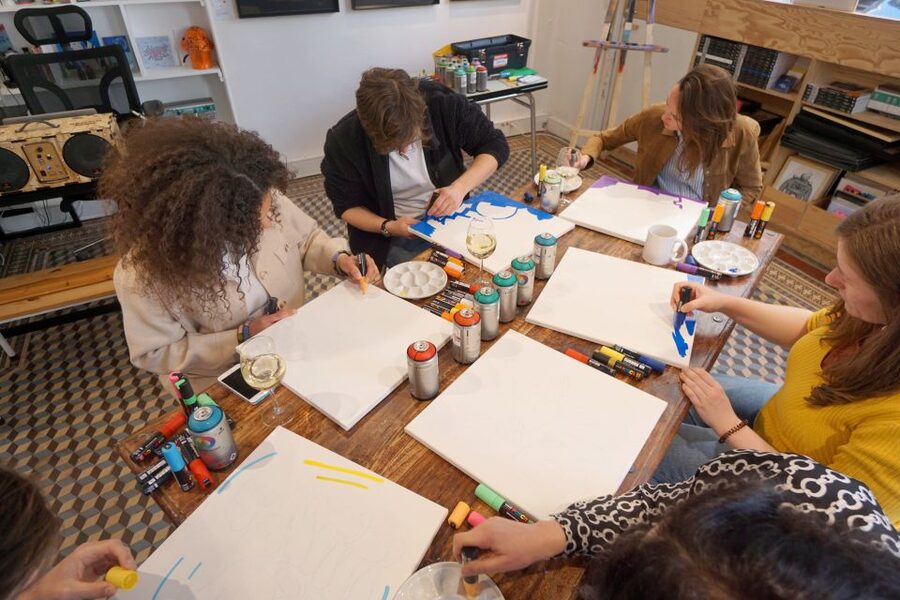
Paris has always made room for artists, from grand museum painters to quick-handed writers working on city walls. At this two-hour graffiti workshop, you get to try the street-art side yourself. A professional artist meets you at a gallery-style studio in the 14th arrondissement, helps shape your idea, and guides you toward a canvas you can take home.
I like two things here. First, the class is practical: you do not simply watch a demonstration, you work with stencils, lettering, paint, and spray cans. Second, the artist gives direct help aimed at producing a result you will actually like. The relaxed mood, good playlist, and coffee, tea, and water add to the easygoing feel.
The main caution is time. Two hours goes quickly when several people are making art together, so arrive with a simple concept. One word, a few letters, and a rough color plan will serve you better than an ambitious mural packed with tiny details.
Key points to know before booking
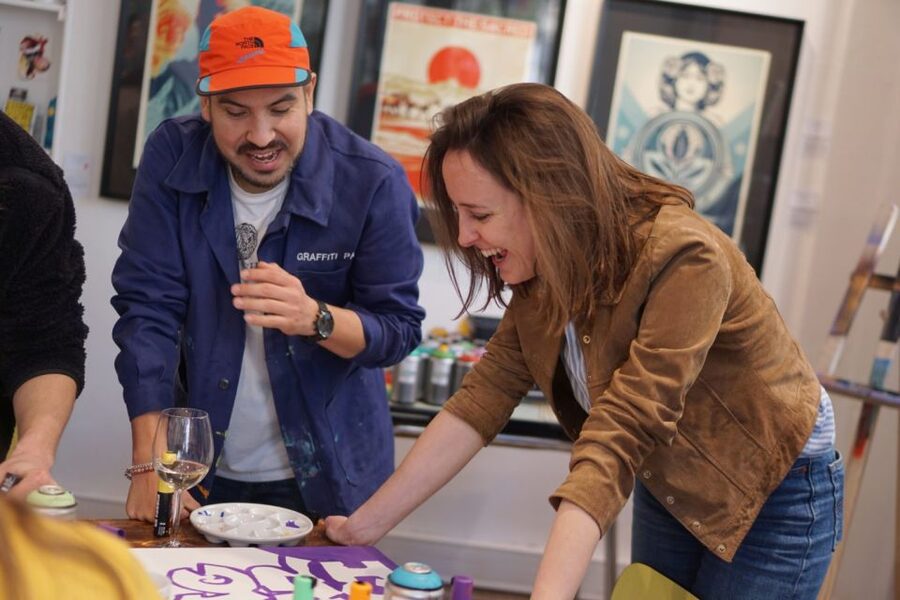
- Make your own take-home canvas: You spray paint and finish a personal artwork during the class.
- Learn several street-art methods: The session covers stenciling, lettering, painting, and spray painting.
- Work with a real street artist: Your instructor prepares an individual model based on the session theme and gives hands-on direction.
- Plan before you arrive: A simple idea and two or three colors can save valuable workshop time.
- Meet at a distinctive studio: Look for the black storefront of Graffiti Paris Atelier in Paris’s 14th arrondissement.
- Good for older children and adults: The workshop is wheelchair accessible, but children under 10 cannot participate.
What happens during the two-hour graffiti class
This is not a street-art walking tour. You will not spend the afternoon hunting for murals across Paris. Instead, you go to a working art studio, meet a street artist, and make one piece of art from start to finish.
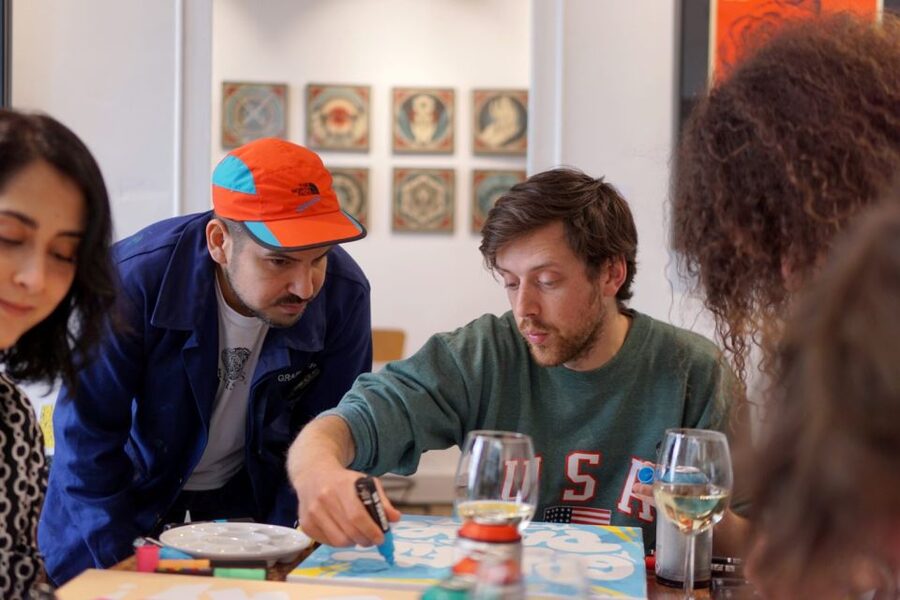
The class begins with an idea session. The artist introduces the theme and helps you think about what you want your canvas to say or show. Each participant receives an individual model prepared by the artist, which gives you a useful starting point rather than leaving you alone with a blank canvas.
That detail matters. Graffiti looks spontaneous on the street, but strong lettering and clean shapes usually depend on planning. A model helps you understand the basic structure before you pick up a spray can. If you are new to art, this guidance keeps the class from turning into two hours of guesswork.
You then learn the main techniques used in the final design. Stenciling helps you create repeatable shapes and sharp edges. Lettering brings in the bold forms associated with graffiti. Painting gives you more control over solid areas and details, while spray painting adds the familiar street-art finish.
The workshop is built around doing, not just listening. You will work through the stages with the artist nearby, receiving corrections and suggestions as your design develops. The instructor’s direct approach is especially useful if you want a finished canvas that looks intentional rather than like a first attempt made in a hurry.
Finally, you spray paint your design onto canvas. The finished work becomes your souvenir, so this is more personal than buying a print in a museum shop. You leave with something connected to your own idea and the techniques you practiced in Paris.
More Graffiti Workshops in Paris:
- Paris: Graffiti and Street Art Workshop
★ 4.7 · 108 reviews - Workshop Graffiti Mural
★ 4.5 · 27 reviews - Private Graffiti Workshop
★ 5.0 · 5 reviews
Why the individual model and direct guidance matter
A graffiti class can easily become too open-ended. Give a beginner a blank canvas, a few colors, and a spray can, and the first question is often: Where do I start? Here, the artist prepares an individual model for each person based on the session theme.
That structure gives you freedom without leaving you adrift. You can follow the model closely or use it as a jumping-off point. The class still feels personal because your canvas develops from your own choices about wording, shapes, and colors.
The artist also takes an active role in the result. Direct instruction can be a real advantage when you are learning how much paint to use, how to handle lettering, or how to keep a design from becoming crowded. The aim is not to judge your drawing skills. It is to help you finish a piece you feel good about taking home.
This is particularly helpful for families, couples, and small groups with mixed abilities. One person may already sketch confidently, while another may have never held a spray can. A prepared model and hands-on help give both a fair chance to produce something personal.
The class does not promise to turn you into a professional graffiti artist in two hours. It does give you a clear introduction to several techniques and enough time to make a finished canvas. That is the right way to view it.
Bring a simple idea, not a complicated mural
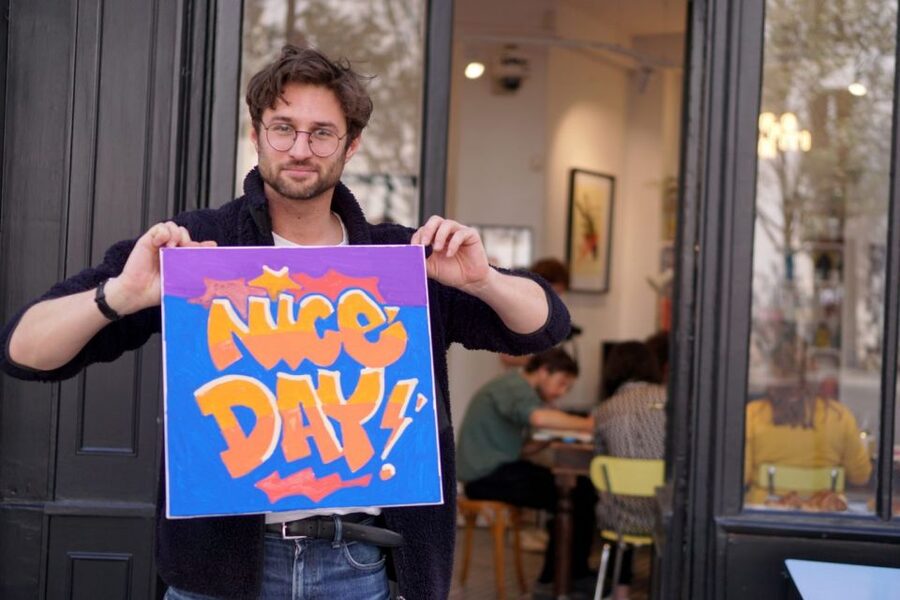
The best preparation is mental, not technical. Think of a short word, initials, a simple symbol, or one clear theme before you arrive. You do not need a finished drawing, but you should have some sense of what you want on the canvas.
A useful plan includes:
- One main word or image
- A small number of shapes
- An idea of the colors you want
- A willingness to adjust the design with the artist’s help
The workshop’s two-hour limit is generous for a focused piece, but it is not long enough for a detailed scene with many layers and fine elements. Several people work during the same session, and the creative process takes time. Brainstorming, learning techniques, painting, and spray finishing all compete for the clock.
A simple design also works better with graffiti lettering. One word gives you room to think about shape, spacing, and color. A long phrase can quickly make the canvas look crowded, especially if you are learning as you go.
This is one of the most useful tips for booking the class: decide your basic concept before the day. You can still change your mind, but arriving with no idea at all may leave you spending part of the workshop just choosing a direction.
A relaxed studio mood with a useful soundtrack
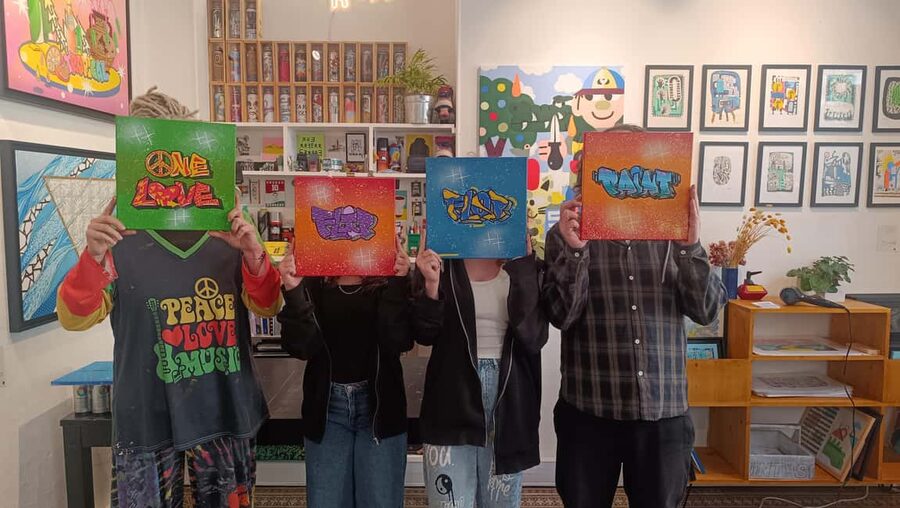
The tone is informal and social. Feedback describes the activity as friendly and fun, with a strong playlist helping create a relaxed mood. That may sound like a small detail, but it matters when you are trying something unfamiliar in front of other people.
Graffiti can feel intimidating if you think every mark has to look professional. Music, refreshments, and the artist’s guidance make the process less stiff. Coffee, tea, and water are included, giving you a chance to pause while you consider your design.
The class is also described as playful and highly social. That makes it a good choice for an afternoon when you want to do something creative rather than move from one famous Paris sight to another. You will still learn a skill, but the mood is closer to an art session with friends than a formal school lesson.
At the same time, do not confuse a relaxed atmosphere with a hands-off class. The artist is there to direct you toward a result that works. That balance is important: you have room to make choices, but you are not left to manage every technical problem by yourself.
More Graffiti Tours in Paris:
- Medellin: Comuna 13 Graffiti Tour, Cable Car & Street Food
★ 4.8 · 9,046 reviews - Wynwood Graffiti Golf Cart Small-Group Tour
★ 5.0 · 1,646 reviews - London: Street Art and Graffiti Guided Walking Tour
★ 4.9 · 1,354 reviews - Graffiti art tour in Rome
★ 5.0 · 714 reviews
The value of a $70 Paris activity
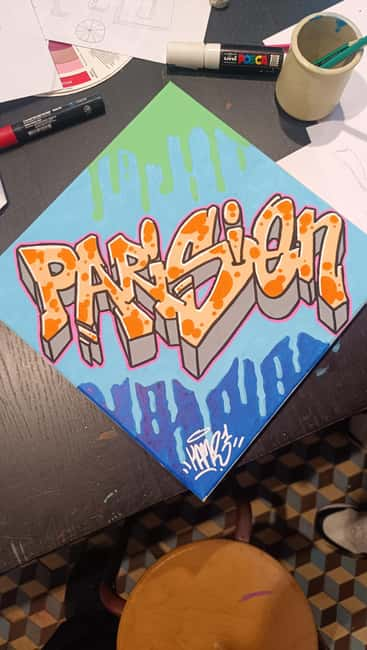
At $70 per person, this is not the cheapest way to spend two hours in Paris. Its value comes from what is included: a professional street artist, all art materials, guided instruction, refreshments, and a finished canvas to take home.
You are paying for more than access to a room and some paint. The artist supplies the session theme and individual model, explains several techniques, and helps you complete the work. If you were to buy art materials separately, you would still need the space, instruction, and confidence to use them.
The souvenir also gives the price a practical edge. A small store-bought object may be easier to pack, but it will not carry your own lettering or design. Your canvas is a record of an activity, not just a souvenir purchased after the fact.
Value depends on what you want from Paris. If you prefer major sights, historic interiors, or long guided walks, this may not be your best use of two hours. If you want a hands-on activity and enjoy making things, the cost is easier to justify.
For families and couples, the class can also replace a standard gift-shopping stop. Each person produces something different, and the result can travel home as a shared memory. Just remember that the price is per person, and every participant needs an individual place in the class.
Who should book this workshop
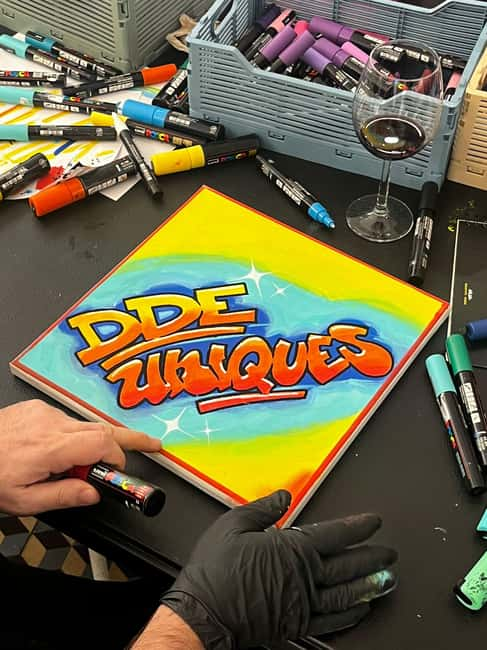
I would recommend it to adults, older children, couples, friends, and solo visitors who want a creative break from sightseeing. You do not need to identify as an artist. The process starts with an idea and builds through guided steps, so beginners can take part.
It suits you especially well if:
- You like hands-on activities
- You want a personal souvenir
- You enjoy lettering, color, or design
- You prefer a small creative session to a conventional sightseeing tour
- You can arrive with a simple concept and make decisions quickly
Children under 10 are not allowed, so this is not a preschool or young-family activity. Older children may find the spray-painting element exciting, but an adult should consider whether they can focus through the full creative process.
The workshop is also wheelchair accessible. That makes it a practical option for visitors looking for an art activity with stated accessibility, though you should still check current booking details for any personal requirements.
The class is offered in English and French. That gives you a choice of working language, but the most important communication is visual and practical: the artist demonstrates techniques and works directly with your design.
Finding Graffiti Paris Atelier in the 14th arrondissement
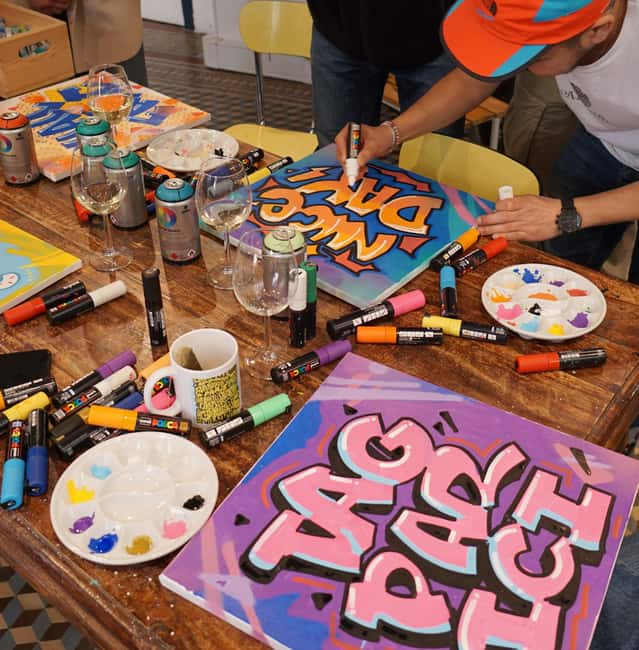
The meeting point is in front of Graffiti Paris Atelier. Look for the black storefront, which is the main identifying detail provided for arrival.
There is no hotel pickup or drop-off, so you arrange your own way to the studio. Plan enough time to reach the 14th arrondissement without rushing. Arriving early is sensible because the workshop begins with brainstorming, and losing the opening minutes makes the already short session feel shorter.
Once inside, the studio setting helps explain the appeal of the activity. You are meeting the artist in their own gallery and working around the materials used for the class. This feels more connected to Paris’s working art culture than a generic craft room.
The location is not presented as a sightseeing stop in itself, so do not book the workshop for famous views or grand architecture. Book it for the studio, the artist, and the chance to make something.
What to bring and what the studio provides
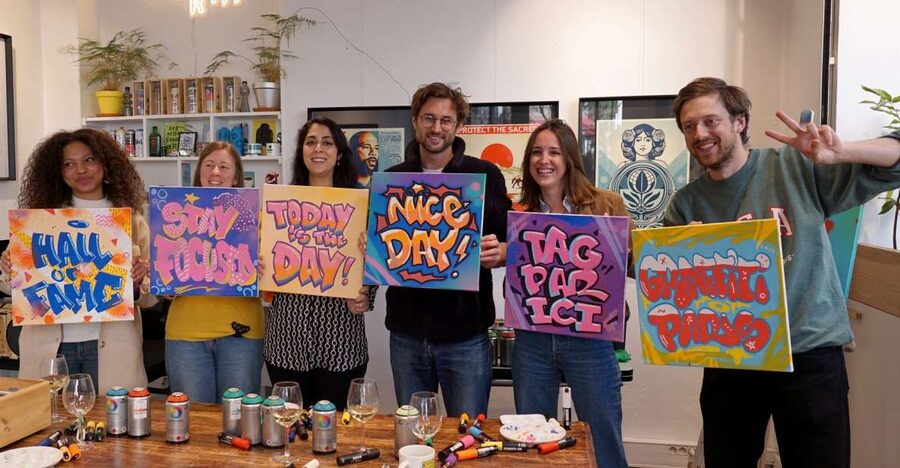
All materials are included. You do not need to bring paint, stencils, canvas, or spray equipment. Coffee, tea, and water are also provided.
Your most useful contribution is a clear idea. Consider writing down a word or sketching a rough shape before the class. You can also decide whether you prefer bold or restrained colors, since choosing a palette during the session can take longer than expected.
Wear clothes you can relax in around art materials, though no special clothing requirements are provided. Keep your plans simple after the workshop if you want to carry the canvas comfortably, since the finished piece is intended to go home with you.
The canvas is the main physical result, but the techniques are part of the value. You learn how stenciling, lettering, painting, and spray painting can work together. That knowledge may encourage you to notice street art differently after class, especially the planning behind shapes and letters that first look quick and random.
Booking flexibility and timing
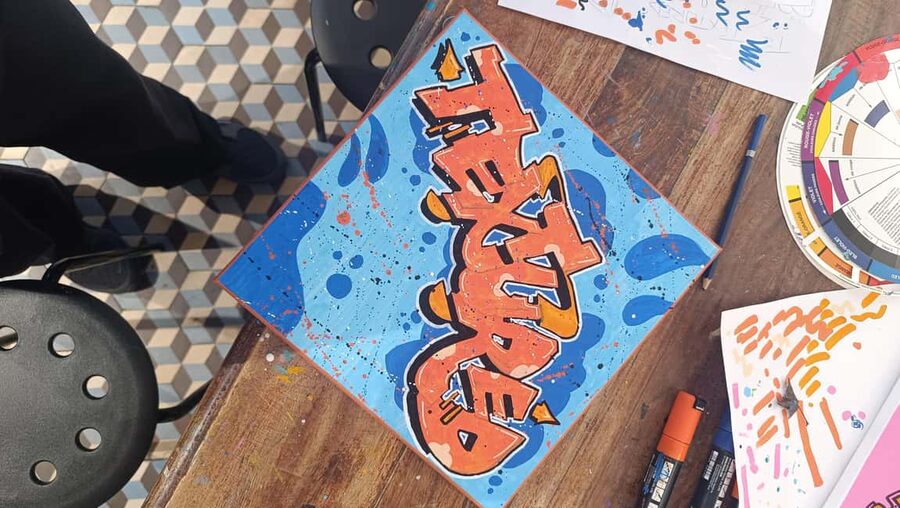
The activity lasts two hours, with starting times based on availability. You can reserve now and pay later, which helps if your Paris schedule is still shifting.
Free cancellation is available up to 24 hours in advance for a full refund. That policy is useful when you are arranging several timed activities, but you should still check the exact booking conditions before paying.
Because the class has a fixed duration, timing matters more here than on a casual museum visit. Give yourself a clear afternoon window, including the time needed to reach the studio in the 14th arrondissement. A late arrival could cut into your design time.
The experience is offered in English and French, and the instructor is a street artist rather than a general craft teacher. That makes the session a good match for people who want the techniques explained in a real street-art setting.
Should you book the graffiti canvas workshop?
Book it if you want an active, personal Paris souvenir and enjoy the idea of making something with your own hands. The class gives you a finished canvas, several basic techniques, refreshments, and direct help from a street artist for $70 per person.
Skip it if you want a major cultural sight, a long neighborhood tour, or a completely unstructured art session. The two-hour schedule moves quickly, and you will get more from it if you arrive with one simple word, image, or color plan.
For most suitable participants, the strongest reason to book is the combination of guidance and ownership. You are not simply watching graffiti being made. You are making a design yourself, learning how it comes together, and carrying the result home.
FAQ
Where does the graffiti workshop take place?
The workshop takes place at Graffiti Paris Atelier in the 14th arrondissement of Paris.
How do I identify the meeting point?
Meet in front of Graffiti Paris Atelier and look for the studio’s black storefront.
How long does the activity last?
The workshop lasts two hours.
What languages does the instructor speak?
The instructor offers the workshop in English and French.
What techniques will I learn?
You will learn stenciling, lettering, painting, and spray painting techniques.
Are art supplies included?
Yes. All materials needed for the workshop are included.
Are drinks included?
Coffee, tea, and water are included.
Can I take my artwork home?
Yes. You create a canvas during the session and take the finished piece home as a souvenir.
Is the workshop wheelchair accessible?
Yes, the activity is wheelchair accessible.
Is the workshop suitable for children?
Children under 10 are not permitted to participate.
Is hotel transportation provided?
No. Hotel pickup and drop-off are not included.
Can I cancel for a refund?
You can cancel up to 24 hours in advance for a full refund.
Can I reserve without paying immediately?
Yes. You can reserve your place and pay later, subject to the booking terms.
Freshly painted around Paris
- Private Street Art Tour in Paris with Local Expert★ 4.0 · 9 reviews
- Paris Street Art bike tour – Open Air Museum★ 5.0 · 18 reviews
- Private Graffiti Workshop★ 5.0 · 5 reviews
- Paris Off the Beaten Path Street Art Walking Tour★ 4.5 · 9 reviews
- From Louvre to Street Art – original museum guided tour (skip the line!)★ 5.0 · 21 reviews
- Paris: Street Art Tour with a Street Artist Guide★ 5.0 · 6 reviews
- Private Street Art 2-Hour Guided Tour in Paris★ 4.5 · 5 reviews
- Paris Street Art, smartphone audioguided tour★ 5.0 · 15 reviews
Paris Street Art Tours, compared.
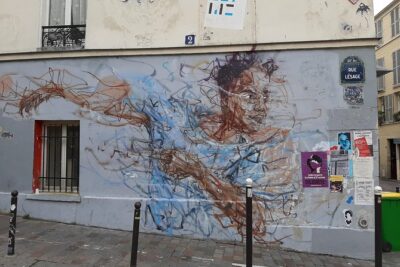
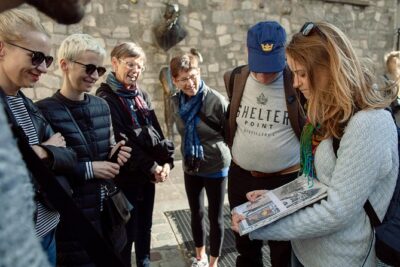
Street Art tour in Paris – Discover Paris murals !
Read our review →


Paris: Street Art Walking Tour with a Street Artist Guide
Read our review →
Browse the lists this tour appears in