
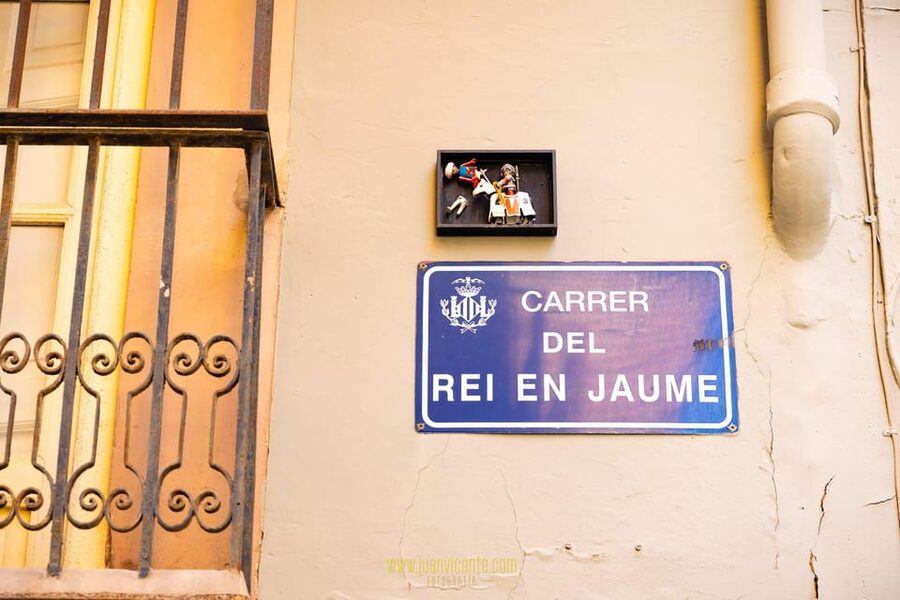
Review · VALENCIA
Best Street Art in Valencia Walking Tour
Valencia’s street art is not confined to one painted alley. It spreads through El Carmen, slips behind the IVAM, and appears on walls you could easily pass without noticing. This two-hour walk gives you the visual clues and local context to read the city’s murals rather than simply photograph them.
I like the small group of no more than 10 people, which should make it easier to see the artwork and ask questions. I also like the stop at the CCCC museum, since it connects Valencia’s outdoor work with a formal art space. The main consideration is pace: two hours covers several parts of Ciutat Vella, so comfortable shoes and sensible expectations matter.
Key Points
- Start at the Serrano Towers: Meet on the Plaza dels Furs side, where several striking murals are close by.
- Follow local and international artists: Look for work by Escif, Hyuro, David de Limón, Disneylexia, Deih, La Nena Wapa Wapa, and Julieta XLF.
- Learn the techniques: Your guide explains paste-up, stencil, yarn art, and other street-art methods.
- Visit the CCCC: The museum stop is included, except on Mondays, and adds background about Valencia’s street-art scene.
- Finish among large Velluters murals: The walk ends at Plaça de la Botxa after exploring major walls made by several artists.
- Get useful artist references: You receive a document with the artists’ Instagram accounts, handy for finding more work after the walk.
Why Valencia’s Street Art Works Best on Foot
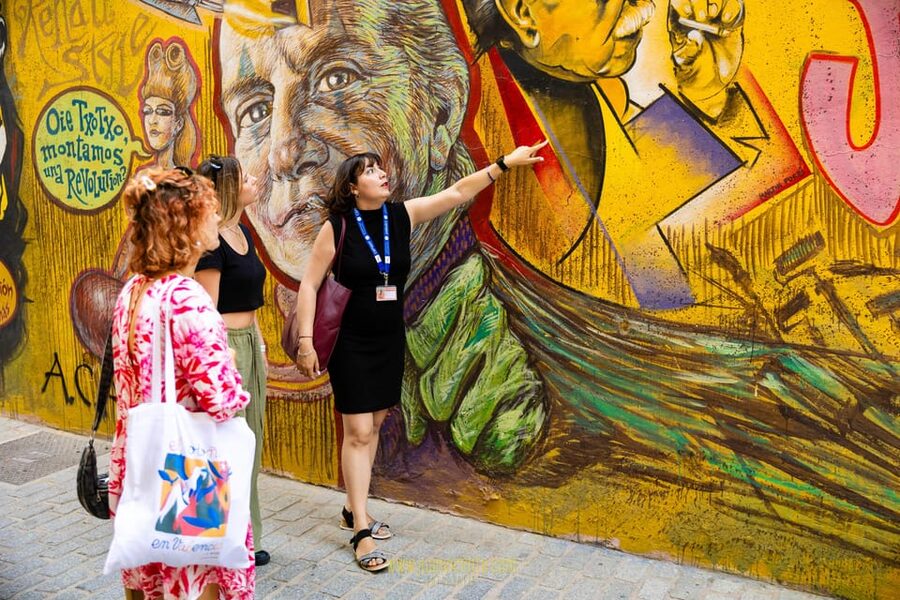
Valencia rewards slow looking. A painted wall may sit beside a historic gate, an old apartment block, or a narrow street where the artwork is easy to miss from a taxi or bus. This tour focuses on that contrast.
The route moves through Ciutat Vella, especially El Carmen and Velluters. These central districts provide a mix of old architecture, changing neighborhoods, independent creative work, and large public walls. You are not simply ticking off famous pictures. You are learning how artists use walls, shutters, corners, and leftover urban spaces.
That distinction matters. Street art changes. Paint fades, buildings are renovated, and new work appears over older pieces. A guide who follows the local scene can point out details you would not find through a quick internet search. Maria, one of the guides associated with the tour, is known for explaining the subject with energy and for bringing personal contact with several well-known artists into the discussion.
The tour also places the art in a social and political setting. One of its strongest features is the way the guide explains ideas behind the images, not just the names of the people who painted them. If you want a city walk with more substance than a series of photo stops, this is a useful choice.
More Street Art Walking Tours in Spain
- Barcelona: Raval Street Art and Graffiti Walking Tour
★ 4.9 · 60 reviews - Bilbao: Art District Walking Tour
★ 4.8 · 27 reviews - Granada: “Street Art & The Caves” Unique Guided Walking Tour
★ 5.0 · 27 reviews
Meeting Behind the Serrano Towers
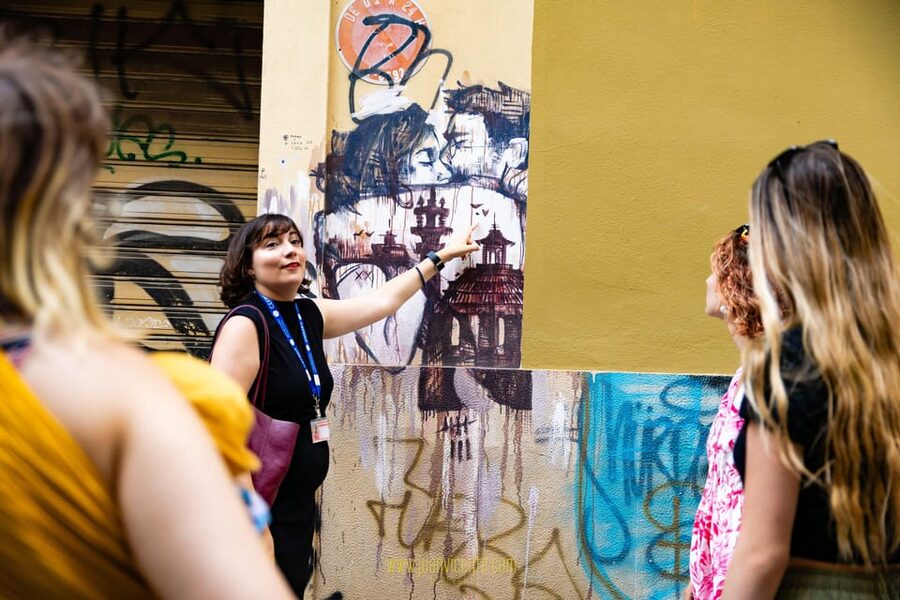
The meeting point is behind the Torres de Serranos, on the Plaza dels Furs side. Be precise here. The towers have more than one nearby approach, so look for the back side rather than waiting at a random entrance.
The Serrano Towers make a sensible starting point because the surrounding area contains both obvious and tucked-away murals. You begin with a landmark that is easy to identify, then quickly shift your attention from medieval stone to contemporary paint.
Your guide introduces the route and begins pointing out the different ways street art occupies the neighborhood. Some pieces may be large and easy to spot. Others depend on looking above eye level, around a corner, or at a wall that seems ordinary until someone explains what you are seeing.
Bring a charged phone and a camera. The tour includes opportunities for strong mural photographs, but the phone is useful for another reason too. The artist document supplied with the experience includes Instagram accounts, allowing you to follow artists and locate more of their work later.
El Carmen and the Artists Behind the Walls
The walk continues through Barrio del Carmen, one of Valencia’s key areas for street art. Here, the guide introduces artists including David de Limón, Disneylexia, Deih, Hyuro, La Nena Wapa Wapa, Julieta XLF, and Escif.
That list gives you a sense of the range. You will encounter different visual languages, from character-based images to abstract, political, and highly personal work. The point is not to treat every mural as the same kind of art. Your guide explains how each artist approaches the wall and how recurring symbols or techniques help you recognize the work.
This is where the tour becomes especially useful for beginners. At first, many murals can look like one large category: colorful paintings on old buildings. After a guide explains the artists, you start noticing signatures, repeated figures, placement, and method.
The stop also helps you understand the temporary nature of outdoor art. A mural is part of a neighborhood, not a sealed object in a gallery. It can be painted over, damaged, altered, or surrounded by new work. That gives the route a sense of discovery, but it also means no street-art walk can promise exactly the same collection forever.
Paste-Ups, Stencils, and Yarn Art Explained
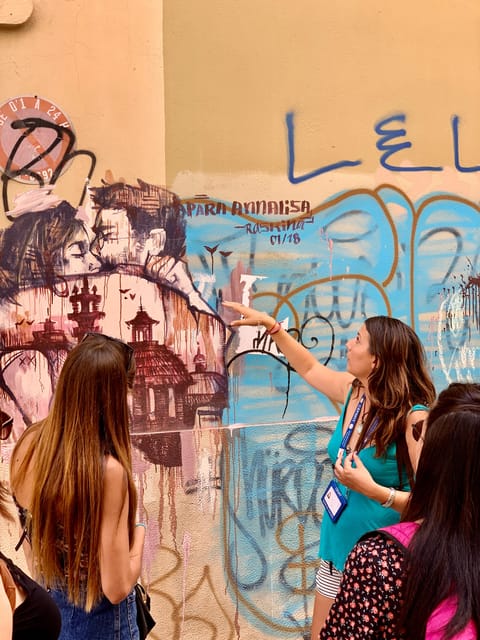
The tour covers several techniques, including paste-up, stencil, and yarn art. These terms are more than vocabulary for a social media caption. They explain how a piece was made and why it looks the way it does.
A paste-up is prepared elsewhere and attached to a wall. A stencil uses cut shapes to transfer an image quickly and repeatedly. Yarn art brings fiber into public space, adding a different texture from paint or paper. Seeing these methods side by side helps you understand the choices an artist makes when working outdoors.
Your guide also discusses the practical side of street art. Different methods affect speed, scale, detail, and durability. A large painted wall carries a different message from a small pasted image tucked into a doorway. The walk encourages you to ask why an artist selected one surface or method instead of another.
You do not need prior art knowledge. The explanations are intended to help you recognize techniques as you continue walking through Valencia. If you already follow street art, the artist background and local context should give the route more depth.
Same walls, a different way in:
- Barcelona Street Art and Graffitti Bicycle Tour
★ 5.0 · 361 reviews - Madrid: Street Art Tour with Local Graffiti Hunter
★ 4.8 · 270 reviews - Street Art Guided Tour in Madrid
★ 5.0 · 175 reviews - Barcelona Street Art Tour with Exclusive Artist Studios Visit
★ 5.0 · 152 reviews
The CCCC Museum Stop, Except on Mondays
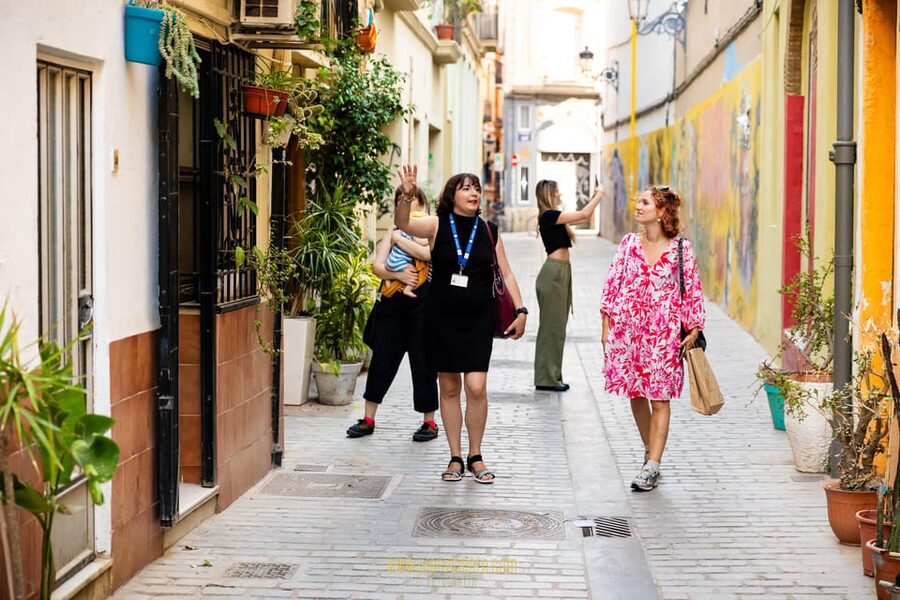
The tour includes a visit to the CCCC, the Centre del Carme Cultura Contemporània, except on Monday. Inside, you see murals and learn more about the development of street art in Valencia.
This stop adds welcome variety. Two hours of outdoor viewing can become tiring, especially in sun, so a museum visit gives you a change of setting. It also lets you compare work made in a public street with art shown within a cultural institution.
The CCCC portion is particularly valuable if you want context. Street art is often treated as decoration, but the museum stop helps explain its place in Valencia’s wider art scene. The experience does not leave you with only a list of walls. It gives you a better sense of how street art has developed and why it matters locally.
Check the day of your booking carefully. The CCCC visit is not available on Mondays, so the route will differ then. The provided information does not specify a replacement stop, so contact the provider if this museum visit is important to your plans.
Behind the IVAM with Escif and Other Artists
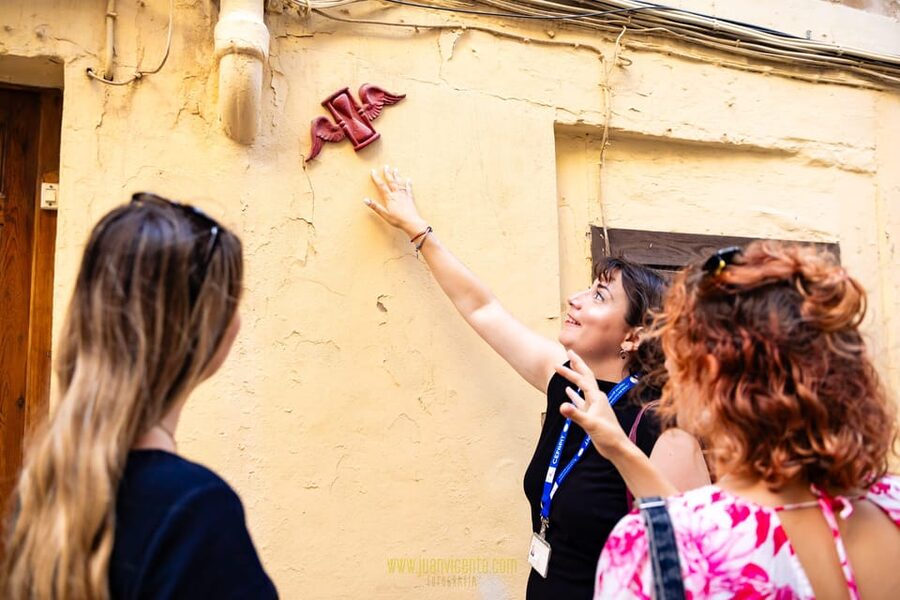
The route also reaches the area behind the IVAM, Valencia’s modern art museum. This part of the walk is known for impressive murals by Escif and other artists.
Escif is one of the names most likely to interest people who want to understand Valencia’s street-art identity. The guide does not simply point to a large wall and move on. You learn about the work and the artist’s role in the local scene, along with the social or political ideas that can shape public art.
The position behind the IVAM is useful because it places street art close to a major art institution without turning the outdoor work into a lesser version of museum art. The two settings operate differently. A museum controls its walls and protects its collection. A street mural faces weather, public reaction, redevelopment, and the passing crowd.
That contrast is one of the most thought-provoking parts of the route. You can see how public art changes your experience of a neighborhood. A wall may be playful, critical, strange, or deliberately difficult. The guide helps you consider those choices without insisting that every piece has one fixed meaning.
Finishing in Velluters at Plaça de la Botxa
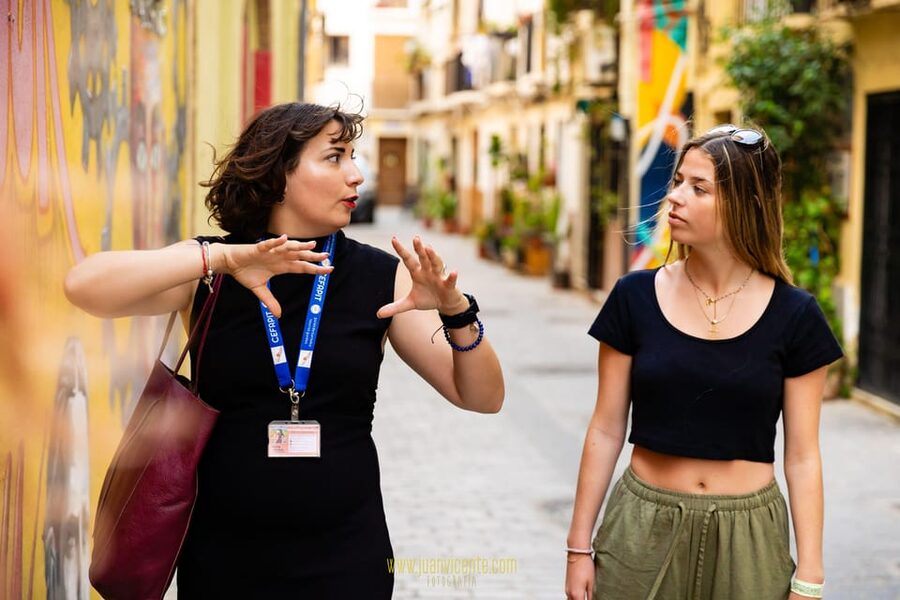
The final section takes you into Velluters and ends at Plaça de la Botxa, in Ciutat Vella. Here, you discover large murals made by a group of artists.
These massive walls provide a strong finish because they allow you to step back and take in scale. Earlier stops focus on hidden pieces and individual techniques. The Velluters murals show how several artists can shape a broader section of the neighborhood.
The ending point is central enough to fit into a day of sightseeing in Ciutat Vella. You are not left at an isolated suburban location. Still, the tour does not include food or drinks, so plan your next stop before you arrive or buy something along the way if needed.
Because the route ends after two hours, you can continue exploring independently. The artist Instagram document is useful here. It gives you a starting list for a self-guided follow-up walk, although the tour itself is designed to reveal the work you might otherwise miss.
What $41 Buys You
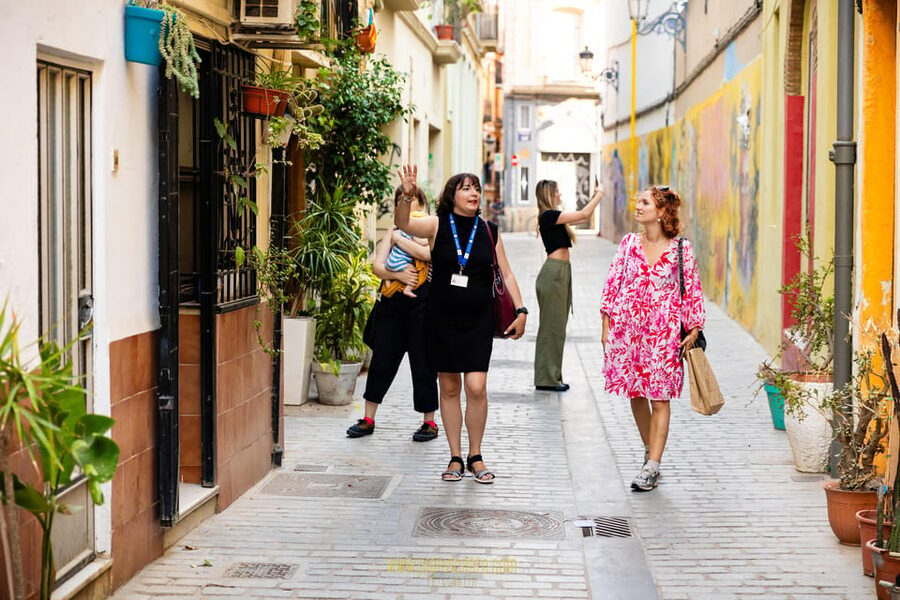
At $41 per person, this is not a bargain-priced general city walk. The value depends on how much you want to understand the art rather than simply see it.
You are paying for a certified guide, a small group, the CCCC visit when available, artist background, technique explanations, and access to murals that are easy to overlook. A private tour would cost more, while a self-guided walk would cost less but would not give you the same local interpretation.
The group limit of 10 is important. Street art is often found in tight lanes or beside busy walls, and a huge group would make the experience awkward. A small group also gives you a better chance to ask about an artist, a symbol, or a technique while the work is in front of you.
The price makes the most sense for first-time visitors to Valencia, people with a serious interest in urban art, and anyone who prefers a guided introduction before exploring alone. If you only want a few attractive photographs and do not care who made the work, you may find a free self-guided route sufficient.
Who Will Enjoy This Walk Most
I would recommend this tour to you if you like contemporary art, neighborhood walks, photography, or the stories behind public spaces. It suits adults and older children who can manage two hours on foot and stay interested in visual detail.
It is also a good choice for people who want a different side of Valencia. The route does not focus on the city’s best-known monuments alone. Instead, it shows how creative work appears in ordinary streets and how artists respond to their surroundings.
The walk is wheelchair accessible, which makes it more broadly suitable than many street-art routes. Even so, ask the provider about the exact route if you have specific mobility needs, since the supplied information does not describe every surface or entrance.
Choose another activity if your main goal is food, architecture, or a relaxed café outing. There are no included drinks or snacks, and the subject requires attention. You will get more from it if you are ready to stop, look closely, and listen to the explanation.
Practical Tips for a Better Two Hours
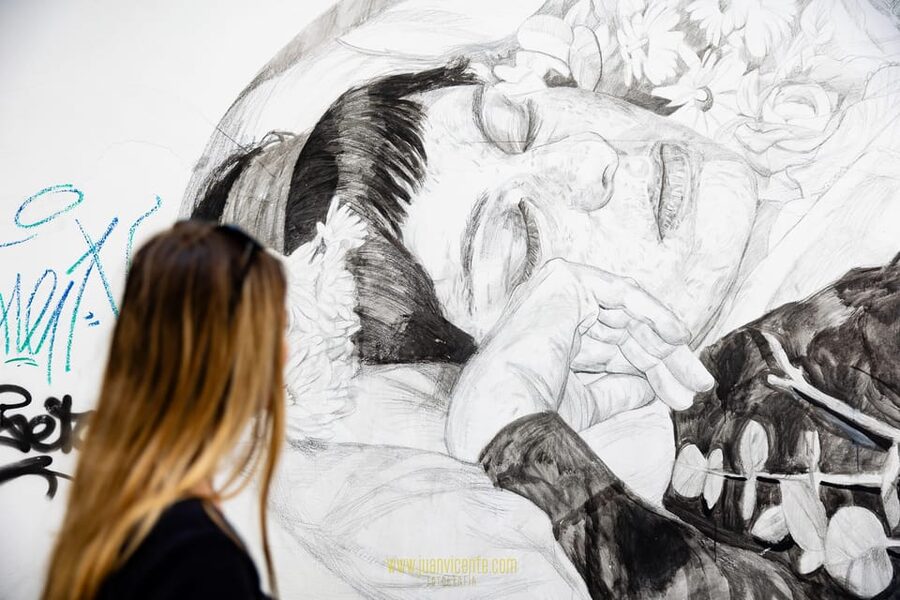
Wear comfortable shoes and comfortable clothes. The route covers several parts of central Valencia, and the best way to see street art is at walking speed, not while worrying about sore feet.
Use sunscreen and bring water, although drinks are not included. You can buy food or beverages during the tour, but the experience is not built around a meal break.
Bring a charged smartphone. You will want it for photographs, and the artist social-media document is part of what makes the tour useful after the walk. A camera is welcome too, but avoid letting photography distract you from the details your guide is pointing out.
Confirm the language when booking. Tours are offered in Spanish, English, French, and Catalan. The small group format should help, but make sure the selected language suits everyone in your party.
The available ratings are very strong, with a 5 out of 5 score from seven reviews. The clearest praise centers on Maria’s friendly manner, passion, clear Spanish, and ability to explain both artistic and political ideas. One person specifically found the museum visit a valuable addition, while another appreciated the personal interpretation and background. Those details point to the tour’s real strength: the guide’s explanation, not just the route itself.
Should You Book the Valencia Street Art Tour?
Book it if you want to recognize artists, understand techniques, and see Valencia beyond its standard sightseeing circuit. The CCCC visit, the Escif murals behind the IVAM, and the large Velluters walls give the two-hour route a good range.
I would especially choose it early in a Valencia visit. The artist list and Instagram document can help you notice more work later, even after the guided walk is over. The tour also makes sense for repeat visitors who have already seen the main monuments.
Skip it if you prefer a completely unstructured stroll, dislike walking in the sun, or only want a quick photo stop. For everyone else, $41 is a fair price for a focused introduction led by someone who can explain the people, methods, and ideas behind Valencia’s public art.
FAQ
Where does the Valencia street art tour begin?
It begins behind the Torres de Serranos, on the Plaza dels Furs side.
Where does the tour finish?
The walk ends at Plaça de la Botxa in Ciutat Vella, Valencia.
How long is the street art tour?
The guided tour lasts two hours.
Which artists might I learn about?
The route includes artists such as David de Limón, Disneylexia, Deih, Hyuro, La Nena Wapa Wapa, Julieta XLF, and Escif.
Is the CCCC museum included?
Yes. The CCCC visit is included, except on Mondays.
What languages are available?
The live guide can lead the tour in Spanish, English, French, or Catalan.
Is the tour wheelchair accessible?
Yes, the activity is listed as wheelchair accessible. The group is limited to 10 participants.
Freshly painted around Spain
- Small-Group Graffiti Tour and Workshop in El Carmen★ 5.0 · 2 reviews
- Bilbao Urban and Street Art Walking Tour★ 5.0 · 2 reviews
- Barcelona Street Art, Graffiti and Tapas Tour★ 4.0 · 5 reviews
- Salamanca: Private Guided Street Art Walking Tour★ 5.0 · 2 reviews
- Private Barcelona Street Art Tour★ 5.0 · 2 reviews
- Barcelona | StreetArt Bike Tour Moco Museum★ 4.6 · 13 reviews
- Málaga: Street Art Tour in the Soho District★ 5.0 · 4 reviews
- Madrid: Private Grafitis/Street Art Segway Tour 2h★ 4.5 · 2 reviews
Valencia Street Art Tours, compared.
Valencia: Street Art Tour on Bicycle, E-Bike or E-Step
Read our review →
Valencia Street Art | Private Tour by Bike or Electric Ride
Read our review →
Valencia Street Art | Small Group Guided Tour by Bike
Read our review →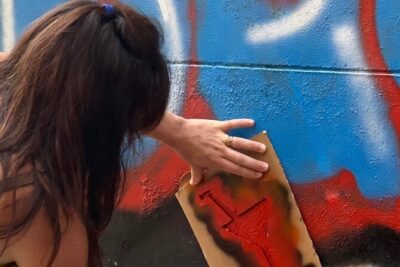
Small-Group Graffiti Tour and Workshop in El Carmen
Read our review →Browse the lists this tour appears in