
Review · ITALY
Street Art&Urban Vibes in Milan’s Most Exciting Rising Areas
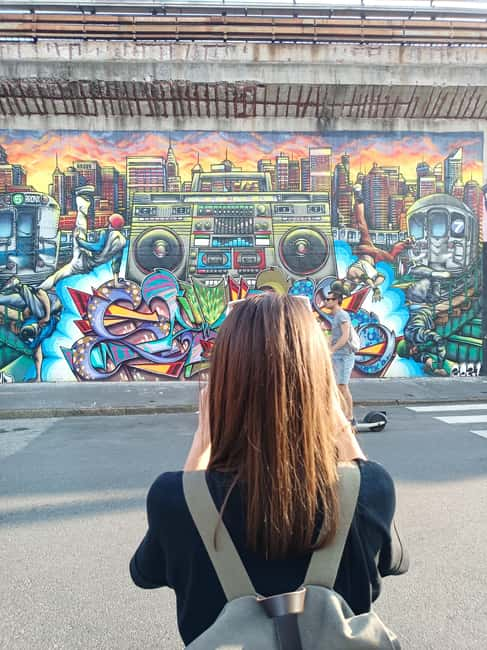
Milan’s best street art is not concentrated around the Duomo. This private walk heads north from Pasteur into Via Padova, Via Giovanni Pontano, and Viale Monza, where murals share space with working-class streets and small creative businesses. I like the local focus and the chance to see a less polished, more everyday side of the city.
I also like that the guide explains street art as more than decoration. You’ll hear about Milanese and Italian artists, including the way public art can carry protest and social messages. The main drawback is the price: at $90.63 per person for two hours, it is a serious cost for a short walking tour.
Key points at a glance
- Street art beyond central Milan: Explore Pasteur, Via Padova, Via Pontano, and Viale Monza rather than staying near the major sights.
- A private two-hour walk: Your group has a live guide in English or Italian, with no shared tour group listed.
- Art with a social edge: Learn how murals can express protest, identity, and local concerns.
- Small businesses included: Stops at Mosso, Bici&Radici, and Hug add a community and creative-business angle.
- A practical meeting point: Begin and finish in front of the Scaringi pastry shop near Pasteur.
- Flexible booking: Cancellation is free up to 24 hours before the activity, and you can reserve now and pay later.
Why this northern Milan walk feels different
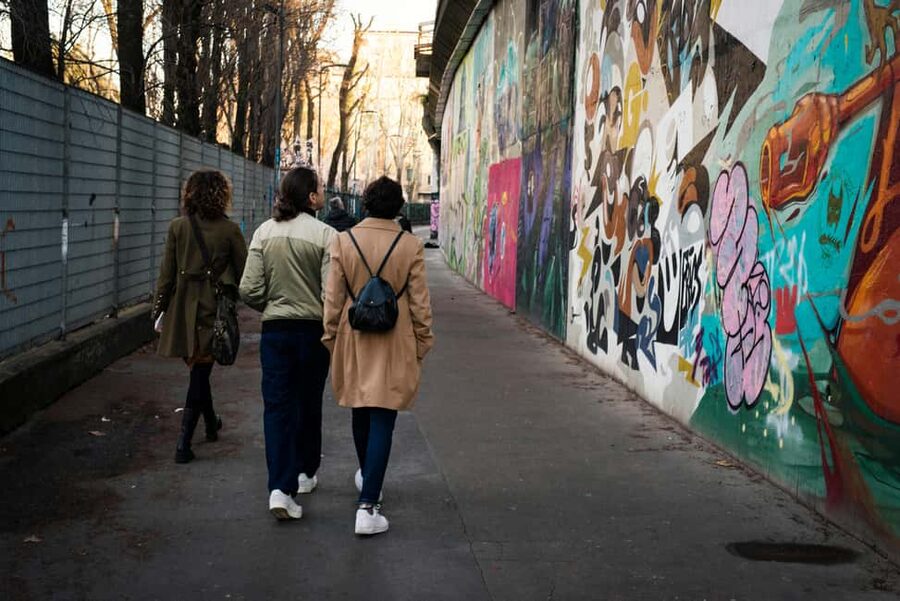
This is not a greatest-hits tour of Milan. You will not spend two hours moving between the Duomo, Galleria Vittorio Emanuele II, and other postcard sights. Instead, the route introduces an alternative part of the city, where different cultures, local businesses, and public art meet on ordinary streets.
That change of setting is the main reason to book. Milan can feel polished and fashion-conscious in its central districts. Around Via Padova and Viale Monza, the tone is more mixed and informal. The appeal is not spotless scenery. It is the chance to see how a city works beyond its monuments.
The tour is also designed as a photo walk. Bring a phone or camera, but do not expect every stop to be a grand mural with a perfect viewing point. Street art often appears on side walls, building fronts, and streets where the surrounding details matter as much as the artwork itself.
Your guide provides the thread connecting those details. The tour covers the history of Milanese and Italian street art, along with the stories behind the area’s newer businesses. That combination makes the walk more useful than a simple list of mural locations.
More Street Art Tours around Italy:
- Naples Spanish Quarters Walking Tour Street Art, Folklore & Sweet
★ 5.0 · 797 reviews - Naples: Spanish Quarters Folk Street Art w/ Sweets Tasting
★ 4.9 · 788 reviews - Graffiti art tour in Rome
★ 5.0 · 714 reviews
Starting at Pasteur and entering Via Padova
The meeting point is in front of the Scaringi pastry shop at Pasteur. This is a useful landmark, especially if you are unfamiliar with the area. Public transportation to the meeting point is not included, so you need to arrange your own route there.
From Pasteur, the walk moves toward Via Padova. This street gives the tour its strongest sense of place. It is known here as an area shaped by many cultures, local commerce, and changing urban life. The guide uses the street art to explain how Milan’s creative scene extends well beyond the city center.
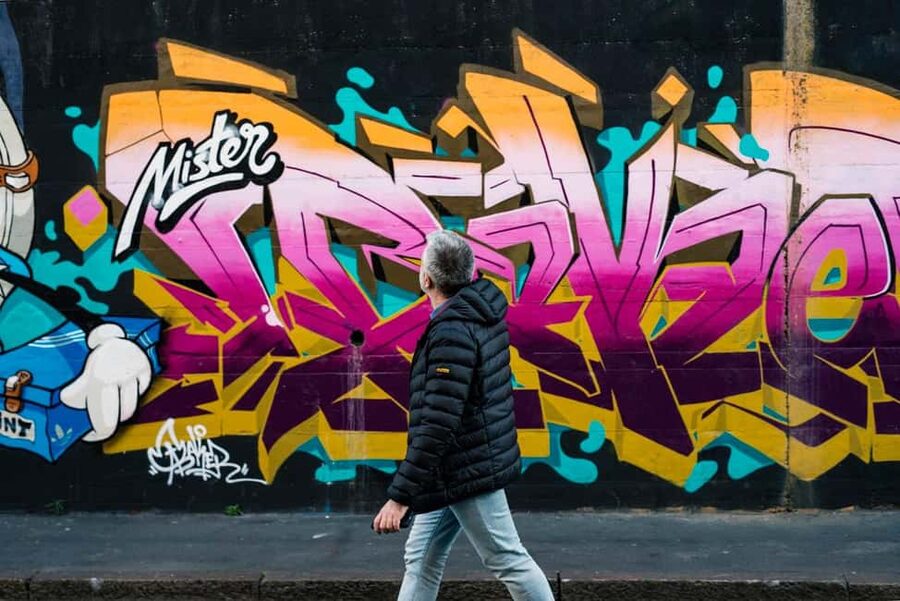
Expect a photo stop and guided commentary rather than a formal museum-style presentation. The streets themselves are part of the lesson. You may see murals beside everyday storefronts, older buildings, and working-class blocks. The value comes from understanding how art fits into public space.
Via Padova is also where the tour’s social angle becomes clear. Street art can brighten a wall, but it can also make a claim, mark a neighborhood, or express disagreement. The tour specifically addresses art as protest, which gives the pictures more meaning than a quick social-media stop.
Via Giovanni Pontano and the art of looking up
The next stop is Via Giovanni Pontano. Like Via Padova, it is presented as a place to visit, photograph, and discuss rather than simply pass through. You will need to pay attention to building surfaces and side streets, since open-air art is not arranged like a gallery collection.
This is where a local guide matters. An online list of Milan murals can tell you where to point your camera, but it cannot easily explain why a particular area became attractive to artists or how its work connects to local life. The tour promises that wider context in a compact format.
I would keep your schedule open enough to pause. The stated duration is only two hours, and the route includes several stops. That means the commentary at each location is likely to be focused. If you enjoy asking questions, a private group should make it easier to shape the conversation around the artists, symbols, and neighborhood changes that interest you most.
The private format is especially useful for couples, families, or friends who want a more direct exchange with the guide. It also means the price needs to be judged against your group size. For one person, $90.63 is expensive for two hours. For a private group that values personal attention, the calculation may look better.
Viale Monza and Milan’s everyday side
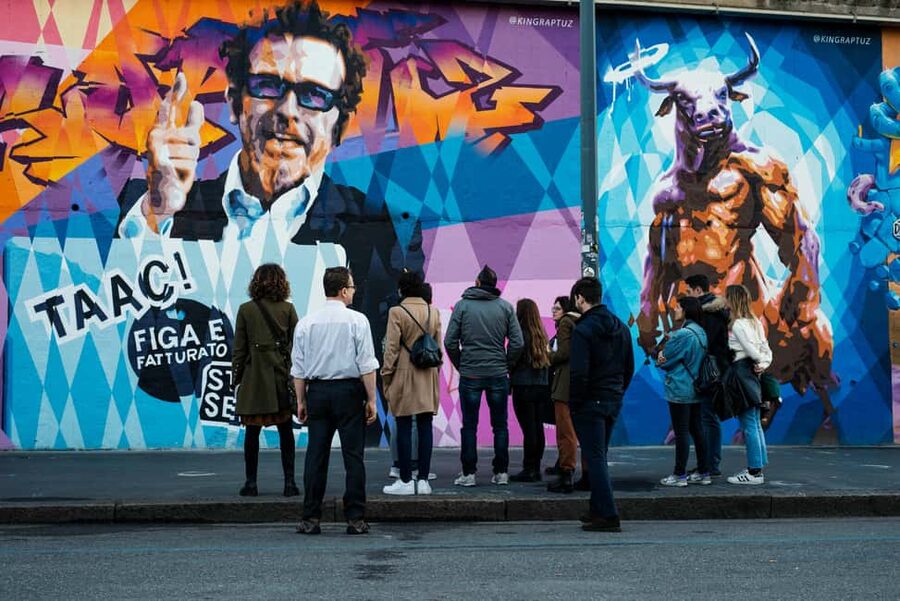
Viale Monza is another photo and commentary stop. The route continues to show how Milan’s street art is spread through active neighborhoods rather than confined to one official art quarter.
That matters because you are seeing the city in use. You may find unexpected combinations of public art, businesses, housing, and street activity. The experience is less about checking off a famous mural and more about noticing how creative work changes the feel of a street.
The route description emphasizes a mixture of new creative businesses, colorful murals, and unexpected stories. Those elements give the walk its personality. You are not only looking at walls. You are also learning how people build cultural spaces in areas that many visitors skip.
The drawback is that the tour’s appeal depends on your taste. If you want major landmarks, polished architecture, or a clear historical timeline, this walk may feel scattered. If you prefer local neighborhoods and contemporary culture, its loose, street-level approach should suit you better.
Same walls, a different way in:
- Naples: Street Art, Wine and Food Tasting Walking Tour
★ 5.0 · 163 reviews - Naples Essentials: Monuments, Local Life & Street Art
★ 4.9 · 79 reviews - 4×4 tour of Orgosolo: Murals and typical lunch at the shepherd’s
★ 5.0 · 76 reviews - Rione Sanità tour among baroque, revival, street art & food
★ 4.8 · 59 reviews
Mosso, Bici&Radici, and Hug
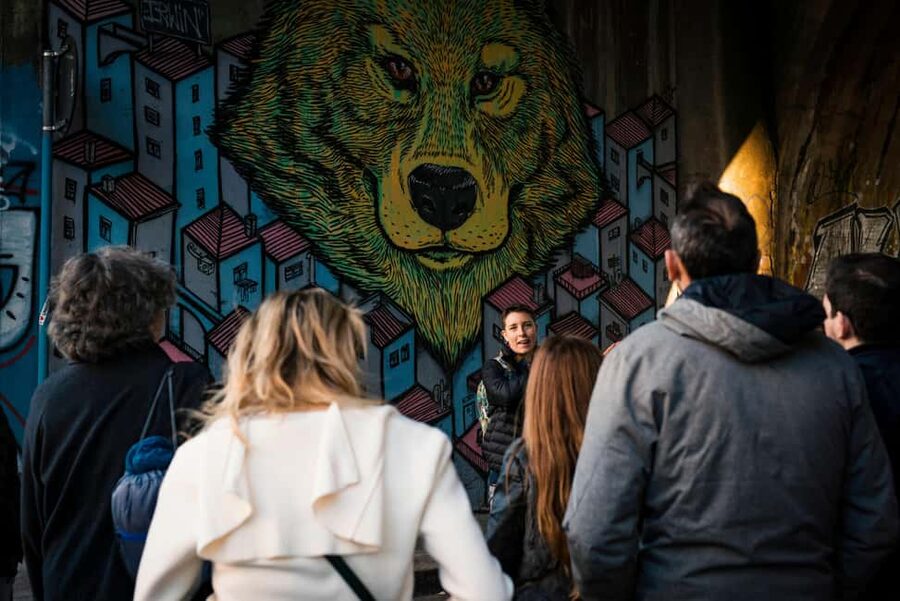
The itinerary includes guided stops at Mosso, Bici&Radici, and Hug. These names are important because they show that the tour is not limited to public walls. It also introduces small and alternative businesses connected with the area’s creative life.
Mosso is included as a visit and photo stop. The information provided does not specify exactly what you will see there, so you should think of it as a local cultural stop rather than assume a particular exhibit, menu, or performance. Your guide will put the place into the wider neighborhood story.
Bici&Radici adds another local-business angle. The name suggests a connection with bicycles and urban living, but the available details do not define its exact role on the walk. You can expect the guide to include it among the alternative businesses that help explain this part of Milan.
Hug is the final named stop before returning to Pasteur. Again, the tour information does not promise a specific service or activity inside. Its importance is the pattern created by the route: street art, local culture, and independent businesses are treated as parts of one neighborhood experience.
These stops can be more valuable than another mural if you want practical insight into Milan’s current creative scene. They show how a district develops through small projects and local enterprise. At the same time, do not book this expecting a shopping tour or a series of included tastings. No purchases, food, or business services are listed as part of the price.
What the guide adds to the experience
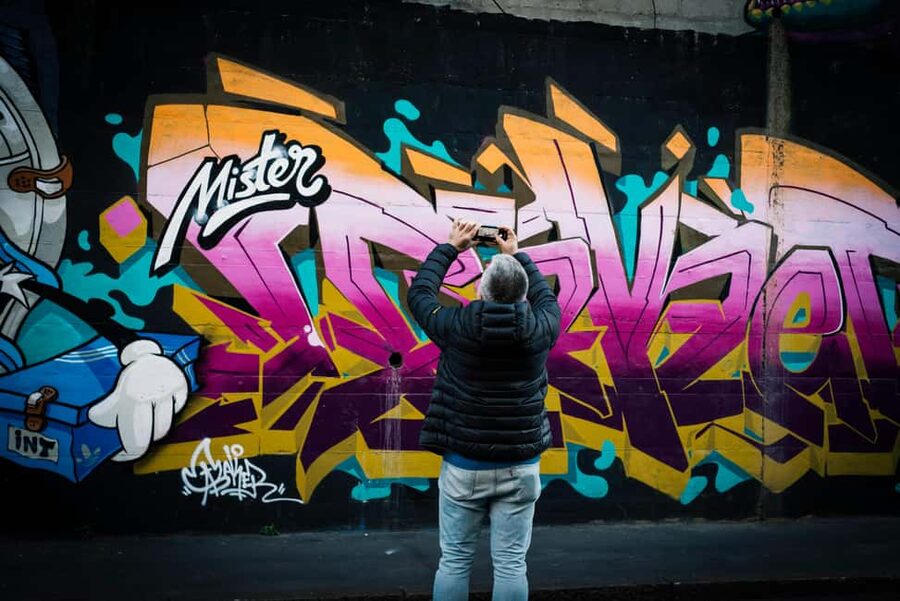
The tour is led by a local expert who focuses on street art. English and Italian are available, and the booking information identifies the experience as a private group. One guide specifically praised in the supplied feedback is Simon, who was described as making an effort to show hidden corners of Milan and filling the walk with information and surprises.
That is exactly the kind of guide you want for this route. The neighborhoods are the main subject, so a guide who can point out details and explain local stories is more useful than one who simply recites dates.
The promised subjects include the history of Milanese and Italian street art, legends connected with Milan’s past and present, and the role of art in working-class areas. Since the tour lasts two hours, the presentation will necessarily be selective. You will get an introduction and a guided interpretation, not a full academic history of Italian street art.
I would use the private format to ask direct questions. Ask about the difference between commissioned murals and protest art. Ask how the neighborhood has changed. Ask which works are temporary or likely to disappear. The format should allow for that kind of conversation, although the exact depth will depend on your guide.
The $90.63 price and what you receive
At $90.63 per person, this is not a budget walk. The activity lasts two hours, and public transportation to Pasteur is extra. There are no listed food tastings, workshop materials, or entry tickets included.
You are paying mainly for three things: a private group, a local street-art guide, and access to a side of Milan that is easy to miss without local direction. That can be worthwhile if you care about contemporary art and want a personal introduction rather than a general city tour.
The value is weaker if you are comparing it with a longer shared walking tour. A private tour usually makes the most sense when two or more people are traveling together and want flexibility. It is also a good option for someone who has already seen Milan’s central sights and wants a more unusual neighborhood experience.
The small review sample gives the tour a 4.4 rating from five reviews, with particular praise for Simon’s effort, information, and ability to reveal unexpected parts of Milan. That is encouraging, but it is not enough evidence to promise a perfect guide match every time. The sensible approach is to book for the route and format, while treating the guide’s personal style as an important bonus.
Who should book this street-art experience?
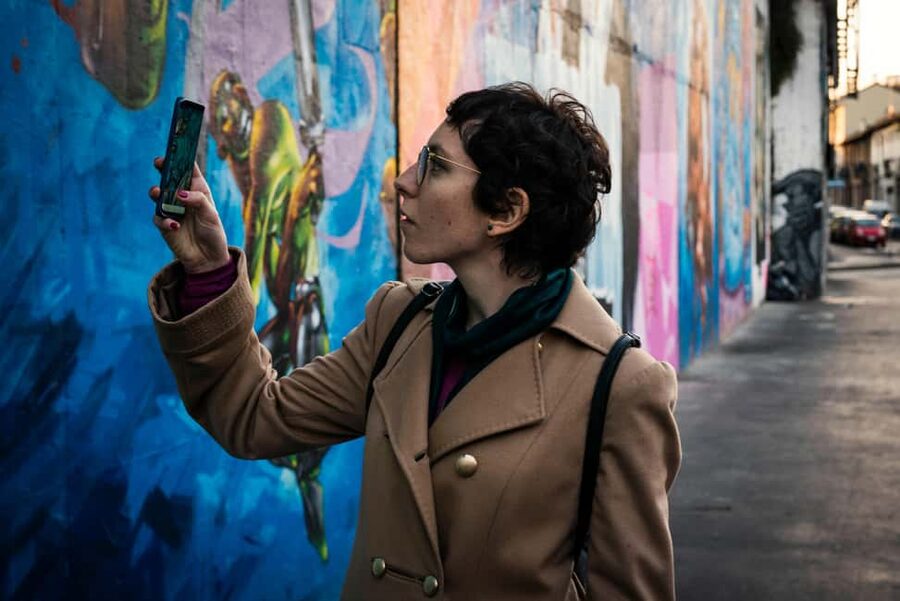
I would recommend this walk to you if you enjoy contemporary culture, photography, and neighborhoods that do not appear on every first-time Milan plan. It suits repeat visitors especially well, since it offers a break from the standard monuments.
It is also a good match for a private group that wants to ask questions and move at a comfortable pace. The wheelchair-accessible format is an important practical advantage, though you should still confirm any personal route requirements before booking.
You may want to skip it if your Milan visit is very short and this would replace a major sight you have not yet seen. Two hours is enough for an introduction, but not enough to cover both central Milan and the northern neighborhoods in the same activity.
Book it if you want to understand how art, protest, immigration, local business, and urban change meet on the street. Skip it if you mainly want famous paintings, grand buildings, or a low-cost tour.
Practical details before you go
The walk begins and ends in front of the Scaringi pastry shop at Pasteur. Since transportation is not included, plan that part before the day of the tour. Starting and ending at the same point makes it easier to continue your Milan plans afterward.
The duration is two hours, with starting times available according to the selected date. English and Italian are offered. The activity is wheelchair accessible and arranged for a private group.
Free cancellation is available up to 24 hours in advance for a full refund. You can also reserve now and pay later, which helps if your Milan schedule is still changing.
FAQ
Where does the street art tour begin?
It begins in front of the Scaringi pastry shop at Pasteur.
Where does the tour finish?
The activity ends back at the meeting point near Pasteur.
How long does the experience last?
The tour lasts two hours.
What languages are available?
The live guide speaks English or Italian.
Is this a private tour?
Yes. The activity is offered for a private group.
Is the tour wheelchair accessible?
Yes, it is listed as wheelchair accessible.
Is public transportation to Pasteur included?
No. You need to arrange and pay for transportation to the meeting point yourself.
Should you book it?
Book this experience if you want street art with neighborhood context, not just a fast mural photo stop. The route through Via Padova, Via Giovanni Pontano, Viale Monza, Mosso, Bici&Radici, and Hug gives you a clear look at an alternative side of Milan, while a local guide connects the art to protest, culture, and small businesses.
At $90.63 per person, the tour is best for people who value a private guide and an uncommon route. It is not the cheapest way to spend two hours in Milan, but it offers a focused introduction to places and stories you might otherwise miss.
Freshly painted around Italy
- Art & Craft: Beer Tour with Street Art in Rome★ 4.5 · 6 reviews
- Torpignattara Photo Tour: melting pot, street art and politics★ 5.0 · 5 reviews
- Naples Murals Catacombs and Folklore Sanità District Tour★ 4.5 · 5 reviews
- Street Art of Spanish Quarters and Maradona Tour★ 3.5 · 3 reviews
- The Spanish Quarters, Street Art and Local Market Tour in Naples★ 5.0 · 23 reviews
- Private Street Art Tour: Exploring Milan’s Hype Neighborhoods★ 5.0 · 2 reviews
- Spanish Streets – Maradona Street Art & Murals★ 5.0 · 3 reviews
- Rione Sanità: tour among street art, architecture, folklore★ 4.5 · 2 reviews
Italy Street Art Tours, compared.
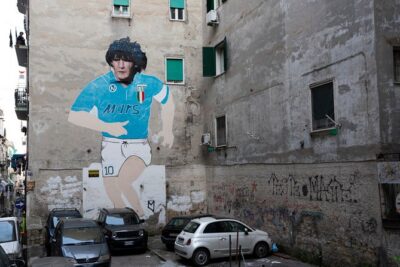
Naples Spanish Quarters Walking Tour Street Art, Folklore & Sweet
Read our review →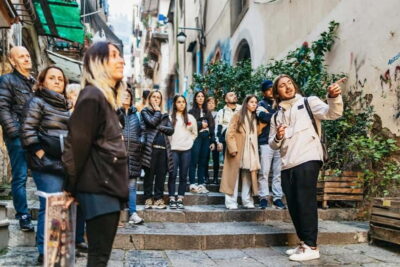
Naples: Spanish Quarters Folk Street Art w/ Sweets Tasting
Read our review →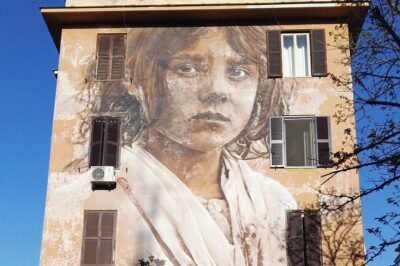
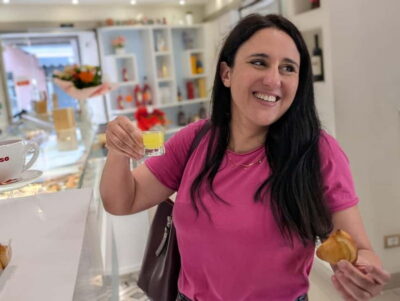
Naples: Street Art, Wine and Food Tasting Walking Tour
Read our review →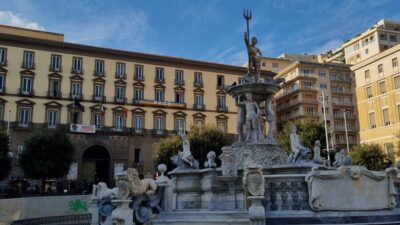
Naples Essentials: Monuments, Local Life & Street Art
Read our review →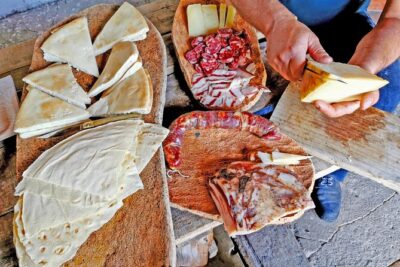
4×4 tour of Orgosolo: Murals and typical lunch at the shepherd’s
Read our review →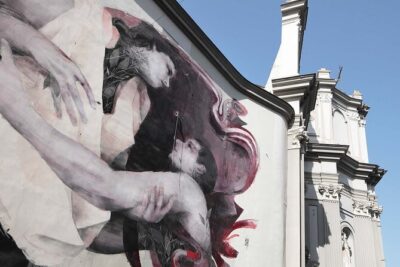
Rione Sanità tour among baroque, revival, street art & food
Read our review →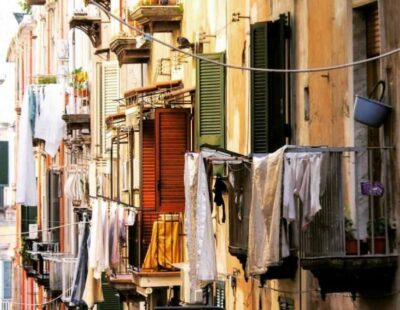
Naples: The Spanish Quarters, Street Art and Local Market
Read our review →Browse the lists this tour appears in