
Review · UK
Derry: Bloody Sunday and Bogside Murals Walking Tour
The most powerful part of this Derry walking tour is the way it connects places with people. You do not simply look at murals or hear a list of dates. You walk through the Bogside, stand near the site of Bloody Sunday, and hear how these events affected families in Derry. Guides such as Gleann, Glenn, Angela, Tony, Michael, and Wendy bring different personal connections to the story.
I like two things right away. First, the tour gives you the political background needed to understand why the Bogside became the heart of the Civil Rights movement. Second, the Bogside Murals turn a difficult subject into something you can see, discuss, and remember. The main consideration is the weather: this is an outdoor walk, and the route is not suitable for people with mobility impairments.
Key points to know before booking
- The Bogside Murals are the visual heart of the walk, with each image helping explain Derry’s modern past.
- Bloody Sunday is treated as a central human story, not just a date in a textbook.
- Guides often add personal family connections, giving the walk a direct local voice.
- The route lasts about 1.5 hours, enough for a focused introduction without taking up your whole day.
- You meet outside the Tower Museum at Magazine Gate, just inside Derry’s city walls.
- Rain and wind can affect the experience, so wear suitable clothing and shoes.
Starting at Magazine Gate inside Derry’s walls
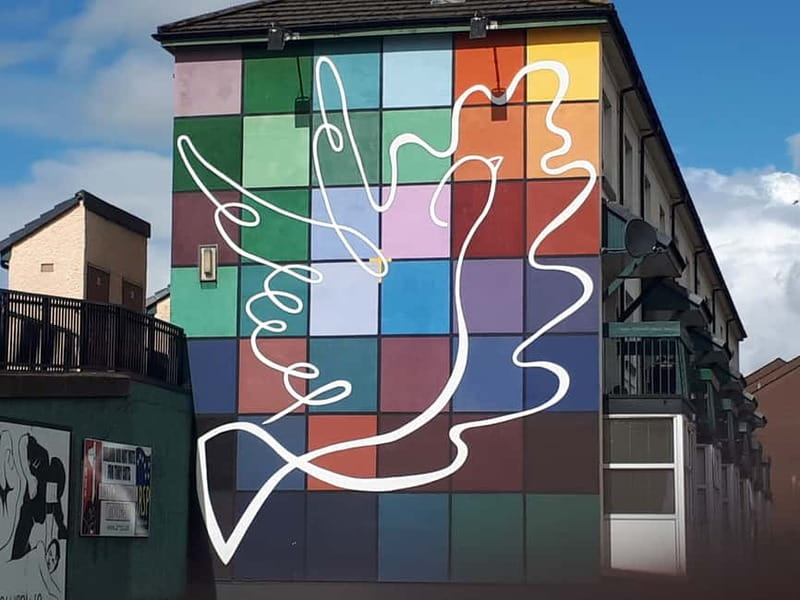
The walk begins outside the Tower Museum at Magazine Gate, just inside the city walls. This is a useful meeting point because it places you between two sides of Derry’s story: the historic walled city and the Bogside community below.
Your guide leads you from the city centre toward the Bogside, setting out the background before the tour reaches its most famous sites. The opening explanation covers the partition of Ireland, the creation of the six-county state, and the discrimination faced by Irish Catholics.
That context matters. If you arrive knowing only the phrase Bloody Sunday, the events can seem isolated. The tour explains the conditions that shaped the Civil Rights movement and helps you understand why housing, voting rights, policing, and political power became such urgent issues.
The walk is in English, and the guides use conversation as well as formal explanation. Several guides, including Gleann, Glenn, and Angela, are praised for mixing serious history with warmth and humour. That balance is useful here. Derry’s past is painful, but a guide who speaks naturally can make the subject easier to follow during a concentrated 90-minute walk.
More Mural Tours in the UK
- Belfast: Murals Taxi Tour
★ 4.9 · 2,047 reviews - Belfast’s Political Mural Taxi Tour
★ 5.0 · 1,180 reviews - Famous 1.5 hour Belfast Murals Tour
★ 5.0 · 477 reviews
The Bogside and the rise of the Civil Rights movement
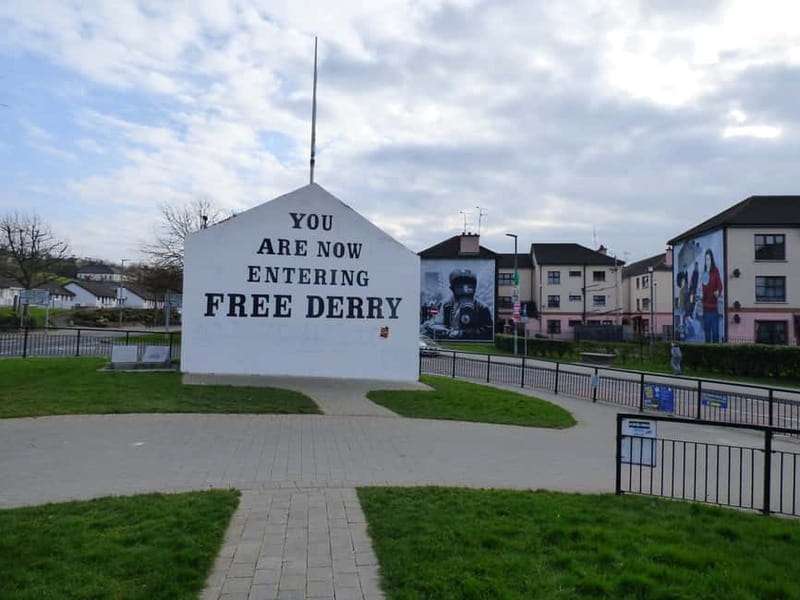
The Bogside is not simply a backdrop for the tour. It is the place where many of the key events took shape, and walking through it gives the history a physical setting.
You hear how widespread discrimination affected Irish Catholics during the twentieth century. The guide then links those conditions to the Civil Rights movement, which sought change through protest and public action. This part of the walk helps explain why the area became so important and why the language of rights remains central to Derry’s identity.
The guide’s local perspective is especially useful here. Some guides have family connections to the conflict, and several have shared personal experiences of growing up around these events. That does not replace historical evidence, but it adds an emotional layer that a museum label cannot provide.
Expect to stop often while the guide points out locations and explains what happened there. This is not a fast sightseeing stroll. It is a short route with plenty of listening, questions, and pauses. One useful feature is the guide’s ability to adjust the discussion to the group. If you already know the basic story, you can ask about details. If the subject is new to you, the guide can build the story from the beginning.
The Battle of the Bogside in 1969
The tour also explains the Battle of the Bogside in 1969, an important turning point in the area’s modern history. This section helps you see that Bloody Sunday did not happen without warning. Tensions had already grown through years of unequal treatment, protest, and conflict.
On a map, these events can feel distant. In the Bogside, the guide can show how the community and the surrounding streets fit together. You begin to understand why location mattered and why the district became such a focus for both resistance and state action.
This is also where a personal guide can make a big difference. Gleann is repeatedly praised for connecting the broad political story with the experiences of people from Derry. Michael, described as a local from the Bogside, has also led the walk, bringing a particularly direct connection to the area.
You should expect different guides to have different styles. Some are more reflective, while others use more humour and conversation. Names that appear among the guides include Gleann or Glenn, Angela, Ian, Tony, Michael, Laura, and Wendy. The common thread is a strong command of the subject and a willingness to answer questions.
The Bogside Murals tell the story in images
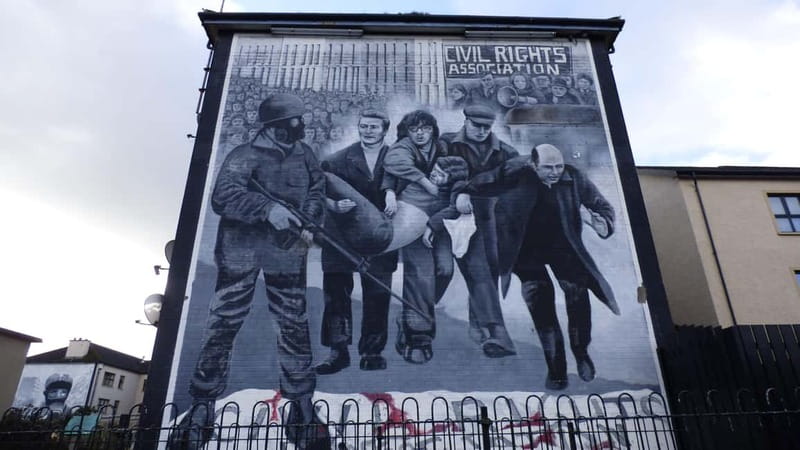
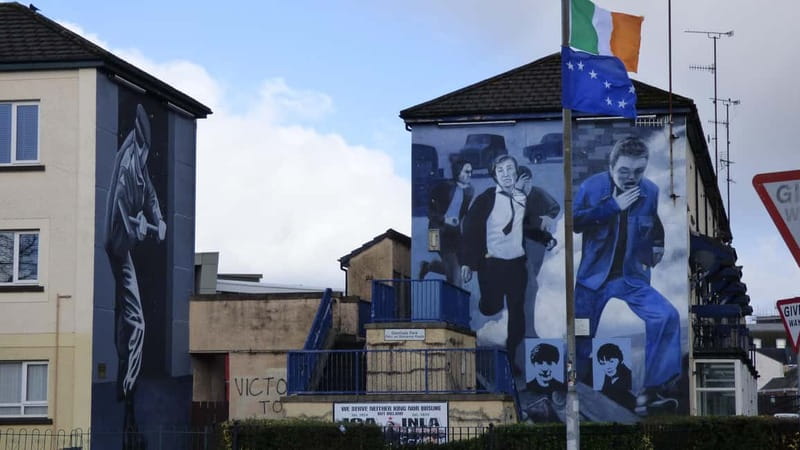
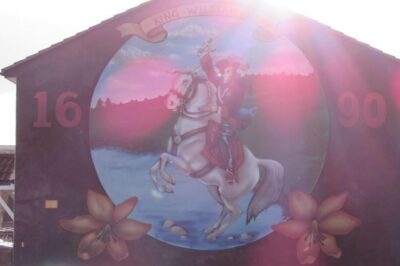
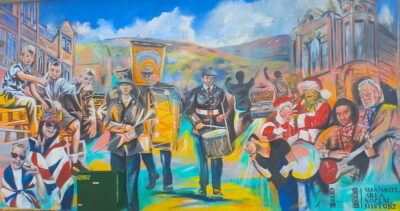
The murals are the visual centrepiece of the experience. Their importance is not only artistic. They show how the people of the Bogside have presented their own history and identity through public images.
As you walk, your guide explains what the murals depict and how they relate to the events discussed earlier. This makes the artwork easier to read. Instead of seeing a series of striking paintings, you see a visual account of protest, loss, community, and political memory.
The murals also give the tour a changing pace. The earlier sections depend heavily on listening. Here, you can look closely, take photographs, and ask questions about specific images. The art gives you something concrete to remember after the tour ends.
I would allow a little time after the walk to look again at the murals if your schedule permits. The tour lasts 1.5 hours, so the stops are focused rather than leisurely. You will hear the explanation with the group, but a second look can help you notice details that are easy to miss while following the story.
The murals are also a good reason to take this walk even if you have visited a museum about the Troubles. A museum can provide documents, objects, and a clear timeline. The Bogside gives you the setting and shows how public memory is displayed in the streets.
More Street Art Walking Tours in the UK
- London: Street Art and Graffiti Guided Walking Tour
★ 4.9 · 1,354 reviews - Glasgow Street Art Daily Walking Tour: 2pm
★ 5.0 · 648 reviews - Glasgow: Street Art Guided Walking Tour
★ 4.8 · 385 reviews - Belfast Troubles Murals Street Art and Peace Wall Walking Tour
★ 5.0 · 163 reviews
Standing at the site of Bloody Sunday
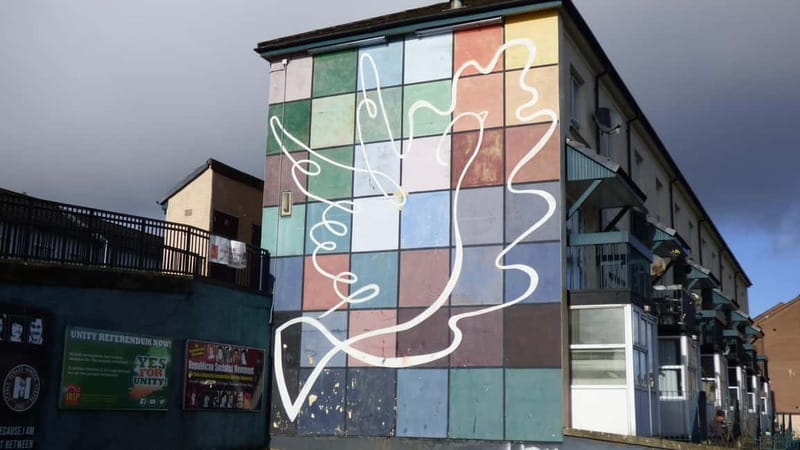
The most serious part of the route concerns Bloody Sunday, which took place in January 1972. The guide brings you to the site of the massacre and explains what happened there, along with the inquiries that followed.
This stop is likely to feel more solemn than the rest of the tour. You are not hearing about a distant battle in an unfamiliar place. You are standing in the area where the events occurred, surrounded by the community that has carried their memory for decades.
The guide’s tone matters greatly here. The best version of this tour is not theatrical. It is clear, respectful, and focused on the human cost. The strongest guide feedback points to this quality, with Gleann and Glenn often praised for combining careful explanation, personal insight, and compassion. Ian is also described as personable and well informed.
The inquiry process is worth hearing about because it shows that Bloody Sunday’s significance did not end on the day itself. The tour explains the investigations that followed and places them within the wider story of Derry and the conflict.
You should be prepared for difficult material. The tour is suitable for people who want to understand the history, but it is not a light city stroll. Guides may use humour during other sections, but the subject is handled with respect.
Ending at the Bloody Sunday monument
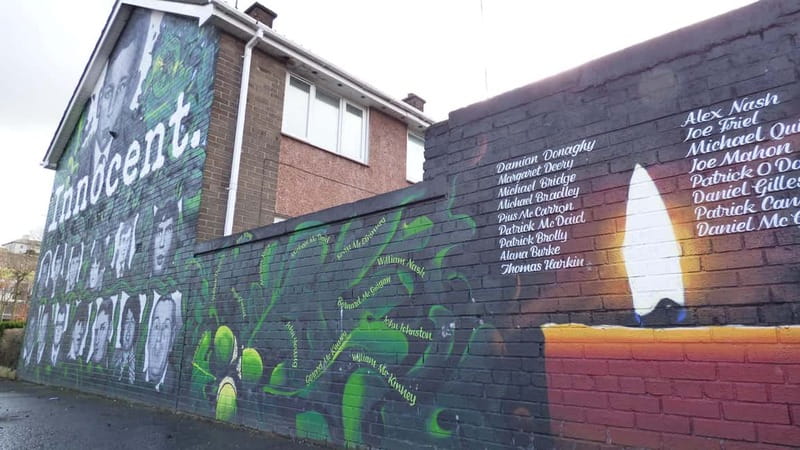
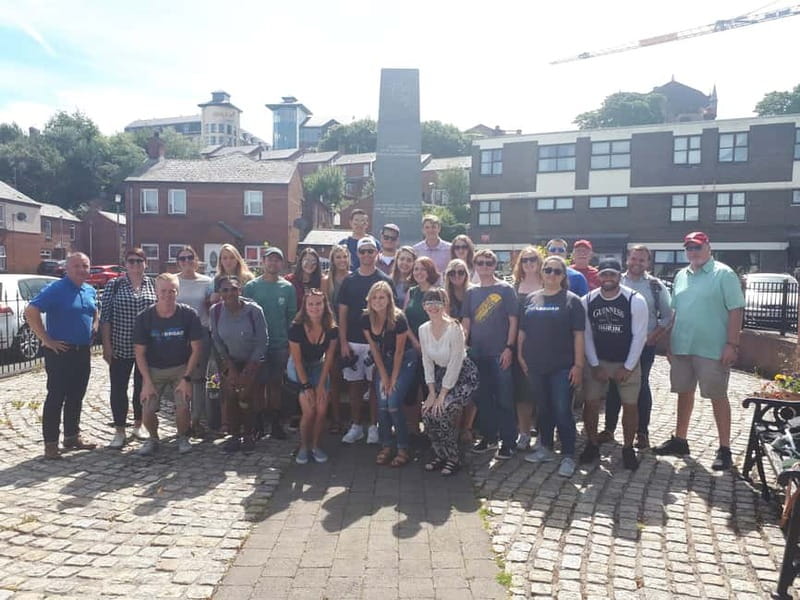
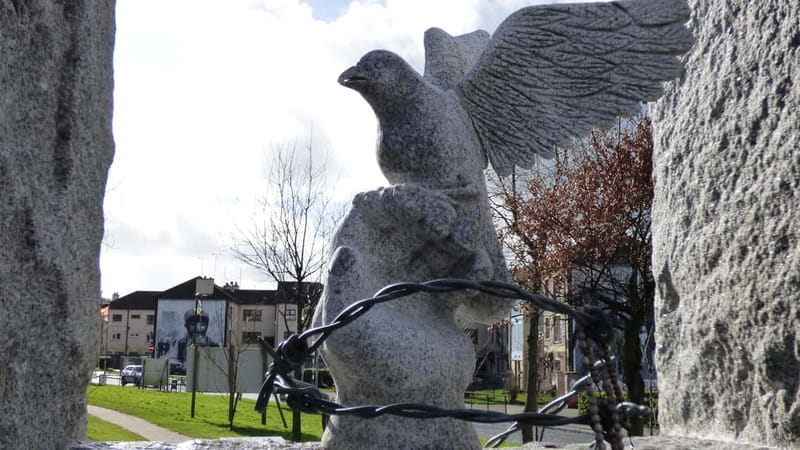
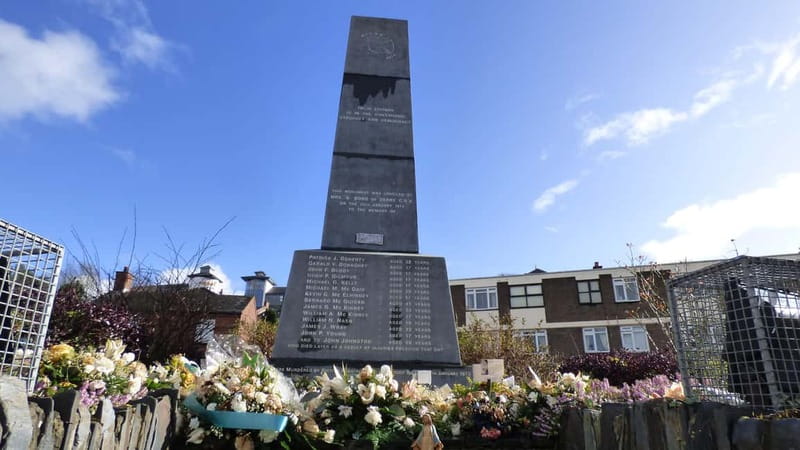
The walk concludes at the Bloody Sunday monument, a memorial to those who died and a lasting tribute to the Civil Rights Association.
Ending here gives the route a clear shape. You begin with the wider political background, move through the Bogside and its murals, visit the site connected with Bloody Sunday, and finish at a place of remembrance.
The monument is not treated as a quick photo stop. It gives the guide a final place to discuss memory, justice, and the continuing meaning of the events. You can take a moment after the explanation before moving on with your day.
Several guides have been praised for making the final part moving without losing clarity. One particularly useful quality is the ability to answer questions without turning the walk into a one-sided speech. You can ask about the historical timeline, the murals, family experiences, or how Derry has changed.
The tour gives some attention to how the conflict still affects life today, but this may not be its largest focus. If you want a detailed comparison with present-day Belfast or a long discussion of current politics, you may need another source or a separate tour. This experience is strongest as a focused history walk centred on the Bogside, the Civil Rights movement, and Bloody Sunday.
Why the guide makes the difference
A 1.5-hour tour can only cover so much. The quality depends on how well the guide selects and connects the information.
The praise for Gleann, Glenn, and Angela points to a useful mix of traits: clear explanations, personal warmth, humour, patience, and strong local knowledge. Some guides draw on family experiences, which gives the story an added human dimension. Others focus more on research and the wider history of the north of Ireland.
You may find that the walk changes slightly depending on who leads it. That is normal for a tour with several guides. One guide may spend more time on family stories, another on political history, and another on the murals. The core route and subjects remain the same.
A good tip is to arrive ready with questions. The guides are used to discussing difficult and complicated subjects, and the walk works best as a conversation rather than a lecture. If you already know something about Bloody Sunday, ask about the local details. If you are starting from scratch, say so and let the guide set the pace.
Is $35 a fair price?
At $35 per person, the price is reasonable for a 1.5-hour guided walk, especially if you want more than a quick look at the murals. You are paying for the route, but also for the guide’s ability to connect partition, discrimination, Civil Rights protests, the Battle of the Bogside, Bloody Sunday, and the memorial into one understandable story.
The value is strongest if you are new to Derry or have only a basic knowledge of the Troubles. In that case, the walk can give structure to the rest of your visit. You will know what you are looking at and why the Bogside matters.
If you have already spent several days studying the conflict, the tour may repeat some familiar background. Even then, the local setting and personal accounts can add something that books and exhibits do not.
The tour is also a good use of time for a short visit. It takes only 90 minutes, leaving room for the Tower Museum, the city walls, the Free Derry Museum, or other sights. One useful pairing is to visit the Free Derry Museum before the walk, then use the outdoor route to place that information in the streets.
Practical advice for the walk
Wear shoes you can walk in and bring waterproof clothing. Derry weather can change quickly, and the experience goes ahead outdoors in all weather.
The route is not suitable for people with mobility impairments. If you need a specific level of accessibility, confirm that before booking rather than assuming the route will work for you.
Meet outside the Tower Museum at Magazine Gate, just inside the city walls. Check the start time when booking, since the available time can vary.
The tour is conducted in English. If you want a walk in another language, this is not the right choice.
Free cancellation is available up to 24 hours in advance for a full refund, and you can reserve now and pay later. Those options are useful if your Derry plans depend on weather or a changing road trip schedule.
Who should book the Bogside walk?
I would recommend this tour to anyone who wants to understand Derry beyond its walls, churches, and attractive city centre. It is particularly useful for first-time visitors, people interested in twentieth-century Irish history, and anyone who wants to see the murals with proper context.
It suits adults and older teenagers who are comfortable with serious historical subjects. The guide keeps the walk human and sometimes funny, but the central material includes violence, loss, discrimination, and political conflict.
You may want a different experience if you are looking for a general sightseeing tour, a gentle stroll with little commentary, or a detailed account of present-day politics. This walk has a clear subject and stays close to it.
Should you book it?
Yes, if you want a direct introduction to Derry’s modern history. The route is short, the price is fair, and the combination of the Bogside Murals, Bloody Sunday site, and memorial gives you a strong sense of place.
Book it early in your visit if possible. The walk can help you understand everything else you see in Derry. Bring a coat, allow yourself time to listen, and be ready for a serious but engaging afternoon with a guide such as Gleann, Glenn, Angela, or another member of the Derry Guided Tours team.
FAQ
Where does the Derry Bloody Sunday and Bogside Murals Walking Tour begin?
The meeting point is outside the Tower Museum at Magazine Gate, just inside Derry’s city walls.
How long does the walking tour last?
The tour lasts approximately 1.5 hours.
What language is the tour conducted in?
The tour is conducted in English with a live English-speaking guide.
What will I see during the tour?
You will walk through the Bogside, see the famous Bogside Murals, visit the site of the Bloody Sunday massacre, and finish at the Bloody Sunday monument.
What historical subjects does the tour cover?
The tour covers the partition of Ireland, the creation of the six-county state, discrimination against Irish Catholics, the Civil Rights movement, the Battle of the Bogside in 1969, Bloody Sunday in January 1972, and the inquiries that followed.
Is the tour suitable for people with mobility impairments?
The tour is not suitable for people with mobility impairments.
Can I cancel or pay later?
You can cancel up to 24 hours before the tour for a full refund. You can also reserve your place and pay later.
Freshly painted around the UK
- Manchester Street Art: Quest Experience★ 4.0 · 6 reviews
- London Street Art Tour of the East End Semi-Private 12ppl Max★ 5.0 · 23 reviews
- The Great Street Art Experience★ 5.0 · 2 reviews
- Private Royal London Bike Tour with pub & street art★ 5.0 · 2 reviews
- Shoreditch Street Art Private Photography Tour including Brick Lane★ 5.0 · 5 reviews
- 3-Hour Private Tour of East London Graffiti & Street Art★ 4.5 · 5 reviews
- London Street Art Tour of the East End Exclusive Walking Tour★ 5.0 · 12 reviews
- London Unexpected Private Tour – Markets, Street Art & Camden Town★ 5.0 · 2 reviews
UK Street Art Tours, compared.
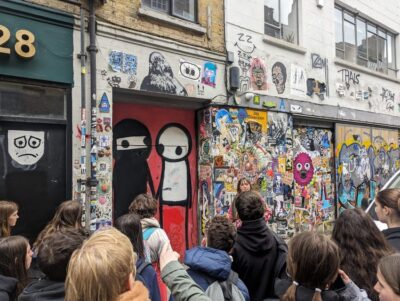
London: Street Art and Graffiti Guided Walking Tour
Read our review →
London Bike Tour: Landmarks, Secret Gems, Pub Stop & Street Art
Read our review →
Belfast: Private Black Taxi Cab Political Murals Tour
Read our review →Browse the lists this tour appears in