
Review · MELBOURNE
Melbourne Street Art Tour
Melbourne’s street art makes far more sense when you walk it with someone who actually works in the scene. This three-hour tour moves from Federation Square through famous lanes and quieter corners, then finishes inside Blender Studios, a working artists’ warehouse in West Melbourne. Guides have included Ben, Louis Moore, James, Akemi, Thomas, and Dave, all artists with their own stories and opinions.
I like the changing route, since you see a current snapshot rather than a fixed collection of walls. I also like the small group, capped at 13 people, which gives you time to ask questions. The main drawback is the walking: you need decent shoes, and the tour is not recommended for people with limited mobility. The route ends away from the starting point, so allow a little time to get back across town.
Key points before you book
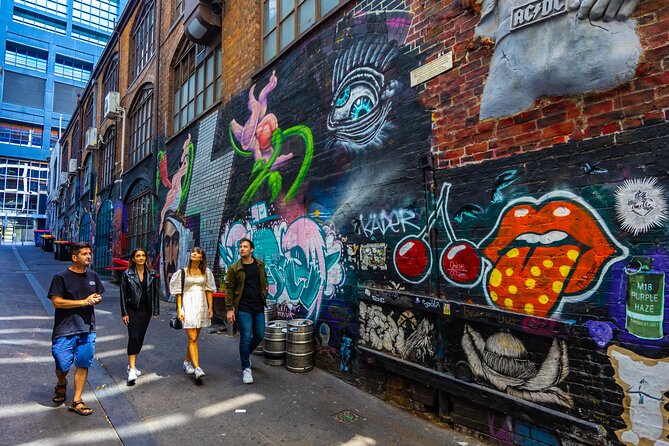
- The guide is a working street artist: You get practical insight into styles, techniques, local artists, rules, and the difference between graffiti and street art.
- The route changes often: Old works disappear and new ones take their place, so the exact lanes are not fixed.
- Hosier Lane is only the beginning: The tour includes famous lanes plus less obvious corners around central Melbourne.
- Blender Studios adds real access: You finish in a large working warehouse, meet artists, and see where public art is developed.
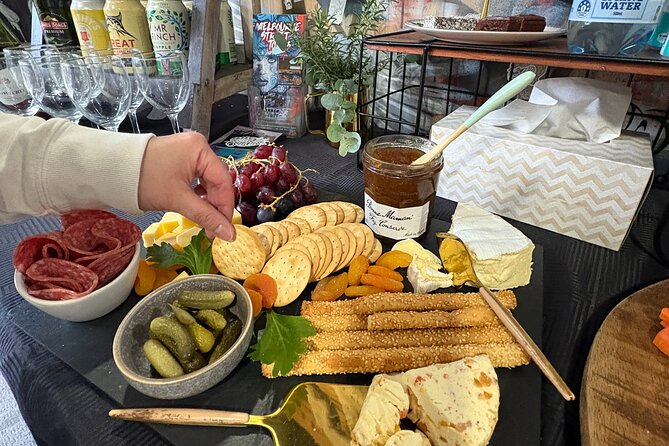
- Food and drinks are included: Cheese, fresh fruit, wine, and beer are served at the studio, with a vegetarian option available if requested.
- Plan for a three-hour walk: The tour starts at 1:30 p.m. at ACMI in Federation Square and ends at 400 Spencer Street.
Why this tour gives Melbourne’s walls a voice
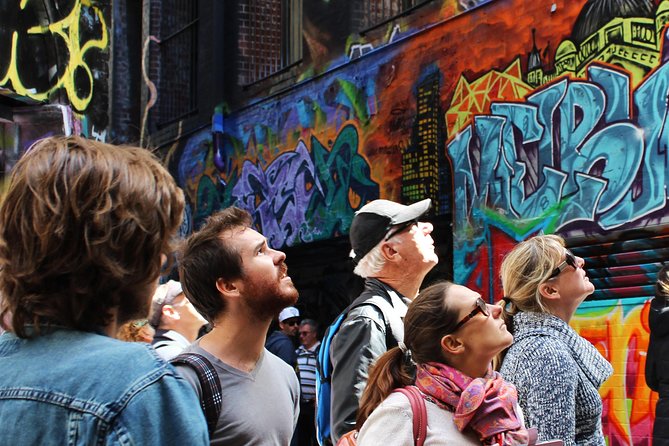
You can walk through Hosier Lane on your own in five minutes. You can photograph the murals, read the tags, and move on to AC/DC Lane or another famous strip. What you cannot easily get on your own is the context.
A working artist can explain why one piece is seen as street art while another is treated as graffiti. You hear about technique, scale, legal limits, local habits, and the unwritten rules of the scene. That changes the way you look at the walls. Instead of seeing a single mass of color, you begin to notice stencils, paste-ups, tags, lettering, murals, and quick pieces made for a short life.
The guides bring different personalities to the walk. Ben has been praised for his clear explanations and relaxed manner. Louis Moore has shown groups his own work along with the work of other artists. Thomas has led groups through the art styles and added a chance for some guests to make street art themselves. James and Akemi have also been singled out for their art knowledge and engaging storytelling.
The important point is not which guide you receive. The value comes from having an artist lead you through a scene they understand from the inside. Since the guide roster can change, you should treat the names above as examples, not a promise of your assigned guide.
More Street Art Tours around Australia:
- PERTH BAR+STREET ART TOUR: Hidden Secrets, Laneways + Good Times!
★ 5.0 · 183 reviews - Melbourne: Street Art Walking Tour with a Street Artist
★ 4.9 · 147 reviews - Sydney Street Art & Food Tour
★ 5.0 · 120 reviews
Starting at ACMI in Federation Square
Meet at the ACMI sign on Flinders Street, beside the double-decker buses, at 1:30 p.m. The opening check-in takes about five minutes. Your guide introduces the tour, explains the plan, and gives you some background on their own art practice.
This is a handy meeting point in central Melbourne. Federation Square is easy to reach by public transport, and the tour begins right in the middle of the city rather than requiring a hotel pickup. There is no hotel pickup or drop-off, so you need to make your own way there.
That opening introduction matters more than it might seem. Street art is personal and often political, and your guide’s own practice helps explain the viewpoint they bring to the walk. You are not getting a standard script from a sightseeing guide. You are hearing from someone connected to the people and spaces being discussed.
The tour has a maximum of 13 people. That is small enough for conversation without making the experience feel like a private tour. It also helps when the group stops in a narrow lane and the guide needs everyone close enough to hear.
Hosier Lane, famous for good reason
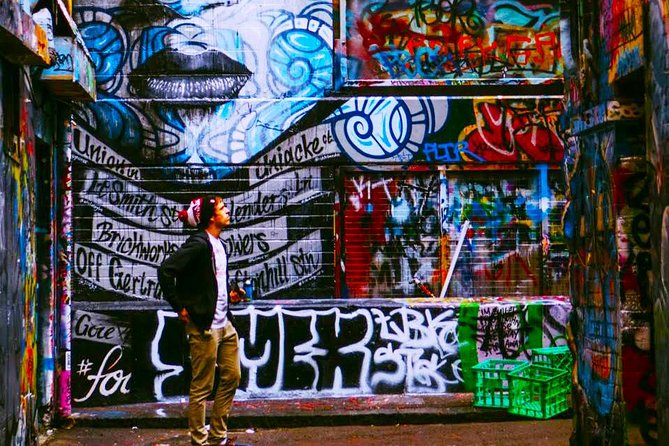
The first major stop is Hosier Lane, where you spend about 10 minutes. This is Melbourne’s best-known street art address, and it is likely to be busy and heavily photographed.
The guide’s role here is not simply to point out the biggest mural. You learn how artists view Hosier Lane and how its reputation has changed over the years. The lane is useful as a starting point because it lets you compare the public image of Melbourne street art with the less polished, less predictable work found elsewhere.
You might see pieces that have been painted over, altered, or covered since your last visit. That is part of the point. Street art is temporary. A wall can change several times, and the artwork you came to see may no longer exist.
If you already know Hosier Lane, do not assume this first stop will feel repetitive. The guide’s explanation adds another layer. You may also get a useful lesson in how to look, rather than simply another list of famous walls.
Two hours through Melbourne’s changing lanes
Most of the tour, about two hours, is spent walking through Melbourne’s central lanes and nearby streets. The exact path changes because artworks vanish, new ones appear, and access to particular locations can shift.
That changing route is one of the tour’s strongest features. A fixed itinerary would age quickly in Melbourne. Here, the guide can respond to what is current, show you recent work, and take you away from the most obvious photo stops.
You pass through well-known lanes and may also visit quieter corners that are easy to miss when you are exploring alone. The guide explains the stories behind artworks and introduces the artists where possible. The discussion can include styles, tools, working methods, local rules, legal questions, and the development of Melbourne’s street art culture.
The pace is a walking pace, not a race between attractions. You should expect frequent stops to look closely and listen. Bring comfortable shoes and a hat, especially if the afternoon is warm. The tour operates in all weather, so a rain jacket is sensible as well.
One useful feature is the chance to ask questions as you go. If you have always wondered how a large mural is planned, why a piece is painted over, or how artists earn recognition in a scene that often works outside formal galleries, this is the time to ask.
A guide may also show you their own work. Louis Moore, for example, has been noted for pointing out his art during the walk. Another guide may bring a different focus, depending on their practice. That personal connection helps keep the tour grounded in real people rather than treating street art as decoration.
You might spot a Banksy, but that should not be your reason for booking. The tour is about understanding the full scene, not hunting one famous name. The more useful result is that you leave able to read the walls with greater care.
Same walls, a different way in:
- Brisbane Small Bars and Street Art Tour
★ 5.0 · 34 reviews - Street Food & Street Art, Backroads & Boroughs
★ 5.0 · 23 reviews - Fremantle: Convicts, Culture, and Street Art
★ 4.8 · 23 reviews - Paint and Palate Street Art Tour with Food
★ 5.0 · 21 reviews
What makes the guide worth paying for
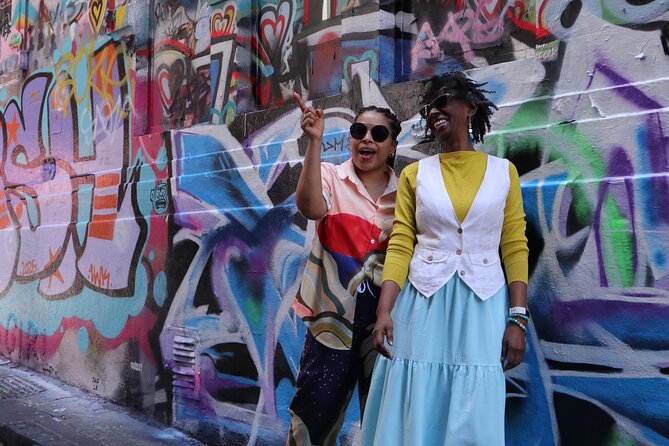
The $60.97 price is reasonable if you want more than a self-guided stroll through the central lanes. You are paying for about three hours, a local art guide, a small group, the Blender Studios visit, and food and drinks at the end.
If your plan is only to see Hosier Lane and take a few photographs, you can do that for free. The price begins to make sense when you value interpretation and access. You are getting explanations that are difficult to find on a sign or in a guidebook, plus a visit to a working artists’ collective.
The strongest part of the guiding is the distinction between different kinds of work. Without context, a wall can look like a jumble of paint and lettering. The guide helps you notice the thought behind composition, the skill in the technique, and the social rules that shape what appears in public.
I also like that the tour does not insist you admire everything. One guide encouraged the group to decide what they liked for themselves. That is a good approach. Street art is not meant to be a polite parade of universally approved images, and your guide can explain the scene without telling you what to think.
Blender Studios, the rewarding finish
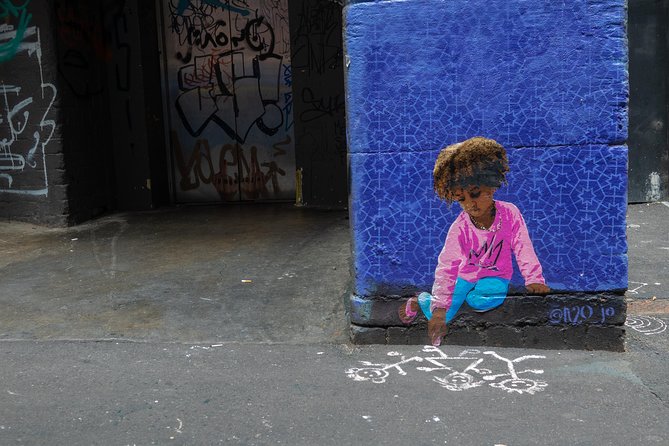
After the city walk, the group heads to Blender Studios at 400 Spencer Street in West Melbourne. The studio is the final stop and lasts about 30 minutes, though the social part of the visit may make it feel more relaxed than a timed museum stop.
Blender Studios is a large warehouse where artists work. You get an exclusive look around, meet artists, and see work in a studio setting. This changes the emphasis of the afternoon. On the streets, you see finished pieces exposed to weather, repainting, and public reaction. At the studio, you see the work behind the work.
The studio visit is especially useful if you want to understand that public art does not appear by magic. Artists experiment, revise, and develop ideas away from the wall. Seeing their workspace gives you a better sense of the planning and practice behind the quick-looking pieces you see in the lanes.
The visit ends with cheese, fresh fruit, wine, and beer. The included food is simple, but it is a welcome touch after two hours on foot. It also gives you a chance to talk with the guide and other artists in a less formal setting.
A vegetarian option is available if you request it when booking. Beverages and afternoon tea are included, but this is not a full meal, so plan accordingly if you are hungry.
The walk back and the small practical catch
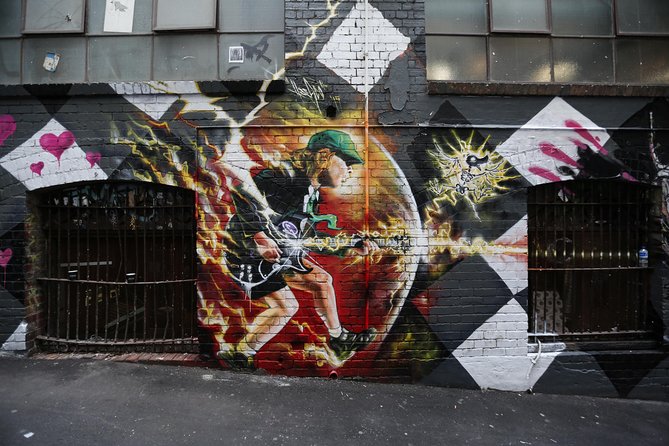
The tour does not return to Federation Square. Blender Studios is about a seven-minute walk from Queen Victoria Market and Southern Cross Station, and it is within Melbourne’s Free Tram Zone. That makes the finish convenient for continuing your afternoon, though it may not be convenient if you have left belongings near the starting point.
One person’s route back to the starting area required a tram, which is worth remembering when planning a tight evening booking. The end point is useful in its own right. You can continue toward Queen Victoria Market, Southern Cross Station, or nearby central areas without arranging a taxi.
The tour is held in all weather. Melbourne weather can shift, so bring layers and rain protection rather than hoping for a dry forecast. Service animals are allowed, and children must be accompanied by an adult.
The walk requires a moderate level of fitness. It is not recommended for people with limited mobility, though the provider asks you to enquire about alternative options. The exact route changes, so you should not assume every departure will have the same walking distance.
Who will enjoy this afternoon most
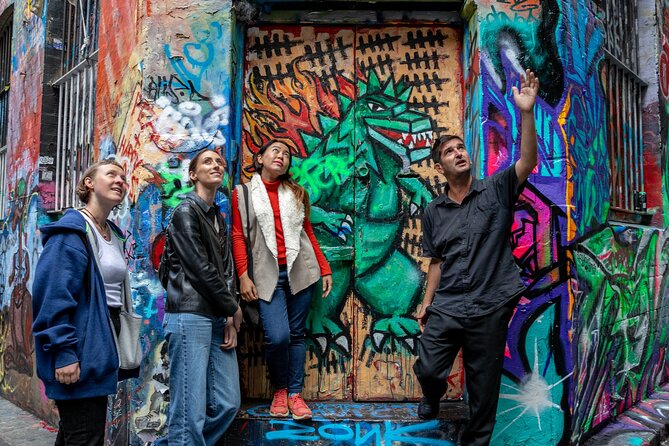
I would choose this tour for a first or second visit to Melbourne if you want to see the city from a local creative point of view. It also suits anyone who has already photographed the famous lanes but wants to understand what they are looking at.
It works well for:
- Visitors interested in contemporary art, graffiti, design, or photography
- People who prefer a small walking group to a large bus tour
- Anyone curious about the rules and culture behind public art
- Families with older children who can manage a three-hour walk
- Repeat visitors looking for a different side of central Melbourne
- People who enjoy meeting artists in working spaces rather than only visiting formal galleries
You may not enjoy it as much if you dislike walking, want a guaranteed list of famous artworks, or need a fully accessible route. The tour changes with the city, so it cannot promise a particular wall or artist on a particular day.
Photographers should also keep expectations sensible. You will see many good subjects, but the tour is built around explanation and conversation, not long periods at each wall for careful composition.
Booking, cancellation, and timing
The tour costs $60.97 per person and has recorded strong demand, with more than 10 bookings in the previous month. Confirmation is sent at booking, and the ticket is mobile, so you do not need to print anything.
Free cancellation is available up to 24 hours before the 1:30 p.m. start time. Cancellations or changes made inside that window are not refunded. The experience also needs a minimum number of participants, and if that minimum is not met, you are offered another date or a full refund.
Give yourself time to reach ACMI before the start. The opening check-in is short, and late arrival could be awkward once the group leaves Federation Square.
Is the Melbourne Street Art Tour worth booking?
Book it if you want the stories, people, and working methods behind Melbourne’s famous walls. The combination of a practicing artist, a changing route, a small group, and the Blender Studios visit gives you much more than a photo walk.
I especially like the finish at the studio. It turns a city stroll into a fuller look at how artists work, and the cheese, fruit, wine, and beer make the afternoon feel social rather than hurried.
Skip it if you only want a quick look at Hosier Lane or if a long walk is difficult for you. For everyone else, $60.97 is fair value for three hours of local interpretation and access to a working art space. Wear good shoes, bring weather protection, and arrive ready to look past the biggest mural.
FAQ
Where does the Melbourne Street Art Tour start?
The tour starts at the ACMI sign on Flinders Street in Federation Square, Melbourne VIC 3000.
What time does the tour begin?
The start time is 1:30 p.m.
How long does the tour last?
The tour lasts approximately 3 hours and 5 minutes.
Where does the tour finish?
The tour finishes at Blender Studios, 400 Spencer Street, West Melbourne VIC 3003.
Is hotel pickup included?
No. Hotel pickup and drop-off are not included. You make your own way to ACMI and away from Blender Studios.
What is included in the price?
The tour includes a local guide, afternoon tea, and beverages. The food includes cheese and fresh fruit, with wine and beer available at Blender Studios.
Is the tour suitable for children?
Children must be accompanied by an adult.
Is a vegetarian option available?
Yes. You should advise the provider when booking if you require a vegetarian option.
Does the tour operate in bad weather?
Yes. The tour operates in all weather conditions, so you should dress appropriately.
Is the tour suitable for people with limited mobility?
The tour is not recommended for people with limited mobility. You can contact the provider to ask about alternative options.
How many people are in each group?
The tour has a maximum of 13 participants.
Can I cancel for a full refund?
Yes, if you cancel at least 24 hours before the experience start time. Cancellations or changes made less than 24 hours before the start are not refunded.
Freshly painted around Australia
- Sydney Small Bars and Street Art Tour★ 5.0 · 14 reviews
- Melbourne Street Art Quest: Self-Guided Urban Story Game★ 3.5 · 3 reviews
- Melbourne Street Art Tour with a Local: Private & Personalized★ 4.5 · 3 reviews
- Fremantle – Convicts, Culture & Street Art★ 5.0 · 8 reviews
- Hipster and Street Art Walking Tour★ 5.0 · 13 reviews
- Hidden Adelaide: Laneways and Street Art Tour★ 5.0 · 6 reviews
- Paint and Palate Street Art Tour with Food★ 5.0 · 21 reviews
- Sydney: Street Art & Small Bar Tour with Complimentary Drink★ 5.0 · 4 reviews
Melbourne Street Art Tours, compared.
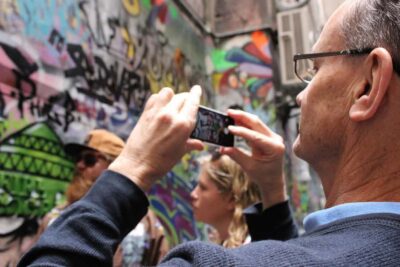
Melbourne: Street Art Walking Tour with a Street Artist
Read our review →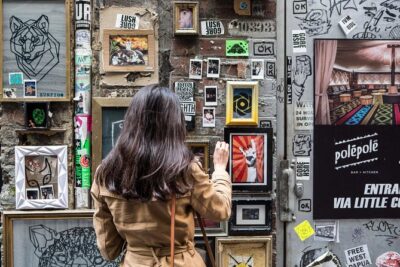

Self-Guided Street Art Tour in Melbourne with Fun Cryptic Clues
Read our review →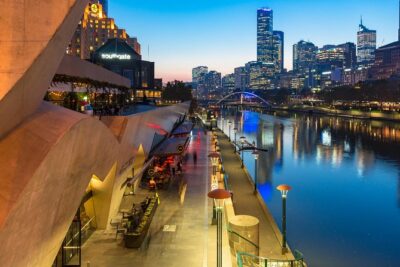
Melbourne Street Art Tour with a Local: Private & Personalized
Read our review →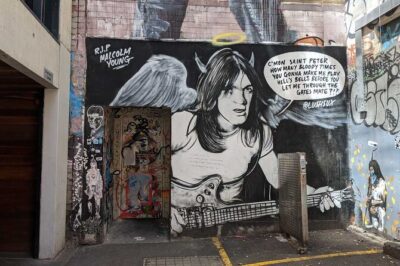
Melbourne Street Art Quest: Self-Guided Urban Story Game
Read our review →Browse the lists this tour appears in