
Review · AUSTRALIA
Fremantle: Convicts, Culture, and Street Art
Fremantle’s best stories are tucked into its streets, tunnels, harbour corners, and old stone buildings. This two-hour walking tour links those places with tales of convicts, sailors, migrants, Indigenous dispossession, and the tough characters who shaped the port.
I like the mix of serious history and local humour, and I like that the route includes street art and everyday Fremantle, not just grand landmarks. The main thing to consider is the weather: you are outdoors for the full walk, and winter can bring cold rain.
Key points at a glance
- Convict-built Fremantle: Learn why almost 10,000 men were transported from Great Britain and Ireland and how they helped build their own prison.
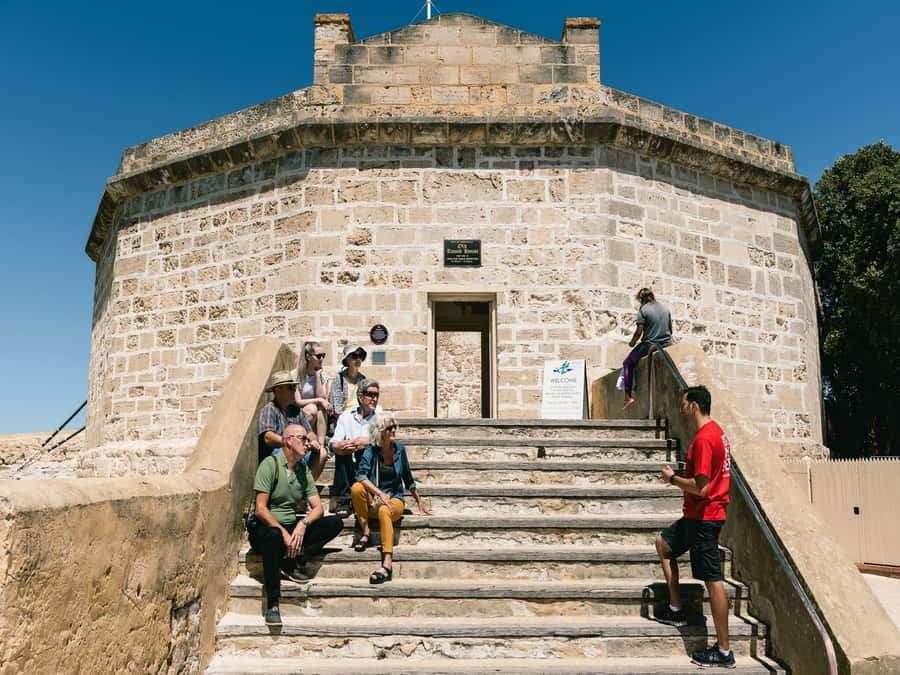
- A route with variety: Walk from Kings Square along the Cappuccino Strip, boat harbour, West End, High Street, Whaler’s Tunnel, and Roundhouse.
- Stories beyond the plaques: Hear about prisoner escapes, convict antics, maritime workers, pioneering figures, migrants, and the forced removal of Indigenous people to Rottnest Island.
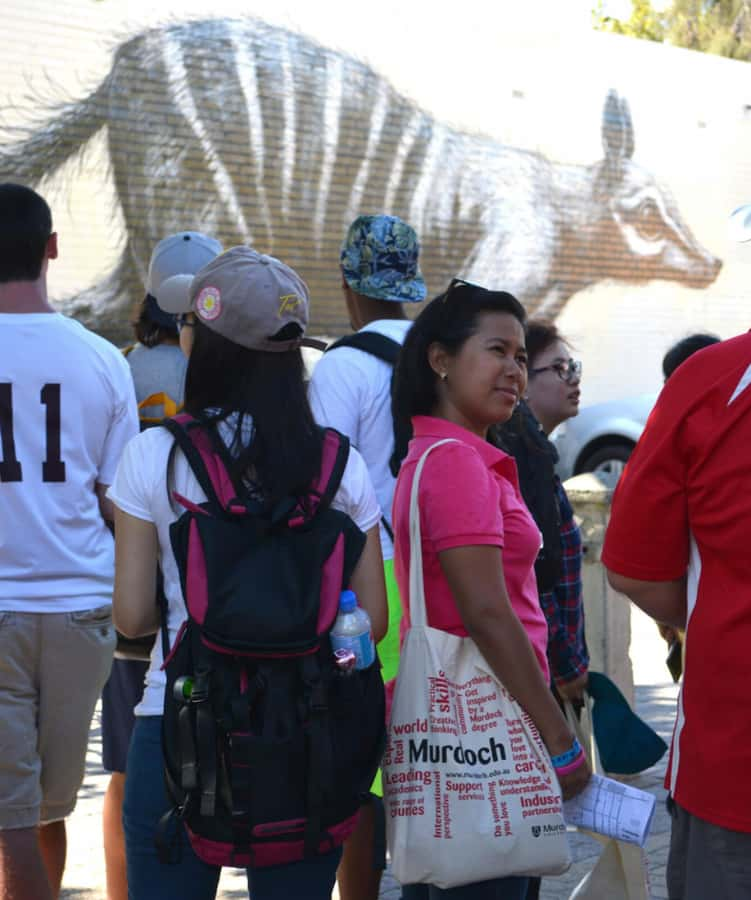
- Street art with context: Look at Fremantle’s murals and artwork while learning how the city’s past still appears on its walls.
- Guides who adapt: Hosts including Winona, Vaughan, Joanie, and Daniel are praised for clear storytelling, relaxed pacing, and answering questions.
- Good first-day choice: The local tips and museum suggestions can help you plan the rest of your time in Fremantle.
Why this Fremantle walk is more than a history lesson
Fremantle can look easy to understand at first. There is the port, the old buildings, the markets, the cafés, and the sea. But the city’s character comes from several pasts layered together: Aboriginal displacement, British convict transportation, whaling, immigration, shipping, prison life, and the growth of a multicultural port.
This tour works because it moves through those layers on foot. You are not placed in front of one building for two hours while someone recites dates. Instead, the guide uses the streets as prompts. A tunnel leads to a story about the whaling era. A prison building opens a discussion about convict labour. Street art becomes a way to think about how Fremantle presents its identity today.
I especially like this approach if you are new to the city. The walk gives you a working map of central Fremantle while explaining why the place feels different from Perth. You get the basic orientation, but you also get the odd detail that helps a destination stick in your mind.
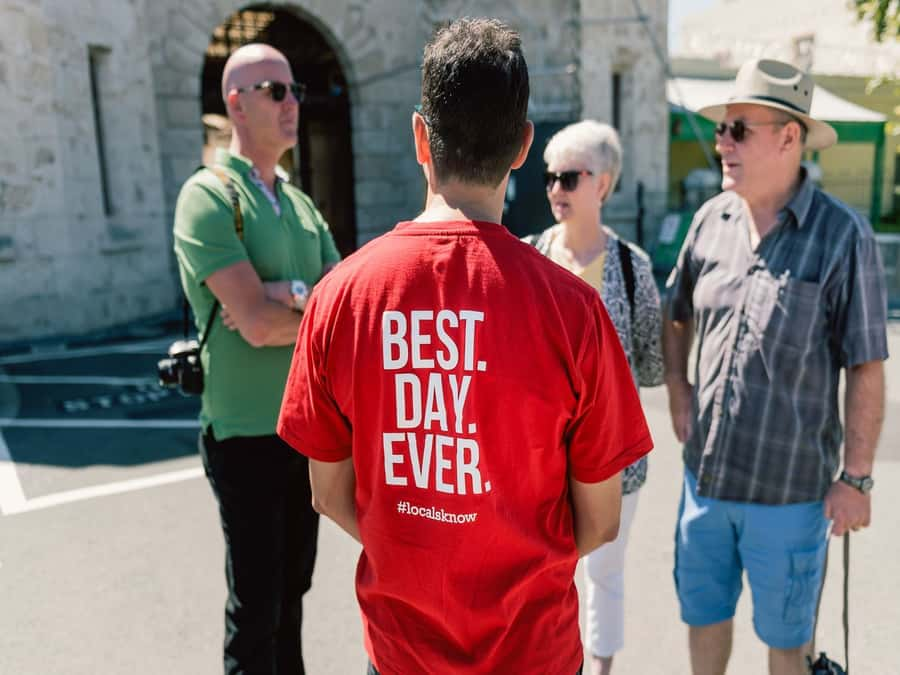
The tone is meant to be relaxed and anecdotal. Guides such as Winona and Vaughan have been singled out for their local insight and easy manner. Joanie is described as an excellent host, while Daniel is noted for being both personable and well informed. That matters on a walking tour. A guide who can respond to questions and adjust the pace will make the same route feel far more useful than a fixed speech.
More Street Art Tours around Australia:
- Melbourne Street Art Tour
★ 5.0 · 378 reviews - PERTH BAR+STREET ART TOUR: Hidden Secrets, Laneways + Good Times!
★ 5.0 · 183 reviews - Melbourne: Street Art Walking Tour with a Street Artist
★ 4.9 · 147 reviews
Starting at Kings Square and the Visitors Centre
The tour begins at the Fremantle Visitor Information Centre in Kings Square, at Kings Square, Fremantle WA 6160. This is a practical starting point because you can arrive by public transport, find local information, and begin close to the central streets.
Your guide introduces the city through its main stories, then leads you into the walking route. Expect a blend of factual background and memorable anecdotes rather than a formal lecture. The stories include Fremantle’s maritime past, pioneering figures, prison escapes, and the unusual behaviour of convicts and sailors.
Kings Square is also a useful place to begin if you have limited time in town. You quickly learn where the central areas sit in relation to one another. Later, you can return to places that caught your interest, or use the guide’s suggestions to choose a museum.
The route is accessible to wheelchair users, but it is still a walking tour over city streets and historic areas. If you have specific mobility needs, it is sensible to confirm the current route with the local partner before departure.
The Cappuccino Strip and Fremantle’s everyday life
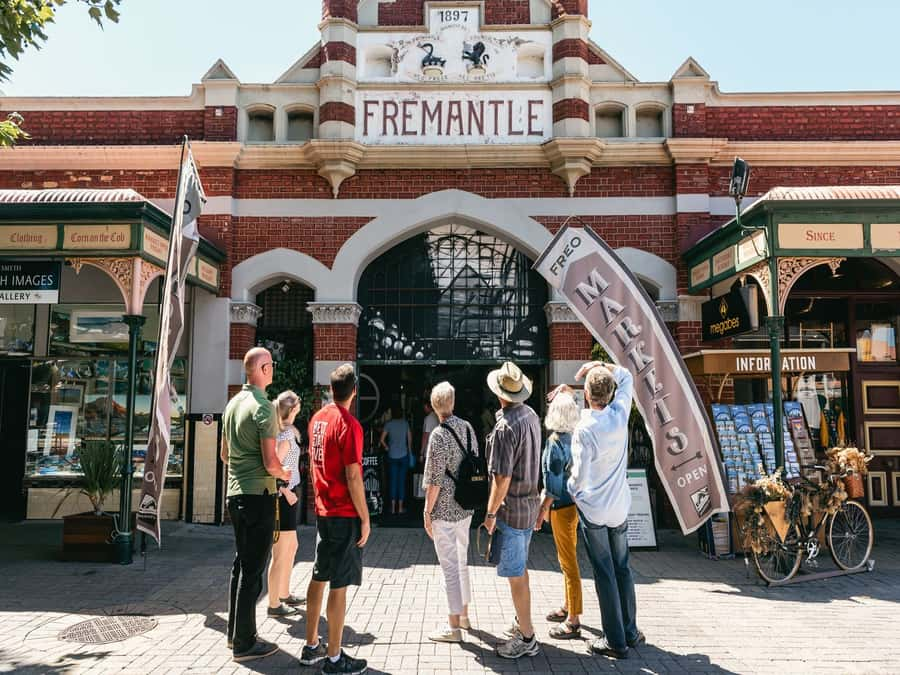
The walk continues along Fremantle’s well-known Cappuccino Strip. This part of town brings the tour into the present. Cafés, shops, markets, and passing pedestrians provide a lively setting for stories about the city’s changing culture.
This is where the tour’s title makes sense. Fremantle is not presented only as a place of old prisons and port buildings. It is also a town shaped by newcomers, food, public life, art, and different cultural traditions. The guide connects the modern street scene with the people who arrived by sea and helped form the community.
I like having this section early in the walk because it keeps the history grounded. You can look at the cafés and narrow streets while hearing how Fremantle grew as a gateway for migrants. The city’s cultural mix is not treated as a separate subject. It is part of the story of the port.
The Cappuccino Strip can be busy, so you should expect some street noise and normal city activity. That is part of the setting, but it may make it harder to hear at moments. Stay close to the guide and ask for a repeat if you miss a detail.
Maritime stories near the boat harbour
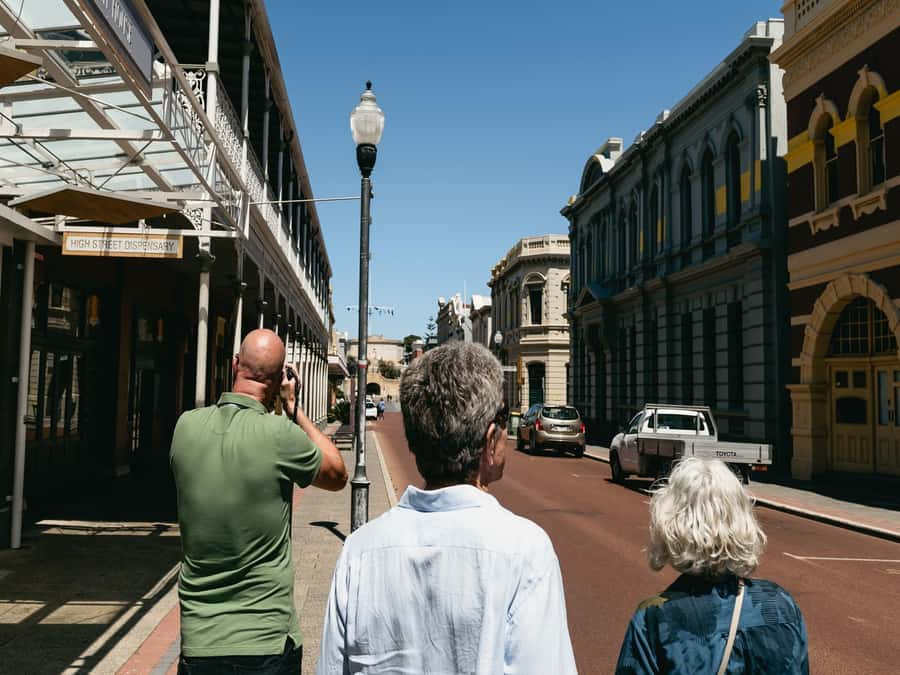
Fremantle’s connection to the water becomes clearer near the boat harbour. This section focuses on the port’s working past, including whaling stations, sailors, migrants, and the hard-edged people who passed through town.
The stories here give you a sense of the risks and pressures of port life. Fremantle was not built only by respectable civic leaders. It was also shaped by people working at sea, newly arrived immigrants trying to start again, and prisoners brought from Britain and Ireland.
The tour promises some hair-raising tales, and that description fits the subject matter. You hear about escapes and convict antics alongside the more official account of prison construction and colonial expansion. The balance is useful. It keeps the walk entertaining without turning the past into a harmless adventure story.
The story of Indigenous people being expelled to Rottnest Island adds an important and painful part of Fremantle’s history. This is one of the reasons a guided walk can be more valuable than simply photographing old buildings. The guide can explain the human consequences behind the city’s development.
You should not expect a long visit inside a museum during this tour. The harbour section is viewed as part of the walk, and the emphasis is on connected stories and landmarks.
Same walls, a different way in:
- Sydney Street Art & Food Tour
★ 5.0 · 120 reviews - Brisbane Small Bars and Street Art Tour
★ 5.0 · 34 reviews - Street Food & Street Art, Backroads & Boroughs
★ 5.0 · 23 reviews - Paint and Palate Street Art Tour with Food
★ 5.0 · 21 reviews
The Whaler’s Tunnel and the old West End
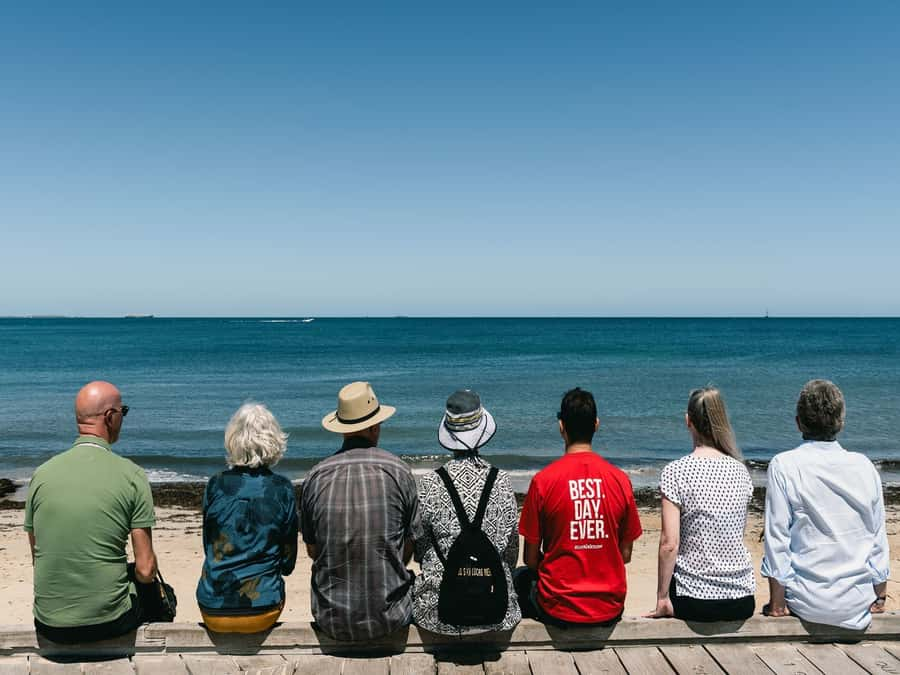
The Whaler’s Tunnel is one of the route’s most unusual points. It places you close to the physical remains of Fremantle’s whaling past and gives the guide a strong setting for stories about the sea and the people who worked around it.
Historic spaces like this are easier to appreciate when you know what to look for. The guide helps turn a passageway into evidence of an older Fremantle, when whaling and shipping were central to local life. It is a small stop, but it adds texture to the walk.
From there, the route reaches the narrow streets of the West End. These streets bring together old architecture, port history, cafés, shops, and street art. The area is particularly useful for understanding how Fremantle’s past remains visible in its current appearance.
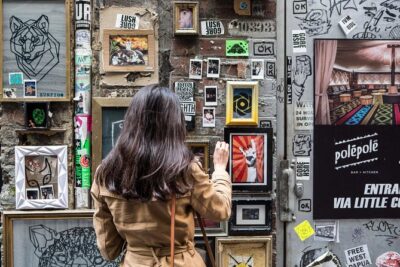
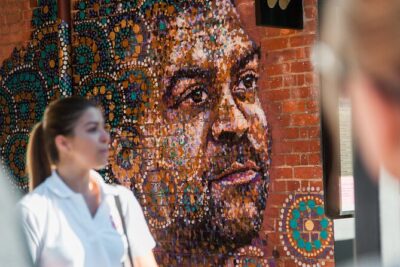
The street art is not treated as a separate photo stop with no context. You learn about the stories and ideas that the artwork can relay, then connect them to the city around you. That makes this part worthwhile for people who want culture as well as colonial history.
The West End can also be one of the most atmospheric parts of the route. You get a sense of scale that is easy to miss from a vehicle. Narrow streets, old façades, harbour links, and public art all sit close together.
High Street, Roundhouse, and convict Fremantle
High Street and the Roundhouse provide the clearest link to Fremantle’s convict era. The tour explains why nearly 10,000 men were transported from Great Britain and Ireland, and how convicts helped build their own prison.
That detail is worth pausing over. Convict transportation was not simply a story of prisoners being sent away. The system supplied labour that changed Western Australia’s buildings, roads, and institutions. Fremantle’s historic appearance is closely tied to that labour.
The Roundhouse also gives the guide a natural place to discuss prison life, escapes, discipline, and the personalities of the men held in Fremantle. The stories are often strange or funny, but the broader setting remains serious. You get the character of the people involved without losing sight of the punishment and forced labour behind the colonial project.
The tour does not present Fremantle as a perfect old town. Alongside convict stories, it addresses the removal of Indigenous people to Rottnest Island and the unequal forces that shaped Western Australia. That balance is important. You can enjoy the architecture and local character while still understanding the harm tied to the city’s development.
If you want a full interior visit to the Roundhouse or a detailed prison tour, check what is included before booking. This experience is a guided walking tour through the area, not a dedicated admission tour of every attraction.
Guide style and pace
The strongest part of this experience is the guide. The available hosts include Winona, Vaughan, Joanie, and Daniel, and the feedback about them is notably consistent: relaxed delivery, strong local knowledge, clear answers, and a friendly manner.
Winona has been praised for asking what a small group wanted to learn rather than simply repeating a fixed speech. That is a useful detail if you prefer conversation to a memorized script. Vaughan’s walk has been described as informative and easygoing, with enough local detail to help plan further exploration.
The pace is intended to be comfortable. One walk continued for nearly three hours because the group was enjoying the stories, but the listed duration is two hours. Treat two hours as the standard plan, and allow extra time if the guide or group spends longer on questions.
A small group can make the experience feel more personal, but group size is not specified, so you should not book expecting a private tour. The guide may be able to adapt more when the group is small, as happened on one reported walk.
English is the only stated tour language. You need to be comfortable following spoken English while walking outdoors.
Is $46 good value?
At $46 per person, this is not the cheapest way to see Fremantle, since much of the route takes place on public streets. The value comes from the interpretation, the local stories, and the time saved working out what you are looking at.
I would consider it good value if you are visiting for the first time and want context quickly. In two hours, you cover several distinct parts of town and learn how they connect. You also receive local tips that can shape the rest of your visit.
The price makes less sense if you only want photographs or prefer to explore without a guide. You can walk through central Fremantle independently, but you will miss the connected account of convict labour, maritime work, immigration, street art, and Indigenous history.
The tour is especially useful at the start of a Fremantle stay. Afterward, you can decide which museums, markets, or historic sites deserve more of your time. A guide also helps you avoid spending your whole visit on only the most obvious buildings.
Weather, shoes, and practical planning
Wear comfortable shoes. The route covers two hours of walking, and historic streets are not the place for footwear that looks good but leaves you limping by the end.
Dress for the weather. From April through August, cold conditions and rain are possible, so check the forecast the day before and bring suitable outerwear. There is no bottled water included, so carry your own drink.
Hotel pickup and drop-off are not part of the normal experience. They can be requested for group bookings, but you should plan to reach the Fremantle Visitor Information Centre yourself.
You can cancel up to 24 hours before departure for a full refund, and the reserve-now, pay-later option lets you hold a place without paying immediately. Contact the local partner to confirm the trip 24 hours before departure, as requested in the tour information.
Who should book this walk?
I would choose this tour if you want a clear introduction to Fremantle, enjoy local storytelling, and prefer walking to sitting in a vehicle. It suits history-minded visitors, first-time arrivals, people interested in street art, and anyone who wants to understand the city beyond its cafés and old façades.
Families with older children may also appreciate the escape stories and unusual characters, though the historical material includes imprisonment, forced labour, and Indigenous dispossession. The wheelchair-accessible format is helpful, but you should still confirm the day’s route if you need detailed mobility information.
I would skip it if you want a private tour, a specialist art walk, or a long indoor visit at the Roundhouse. It is broad rather than narrowly focused, combining many themes in one walk.
Should you book the Fremantle Convicts, Culture, and Street Art tour?
Book it if you want Fremantle to make sense quickly. The route covers the port, West End, High Street, Whaler’s Tunnel, Roundhouse, street art, and central cafés, while the guide supplies the human stories that buildings alone cannot provide.
The best reason to go is the blend of subjects. You get convict history, maritime life, migration, Indigenous history, and modern culture without spending two hours on only one era. At $46, that is fair value for a well-led introduction, especially if your guide is one of the hosts praised for adapting to questions and keeping the pace relaxed.
Bring good shoes, check the weather, and leave room in your schedule for a museum or further walk afterward. This is a strong first look at Fremantle, not the final word on every site.
FAQ
Where does the Fremantle walking tour begin?
It begins at the Fremantle Visitor Information Centre in Kings Square, Fremantle WA 6160.
How long does the tour last?
The listed duration is two hours. One reported walk lasted nearly three hours, so you may want to allow extra time if the group asks many questions.
What language is the tour conducted in?
The tour is conducted in English.
What places does the walk visit?
The route includes the Cappuccino Strip, boat harbour, narrow West End streets, High Street, the Whaler’s Tunnel, and the Roundhouse area.
Does the tour cover Fremantle’s convict history?
Yes. You learn why almost 10,000 men were transported from Great Britain and Ireland, how convicts built their own prison, and stories about escapes and convict behaviour.
Does the walk include street art?
Yes. Street art is part of the route, and the guide explains some of the stories and meaning connected with the artwork.
Is the tour wheelchair accessible?
The activity is listed as wheelchair accessible. For detailed route questions, contact the local partner before departure.
Is hotel pickup included?
No. Hotel pickup and drop-off are not included normally. They may be requested for group bookings.
What should I wear?
Wear comfortable shoes and dress for the weather. From April through August, prepare for possible cold weather and rain.
Is bottled water provided?
No. Bottled water is not included, so you should bring your own.
Freshly painted around Australia
- Sydney Small Bars and Street Art Tour★ 5.0 · 14 reviews
- Melbourne Street Art Quest: Self-Guided Urban Story Game★ 3.5 · 3 reviews
- Melbourne Street Art Tour with a Local: Private & Personalized★ 4.5 · 3 reviews
- Fremantle – Convicts, Culture & Street Art★ 5.0 · 8 reviews
- Hipster and Street Art Walking Tour★ 5.0 · 13 reviews
- Hidden Adelaide: Laneways and Street Art Tour★ 5.0 · 6 reviews
- Paint and Palate Street Art Tour with Food★ 5.0 · 21 reviews
- Sydney: Street Art & Small Bar Tour with Complimentary Drink★ 5.0 · 4 reviews
Australia Street Art Tours, compared.

PERTH BAR+STREET ART TOUR: Hidden Secrets, Laneways + Good Times!
Read our review →
Melbourne: Street Art Walking Tour with a Street Artist
Read our review →

Sydney: Street Art and Multicultural Food Walking Tour
Read our review →Browse the lists this tour appears in