
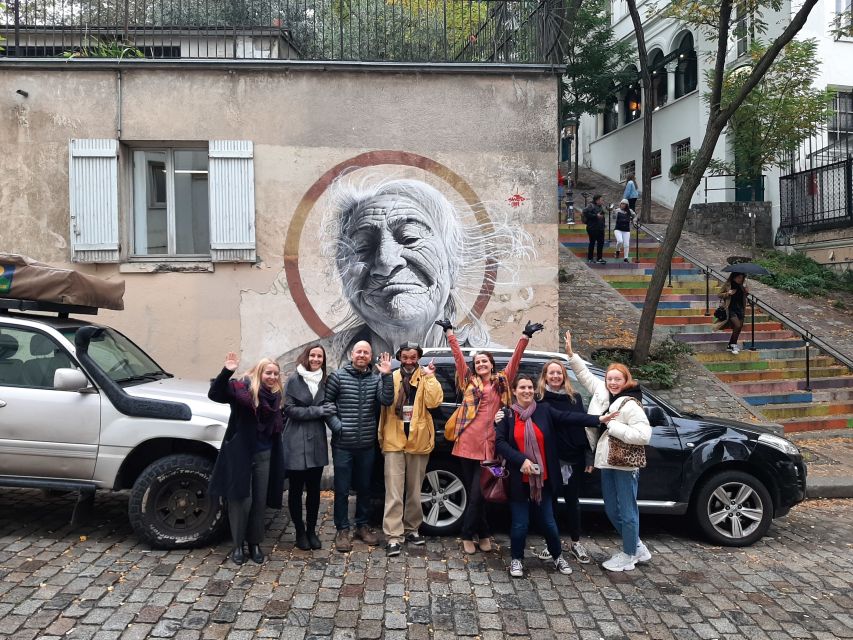
Review · PARIS
Paris: Montmartre Street Art Tour with an Artist
Montmartre’s best surprise is not always the famous church or the busy square. It is the street-level art tucked into side lanes, doorways, and walls, where today’s artists keep adding to the neighborhood’s long creative story. This 135-minute walk connects that work with the bohemian Paris of Toulouse-Lautrec, Van Gogh, Picasso, and Matisse.
I like two things here: you get an artist guide with at least six years of experience leading street-art walks, and you leave with a useful way to spot street art elsewhere in Paris. Stefan brings both art-culture context and local history, while Sabrine is known for her infectious enthusiasm. The drawback is practical: this is a hilly outdoor walk with stairs and long periods on your feet, and it goes ahead in all weather.
Key points to know before you book
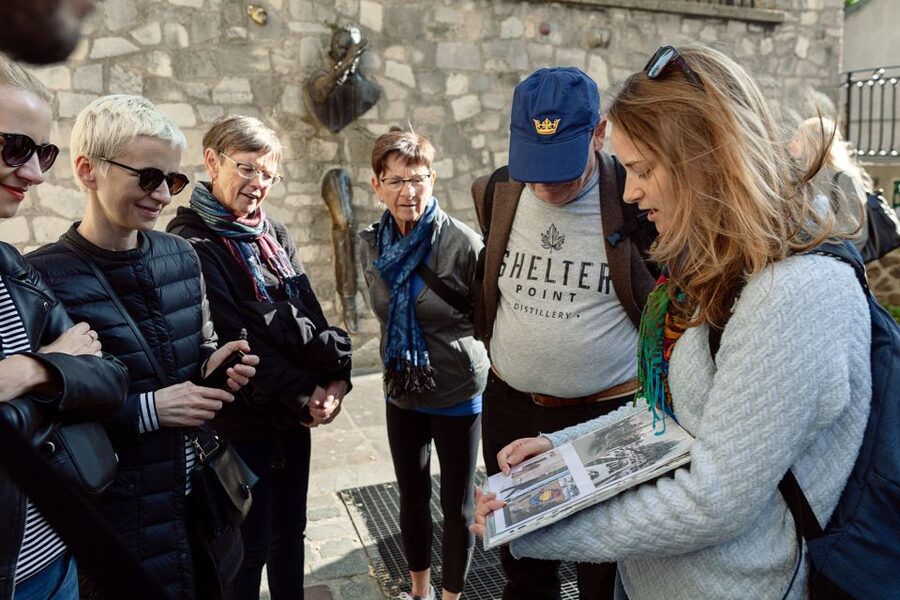
- The modern art focus: You look at current street art, not only old Montmartre legends and postcard views.
- The guide matters: English-speaking guides such as Stefan and Sabrine bring different personalities to the walk, with a minimum of six years of street-art tour experience.
- The quieter side of Montmartre: The route takes you beyond the most touristic spots into narrow, colorful backstreets.
- The walking challenge: Expect hills, stairs, moderate walking, and extended periods standing.
- The useful timing: At two hours and 15 minutes, the tour gives you a solid introduction without taking a full day.
- The meeting point: You meet in front of Starbucks at 5 Place Blanche and should arrive at least five minutes early.
Why this Montmartre walk is more than a photo stop
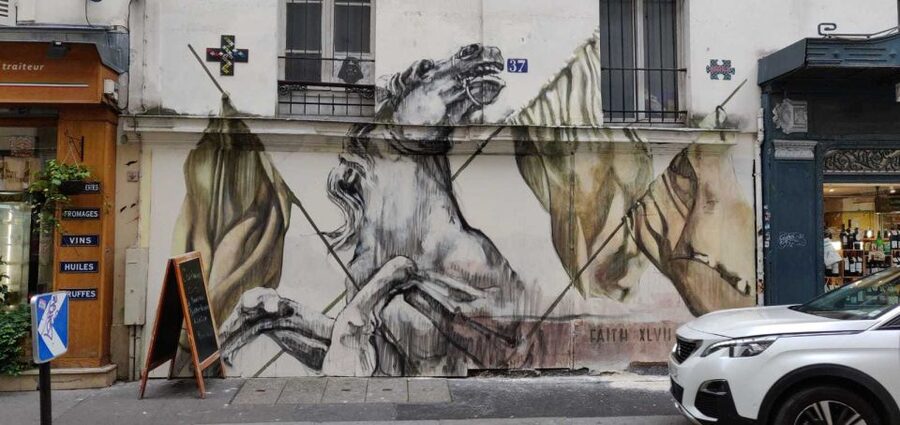
Montmartre is easy to reduce to a few familiar images: the white church on the hill, artists near a famous square, and a sweeping view over Paris. Those sights have their place, but they can also make the neighborhood feel like a stage set.
This tour looks at Montmartre as a working art district. You learn how street art fits into the larger story of Parisian art, then see how that tradition continues on walls and corners today. That link is the real reason to book. You are not simply collecting photographs of murals. You are learning to read the area.
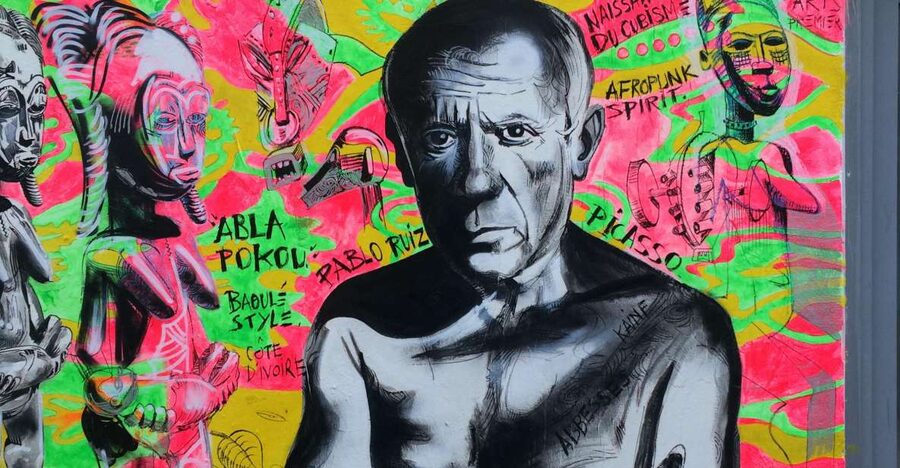
I especially like the mix of old and new. The names Toulouse-Lautrec, Van Gogh, Picasso, and Matisse help explain why Montmartre became associated with artists in the first place. The street art gives you a present-day counterpoint. One part of the walk deals with artists who changed modern painting; another considers artists still trying to be seen in public space.
That makes the experience useful for two types of visitors. If you already care about art, you get a local look at a subject that standard museum visits often miss. If you know very little about street art, the guide gives you a starting point without requiring a background in art history.
More Street Art Tours with a Local Artist in Paris:
- Belleville Street Art Tour with an Artist
★ 5.0 · 237 reviews - Montmartre Street Art Tour with an Artist
★ 5.0 · 144 reviews - Paris: Belleville Street Art Tour with an Artist
★ 4.9 · 90 reviews
Starting at Place Blanche
The meeting point is in front of Starbucks at 5 Place Blanche. This location puts you at a practical entry point for Montmartre, but do not treat the meeting time casually. The tour starts on time, and arriving at least five minutes early is specifically advised. A late arrival can mean missing the walk without a refund.
From Place Blanche, expect the experience to shift gradually from a busy, easy-to-find meeting area toward the hill and the neighborhood’s quieter lanes. The precise order of streets and artworks can change, since street art changes and the route may be adjusted. That is part of the nature of looking at public art rather than visiting a fixed museum collection.
Wear shoes that you can comfortably use on uneven streets, slopes, and stairs. You will not need special equipment, but comfortable footwear and weather-appropriate clothing will make a noticeable difference.
Reading modern street art with a working guide
The guide is the center of this experience. A minimum of six years leading street-art tours gives the walk more focus than a simple neighborhood stroll. You are there to understand how the art scene works today, not just to be pointed toward colorful walls.
Stefan, one of the guides, has been praised for explaining both street-art culture and Paris history. That combination is important. Street art can be hard to understand when it is pulled out of its setting. A good explanation helps you consider why a work appears in a certain area, how public art differs from gallery art, and why artists use streets to gain attention.
Sabrine brings a different strength. Her enthusiasm is a major part of her guiding style, and she has been described as a font of knowledge about the subject. You may not receive the same guide on every departure, so the tone can vary. The consistent feature is the English-language focus and the guide’s experience with street art.
The walk also helps you build a practical skill. Afterward, you may notice art on other Paris streets that you would have passed without a second glance. That was especially useful for visitors beginning a longer stay in the city. The tour becomes an introduction to looking, not just a one-time activity.
From bohemian Montmartre to the art on today’s walls
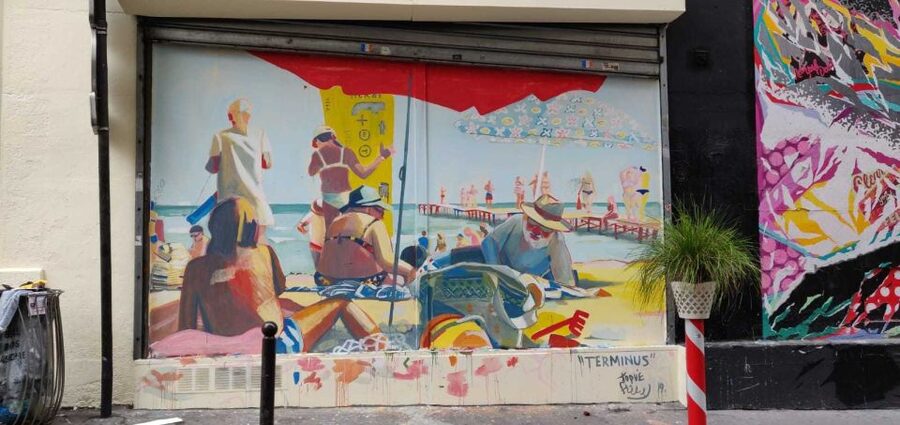
The older story of Montmartre provides the backbone of the route. At the turn of the 20th century, the district drew artists and became one of Paris’s best-known artistic neighborhoods. Toulouse-Lautrec, Van Gogh, Picasso, and Matisse are part of that larger story, even though each artist had a different style and relationship with Paris.
You should not expect a museum lecture or a tour of every historic address connected with those painters. Instead, the guide uses their presence in Montmartre to explain the district’s artistic identity. That keeps the historical material tied to what you are seeing around you.
This context makes modern street art easier to place. Public art is often treated as a separate subject, but here it is presented as part of a continuing argument about who gets to make art, where art belongs, and how artists find an audience. The comparison does not mean every wall work carries the same importance as a painting in a museum. It gives you a useful frame for understanding why street art has become so popular.
I appreciate that the focus is not only on the most polished or famous pieces. Street art can change, disappear, or be painted over. A route built around it has to accept that impermanence. You are looking at a living part of the city rather than a collection protected behind glass.
More Street Art Tours around Paris:
- Street Art tour in Paris – Discover Paris murals !
★ 5.0 · 130 reviews - Paris: Graffiti and Street Art Workshop
★ 4.7 · 108 reviews - Murals XXL Street Art Tour
★ 5.0 · 98 reviews - Paris: Street Art Open-Air Museum Bike Tour
★ 4.8 · 51 reviews
The backstreets are the main reward
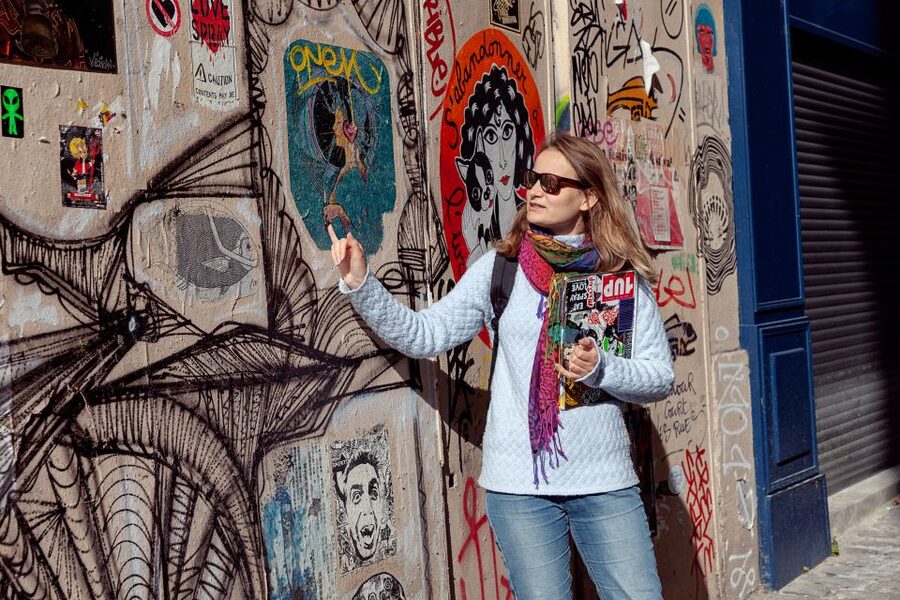
The most appealing part of the walk may be the move away from Montmartre’s busiest attractions. The district has narrow streets, colorful corners, and quiet stretches that can feel surprisingly removed from the main tourist flow. The tour is designed to show that side of the neighborhood.
That change in pace matters. In the crowded parts of Montmartre, it can be difficult to look carefully at anything. In the backstreets, you have more room to notice the relationship between a wall, a doorway, an old building, and a new piece of art. The guide can also explain how the work fits into the area rather than treating every image as an isolated decoration.
You should expect plenty of walking and standing as the group moves from one sight to another. Some of the streets rise and fall, and several stairs are included. The physical effort is moderate, but it is not trivial. Anyone with back problems, a mobility impairment, or a need for wheelchair access should choose a different activity.
The narrow streets also mean the experience is not built around one grand reveal. It is a sequence of small discoveries. You may find one wall interesting for its image, another for its location, and a third because the guide explains how street artists try to be seen in a public place.
Hilltop views and the church backdrop
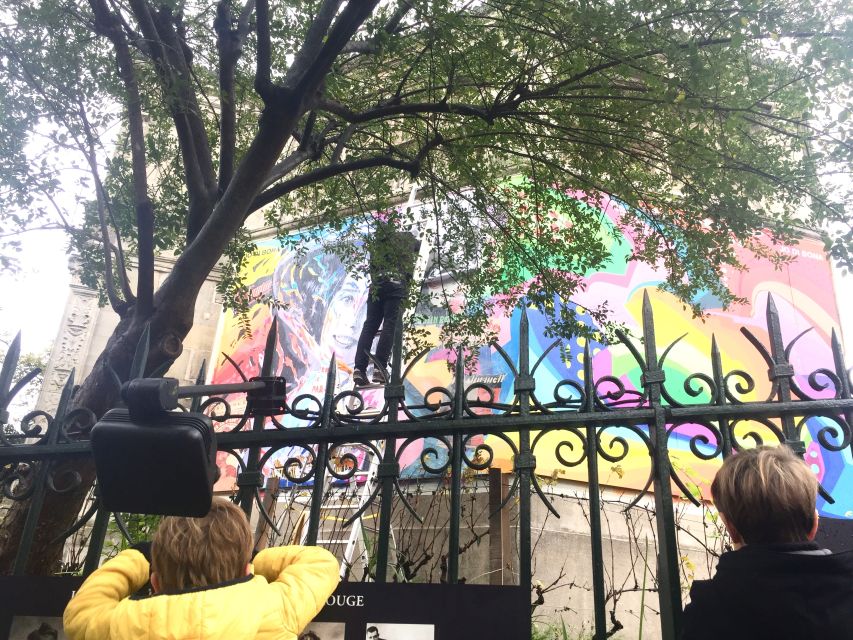
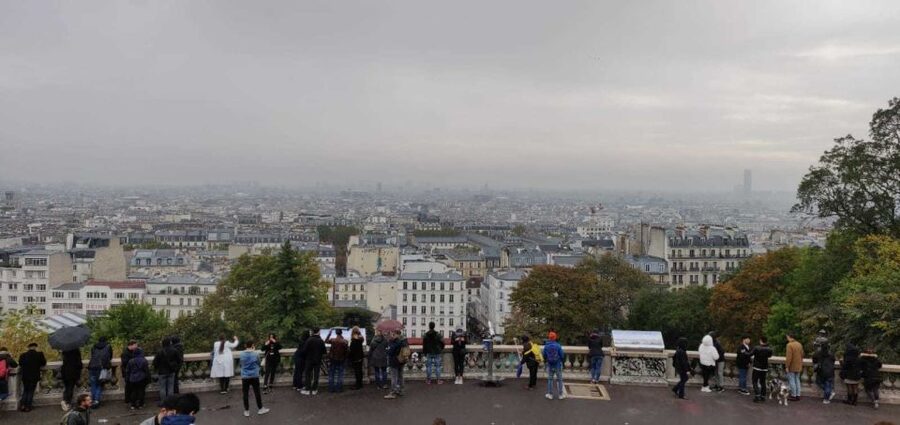
Montmartre’s hill gives the walk a strong visual setting. The white church at the top provides the backdrop for the tour’s discussion of the district’s bohemian past, while the higher streets offer views across Paris. These are good reasons to keep your camera ready, but the art focus means the tour is not simply a sightseeing walk.
The view also helps explain Montmartre’s appeal. You are looking down over one of the world’s most recognizable cities while standing in a neighborhood with a separate, village-like feel in parts. The contrast between the broad view and the close-up detail of street art gives the route variety.
Still, the hill is not just a scenic bonus. It is the source of the tour’s main physical demand. Going up and down slopes and stairs can be tiring, especially in hot weather or rain. The activity takes place entirely outdoors and runs in all weather conditions, so check the forecast and dress for the day rather than for the photographs you hope to take.
Video recording is not allowed. You can still pay attention, take in the streets, and use the experience to guide your own later walks, but you should not plan to film the tour.
Is $47 a fair price for 135 minutes?
At $47 per person, this is not the cheapest way to walk around Montmartre. You can explore the neighborhood’s streets for nothing, and the church and views are available without a paid tour. The value comes from the guide’s interpretation and the route’s specific subject.
You are paying for a focused look at street art, plus the historical connection to Montmartre’s earlier artists. If you would otherwise wander without knowing what you are looking at, the guide can make two hours and 15 minutes much more rewarding. The price is easier to justify for visitors who care about visual culture or want an introduction to a less formal side of Parisian art.
It is less compelling if your main aim is only to see the church, take a city view, or visit the classic tourist sites. In that case, you may prefer an independent walk or a tour centered on the district’s landmarks.
The length is sensible. At 135 minutes, the tour is long enough to build a real story but short enough to fit around another activity. You will still have time to continue exploring Montmartre afterward, although the hills and stairs may make a rest worthwhile.
Free cancellation up to 24 hours in advance and the option to reserve now and pay later make the booking less rigid. Those policies are useful if your Paris schedule is still moving, but they do not change the need to arrive on time at Place Blanche.
Who will enjoy this experience most?
I would choose this tour if you want to see how Parisian art continues outside museums. It suits first-time visitors who want a guided introduction, as well as repeat visitors who have already seen the main Montmartre sights and want a different angle.
It is also a good first-day activity for someone interested in art. One visitor used it at the beginning of a Paris trip and found that the tour made street art easier to recognize during later walks. That is a real benefit: the experience can improve the rest of your time in the city.
The tour may suit older children and teenagers who are interested in drawing, murals, or urban culture, but the physical demands should guide your decision. The information provided specifically rules it out for people with back problems, mobility impairments, and wheelchair users.
You should skip it if you want a seated activity, a museum-style presentation, or a route that avoids hills. You should also think twice if rainy weather would ruin your day, since the walk continues outdoors in all conditions.
Should you book the Montmartre street art tour?
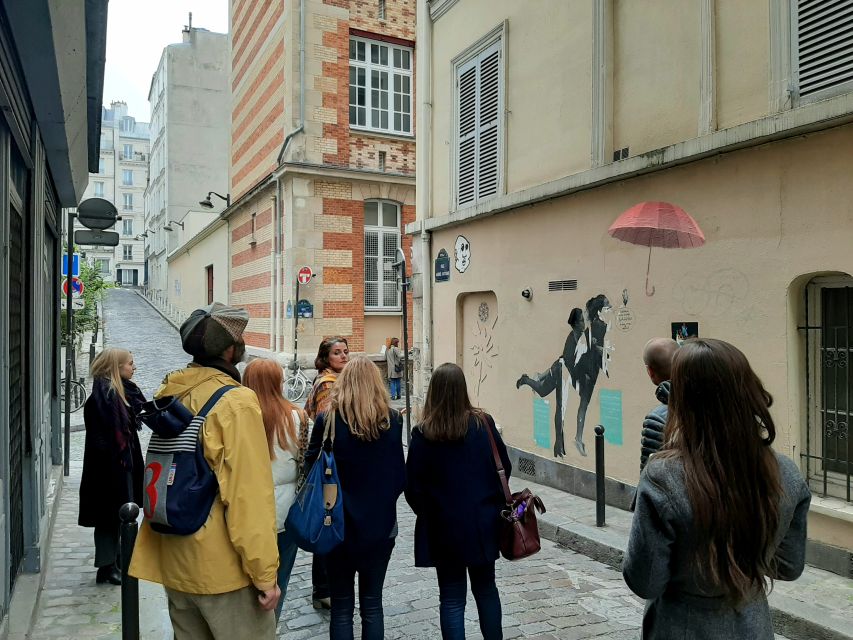
Book it if you want a thoughtful street-art walk led by an experienced guide, rather than a quick tour of famous Montmartre landmarks. The strongest parts are the connection between modern public art and the district’s bohemian past, the quieter backstreets, and the chance to learn from guides such as Stefan or Sabrine.
At $47, the tour earns its price through explanation, not transportation or included refreshments. You receive a professional guide, but food, drinks, hotel pickup, and drop-off are not included. Bring water and arrive early at the meeting point.
My call: choose this tour if art, local streets, and a little uphill effort sound like a good Paris afternoon. Skip it if you need easy access or want only the classic views. For the right visitor, it turns Montmartre from a postcard stop into a place you can actually read.
FAQ
Where does the Montmartre street art tour meet?
The meeting point is in front of Starbucks at 5 Place Blanche, Paris, France.
How long does the tour last?
The tour lasts 135 minutes, or two hours and 15 minutes.
What language is the tour conducted in?
The live tour guide conducts the experience in English.
Is the tour suitable for wheelchair users?
No. The tour is not suitable for wheelchair users or people with mobility impairments. It includes hills, stairs, moderate walking, and long periods standing.
What should I bring?
Bring a passport or ID card, comfortable shoes, and clothing suited to the weather.
Can I cancel for a full refund?
Yes. You can cancel up to 24 hours in advance for a full refund. You can also reserve now and pay later.
Freshly painted around Paris
- Private Street Art Tour in Paris with Local Expert★ 4.0 · 9 reviews
- Paris Street Art bike tour – Open Air Museum★ 5.0 · 18 reviews
- Private Graffiti Workshop★ 5.0 · 5 reviews
- Paris Off the Beaten Path Street Art Walking Tour★ 4.5 · 9 reviews
- Paris: Street Art Tour with a Street Artist Guide★ 5.0 · 6 reviews
- From Louvre to Street Art – original museum guided tour (skip the line!)★ 5.0 · 21 reviews
- Private Street Art 2-Hour Guided Tour in Paris★ 4.5 · 5 reviews
- Paris Street Art, smartphone audioguided tour★ 5.0 · 15 reviews
Paris Street Art Tours, compared.
Street Art tour in Paris – Discover Paris murals !
Read our review →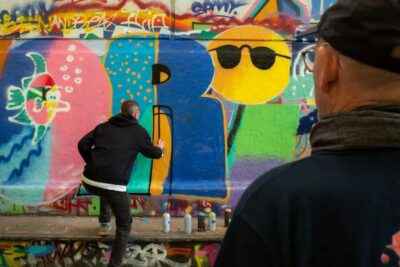



Paris: Street Art Walking Tour with a Street Artist Guide
Read our review →
Browse the lists this tour appears in