
Review · NEW YORK CITY
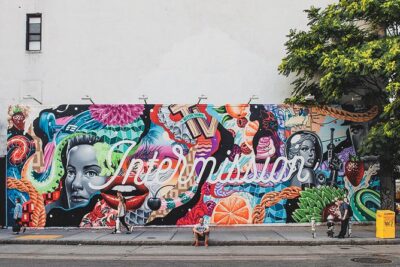
Street art tour at Soho
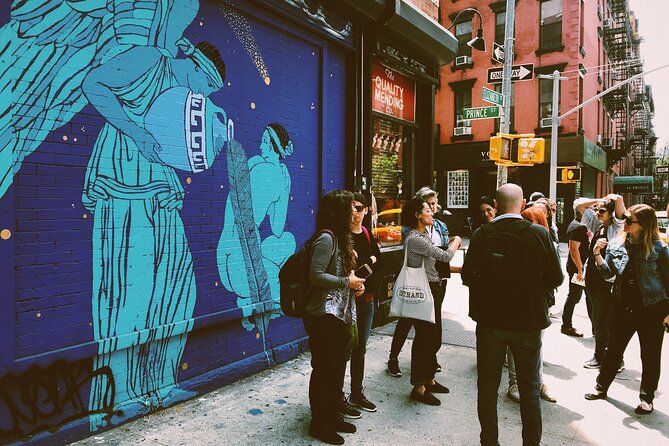
SoHo’s street art is not limited to quick graffiti sightings. This two-hour private walk connects public art with changing neighborhoods, from Forrest Myers’ monumental The Wall to the Keith Haring mural site on Houston Street. Guides such as Ortal, Adi, and Avitel bring an art-world point of view and keep the pace open for questions.
I like the flat group rate for up to six people, since a small family or group of friends can share the cost. I also like the personal format: you can pause, ask why a piece matters, and get suggestions for other murals after the official walk ends.
The main drawback is that this is a weather-dependent outdoor tour, and the route focuses on three named stops rather than a long list of walls. If you want a broad survey of every current mural in Lower Manhattan, this may feel selective.
Key points at a glance
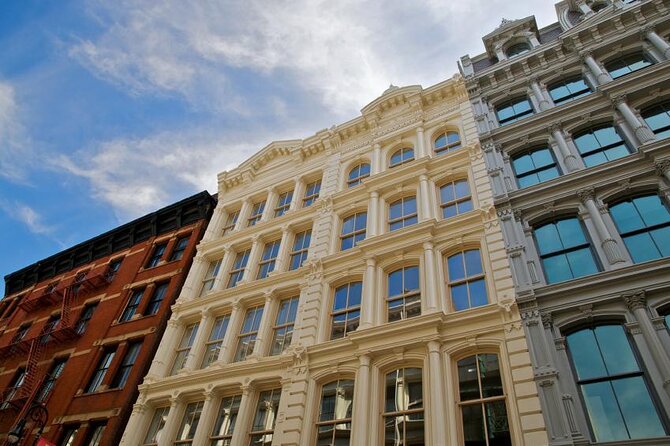
- Three sharply different stops: See minimalist public art, a volunteer-run sculpture garden, and a famous mural wall.
- A private group experience: Only your party takes part, with a maximum group size of six.
- Guides with an art focus: Ortal, Adi, and Avitel are among the guides associated with the experience.
- A question-friendly pace: You are not pushed through a crowded group schedule.
- A useful finish: The guide can recommend additional wall murals to visit after the walk.
- Simple Lower Manhattan route: Begin at Broadway-Lafayette and finish at the Bowery Mural on Houston Street.
What this SoHo art walk actually offers
This is a compact introduction to public art in Lower Manhattan, not a general sightseeing tour of SoHo. The route takes about two hours and begins at Broadway-Lafayette Street and East Houston Street at 9:00 am, ending at 76 East Houston Street.
That start time matters. You get a morning walk before the day becomes hotter and busier, though the tour still requires comfortable walking outdoors. The route crosses SoHo and reaches Nolita, so you should think of it as an urban walk between art sites rather than a single-gallery visit.
The private setup is the strongest practical feature. You are not sharing the guide with a large busload or waiting for strangers to catch up. With up to six people, the walk can suit a family, a couple traveling with friends, or a small art group. You can ask questions as they come up, which is particularly useful when the subject shifts from artistic technique to neighborhood change.
The guide is also part of the value. Ortal is described as energetic and lighthearted, while Adi is associated with a professional, pleasant approach. Avitel has offered restaurant and museum suggestions during a walk. Guide assignment can vary, so you should not book on the assumption that one particular person will lead your date, but the provider’s guides clearly work across art-focused experiences.
More Street Art Tours around New York City:
- NYC: Brooklyn Graffiti Workshop with Local Artist
★ 4.8 · 570 reviews - NYC: Brooklyn Graffiti & Street Art Walking Tour in Bushwick
★ 4.8 · 492 reviews - Brooklyn: Bushwick Street Art Walking Tour
★ 4.7 · 462 reviews
The Wall at 599 Broadway
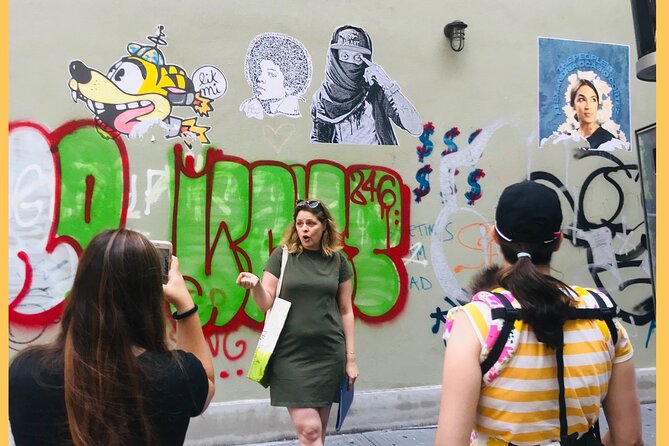
The first major art reference is The Wall, also called The Gateway to Soho. Forrest Myers created this minimalist work in 1973, and it rose eight stories as part of the building at 599 Broadway until 2002.
The piece is a useful opening because it challenges the idea that street art must be painted directly onto a wall. Here, the scale and placement do much of the work. You look upward and see how an artwork can become part of the architecture, the street grid, and the daily view of people passing below.
This is the sort of stop where a guide adds real value. Without context, you might register a large, spare structure and keep walking. With an explanation of its date, artist, and place in SoHo, you can consider how public art changes when it is tied to a building and a neighborhood.
The stop also gives the walk a broader frame. SoHo is often associated with cast-iron buildings, shops, and galleries, but this piece points to an earlier period of experimentation with public space. It helps you look beyond colorful tags and painted walls.
Do not expect a traditional mural here. If your ideal street art tour means bright images at every turn, The Wall may feel restrained. That contrast is useful, though, since it shows that public art in this part of New York includes minimalism as well as graffiti.
Elizabeth Street Garden in Nolita
The route continues to Elizabeth Street Garden, a one-acre sculpture garden in Nolita. It is operated year-round by neighborhood volunteers and hosts more than 200 free public events each year, including educational, wellness, and arts programs for children, seniors, and local residents.
This stop changes the mood of the walk. Instead of focusing on a single large wall, you enter a small open-air setting filled with sculpture and community activity. The garden shows how art can function as a shared neighborhood resource, not only as something placed on a building for people to view from the sidewalk.
I find this an important part of the experience because it adds social context. The tour is not only asking you to identify artists and styles. It also shows how local people support a public art space and keep it active throughout the year.
The garden may appeal especially to families and anyone who prefers a pause between street corners. Its programming for children, seniors, and local residents gives it a clear community role. You should keep in mind that it is a working public garden, not a private museum arranged solely for tour visitors. The appeal is its connection to neighborhood life.
Since the walk is private, you can ask the guide about the sculptures, the garden’s operation, or its place in Nolita. The supplied details do not promise a fixed talk about every sculpture, so treat this as a chance for conversation rather than a formal museum-style lecture.
The Bowery Mural and Keith Haring’s mark
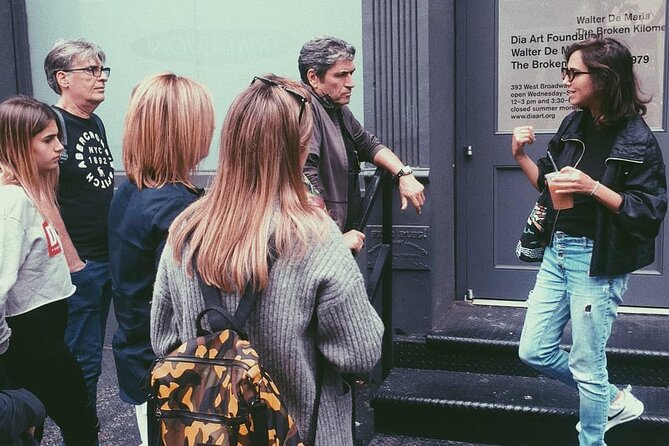
The final stop is the Bowery Mural, at Houston Street and the Bowery, with the listed ending point at 76 East Houston Street. The concrete wall became a popular graffiti spot in the early 1980s, and Keith Haring created a large mural there in 1982.
This is the most direct link to New York’s graffiti tradition. The wall has been used as a public canvas, giving the guide a natural place to explain how street art, graffiti, and the city’s changing commercial districts overlap.
Haring’s name gives the stop extra weight, but the site is also valuable because it represents an ongoing mural tradition. A wall can carry one artist’s work, then another’s, while remaining part of the neighborhood’s visual identity. You are seeing a place with a history of public mark-making rather than an isolated artwork in a gallery.
The end point is convenient for continuing your day in Lower Manhattan. The guide can also recommend other murals to see after the tour. That follow-up advice is worth using, since outdoor art changes and a good local suggestion can help you build a second walk without paying for another organized activity.
The limitation is simple: a mural wall can look different from one visit to the next. The details supplied for this experience center on Haring’s 1982 work and the wall’s graffiti history, but they do not promise a permanent display of one exact mural. Go for the site, the context, and the chance to understand how the wall functions in New York’s art culture.
Same walls, a different way in:
- Brooklyn Graffiti Workshop
★ 5.0 · 287 reviews - Graffiti & Street Art Walking Tour in Brooklyn
★ 5.0 · 255 reviews - Brooklyn Street Art Tour
★ 4.5 · 164 reviews - New York: Hip-Hop, Murals, Sports, and Dangerous Neighborhoods Tour
★ 4.7 · 143 reviews
Why the private format matters
A private activity for as many as six people gives this tour a different feel from a standard public walk. You can set the rhythm within the two-hour limit, ask follow-up questions, and spend more time at a stop that interests your group.
That works particularly well for families with children. One family described taking the street art tour with children and returning a year later, finding value in seeing the places again. A repeat visit can make sense because outdoor art and neighborhood walls may change, even when the main route remains similar.
The format also suits mixed groups. One person may care about minimalism, another about graffiti, and another about neighborhood preservation. Since the tour is not locked to a large group’s interests, the guide can respond to those differences.
Still, a private tour is not automatically the best value for a solo visitor. The flat rate makes more financial sense when shared by several people. If you are alone, compare the group cost with the amount of time and personal attention you want.
The guide makes the difference
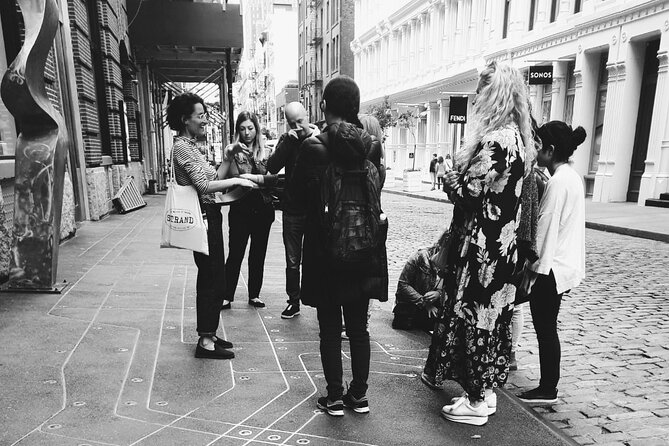
The strongest praise connected with this experience centers on the guides’ energy, warmth, and ability to keep people engaged. Ortal is described as energetic, well informed, and lighthearted. Adi is linked with an interesting, professional tour in a pleasant setting. Avitel has been helpful with restaurant and museum suggestions as well.
Those details point to a useful style of guiding. You should expect interpretation, conversation, and practical local advice rather than a dry list of dates. The guides also work across other art-focused experiences, including gallery and museum visits, so the provider’s wider art focus shapes this walk.
You should ask questions early. If you want more context about the artists, the role of public walls, or places to eat and visit afterward, say so during the walk. The private format gives you room to do that, and the experience is designed to allow plenty of questions.
The guide’s actual name is not guaranteed in advance by the information provided. Ortal, Adi, and Avitel have led related walks, but availability can change. Book for the format and subject first, then confirm the assigned guide if that matters to you.
Timing, meeting point, and walking comfort
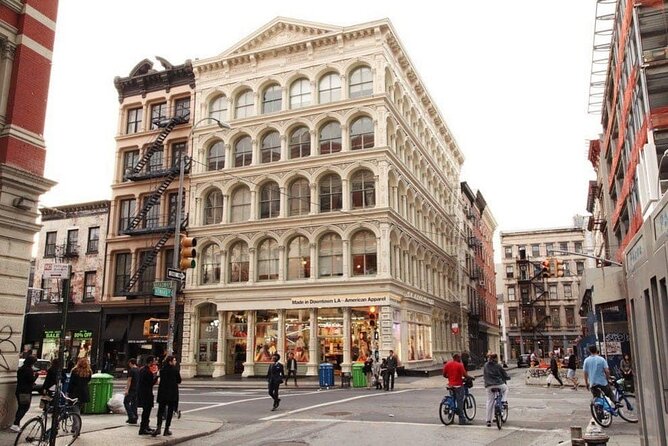
The tour starts at 9:00 am at Broadway-Lafayette Street and East Houston Street. You should arrive with the meeting point clear, since the area has several nearby subway entrances and busy street corners. The tour ends at the Bowery Mural, 76 East Houston Street.
The route is near public transportation, making it practical to pair with a morning in SoHo or an afternoon elsewhere in Manhattan. The end point also leaves you in a useful part of Lower Manhattan, rather than sending you back to the starting point.
Plan for an outdoor walk in changing conditions. The experience requires good weather, so poor conditions can lead to a new date or a full refund. Wear shoes suited to city pavement and bring whatever weather protection you need, since the supplied details do not describe indoor alternatives.
Most people can take part, and service animals are allowed. The activity does not list special physical requirements, but it remains a walking tour, so you should consider your own comfort with a two-hour city route.
Is the flat group rate good value?
No price is supplied here, so I cannot judge the exact dollar amount. The value comes from how you use the private format. Six people sharing one flat rate can receive a more personal experience than a large public tour, while a smaller group pays more per person for that privacy.
You are also paying for interpretation, not admission to a major museum. The three stops are public places, so the guide’s context, route planning, and recommendations are the main product. That makes the tour worthwhile for you if you want to understand what you are seeing rather than simply photograph it.
The additional mural suggestions can extend the outing at no extra tour cost. If your group plans to keep walking after the official end, that local guidance adds practical value.
Who should book this walk?
I would recommend it to:
- Small groups who want a private art walk
- Families looking for an activity that can hold children’s attention
- Visitors curious about graffiti, minimalist public art, and sculpture
- Repeat New York visitors who want a different way to read SoHo and Nolita
- People who like asking questions instead of following a fixed lecture
- Anyone who wants restaurant, museum, or mural suggestions from an art-focused guide
I would be more cautious if you want a long route packed with many current murals, a fully indoor experience, or a tour with a guaranteed named guide. The route is focused and selective, and the weather can affect the booking.
Cancellation is free up to 24 hours before the 9:00 am start time. Within 24 hours, you receive no refund, and changes are not accepted. If bad weather or an unmet minimum number of participants cancels the activity, you are offered another date or experience, or a full refund.
Should you book the SoHo street art tour?
Book it if you want a personal introduction to New York public art rather than a fast checklist of painted walls. The sequence works well: The Wall gives you a minimalist beginning, Elizabeth Street Garden adds community sculpture, and the Bowery Mural brings you into the city’s graffiti tradition.
The best reason to choose it is the private, question-friendly format. Share the flat rate with a small group, ask the guide to explain what catches your eye, and use the mural recommendations to keep exploring after the two hours end.
Skip it if you need a fully indoor plan or want dozens of wall paintings in one morning. For the right group, though, this is a thoughtful and manageable way to see SoHo and Nolita through public art.
FAQ
How long does the street art tour last?
The tour lasts approximately two hours.
Where does the tour begin?
It begins at Broadway-Lafayette Street and East Houston Street in New York City.
What time does the tour start?
The listed start time is 9:00 am.
Where does the tour end?
It ends at the Bowery Mural at 76 East Houston Street, New York, NY 10012.
Is this a private tour?
Yes. Only your group takes part, and the flat rate covers groups of up to six people.
What language is offered?
The tour is offered in English.
Which places are included?
The route includes The Wall, also called The Gateway to Soho, Elizabeth Street Garden, and the Bowery Mural.
Is the tour suitable for most people?
Most people can participate, and service animals are allowed. The experience is near public transportation.
What happens if the weather is poor?
The experience requires good weather. If it is canceled because of poor weather, you are offered another date or a full refund.
Freshly painted around New York City
- NYC: Private Graffiti & Street Art Walking Tour★ 5.0 · 22 reviews
- Street Art & Graffiti Tour in NYC Private Tour★ 5.0 · 7 reviews
- Bushwick Brooklyn’s Award Winning Graffiti & Street Art Tour★ 5.0 · 2 reviews
- Street Art Tour in New York City with Local Expert Guide★ 4.0 · 5 reviews
- New York: Hip-Hop, Murals, Sports & Dangerous Neighborhoods Tour★ 5.0 · 36 reviews
- Brooklyn street art and hipster culture tour in French★ 5.0 · 132 reviews
- New York: Hip-Hop, Murals, Sports, and Dangerous Neighborhoods Tour★ 4.7 · 143 reviews
- Brooklyn Street Art Tour★ 4.5 · 164 reviews
New York City Street Art Tours, compared.

NYC: Brooklyn Graffiti Workshop with Local Artist
Read our review →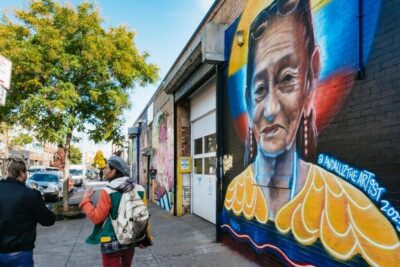
NYC: Brooklyn Graffiti & Street Art Walking Tour in Bushwick
Read our review →

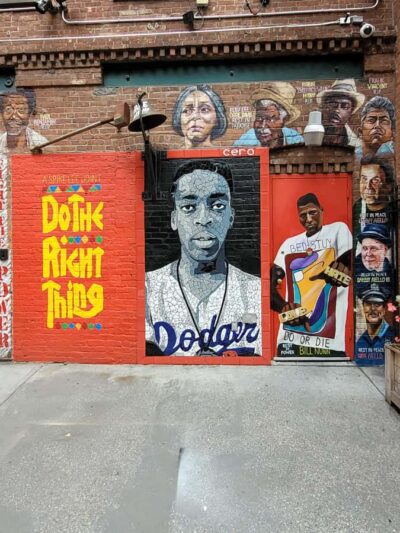
New York: Hip-Hop, Murals, Sports, and Dangerous Neighborhoods Tour
Read our review →
Brooklyn street art and hipster culture tour in French
Read our review →
Street Art Tour in New York City with Local Expert Guide
Read our review →Browse the lists this tour appears in